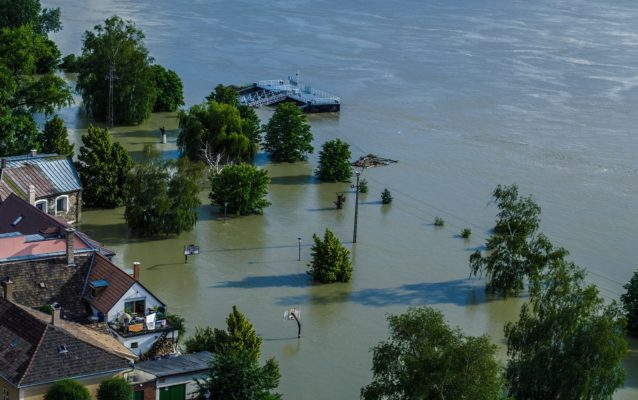
As natural hazard scientists, we often emphasise the concept of exposure – how much people, infrastructure, and ecosystems are in harm’s way when close to natural hazard sources (e.g., floodplains, volcanoes, or fault lines). The closer you are, the higher the risk. Therefore, one of the main goals in natural risk assessment is to reduce exposure whenever possible. We advocate for informed plannin ...[Read More]
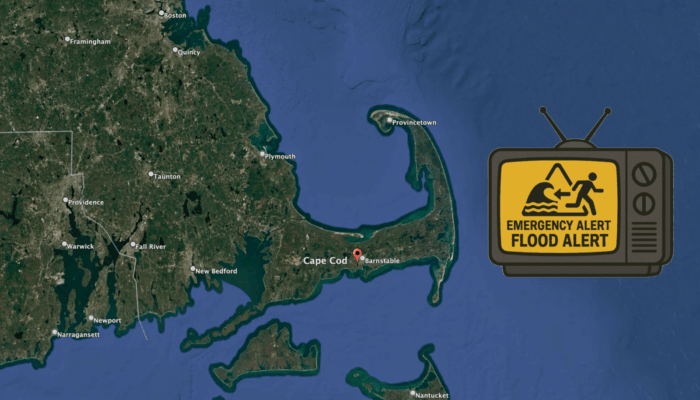
Be prepared, don’t be scared: Early Warning System Test during Thanksgiving on Cape Cod
This week I think back on my time in the United States of America, where I was able to spend the holiday season. In North America, “fall” marks the beginning of this holiday season, and symbolises a time filled with traditions of togetherness that transcends regions. In New England, particularly in the state of Massachusetts, the season is synonymous with crisp air, vibrant foliage, and the celebr ...[Read More]
Education and Awareness as Pillars for a Disaster-Resilient Future – An Interview with Marina Morando, Programme Director at CIMA Research Foundation
This year, the International Day for Disaster Risk Reduction, observed on October 13th, emphasises the crucial role of education in mitigating disaster risks. In this insightful interview, we have the pleasure of discussing this important topic with Engineer Marina Morando, Programme Director at the CIMA Research Foundation in Italy. She brings extensive research and operational experience in civi ...[Read More]
The 2023 Carnival disaster in São Paulo: an all time record for rainfall in Brazil
In February 2023, Brazil experienced its largest rainfall event on record, which devastated the northern coast of the state of São Paulo. This event caused landslides, floods, and numerous fatalities, making it even more tragic than previous disasters in the region, which already have been elaborated on in another blog post. The situation highlights the urgent need for effective emergency manageme ...[Read More]
LANDAWARE: the international network on landslide early warning systems
For today’s interview, it gives me great pleasure to host Dr Manfred Stähli, who will tell us about a new initiative in the field of Landslide Early Warning Systems (LEWS), which is attracting the attention and participation of researchers from many countries. This initiative is called LandAware. Manfred is a senior scientist in mountain hydrology, slope stability and early warning systems a ...[Read More]
The earthquake traffic light
Dr. Laura Gulia is a senior post-doc at the University of Bologna, Department of Physics and Astronomy. She has a strong experience in statistical seismology, seismicity analysis as well as seismic hazard and risk assessment. Recently, she investigated the spatio-temporal evolution of the earthquake size distribution throughout a seismic sequence focusing on the b-value, a parameter characterizing ...[Read More]
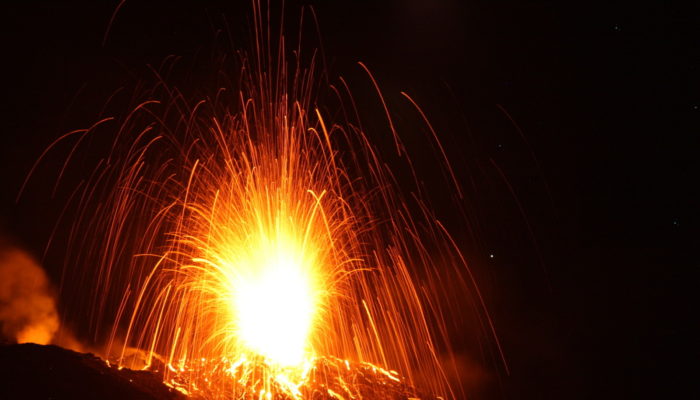
Stromboli: The Lighthouse of the Mediterranean
In the last months two paroxysmal explosive eruptions took place at Stromboli volcano: the first one, totally unexpected, on 3rd July (Video 1) that sadly cost the life of a person and the second and, currently, last one about three weeks ago, on the 28th August (Video 2). Today we try to answer a couple of questions about Stromboli and its eruptions. Are these paroxysmal eruptions common or rare ...[Read More]
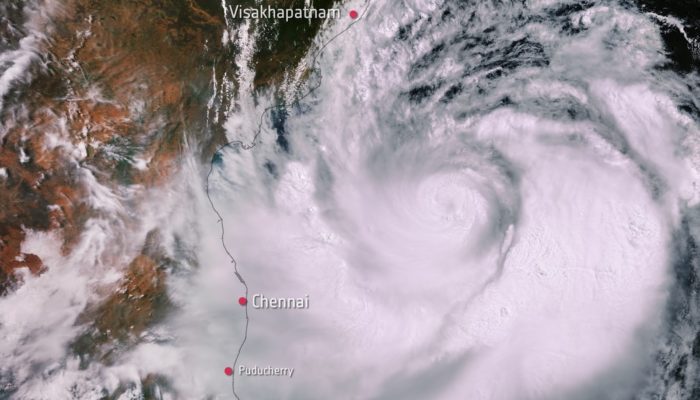
Cyclone Fani: A success in weather forecast and disaster preparedness
Hurricane, cyclone and typhoon are different terms for the same weather phenomenon: torrential rain and maximum sustained wind speeds (near centre) exceeding 119 km/hour (World Meteorological Organization https://public.wmo.int/en). The terminology depends on the region (e.g. in the western North Pacific, they are called typhoons; in the Bay of Bengal and the Arabian Sea they are named as cyclones ...[Read More]
Hot topic for a hot summer: extreme weather and climate events in the ANYWHERE project – A Pan-European Platform for Multi-Hazard Early Warning and associated Impacts
In this post, I have the pleasure to interview Dr.ir. Henny A.J. van Lanen. He is Associate Professor in the Hydrology & Quantitative Water Management Group of Wageningen University and he has been involved in several EU projects. Further, he is involved in many international groups or networks: Coordinator of the European FRIEND programme (EURO-FRIEND Water, Flow Regimes from International Ex ...[Read More]
I-REACT – ‘Fight disasters with your phone’
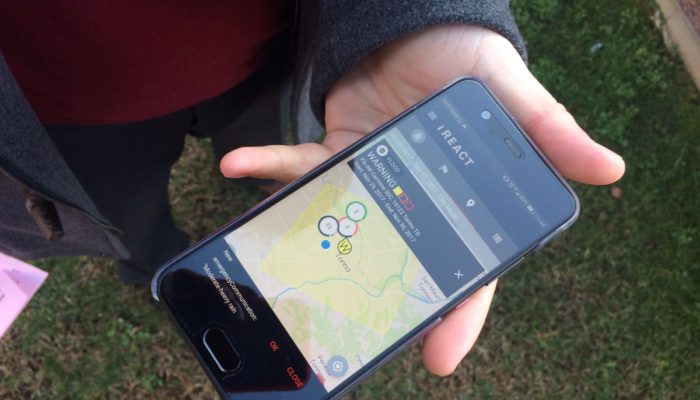
Technology has never been more at hand than at the time we are living. Smartphones and the many apps on the market are proof of this. As I recently discovered, there is also an app developed to learn about natural hazards and, as they claim, fight disasters! This app is called I-REACT, and it was born from a homonymous innovation project funded by the European Commission and developed by a consort ...[Read More]