
This was originally posted here. Mass extinctions are insanely catastrophic, but important, events that punctuate the history of life on Earth. The Jurassic/Cretaceous boundary, around 145 million years ago, was originally thought of to represent a mass extinction, but has subsequently been ‘down-graded’ to a minor extinction event based on new discoveries. However, compared to …[Read More]
Green Tea and Velociraptors
Which palaeontology stories in 2015 captured the public’s imagination?
This was originally posted here! Happy New Year everyone! It’s that time of year when all the summaries of an amazing year of research are coming out, and goodness, what a year it’s been! The folk over at Altmetric have been kind enough to summarise the top 100 articles of 2015, measured by their altmetrics …[Read More]
How to write to your MEPs about European Copyright reform
This was originally posted here. I mentioned in a previous post how important it is for researchers to equip themselves with knowledge about copyright issues (like this), and to become active in the struggle against publishers in retaining fair re-use rights for research. In the European Commission, this has been quite a high-profile debate this year (see …[Read More]
New fossil croc on the block
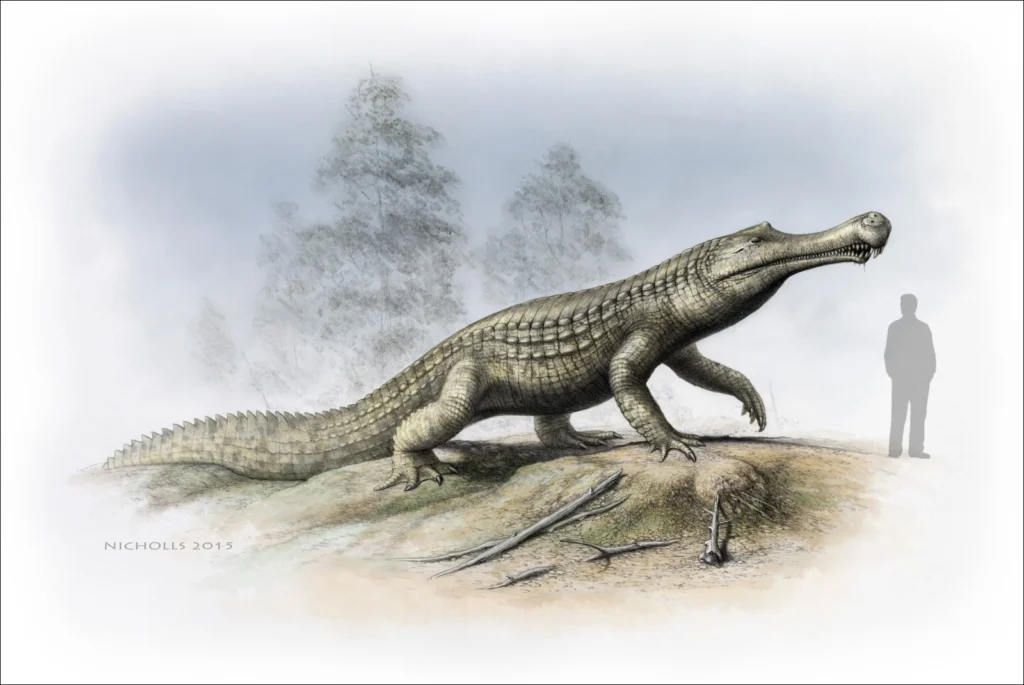
This was originally posted on the PLOS Paleo blog Crocodiles are freakin’ amazing animals. They’ve been around for about 250 million years, and throughout this time have survived two mass extinctions, and at least twice decided to hitch up and take to the seas. Their historical diversity, and general weirdness, was vast compared to what …[Read More]
Getting into open science
This was originally posted at: https://thewinnower.com/papers/2301-my-open-science-story It never really occurred to me not to be open. From the moment I started my PhD, I made a promise to myself that everything I did would be open and transparent. By this, I don’t just mean access to published papers – I wanted the data, and the information …[Read More]
Crocodiles feeling the heat of extinction
New research on crocodiles shows that a combination of changing sea levels and temperatures were responsible for driving their biodiversity over millions of years. Living crocodiles are threatened by climate change, with 10 out of 23 species at a high risk of extinction. As ectotherms, animals which require external sources of heat to function, they …[Read More]
Nessie dwarfed by new Scottish crocodile
Yes, Nessie had to be in the title. Am I sorry? A little. But not enough to not use it. Colleagues from the University of Edinburgh and myself have described the first Scottish crocodile fossil! It’s from the Isle of Skye, from a time known as the Middle Jurassic, and dates back around 160 million …[Read More]
Molecular clocks and the End-Permian mass extinction
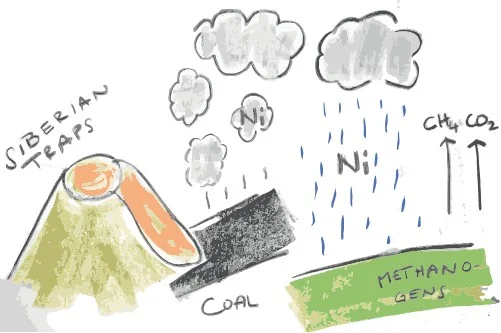
Earth’s history is punctuated by extreme events known as mass extinctions. The End-Permian extinction, 252 million years ago, is believed to be the biggest, killing 90 % or more of all species – no wonder it is also called “The Great Dying”. The big question out there is to understand what caused it, but it …[Read More]
New species of ‘river dolphin’ reveals their ancient marine origins
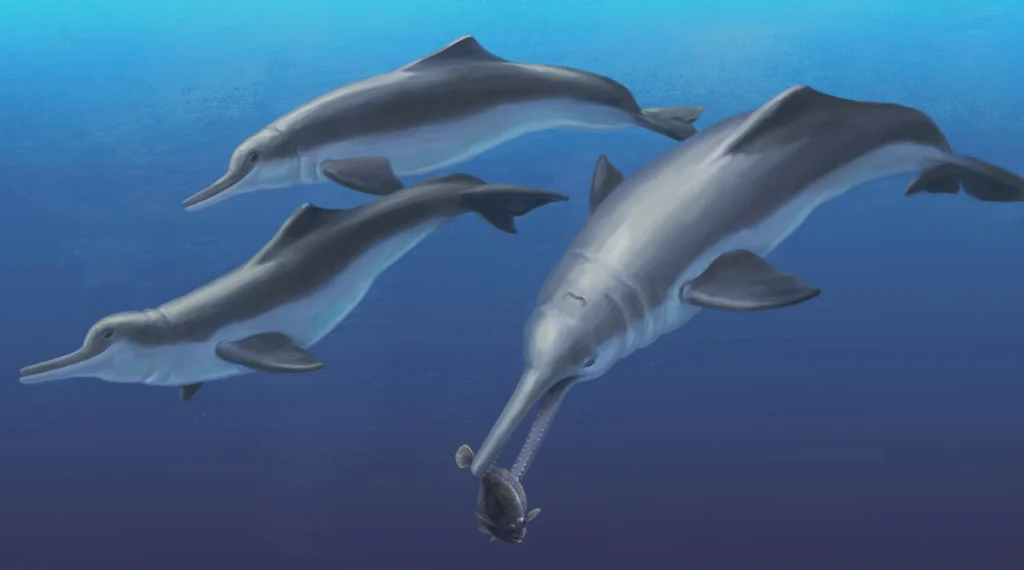
A new species of extinct dolphin closely related to modern Amazonian ‘river dolphins’, but which dwelled in ancient oceans, is helping to solve the mystery of how and when dolphins adapted for life away from the sea. Freshwater dolphins are endangered, largely due to human activity. In modern ecosystems, only five or six species remain, …[Read More]
New open science competition through ARCS
The ARCS (Advancing Research Communication and Scholarship) have launched a new ‘open scholarship’ competition. The aim is simple: describe your ‘open science story’, and you could win $1000! In particular, the competition is aimed at finding success stories – how has practicing any form of open science helped you advance or enhance your career in …[Read More]