NH
Natural Hazards

Climate Change

From Classroom to Community: Bridging Disaster Risk Reduction Education with the Real World Through Service-Learning
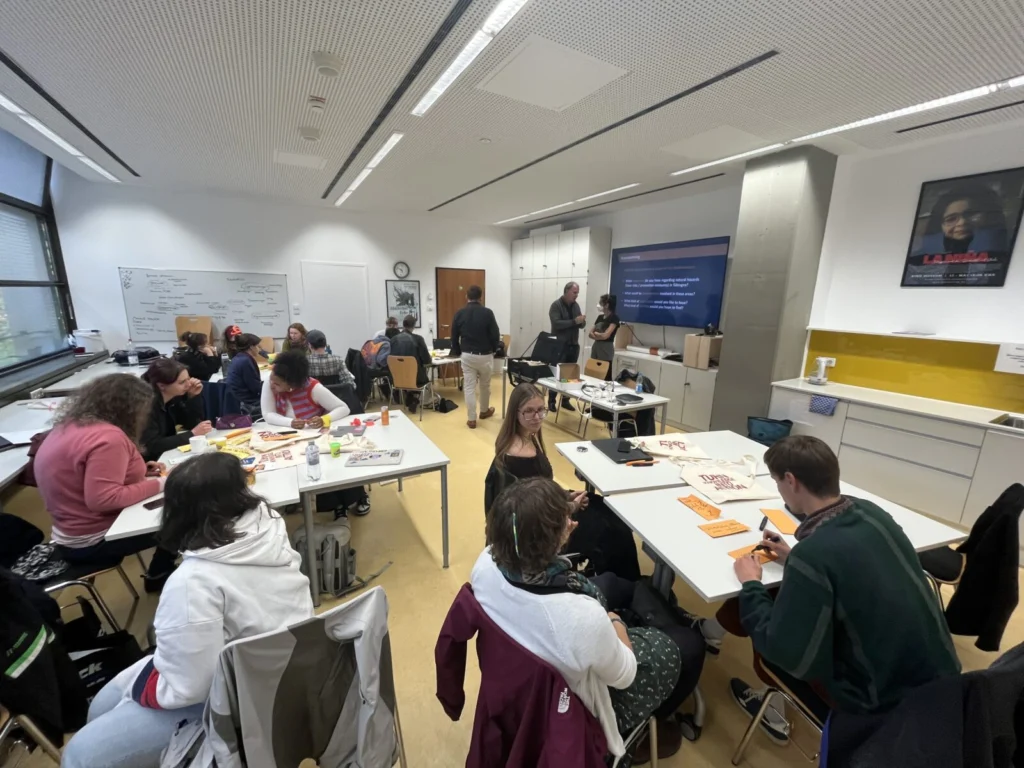
From Classroom to Community: Bridging Disaster Risk Reduction Education with the Real World Through Service-Learning
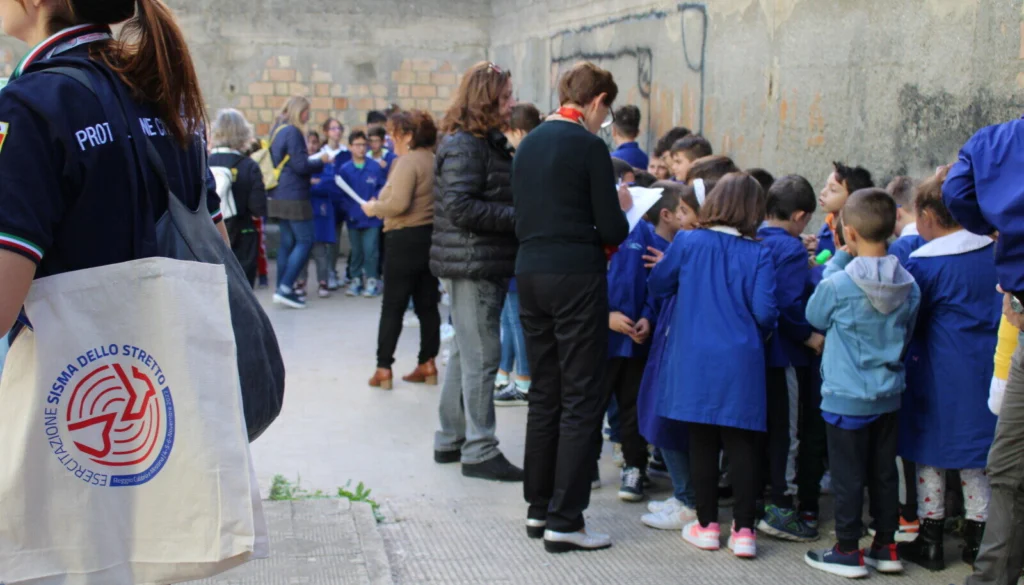
This week, we turn our attention to education and collaboration in Disaster Risk Reduction (DRR). Dr. Solmaz Mohadjer has been leading an innovative Service-Learning course that brings students together with non-profit organisations working at the forefront of risk reduction. The course not only introduces students to the complexities of disasters and resilience but also creates …[Read More]

Trans-Border Mountainous Areas: Zones of Conflict or Cooperation Amid Natural and Man-Made Hazards?

Trans-Border Mountainous Areas: Zones of Conflict or Cooperation Amid Natural and Man-Made Hazards?

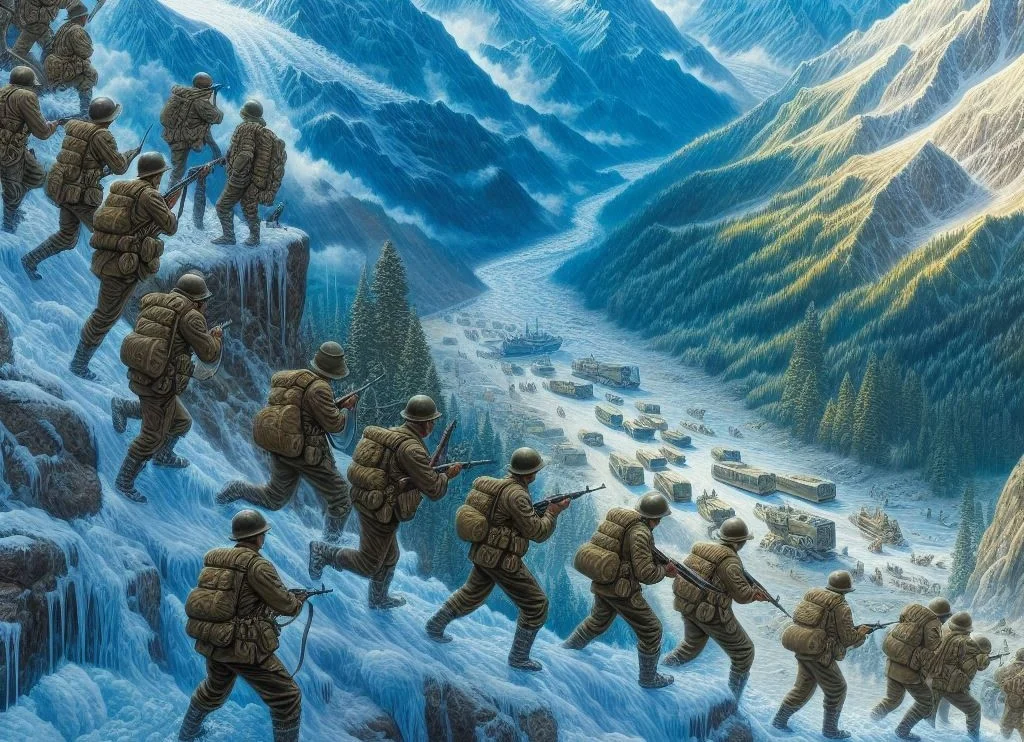
Mountain ranges have long served as natural boundaries, shaping the geopolitical landscape of nations. However, these towering landmarks often straddle borders, creating zones of cooperation or, more frequently, contention. From the Mont Blanc massif in Europe to the young, fragile ranges of the Himalayas, mountainous regions are fraught with overlapping challenges, including natural hazards, climate …[Read More]

Education and Awareness as Pillars for a Disaster-Resilient Future – An Interview with Marina Morando, Programme Director at CIMA Research Foundation

Education and Awareness as Pillars for a Disaster-Resilient Future – An Interview with Marina Morando, Programme Director at CIMA Research Foundation

This year, the International Day for Disaster Risk Reduction, observed on October 13th, emphasises the crucial role of education in mitigating disaster risks. In this insightful interview, we have the pleasure of discussing this important topic with Engineer Marina Morando, Programme Director at the CIMA Research Foundation in Italy. She brings extensive research and operational …[Read More]

Navigating the Ongoing and Predicted Disaster of Rio Grande do Sul (Brazil): Career and Insights with Expert Prof. Enner

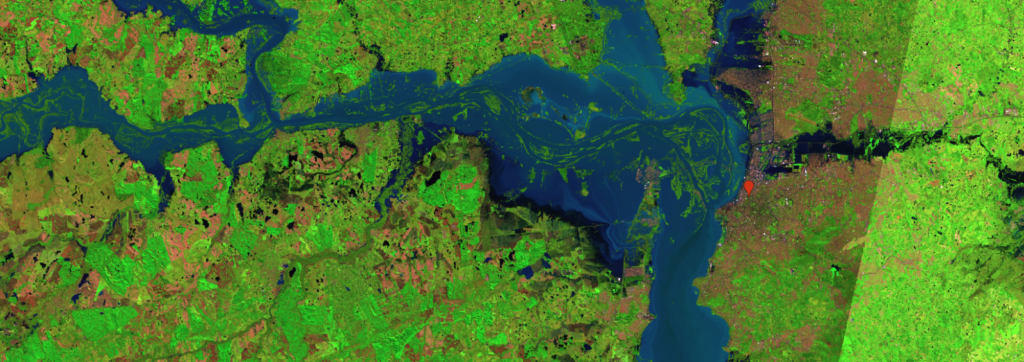
Severe flooding that left the metropolitan region of Porto Alegre, the capital of Rio Grande do Sul, Brazil, submerged.

We are honoured to hear from Dr. Enner Alcântara, Professor at the São Paulo State University (UNESP) and leader of the Remote Sensing, Spatial Analysis, Environmental Modelling and Natural Disasters Research Group. His research in remote sensing has played a crucial role in recognising, managing and mitigating the impacts of disasters, bringing out significant contributions. …[Read More]

A symphony of uncertainties: exploring the interplay between climate hazards and human societies

A symphony of uncertainties: exploring the interplay between climate hazards and human societies

Climate hazards are manifestations of the Earth’s complex climatic systems. As natural events, they have always occurred, yet changes in the global climate increase the frequency and intensity of extremes and their impact on the built environment and people. Predicting the nature, scale, and location of climate hazards and their complex interplays with anthropogenic factors …[Read More]

Environmental (non-)migration: Whose security is at stake?

Environmental (non-)migration: Whose security is at stake?

Migration is commonly perceived as a strategic response to address the repercussions of environmental threats and climate change. The International Organization for Migration defines ‘environmental migrants’ as those individuals who alter their place of residence due to a sudden or progressive change in the environment that adversely affects their lives or living conditions. Conversely, those …[Read More]