NH
Natural Hazards

Hazard management

Navigating the Ongoing and Predicted Disaster of Rio Grande do Sul (Brazil): Career and Insights with Expert Prof. Enner
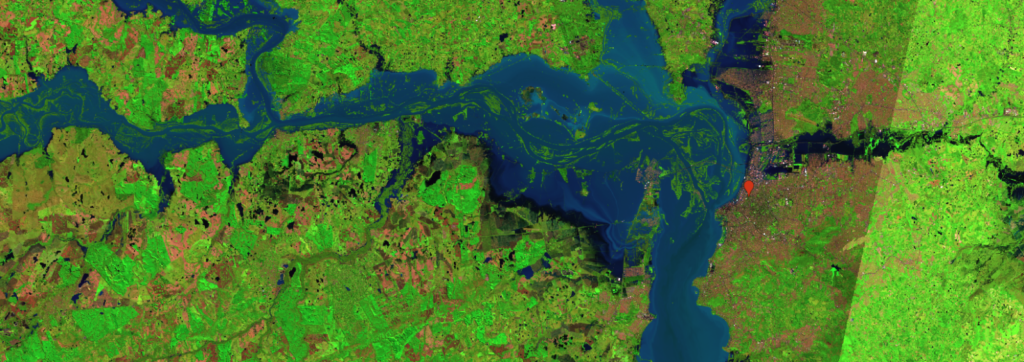
Severe flooding that left the metropolitan region of Porto Alegre, the capital of Rio Grande do Sul, Brazil, submerged.

We are honoured to hear from Dr. Enner Alcântara, Professor at the São Paulo State University (UNESP) and leader of the Remote Sensing, Spatial Analysis, Environmental Modelling and Natural Disasters Research Group. His research in remote sensing has played a crucial role in recognising, managing and mitigating the impacts of disasters, bringing out significant contributions. Today, we’ll ex ...[Read More]

From compound extremes to risk perception: conversations with the EGU Natural Hazards Division 2023 Early Career Scientist Award Winner

From compound extremes to risk perception: conversations with the EGU Natural Hazards Division 2023 Early Career Scientist Award Winner

I am pleased to interview Professor Ankit Agarwal from the Indian Institute of Technology, Roorkee. He specialises in hydro-meteorological (compound) extremes and complex networks and has been awarded the prestigious 2023 NH Division Outstanding Early Career Scientist award. Thank you, Ankit, for your time and for talking with us about your field of research.   1. Can you tell us more about y ...[Read More]

Understanding and assessing hydrological extremes, a discussion with Alberto Viglione

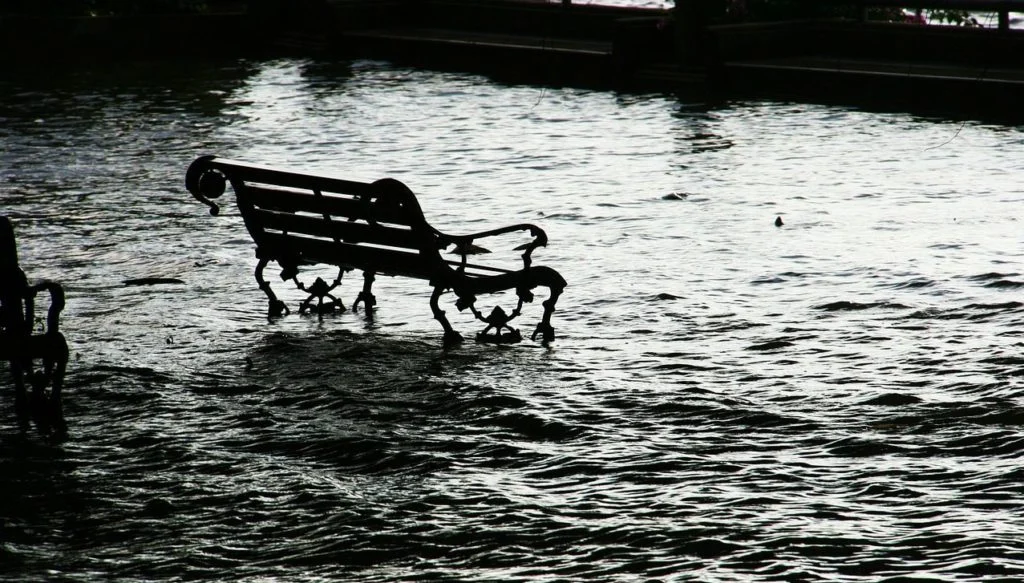
Photo credit: Image by Dean Moriarty from Pixabay (Pixabay License)

Extreme hydrological events affect billions of people worldwide, and their negative impacts will likely increase due to climate change, urbanisation and ageing infrastructure. Further understanding of hydrological extremes and societal responses to floods is critical in mitigating flood risk and creating better urban environments. In today’s interview, we talk with Prof. Alberto Viglione. Al ...[Read More]

Unravelling the Complex Drivers of Wildfires in the Era of Climate Change

Unravelling the Complex Drivers of Wildfires in the Era of Climate Change

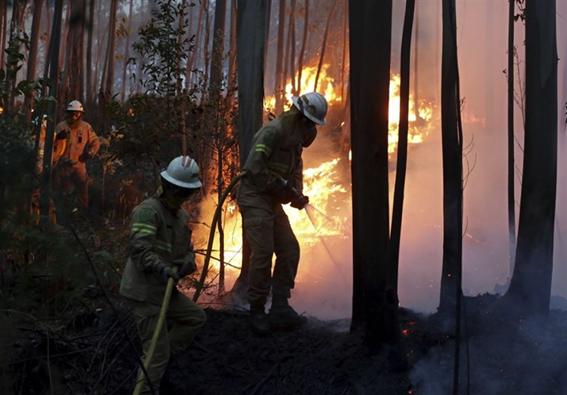
In the last decades, the strength of climate change has been evident across the globe in many weather and climate extremes occurrences, including heatwaves and droughts. Those events are involved in all fire stages and influence all aspects of the fire regime [1].    Climate change is driving unprecedented wildfire in the Mediterranean region  The Mediterranean region is a climate change hots ...[Read More]

Reducing housing vulnerability to natural hazards – Interview with Dr Eefje Hendriks

Reducing housing vulnerability to natural hazards – Interview with Dr Eefje Hendriks

The impact of natural hazards on vulnerable communities can be devastating, causing fatalities, damaging houses and livelihoods, and pushing people into poverty. These disasters make them even more vulnerable. A growing line of research identifies actions and tools to reduce vulnerability and make communities more resilient. An interesting and crucial part of this research investigates the role of ...[Read More]

Life with dust: its impacts and how to catch it

Life with dust: its impacts and how to catch it

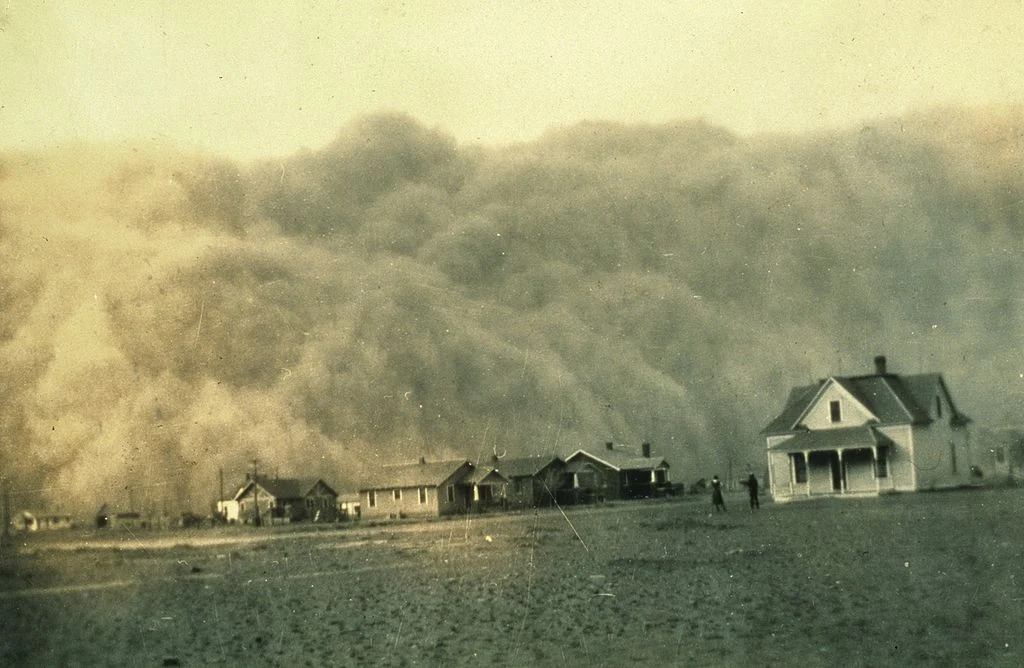
In today’s interview, we have the pleasure to meet Dr Slobodan Nickovic, who won the prestigious 2022 Plinius Medal. Slobodan is a research consultant at the Republic Hydrometeorological Service of Serbia, and at the Institute of Physics in Belgrade, Serbia. Throughout his career, he worked for national and international educational, scientific, and operational institutions including the Uni ...[Read More]

Who’s afraid of Natech?

Who’s afraid of Natech?

Natural hazards that impact industrial sites and result in technological accidents, causing the release of hazardous substances, are referred to as Natech events. In the popular imagination, Natech accidents are triggered by major natural hazard events. However, experience tells us that low magnitude natural events, such as lightning or heavy rains, are sufficient to cause enormous adverse effects ...[Read More]

Building a risk-aware culture

Building a risk-aware culture

Mahatma Gandhi once said, “The future depends on what you do today”. In the past months, we have witnessed extreme weather events, wildfires, earthquakes, and volcanic activity in different parts of the world. Although this activity is ordinary for a living planet like Earth, it can disturb the modern way of living and put people at risk. Even for the events that can be predicted with a higher deg ...[Read More]

Natural Hazards 101: Forecasting and modelling

Natural Hazards 101: Forecasting and modelling

With the Natural Hazards 101 series, we mean to bring our readers closer to the terminology often used in the field of natural hazards, but that may not be so familiar. In the first episode of the series, we focused on the definition of hazard and natural hazard. We moved then to the concept of risk, which brought us to define exposure and vulnerability. Later on, we digested the disaster terminol ...[Read More]

Artificial intelligence for disaster management: that’s how we stand

Artificial intelligence for disaster management: that’s how we stand

On the 23rd of June, I participated in the Second Workshop for AI (Artificial Intelligence) for Natural Disaster Management that hosted around 400 scientists, UN advisors, practitioners and policymakers from all over the world interested in machine learning for supporting disaster prediction and early warning. AI is not my research area; however, I have always been interested in the new advances t ...[Read More]