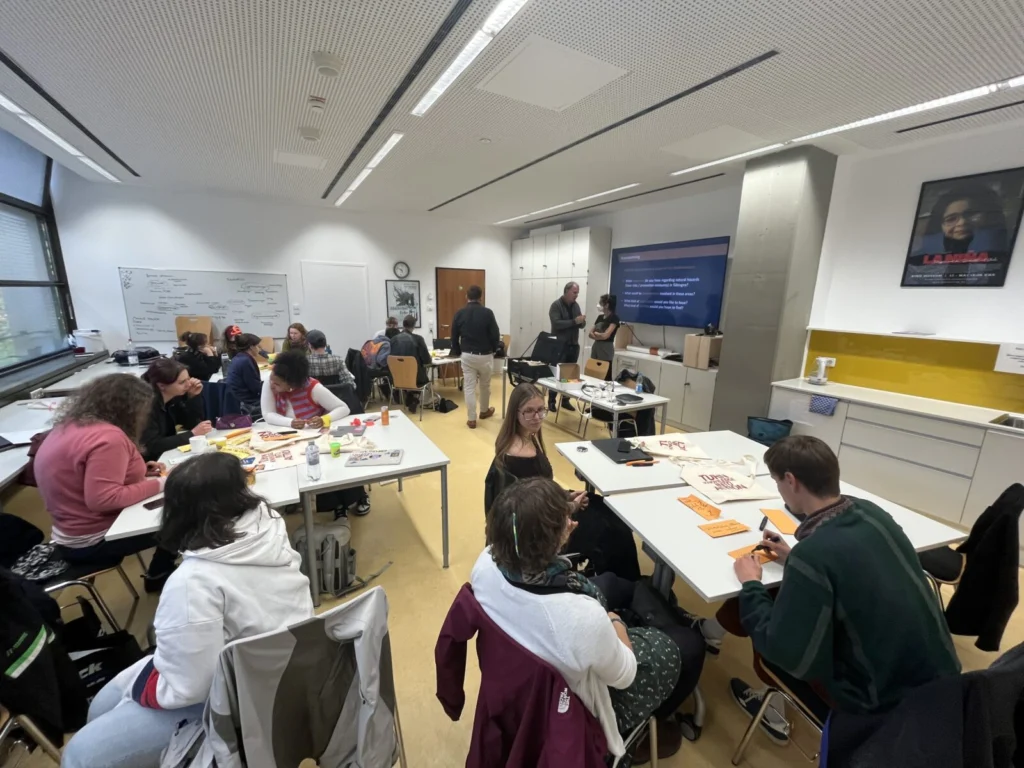
This week, we turn our attention to education and collaboration in Disaster Risk Reduction (DRR). Dr. Solmaz Mohadjer has been leading an innovative Service-Learning course that brings students together with non-profit organisations working at the forefront of risk reduction. The course not only introduces students to the complexities of disasters and resilience but also creates …[Read More]
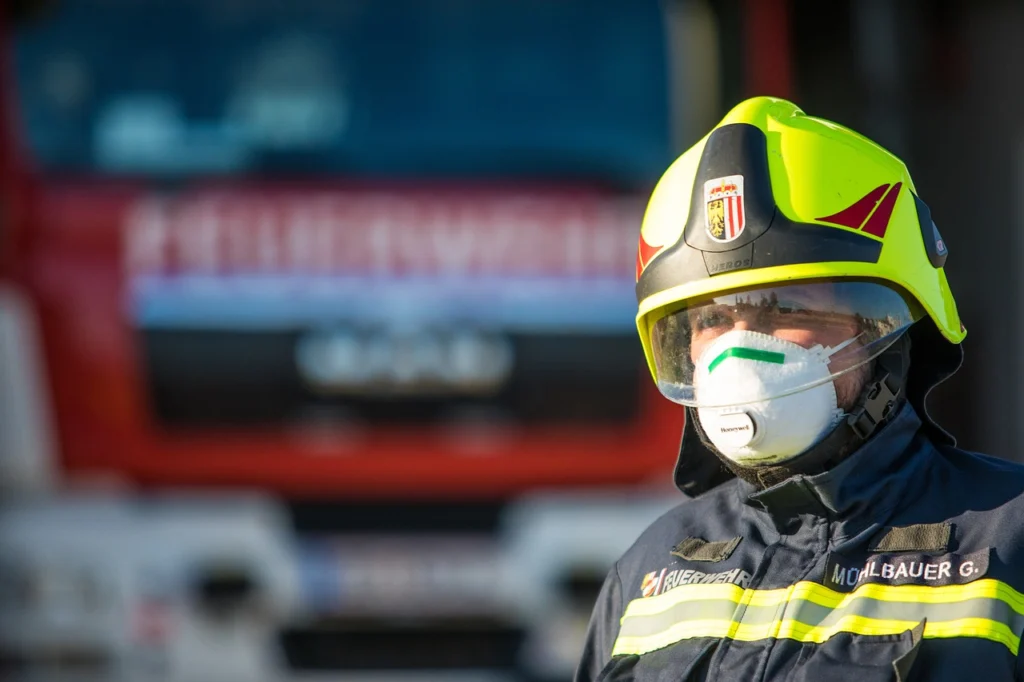
Emergency response
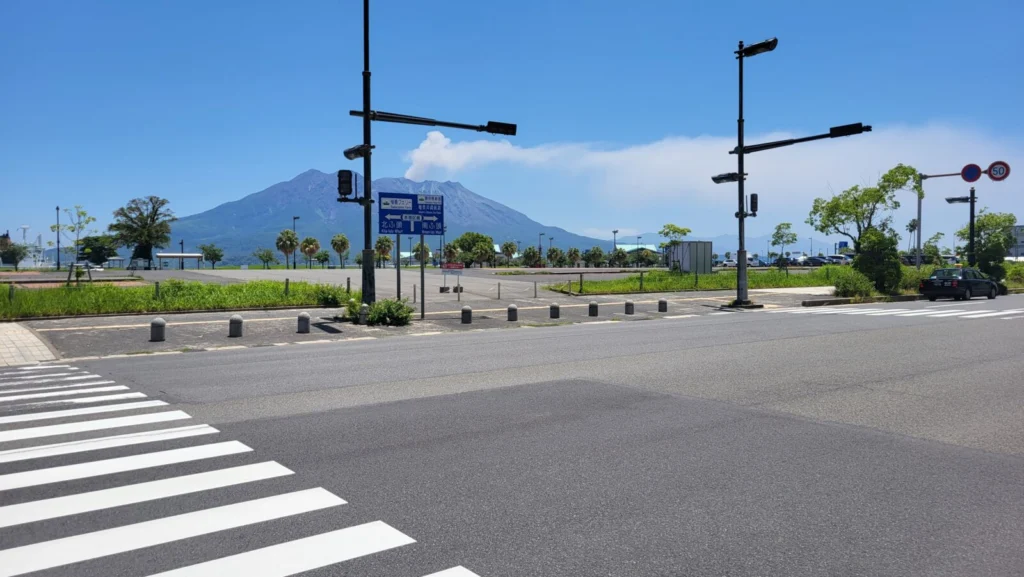
If a Resilient City Had a Face: It Might Look Like Kagoshima
As natural hazard scientists, we often emphasise the concept of exposure – how much people, infrastructure, and ecosystems are in harm’s way when close to natural hazard sources (e.g., floodplains, volcanoes, or fault lines). The closer you are, the higher the risk. Therefore, one of the main goals in natural risk assessment is to reduce …[Read More]
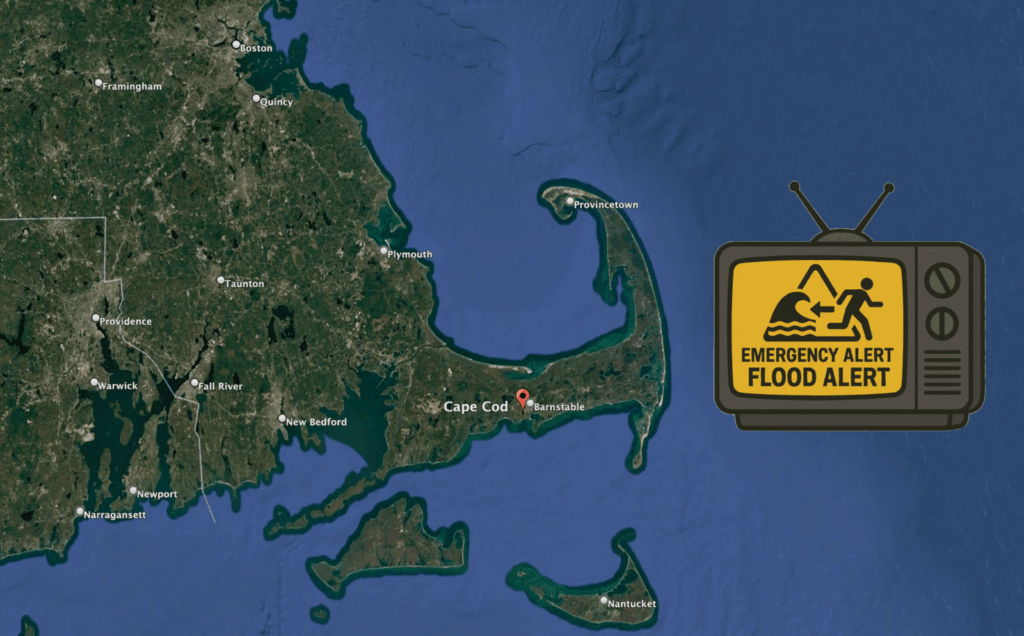
Be prepared, don’t be scared: Early Warning System Test during Thanksgiving on Cape Cod
This week I think back on my time in the United States of America, where I was able to spend the holiday season. In North America, “fall” marks the beginning of this holiday season, and symbolises a time filled with traditions of togetherness that transcends regions. In New England, particularly in the state of Massachusetts, …[Read More]
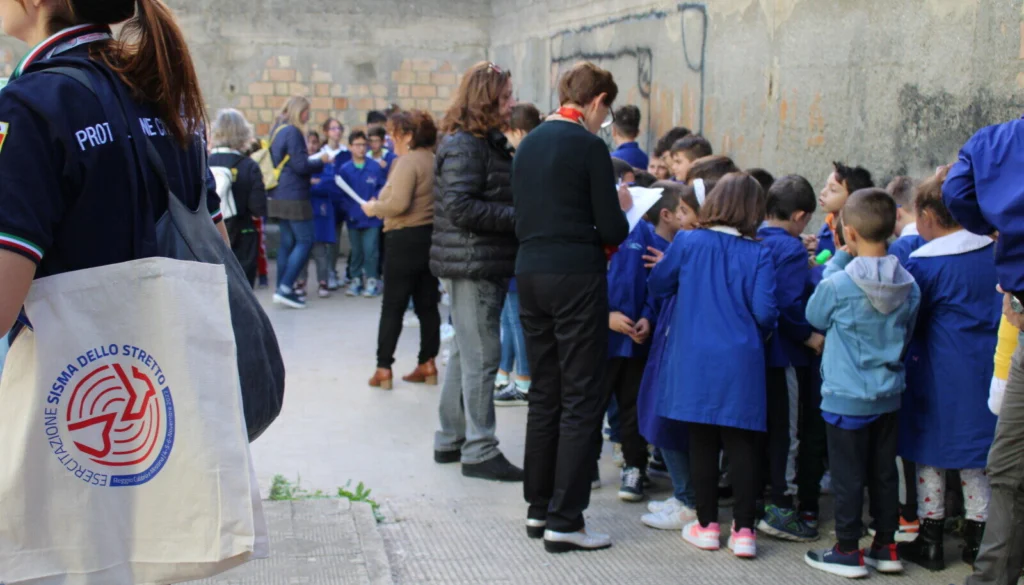
Education and Awareness as Pillars for a Disaster-Resilient Future – An Interview with Marina Morando, Programme Director at CIMA Research Foundation
This year, the International Day for Disaster Risk Reduction, observed on October 13th, emphasises the crucial role of education in mitigating disaster risks. In this insightful interview, we have the pleasure of discussing this important topic with Engineer Marina Morando, Programme Director at the CIMA Research Foundation in Italy. She brings extensive research and operational …[Read More]
COVID-19 and natural hazards: a complex multi-risk scenario
COVID-19 has been a disruptive ‘tsunami’ that most countries were not prepared to handle. The pandemic has been representing a global slow-onset long-lasting disaster that has drastically challenged all emergency management systems worldwide. The pandemic slow-onset disaster has been characterized by a prolonged emergency phase with varying intensity levels, and a cyclic behavior, where the …[Read More]
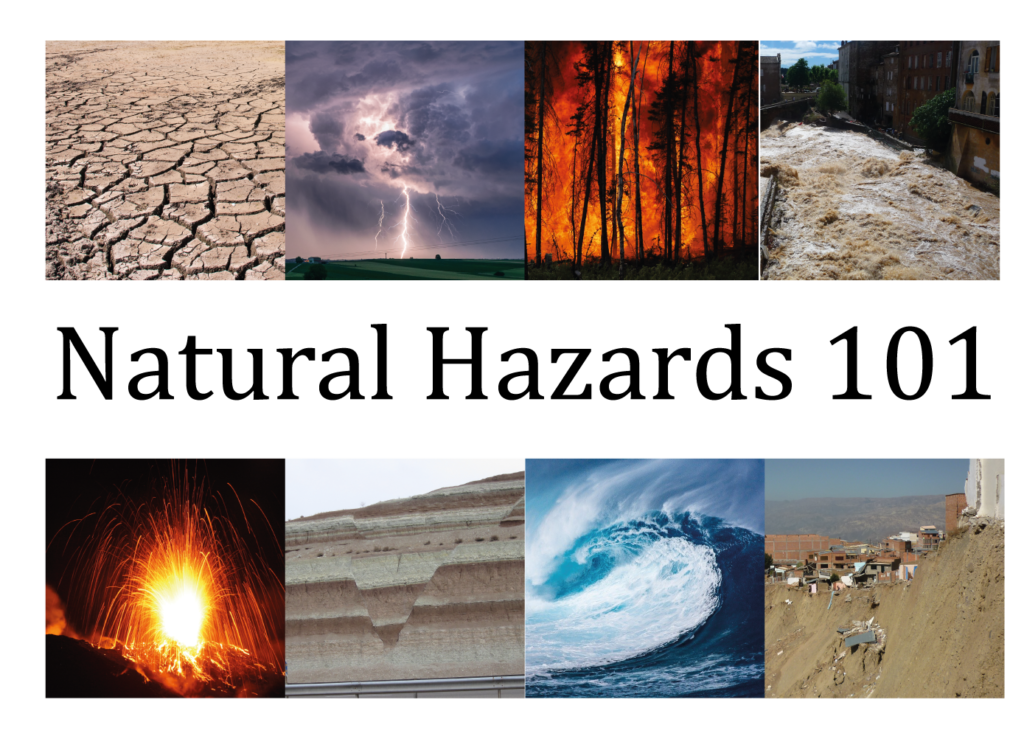
Natural Hazards 101: Forecasting and modelling
With the Natural Hazards 101 series, we mean to bring our readers closer to the terminology often used in the field of natural hazards, but that may not be so familiar. In the first episode of the series, we focused on the definition of hazard and natural hazard. We moved then to the concept of …[Read More]
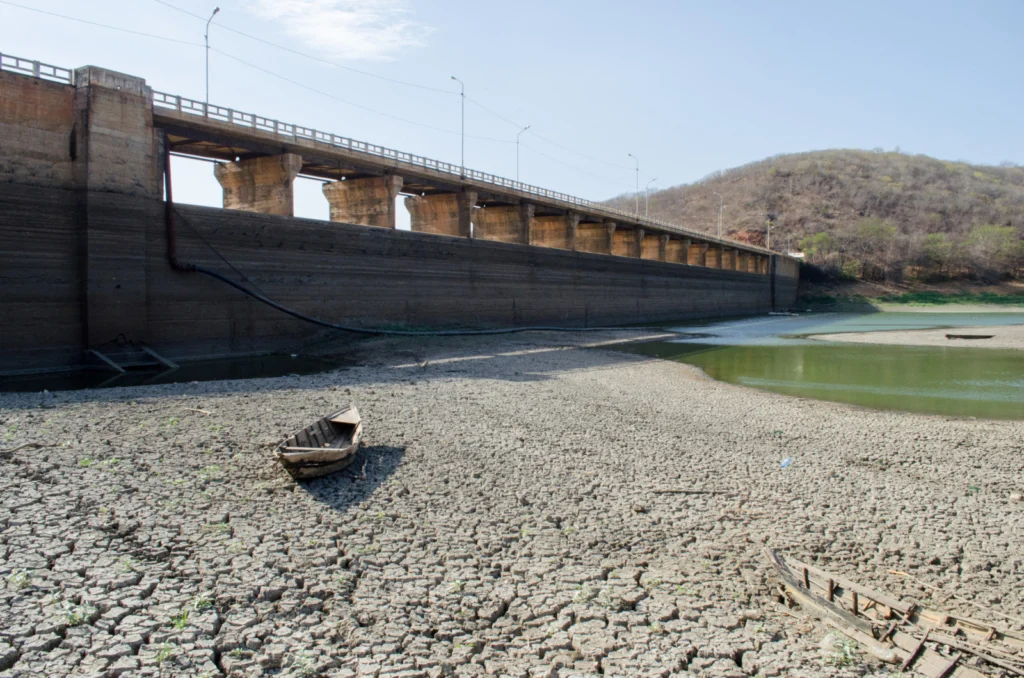
Diagnosing drought in northeast Brazil
Worldwide, drought has put lives and livelihoods under serious threat. People are increasingly suffering from drought, but we often also aggravate drought ourselves. Fortunately, solutions to drought problems are mainly in our own hands as well. Drought is not just a water problem. It is a societal problem. Droughts: a local problem with global …[Read More]