I am pleased to interview Professor Ankit Agarwal from the Indian Institute of Technology, Roorkee. He specialises in hydro-meteorological (compound) extremes and complex networks and has been awarded the prestigious 2023 NH Division Outstanding Early Career Scientist award. Thank you, Ankit, for your time and for talking with us about your field of research. 1. …[Read More]
Hydrology
The new President-elect of the EGU Natural Hazards Division: a talk with Heidi Kreibich
In today’s interview, we have the pleasure of talking with Dr Heidi Kreibich, lecturer at the Geography Department at Humboldt-Universität zu Berlin and head of the working group “Flood risk and climate adaptation” at the German Research Centre for Geosciences (GFZ). From her interest in investigating different types of flooding associated with complex physical and …[Read More]
Define and assess drought, the herculean challenge!
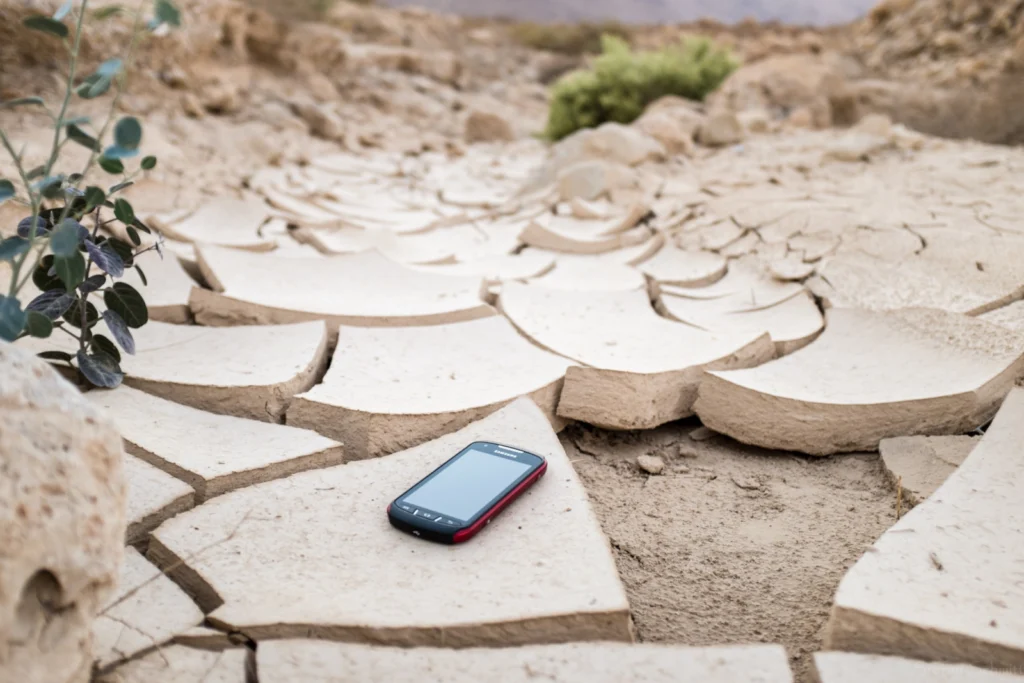
The frequency and intensity of drought periods have increased since the 1950s over most land areas [1]. In fact, between 1998 and 2017, drought was the sixth natural hazard associated with disasters (4.8% of the total number of disasters) but the second in terms of the total number of affected people (33% of the total …[Read More]
Tackling the leaks in the transport network with Maria Pregnolato
Transport networks are crucial to our lives, from commuting to work to reach health care facilities, from the transport of goods to leisure travelling. To quote Robin Chase, an American transport entrepreneur: “Transportation is […] the glue of our daily lives. When it goes well, we don’t see it. When it goes wrong, it negatively …[Read More]
Floods in the Anthropocene: the good, the bad and the ugly
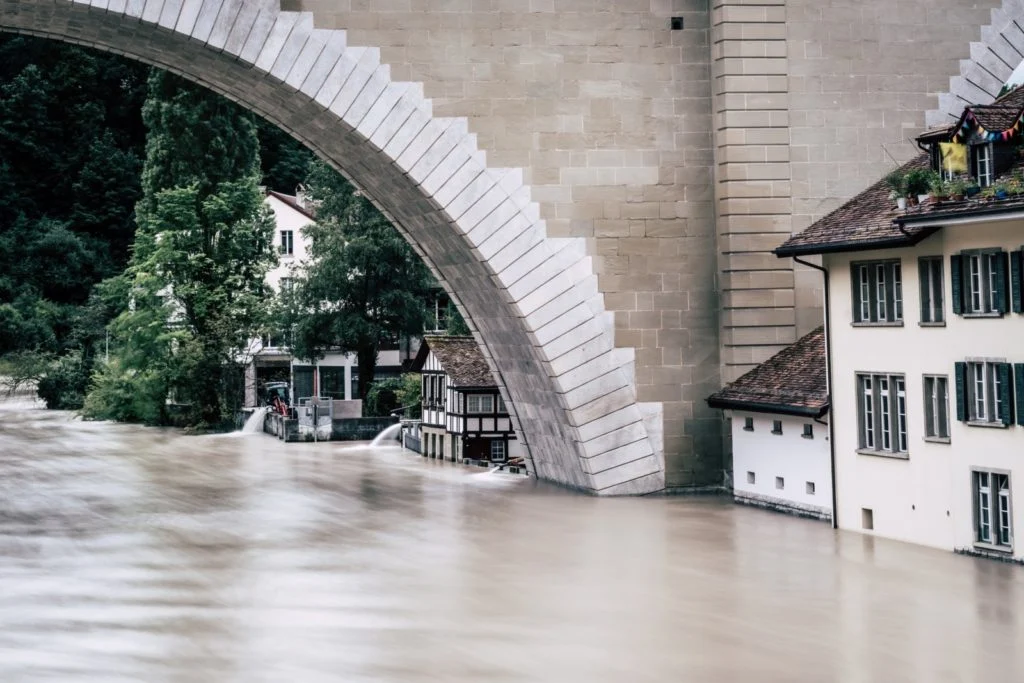
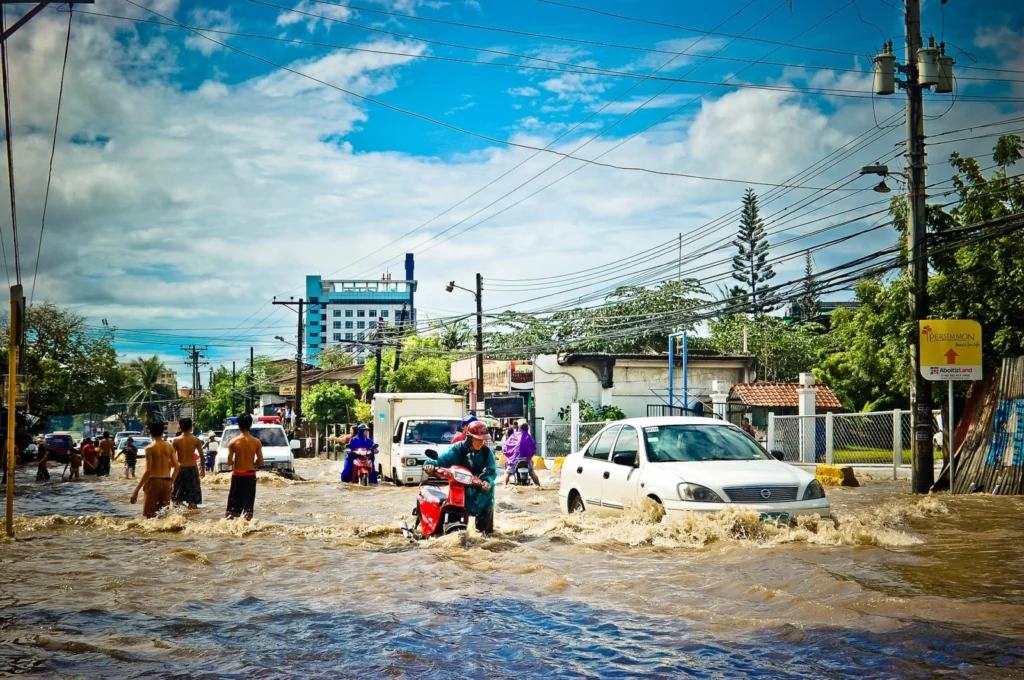
The interplay between human societies and floods dates back to Old World civilizations. Floodplains have provided the potential for prosperous agriculture and for the development of organised communities and urban cultures. Contextually, flood events have caused millions of fatalities and invaluable economic losses throughout history. Over the past decades, human activities have increasingly altered the …[Read More]
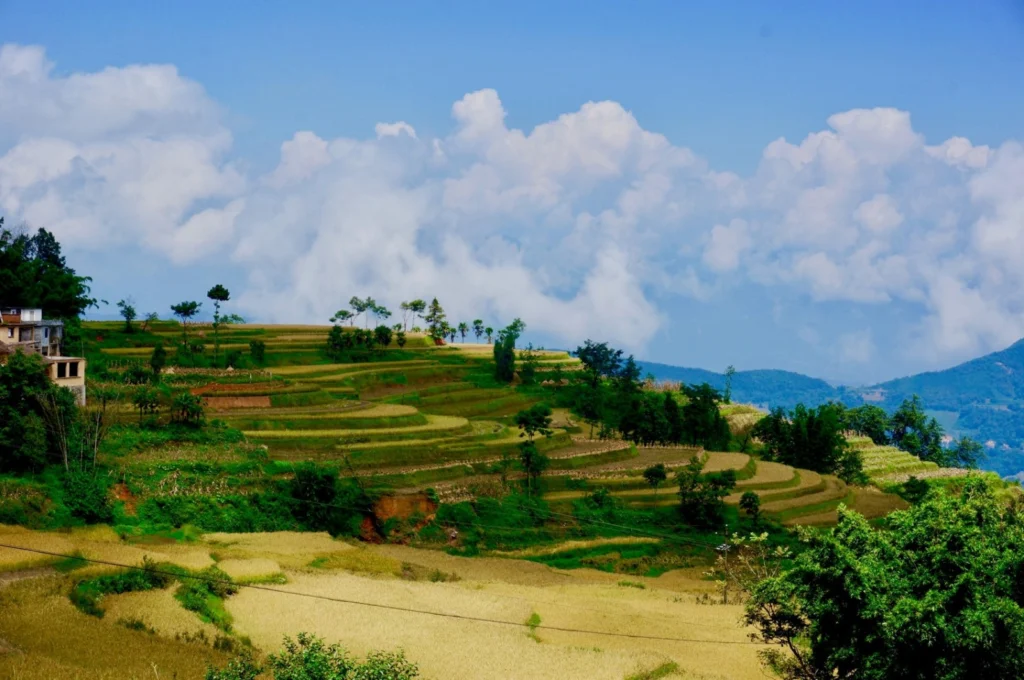
Climate Change: is Viticulture under threat?
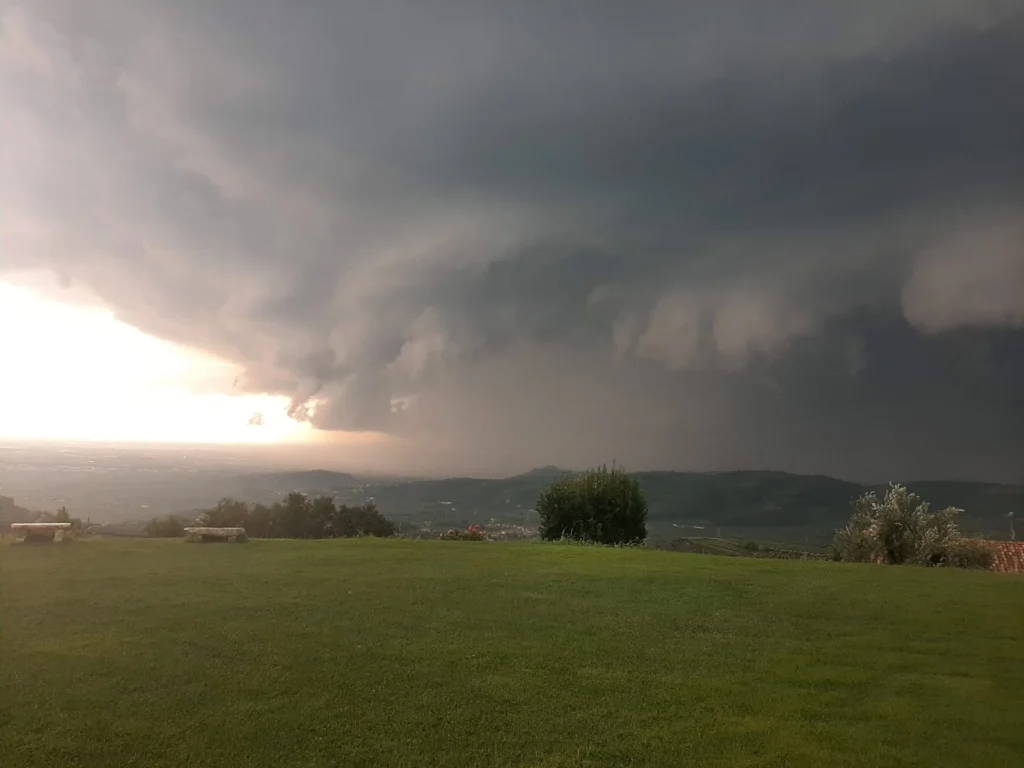
In the afternoon of August 29, 2020, an intense supercell, which is a thunderstorm characterized by the presence of a deep, persistently rotating updraft, affected the province of Verona in the north of Italy (Figure 1). It was not the first event of this kind; several other events, including tornado episodes, had already occurred during …[Read More]
Anthropogenic changes of the landscape and natural hazards
In this post, I had the pleasure to interview Paolo Tarolli, a very active member of the EGU community and a brilliant scientist. He is Professor in Water Resources Management and Integrated Watershed Management, and head of Earth Surface Processes and Society research group at the Università degli Studi di Padova (Italy). He has a …[Read More]
Job matchmaking in the water sector
Sooner or later in your career, you have turned lunch breaks, entire weekends or nights into a job search. Looking for a job can be like dating: it can either be an easy going match, quickly finding the right job position for you, or it might be a long and unsatisfying search over millions of …[Read More]
Heavy metals in industrial wastewater: hazardous waste or secondary resource?
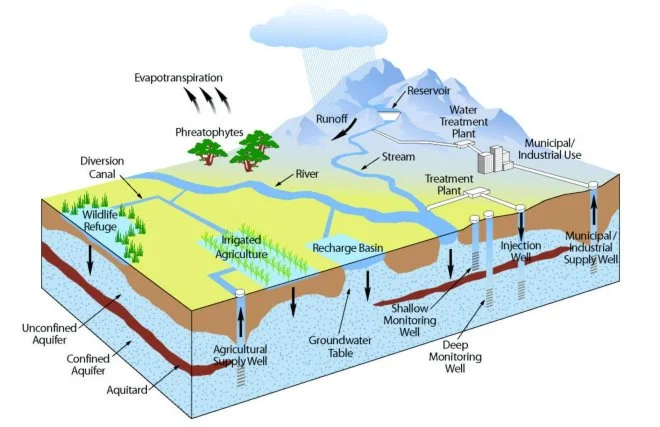
Not long ago on the blog, we have talked about natural groundwater quality triggered by geogenic factors and related hazards such as a high concentration of heavy metals. Today’s topic concerns the anthropogenic input of heavy metals into the water and how to tackle its effects efficiently. Industrial processes can lead to heavy metal-bearing …[Read More]
Natural Groundwater Quality: an underestimated and yet dangerous hazard.
Today I have the pleasure to interview Dr. Evangelos Tziritis, a brilliant scientist and a friend. He will talk to us about Natural groundwater quality hazard and its implications. This blog aim is to discuss Natural Hazards. Therefore, today we will focus on the natural component of water quality, disregarding anthropogenic sources. Evangelos is a …[Read More]