NH
Natural Hazards

Disaster risk reduction

When multiple hazards interact and the data doesn’t: The multi-hazard modelling problem nobody wants to talk about

There is a quiet contradiction at the heart of natural hazard science. The regions most exposed to multi-hazard events are precisely the regions where we know the least. The Global South (comprising lower- and middle-income countries in Africa, Asia, Latin America and the Caribbean) is disproportionately affected by climate-related natural hazards, yet it is largely …[Read More]

Knowing better, but still losing more: why disaster risk reduction breaks down

Knowing better, but still losing more: why disaster risk reduction breaks down

The surviving house in Pacific Palisades became one of the most discussed images from the 2025 California wildfires (Fig. 1). What makes it scientifically interesting, though, is not that it survived. It is that many of the features associated with the house’s survival – a more fire-resistant exterior, stronger windows, and details that reduce ember …[Read More]

From Classroom to Community: Bridging Disaster Risk Reduction Education with the Real World Through Service-Learning

From Classroom to Community: Bridging Disaster Risk Reduction Education with the Real World Through Service-Learning

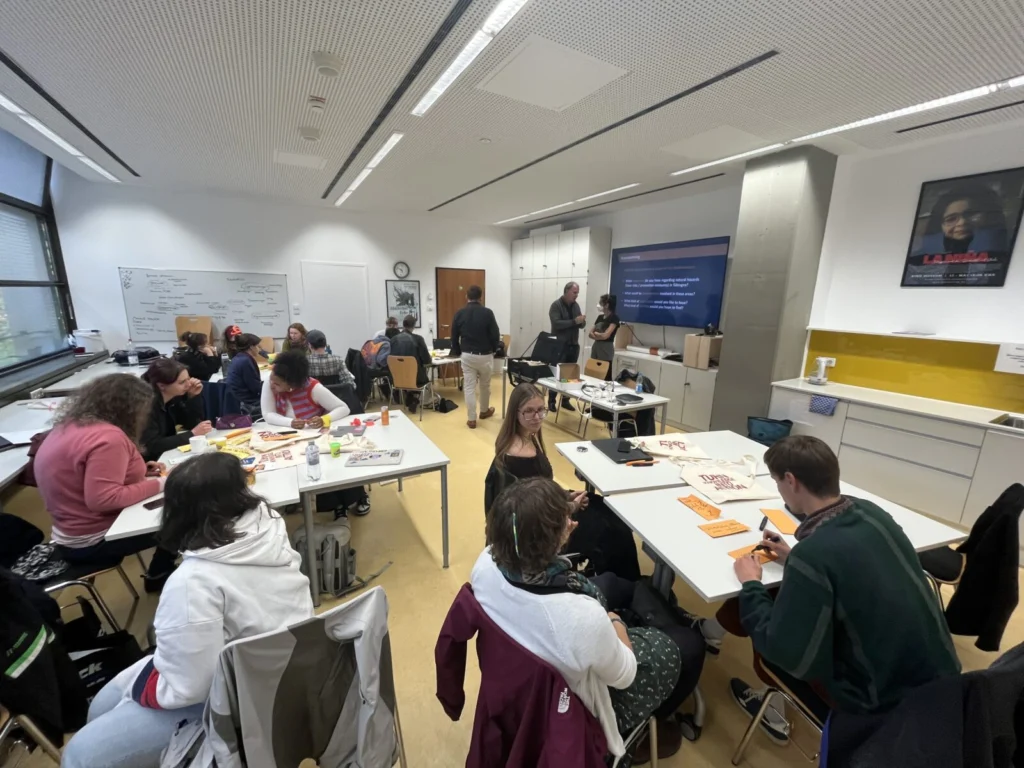
This week, we turn our attention to education and collaboration in Disaster Risk Reduction (DRR). Dr. Solmaz Mohadjer has been leading an innovative Service-Learning course that brings students together with non-profit organisations working at the forefront of risk reduction. The course not only introduces students to the complexities of disasters and resilience but also creates …[Read More]

Disaster Risk Reduction in Humanitarian Action – An interview with Gözde Kazaz from Hayata Destek (Support to Life)

Disaster Risk Reduction in Humanitarian Action – An interview with Gözde Kazaz from Hayata Destek (Support to Life)

This summer, we participated in a Service-Learning course titled “Breaking the Cycle of Disaster, Response, Recover, and Repeat”. The course was developed by Solmaz Mohadjer and offered as part of the Transdisciplinary Course Program at the University of Tübingen, Germany. We were brought together from different disciplines to explore key factors that contribute to effective …[Read More]

No Resilience Without Trust – An interview with Janise Rodgers and Mary Antonette Beroya-Eitner from GeoHazards International

No Resilience Without Trust – An interview with Janise Rodgers and Mary Antonette Beroya-Eitner from GeoHazards International

This summer, we participated in a Service-Learning course titled “Breaking the Cycle of Disaster, Response, Recover, and Repeat”. The course was developed by Solmaz Mohadjer and offered as part of the Transdisciplinary Course Program at the University of Tübingen, Germany. We were brought together from different disciplines to explore key factors that contribute to effective …[Read More]

The Blatten landslide in Switzerland

The Blatten landslide in Switzerland

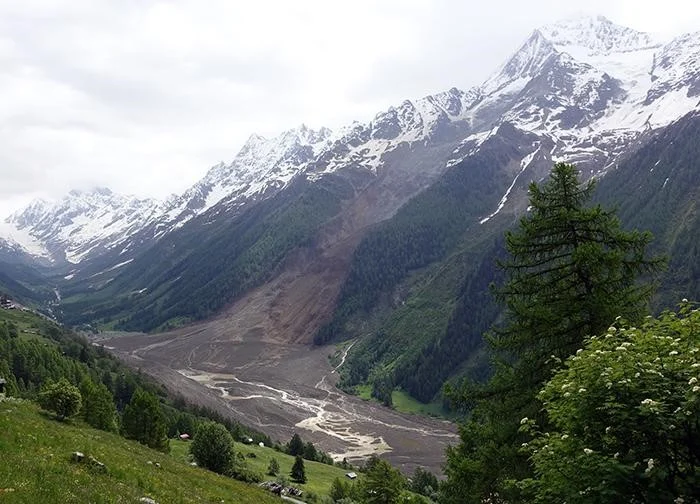
In the morning of May 28, 2025, the picturesque Swiss alpine village of Blatten sat quiet and serene in the Lötschen Valley. Exceptionally quiet, in fact, as the village was evacuated on May 19th after a local Natural Hazards expert spotted a worrisome change in a local mountain looming about the village, the Kleines Nesthorn: it was …[Read More]

The Geography of Multi-Hazards: Exploring Landscapes Prone to Hazard Cascades

The Geography of Multi-Hazards: Exploring Landscapes Prone to Hazard Cascades

Multi-hazards are “a selection of major hazards that a country faces, and specific contexts where hazards occur simultaneously, cascadingly, and accumulatively considering the interrelationships among them”, based on the UNSDRR definition [7]. Yet, this definition raises two key questions: Where are these specific contexts located, and what characteristics make them susceptible to intersecting hazards? When …[Read More]

Building Disaster Resilience Through Trust and Risk Awareness: Insights into Natural Hazards

Building Disaster Resilience Through Trust and Risk Awareness: Insights into Natural Hazards

Trust in institutions and scientific experts plays a pivotal role in Disaster Risk Reduction (DRR). This trust becomes even more critical for natural hazards—events often unpredictable and uncontrollable. Trust can shape individuals’ willingness to heed warnings, adopt precautionary measures, and participate in community preparedness initiatives. Conversely, distrust in institutions may lead to non-compliance, scepticism toward …[Read More]