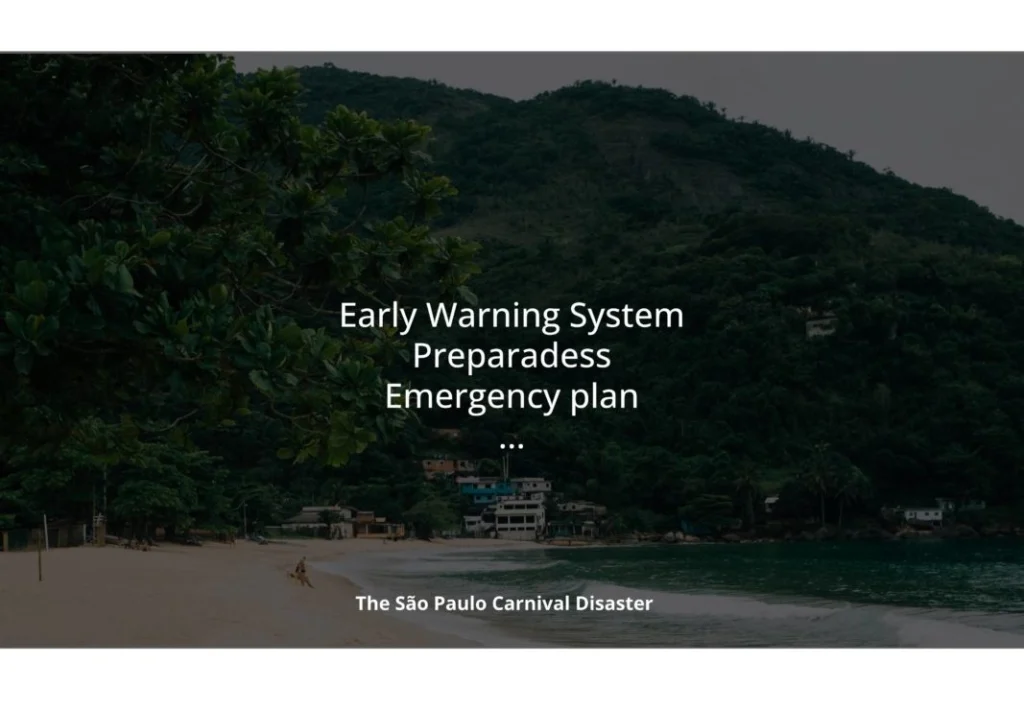
In February 2023, Brazil experienced its largest rainfall event on record, which devastated the northern coast of the state of São Paulo. This event caused landslides, floods, and numerous fatalities, making it even more tragic than previous disasters in the region, which already have been elaborated on in another blog post. The situation highlights the urgent need for effective emergency manageme ...[Read More]
Reducing housing vulnerability to natural hazards – Interview with Dr Eefje Hendriks
The impact of natural hazards on vulnerable communities can be devastating, causing fatalities, damaging houses and livelihoods, and pushing people into poverty. These disasters make them even more vulnerable. A growing line of research identifies actions and tools to reduce vulnerability and make communities more resilient. An interesting and crucial part of this research investigates the role of ...[Read More]
The new President-elect of the EGU Natural Hazards Division: a talk with Heidi Kreibich
In today’s interview, we have the pleasure of talking with Dr Heidi Kreibich, lecturer at the Geography Department at Humboldt-Universität zu Berlin and head of the working group “Flood risk and climate adaptation” at the German Research Centre for Geosciences (GFZ). From her interest in investigating different types of flooding associated with complex physical and anthropogenic ...[Read More]
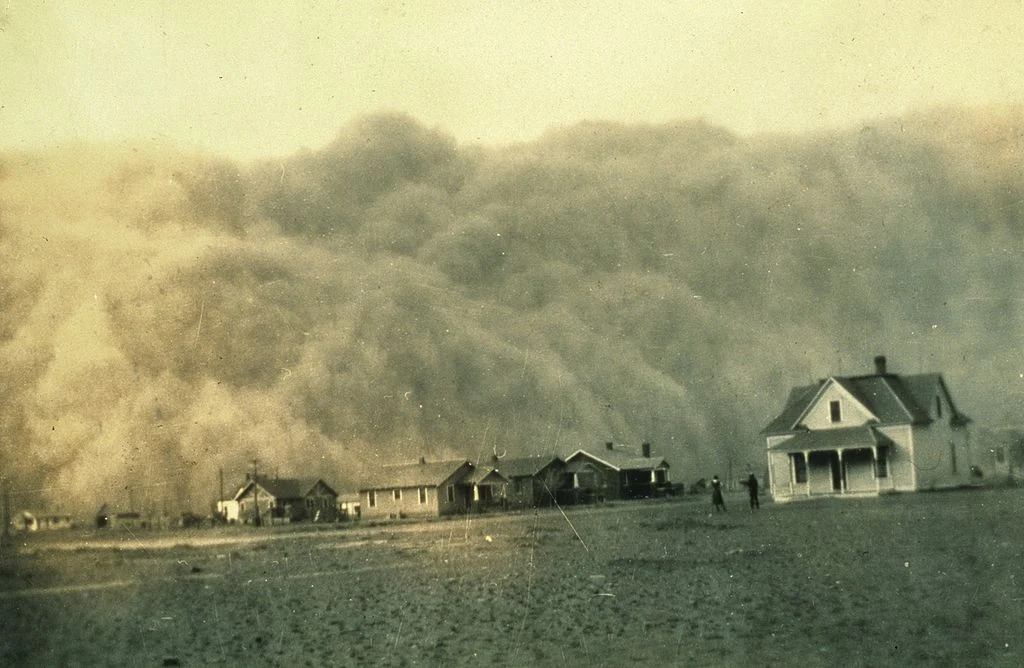
Life with dust: its impacts and how to catch it
In today’s interview, we have the pleasure to meet Dr Slobodan Nickovic, who won the prestigious 2022 Plinius Medal. Slobodan is a research consultant at the Republic Hydrometeorological Service of Serbia, and at the Institute of Physics in Belgrade, Serbia. Throughout his career, he worked for national and international educational, scientific, and operational institutions including the Uni ...[Read More]
Natural Hazards 101: Forecasting and modelling
With the Natural Hazards 101 series, we mean to bring our readers closer to the terminology often used in the field of natural hazards, but that may not be so familiar. In the first episode of the series, we focused on the definition of hazard and natural hazard. We moved then to the concept of risk, which brought us to define exposure and vulnerability. Later on, we digested the disaster terminol ...[Read More]
Mitigating Soil Erosion After Wildfires
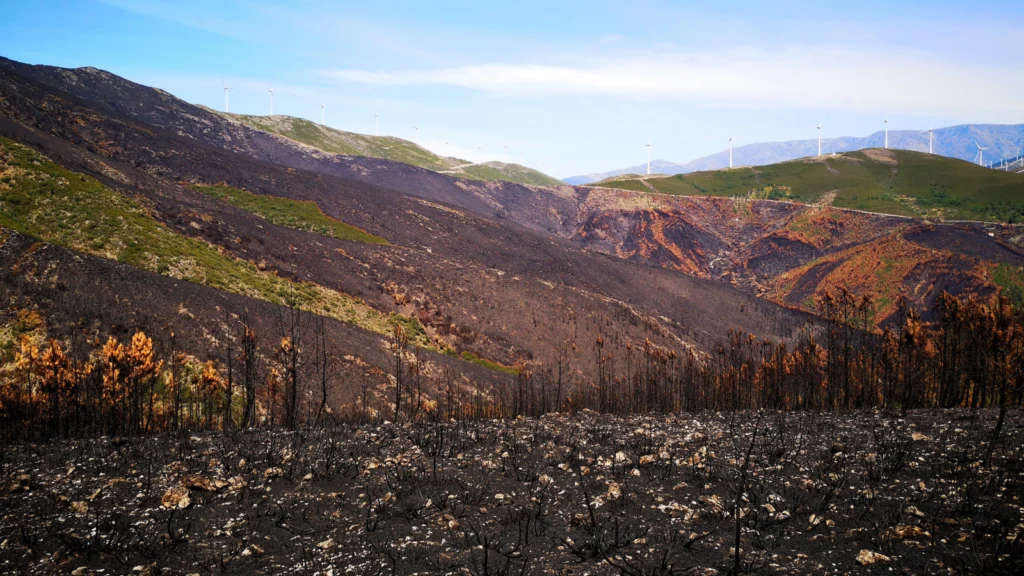
Wildfires are a natural element in many ecosystems and play a central role in their dynamics. For example, they clear forest floors and liberate nutrients that can replenish the soil. However, changes in fire regimes induced by anthropogenic factors (such as climate change and land uses) have resulted in fire patterns that harm ecosystems [1]. Let’s see together the issues and the mitigation solut ...[Read More]
LANDAWARE: the international network on landslide early warning systems
For today’s interview, it gives me great pleasure to host Dr Manfred Stähli, who will tell us about a new initiative in the field of Landslide Early Warning Systems (LEWS), which is attracting the attention and participation of researchers from many countries. This initiative is called LandAware. Manfred is a senior scientist in mountain hydrology, slope stability and early warning systems a ...[Read More]
Diagnosing drought in northeast Brazil
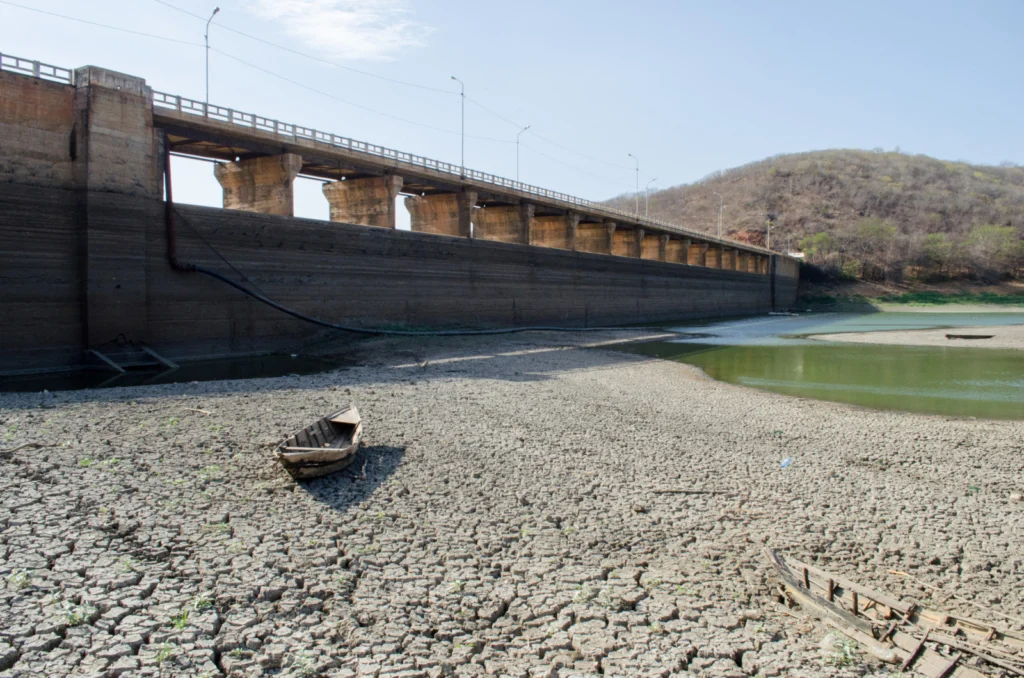
Worldwide, drought has put lives and livelihoods under serious threat. People are increasingly suffering from drought, but we often also aggravate drought ourselves. Fortunately, solutions to drought problems are mainly in our own hands as well. Drought is not just a water problem. It is a societal problem. Droughts: a local problem with global relevance In recent years, droughts seem to be ...[Read More]