NH
Natural Hazards

Adaptation

From Classroom to Community: Bridging Disaster Risk Reduction Education with the Real World Through Service-Learning
From Classroom to Community: Bridging Disaster Risk Reduction Education with the Real World Through Service-Learning
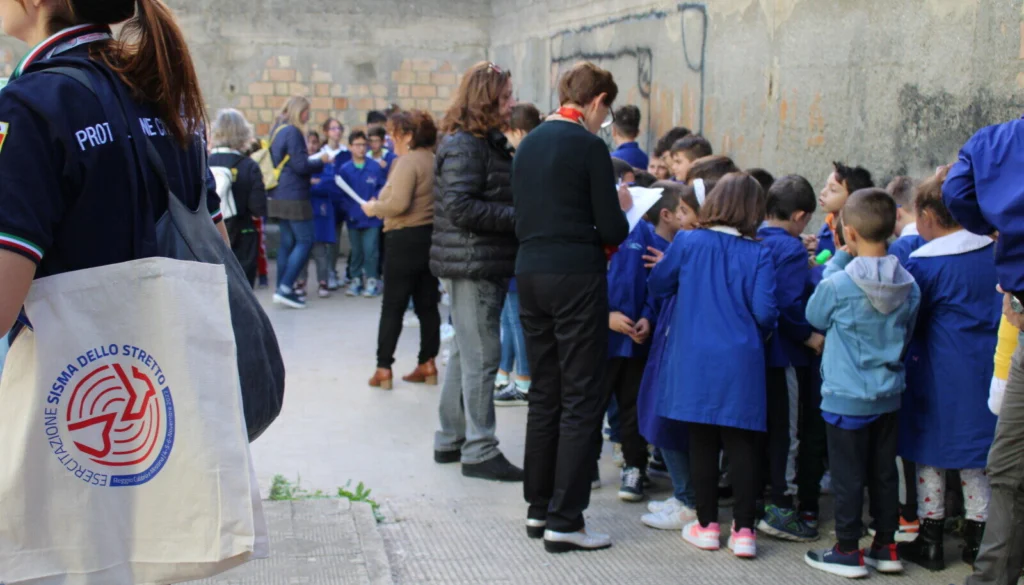
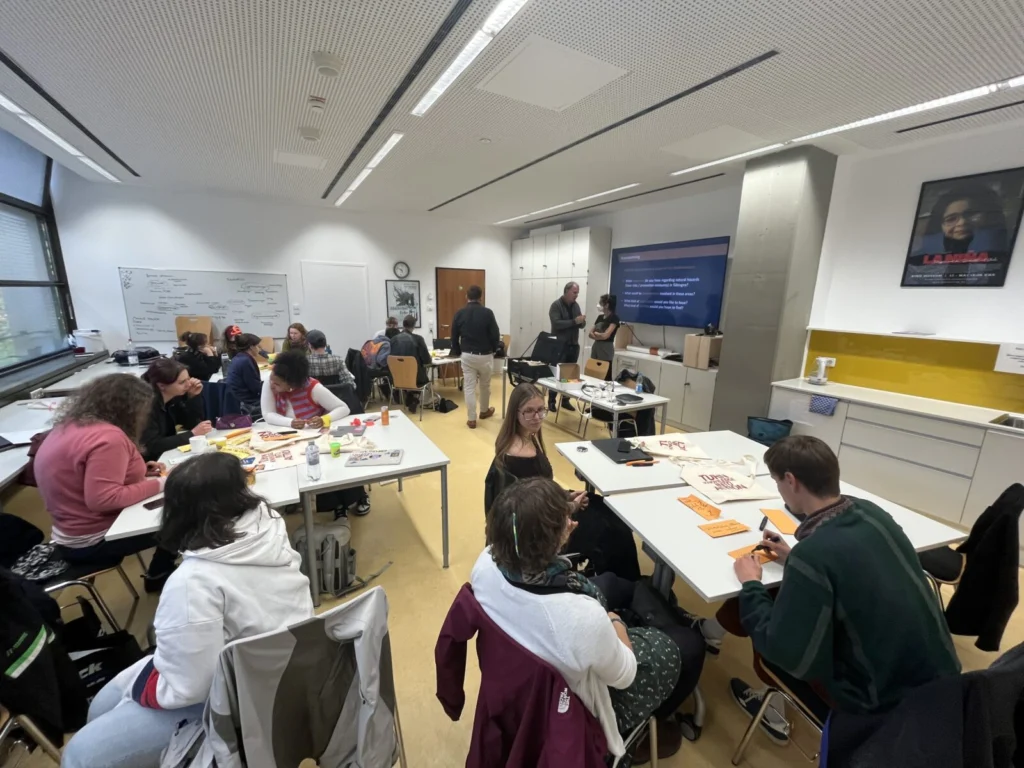
This week, we turn our attention to education and collaboration in Disaster Risk Reduction (DRR). Dr. Solmaz Mohadjer has been leading an innovative Service-Learning course that brings students together with non-profit organisations working at the forefront of risk reduction. The course not only introduces students to the complexities of disasters and resilience but also creates space for dialogue ...[Read More]

How is earthquake-driven sea-level rise changing our coasts?

How is earthquake-driven sea-level rise changing our coasts?

Coastal regions have always been at risk from natural hazards, but now, there’s an added layer of complexity. Earthquakes, which cause the land to move up or down, can significantly affect sea levels, especially in regions already experiencing the effects of climate change. Earthquakes can alter coastlines in ways that we’re still trying to understand, and it’s clear that tectonically active areas ...[Read More]

Be prepared, don’t be scared: Early Warning System Test during Thanksgiving on Cape Cod

Be prepared, don’t be scared: Early Warning System Test during Thanksgiving on Cape Cod

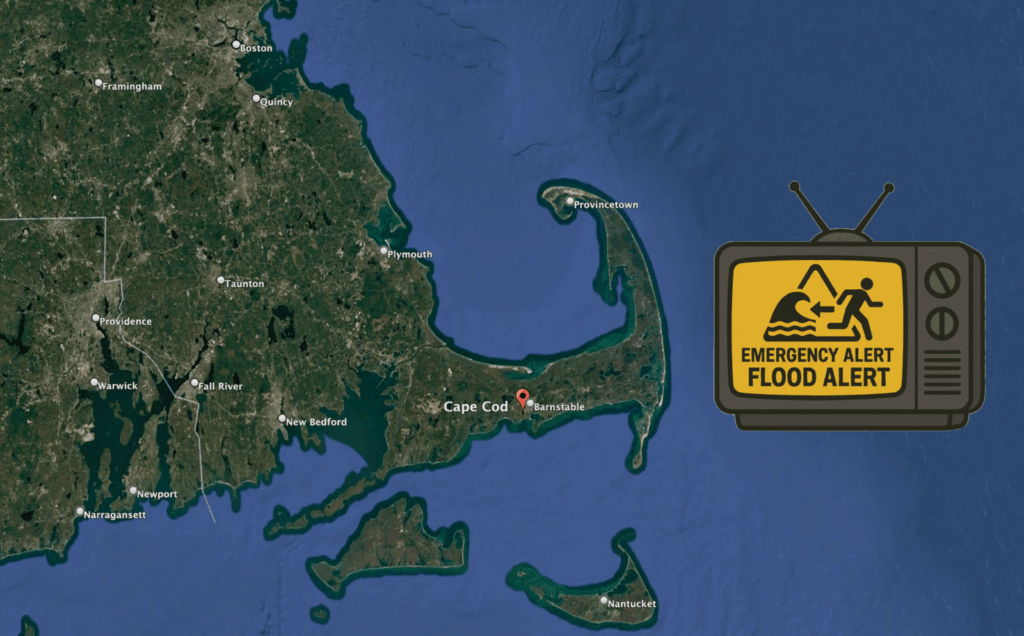
This week I think back on my time in the United States of America, where I was able to spend the holiday season. In North America, “fall” marks the beginning of this holiday season, and symbolises a time filled with traditions of togetherness that transcends regions. In New England, particularly in the state of Massachusetts, the season is synonymous with crisp air, vibrant foliage, and the celebr ...[Read More]

Trans-Border Mountainous Areas: Zones of Conflict or Cooperation Amid Natural and Man-Made Hazards?

Trans-Border Mountainous Areas: Zones of Conflict or Cooperation Amid Natural and Man-Made Hazards?

Mountain ranges have long served as natural boundaries, shaping the geopolitical landscape of nations. However, these towering landmarks often straddle borders, creating zones of cooperation or, more frequently, contention. From the Mont Blanc massif in Europe to the young, fragile ranges of the Himalayas, mountainous regions are fraught with overlapping challenges, including natural hazards, clim ...[Read More]

Education and Awareness as Pillars for a Disaster-Resilient Future – An Interview with Marina Morando, Programme Director at CIMA Research Foundation

Education and Awareness as Pillars for a Disaster-Resilient Future – An Interview with Marina Morando, Programme Director at CIMA Research Foundation

This year, the International Day for Disaster Risk Reduction, observed on October 13th, emphasises the crucial role of education in mitigating disaster risks. In this insightful interview, we have the pleasure of discussing this important topic with Engineer Marina Morando, Programme Director at the CIMA Research Foundation in Italy. She brings extensive research and operational experience in civi ...[Read More]

Environmental (non-)migration: Whose security is at stake?

Environmental (non-)migration: Whose security is at stake?

Migration is commonly perceived as a strategic response to address the repercussions of environmental threats and climate change. The International Organization for Migration defines ‘environmental migrants’ as those individuals who alter their place of residence due to a sudden or progressive change in the environment that adversely affects their lives or living conditions. Conversely, those who ...[Read More]

Earth Citizens and Natural Hazards: a few words from the perspective of our environment, the inhabited planet, Earth

Earth Citizens and Natural Hazards: a few words from the perspective of our environment, the inhabited planet, Earth

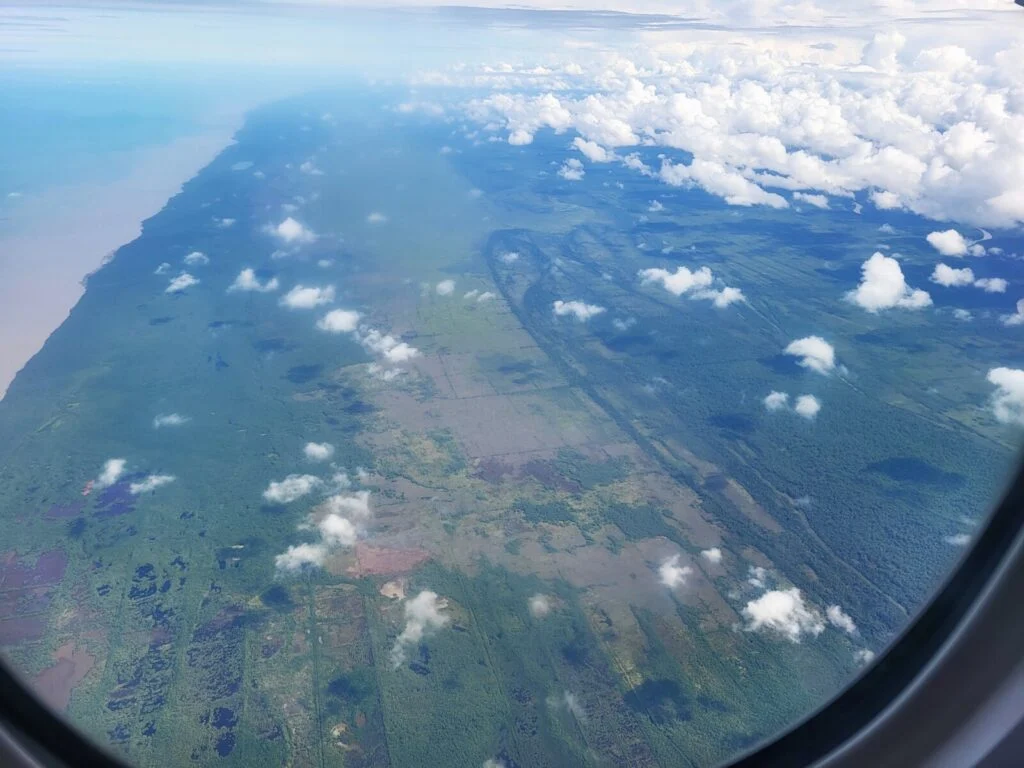
In January 2023, I visited the Amazon Forest in Suriname. During my visit, I met indigenous people known as the Saramaccers, a Maroon tribe residing in the heart of the Amazon Forest. I found it fascinating that the Saramaccers consider themselves an integral part of nature. Their motto is ‘If you respect nature, nature will be your friend and stand by you’. Nature extends a helping ha ...[Read More]

The 2023 Carnival disaster in São Paulo: an all time record for rainfall in Brazil

The 2023 Carnival disaster in São Paulo: an all time record for rainfall in Brazil

In February 2023, Brazil experienced its largest rainfall event on record, which devastated the northern coast of the state of São Paulo. This event caused landslides, floods, and numerous fatalities, making it even more tragic than previous disasters in the region, which already have been elaborated on in another blog post. The situation highlights the urgent need for effective emergency manageme ...[Read More]

Reducing housing vulnerability to natural hazards – Interview with Dr Eefje Hendriks

Reducing housing vulnerability to natural hazards – Interview with Dr Eefje Hendriks

The impact of natural hazards on vulnerable communities can be devastating, causing fatalities, damaging houses and livelihoods, and pushing people into poverty. These disasters make them even more vulnerable. A growing line of research identifies actions and tools to reduce vulnerability and make communities more resilient. An interesting and crucial part of this research investigates the role of ...[Read More]

Climate change: let’s talk about adaptive capacity

Climate change: let’s talk about adaptive capacity

The ancient Greek philosopher Heraclitus once said, “there is nothing permanent except change”. We are living in an epoch where constant change is the new normal. Unquestionably, climate change is one of the most significant challenges of our time. How can we shape our thinking to become more agile to change, and what attributes do organisations and societies need to increase their cap ...[Read More]