NH
Natural Hazards

Preparedness

Living with a restless giant: The challenge of multi-risk management and communication at Campi Flegrei Volcano
Living with a restless giant: The challenge of multi-risk management and communication at Campi Flegrei Volcano
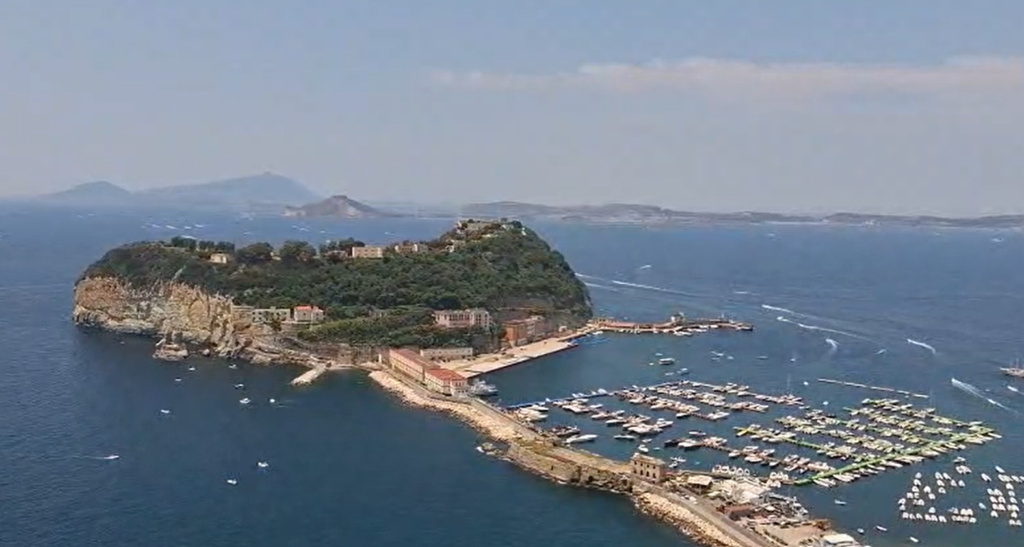
Nestled within one of Europe’s most densely populated regions, the Campi Flegrei caldera is a volcanic system whose secular unrest shapes the daily life of its inhabitants. Here, during the last decade and still ongoing crisis, ground uplift, frequent earthquakes, and persistent gas emissions interact to create a complex, evolving multi-risk environment. These natural hazards rarely follow simple ...[Read More]

From Classroom to Community: Bridging Disaster Risk Reduction Education with the Real World Through Service-Learning

From Classroom to Community: Bridging Disaster Risk Reduction Education with the Real World Through Service-Learning

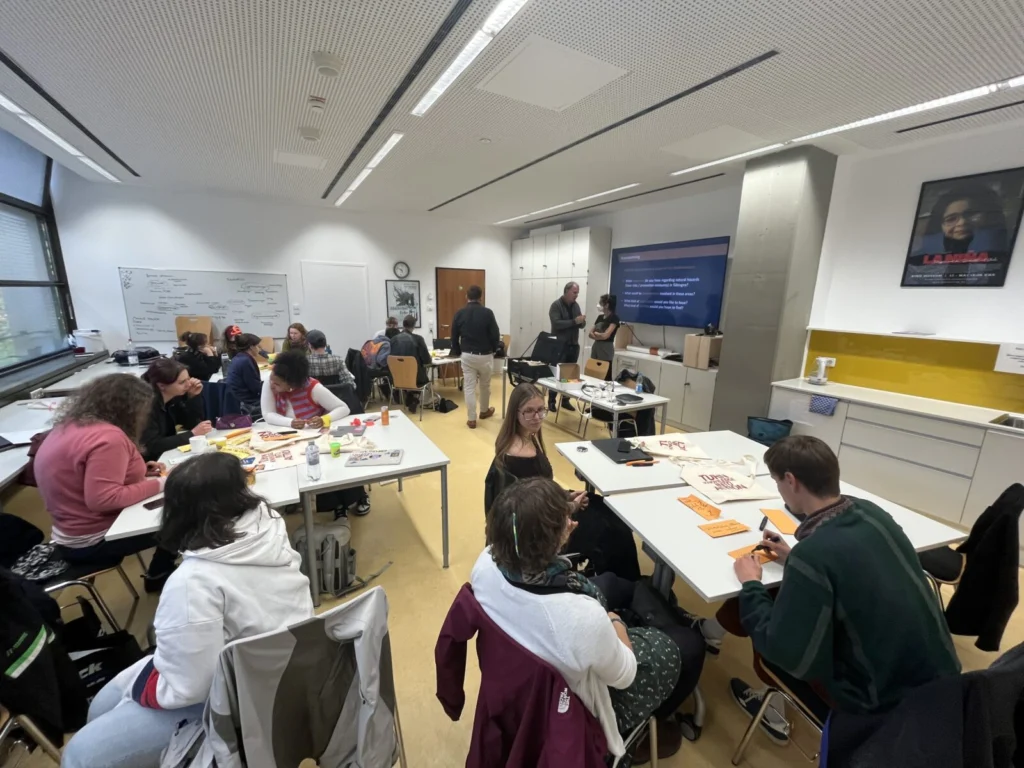
This week, we turn our attention to education and collaboration in Disaster Risk Reduction (DRR). Dr. Solmaz Mohadjer has been leading an innovative Service-Learning course that brings students together with non-profit organisations working at the forefront of risk reduction. The course not only introduces students to the complexities of disasters and resilience but also creates space for dialogue ...[Read More]

If a Resilient City Had a Face: It Might Look Like Kagoshima

If a Resilient City Had a Face:  It Might Look Like Kagoshima

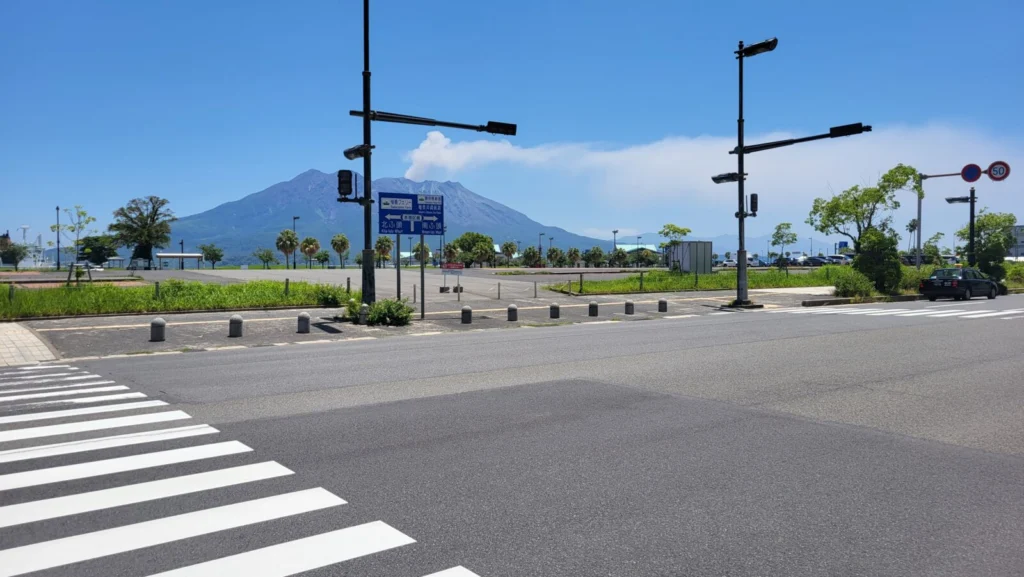
As natural hazard scientists, we often emphasise the concept of exposure – how much people, infrastructure, and ecosystems are in harm’s way when close to natural hazard sources (e.g., floodplains, volcanoes, or fault lines). The closer you are, the higher the risk. Therefore, one of the main goals in natural risk assessment is to reduce exposure whenever possible. We advocate for informed plannin ...[Read More]

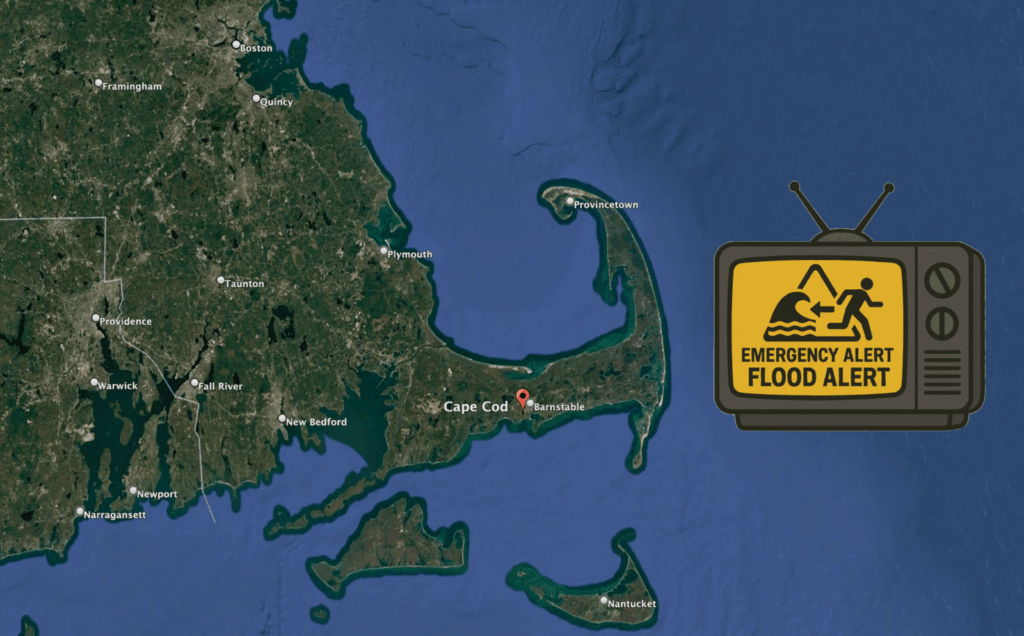
Be prepared, don’t be scared: Early Warning System Test during Thanksgiving on Cape Cod

Be prepared, don’t be scared: Early Warning System Test during Thanksgiving on Cape Cod

This week I think back on my time in the United States of America, where I was able to spend the holiday season. In North America, “fall” marks the beginning of this holiday season, and symbolises a time filled with traditions of togetherness that transcends regions. In New England, particularly in the state of Massachusetts, the season is synonymous with crisp air, vibrant foliage, and the celebr ...[Read More]

Building Disaster Resilience Through Trust and Risk Awareness: Insights into Natural Hazards

Building Disaster Resilience Through Trust and Risk Awareness: Insights into Natural Hazards

Trust in institutions and scientific experts plays a pivotal role in Disaster Risk Reduction (DRR). This trust becomes even more critical for natural hazards—events often unpredictable and uncontrollable. Trust can shape individuals’ willingness to heed warnings, adopt precautionary measures, and participate in community preparedness initiatives. Conversely, distrust in institutions may lead to no ...[Read More]

An epic blockbuster of natural extreme forces: natural hazards through cinematic lenses

An epic blockbuster of natural extreme forces: natural hazards through cinematic lenses

Do you enjoy watching natural hazard movies? Exploring the unfolding of the Earth’s immense power, the level of destruction, human responses and resilience? Can movies offer a glimpse into the chaos and devastation that natural hazard events can bring? Imagine the havoc a storm surge overtopping the Thames Barrier could cause in London. Without a doubt, natural hazard movies raise questions about ...[Read More]

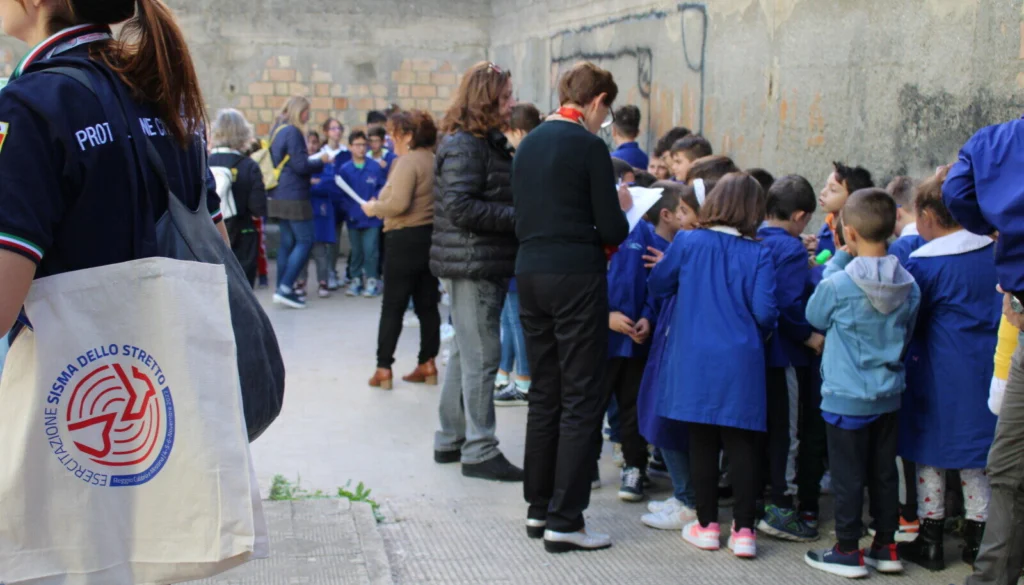
Education and Awareness as Pillars for a Disaster-Resilient Future – An Interview with Marina Morando, Programme Director at CIMA Research Foundation

Education and Awareness as Pillars for a Disaster-Resilient Future – An Interview with Marina Morando, Programme Director at CIMA Research Foundation

This year, the International Day for Disaster Risk Reduction, observed on October 13th, emphasises the crucial role of education in mitigating disaster risks. In this insightful interview, we have the pleasure of discussing this important topic with Engineer Marina Morando, Programme Director at the CIMA Research Foundation in Italy. She brings extensive research and operational experience in civi ...[Read More]

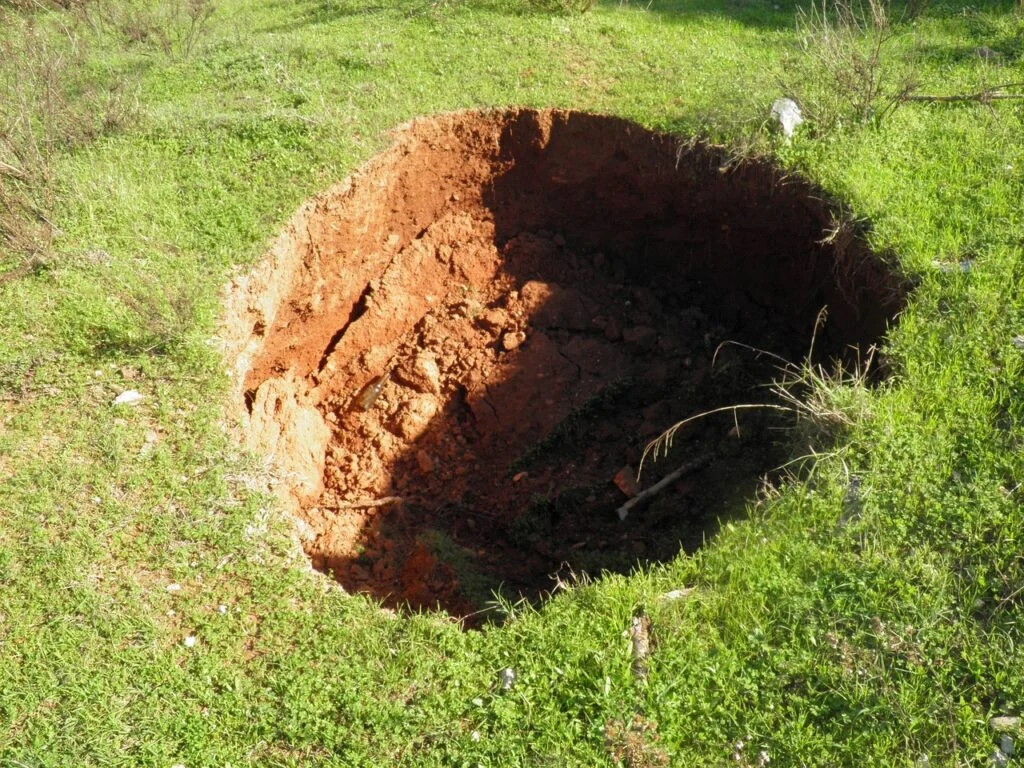
Building Resilience: Insights and Preventive Measures from Kuala Lumpur’s Sinkhole event

Building Resilience: Insights and Preventive Measures from Kuala Lumpur’s Sinkhole event

On August 23, 2024, a tragic event unfolded in Kuala Lumpur, Malaysia, when an 8-metre-deep sinkhole opened up on Jalan Masjid India, swallowing Vijayalakshmi Gali, a 48-year-old woman visiting from India [1]. The incident has raised serious concerns about public safety and the integrity of urban infrastructure. A sinkhole is a natural depression or hole that occurs in the ground when the surface ...[Read More]

Is culture the missing link to disaster risk reduction?

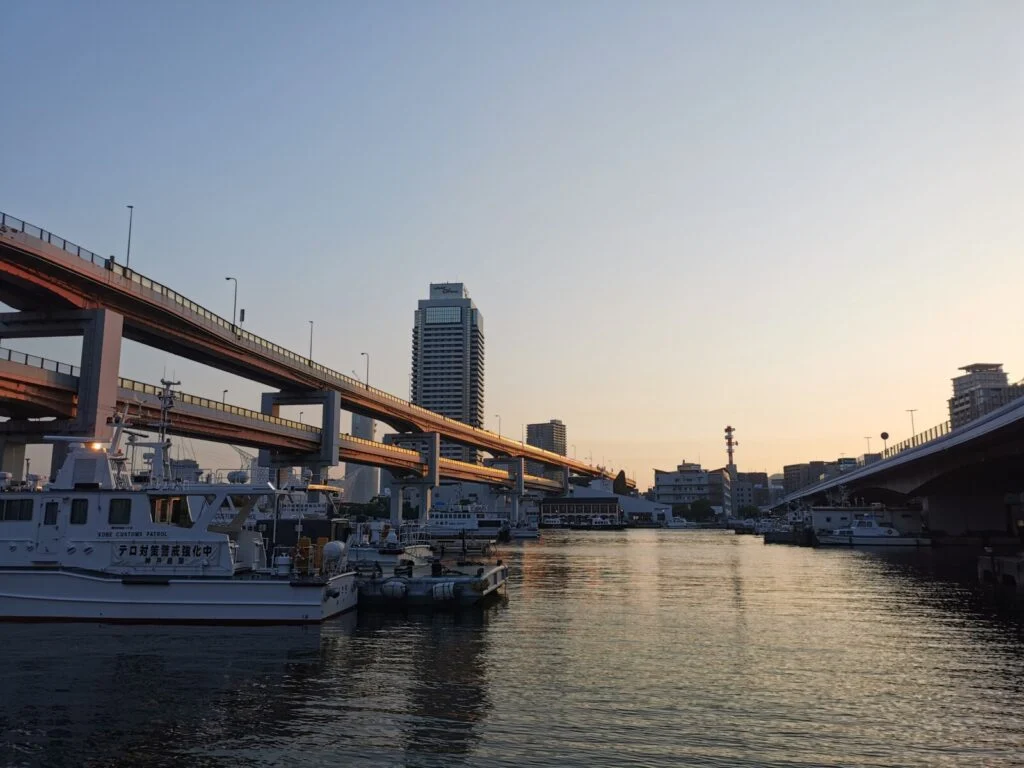
The City of Kobe, Chuo Ward (photo credit: Asimina Voskaki)

Sophocles, a great tragic writer of Classical Athens, said that “success is dependent on effort”. When it comes to disaster risk reduction, are we doing enough to develop a culture of resilience and how do cultural factors affect people’s willingness to protect themselves and build an effective disaster reduction and reconstruction mechanism? In 1995 (17/01/1995), Kobe, Osaka (Ja ...[Read More]

The 2023 Carnival disaster in São Paulo: an all time record for rainfall in Brazil

The 2023 Carnival disaster in São Paulo: an all time record for rainfall in Brazil

In February 2023, Brazil experienced its largest rainfall event on record, which devastated the northern coast of the state of São Paulo. This event caused landslides, floods, and numerous fatalities, making it even more tragic than previous disasters in the region, which already have been elaborated on in another blog post. The situation highlights the urgent need for effective emergency manageme ...[Read More]