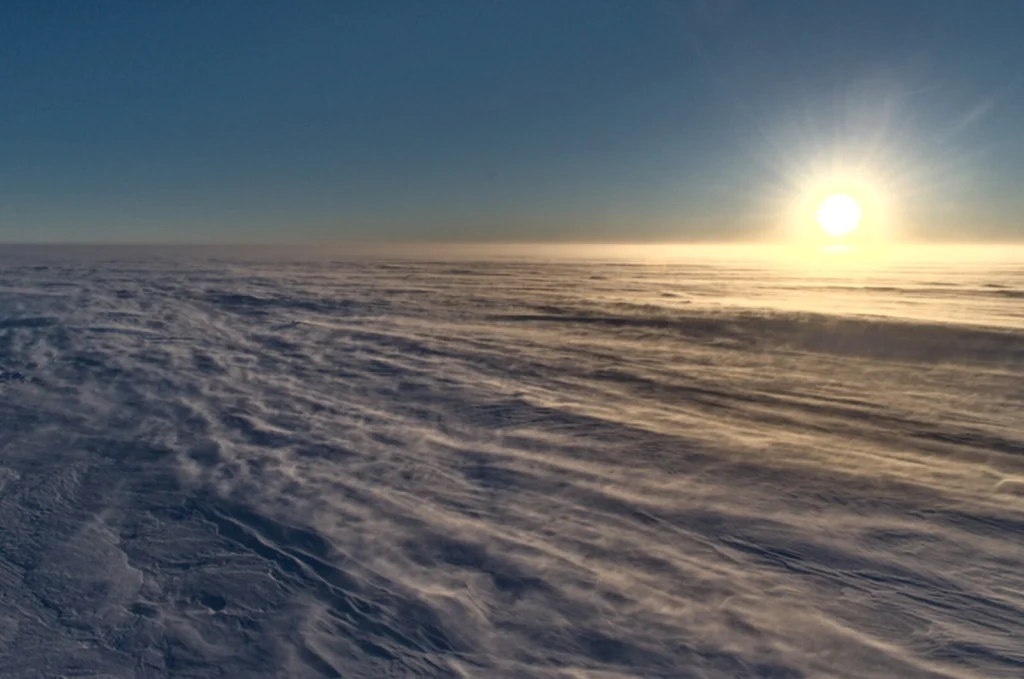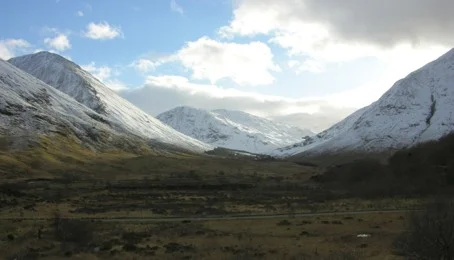
By Marine Poizat, PostDoc at the Geological Survey of Finland. Email: marine.poizat@gtk.fi, website: https://www.gtk.fi/en/experts/poizat-marine/. Antarctica has dunes. And they are made of snow. When people think of deserts, they usually picture vast expanses of sand beneath a blazing sun. Yet Antarctica is also a desert, receiving remarkably little precipitation, especially inland. And like other deserts, …[Read More]
Geomorphology
Great Names in Geomorphology A–Z: Ralph Bagnold
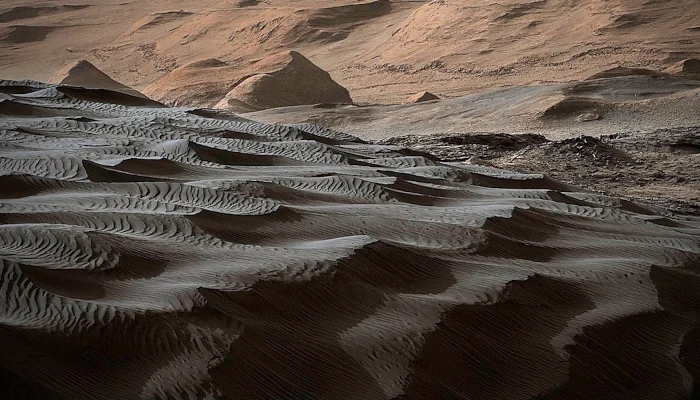
Ralph Alger Bagnold (3 April 1896 – 28 May 1990) was a British engineer, geomorphologist, desert explorer, and soldier. His work fundamentally changed our understanding of sediment transport. His pioneering studies of wind-blown sand and desert dunes established a quantitative, physics-based approach to aeolian geomorphology. Bagnold’s scientific career was closely connected with his fascination with …[Read More]
From Storm to Landscape: High Resolution for Climate Risk
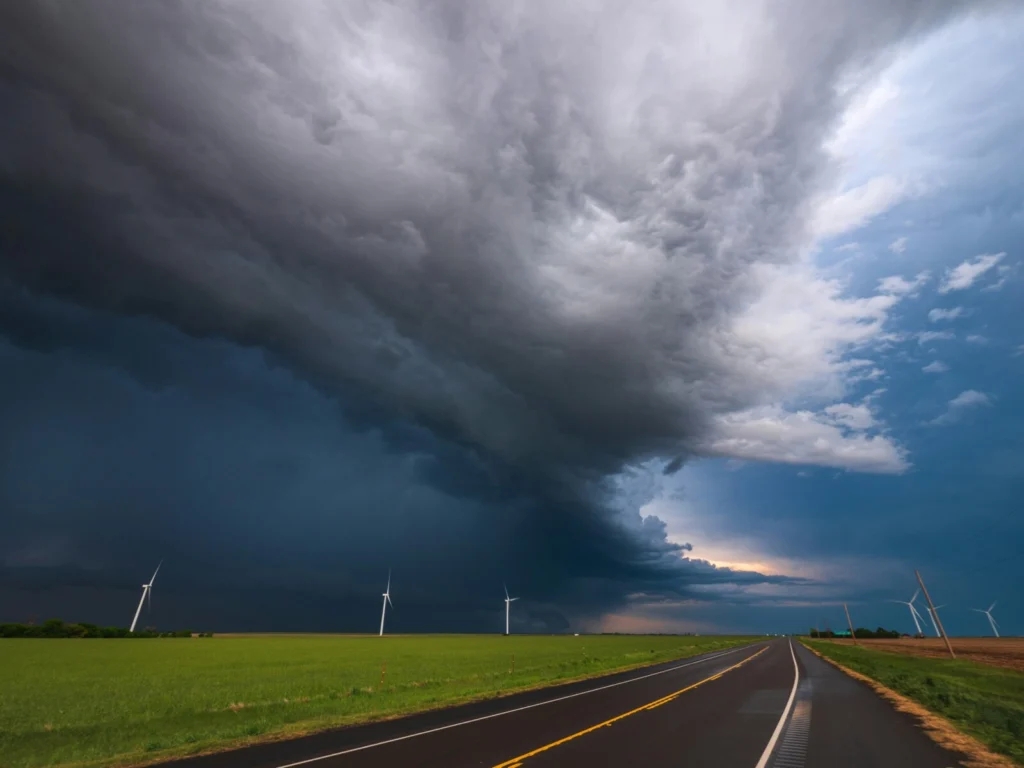
Welcome to ”Climate Change through a Geomorphological Lens”, a blog series exploring the changing climate from a geomorphological perspective. This first post was inspired by a single figure in the Intergovernmental Panel on Climate Change’s Sixth Assessment Report [1]. It compares precipitation change per degree Celsius of warming across different climate models and observations for …[Read More]
In the News: A Geomorphologists’ perspective on the Strait of Hormuz
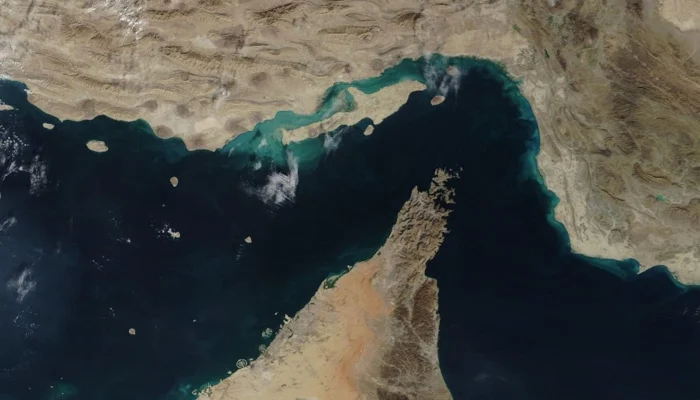
Welcome to In the News: A Geomorphologist’s Perspective! The intent of this series is to explore the geology and geomorphology of places that are currently in the news. For this first installment, we’ll do a quick tour of how geological processes have laid the groundwork for current fighting over control of the Strait of Hormuz. …[Read More]
Great Names in Geomorphology A–Z: Frank Ahnert
Introducing our new mini-series by GM Blog co-editor Wioleta Porębna: Great Names in Geomorphology A–Z! Our readers will choose the next name in alphabetical order – leave your suggestions in the comments! Frank Ahnert (12 December 1927 – 10 September 2017) was a German geomorphologist whose work played a pivotal role in establishing quantitative and …[Read More]
When Mud Flows Behave Like Glaciers: Discovering the Secrets of Azerbaijan’s Mud Volcanoes
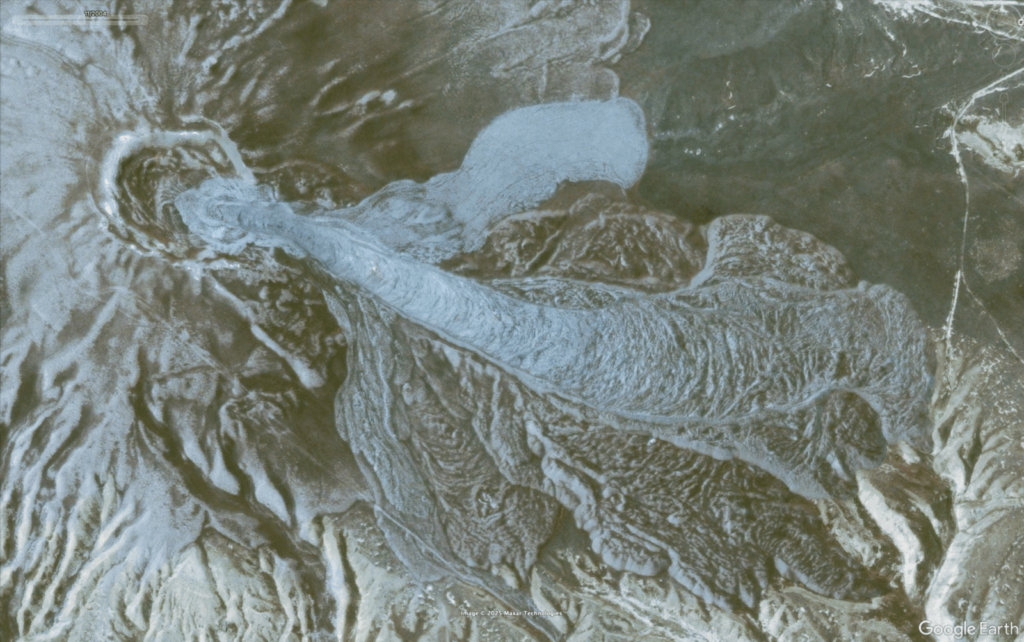
Introduction When people hear the word „volcano“, they usually think of a magmatic volcano with impressive pyroclastic eruptions or lava flows. However, mud volcanoes are different. Mud volcanoes erupt what we call mud breccias, a mixture of gas, water, and fine sediments. The eruptions generally occur due to deep generation of hydrocarbons and gravitational instability …[Read More]
TopoToolbox webinar recap & resources
Our TopoToolbox webinars on June 2 and 3 were a success with ~90 participants! The webinars covered the functionalities of TopoToolbox 3 and its integration into both MATLAB and Python, and highlighted tools including GraphFlood and TRANSECT. Be sure to check out the TopoToolbox gallery, which hosts example workflows contributed by TopoToolbox users and developers. …[Read More]
Save the date: TopoToolbox Workshop, June 2-3
Save the dates for our upcoming webinar series on TopoToolbox, organized by the GM ECS Team and convened by Wolfgang Schwanghart, Dirk Scherler, William Kearney, Boris Gailleton, and Bastien Mathieux. The webinar will take place on June 2 and 3, from 16:00 to 18:00 CEST, in a Zoom meetings format. The webinar will be a …[Read More]
EGU26 Geomorphology: The Social & Networking Shortlist
The wait is almost over! Next week, the geomorphology community descends on Vienna for our annual week of science. While the halls will be packed with oral sessions, posters, and PICOs, the informal exchanges between sessions offer a vital space for networking and new ideas. To help you navigate the busy week ahead, we’ve curated …[Read More]
A Free Tool That Maps Ancient Coastlines Like an Expert
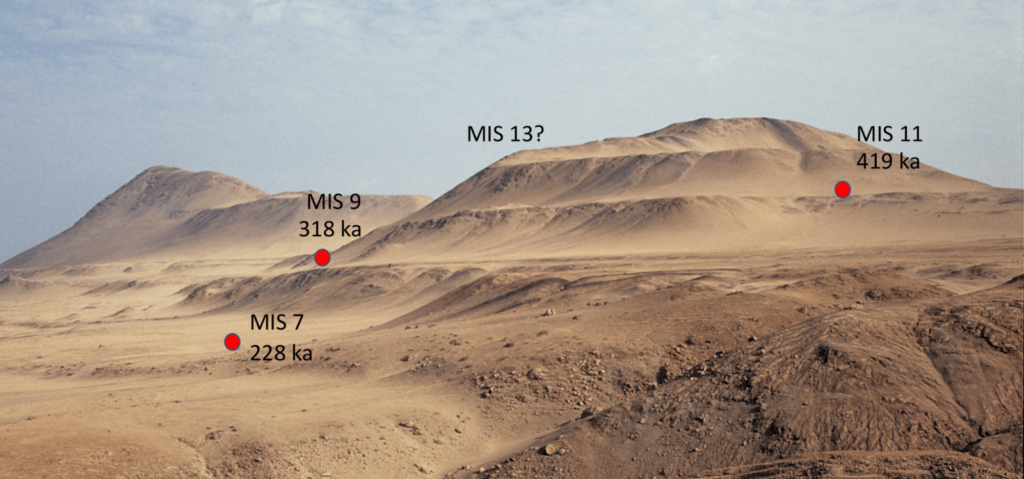
by Julius Jara Muñoz, Professor of Engineering Geology at the University of Applied Sciences Biberach (Hochschule Biberach), Germany. Email: jara@hochschule-bc.de, website: https://www.hochschule-biberach.de/kontakt/julius-jara-munoz. “Reproducibility is a cornerstone of the scientific method, yet measuring ancient coastlines has long depended on expert judgment – until now”. Coastlines are highly dynamic systems controlled by sea-level changes and surface deformation. Over thousands …[Read More]