
There is a quiet contradiction at the heart of natural hazard science. The regions most exposed to multi-hazard events are precisely the regions where we know the least. The Global South (comprising lower- and middle-income countries in Africa, Asia, Latin America and the Caribbean) is disproportionately affected by climate-related natural hazards, yet it is largely …[Read More]
Multihazard
Living with a restless giant: The challenge of multi-risk management and communication at Campi Flegrei Volcano
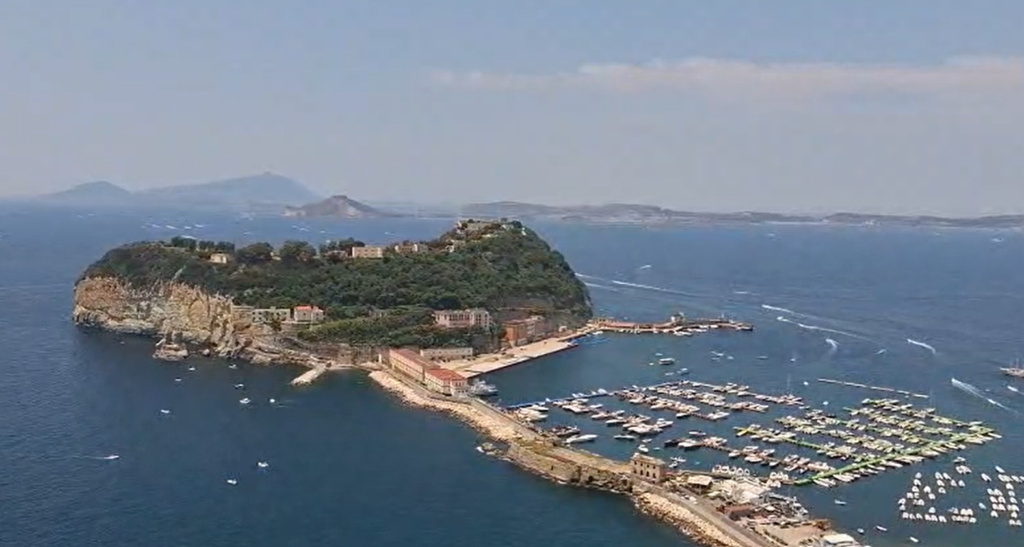
Nestled within one of Europe’s most densely populated regions, the Campi Flegrei caldera is a volcanic system whose secular unrest shapes the daily life of its inhabitants. Here, during the last decade and still ongoing crisis, ground uplift, frequent earthquakes, and persistent gas emissions interact to create a complex, evolving multi-risk environment. These natural hazards …[Read More]
How is earthquake-driven sea-level rise changing our coasts?
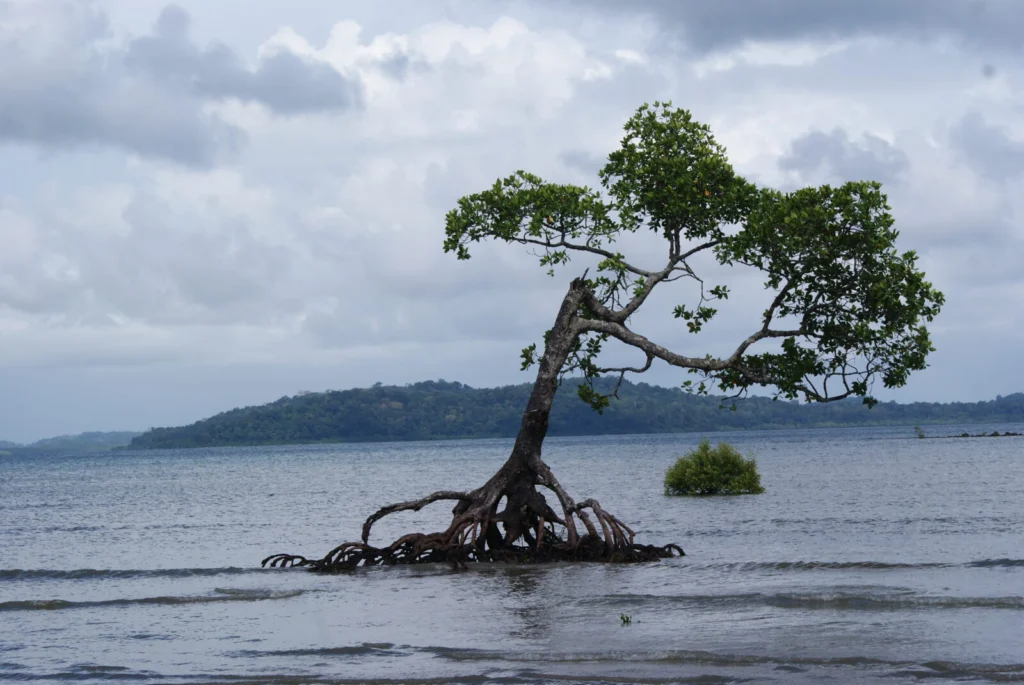
Coastal regions have always been at risk from natural hazards, but now, there’s an added layer of complexity. Earthquakes, which cause the land to move up or down, can significantly affect sea levels, especially in regions already experiencing the effects of climate change. Earthquakes can alter coastlines in ways that we’re still trying to understand, …[Read More]
Be prepared, don’t be scared: Early Warning System Test during Thanksgiving on Cape Cod
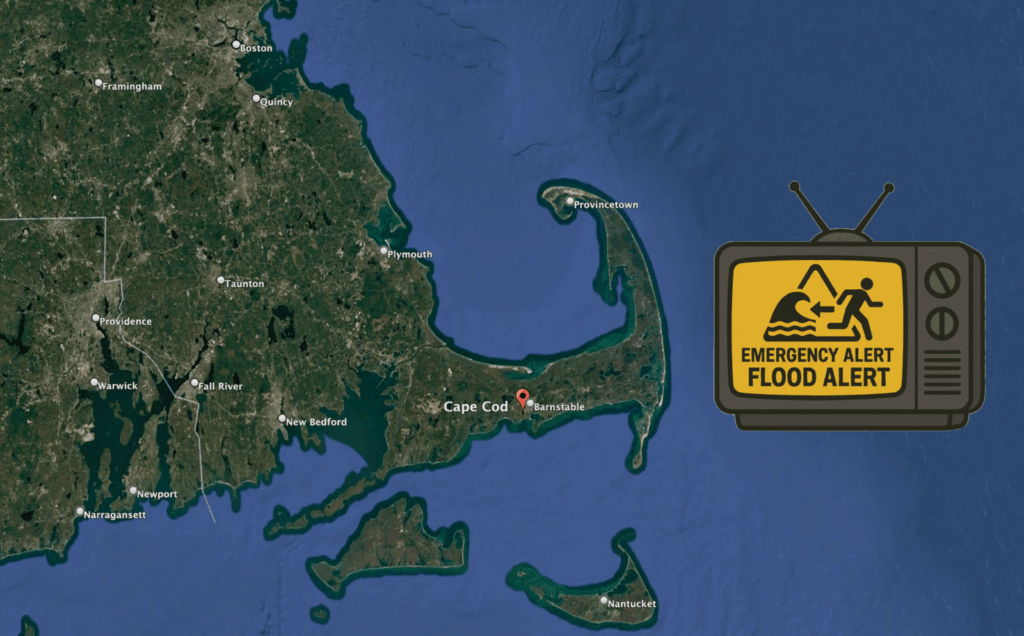
This week I think back on my time in the United States of America, where I was able to spend the holiday season. In North America, “fall” marks the beginning of this holiday season, and symbolises a time filled with traditions of togetherness that transcends regions. In New England, particularly in the state of Massachusetts, …[Read More]
The Geography of Multi-Hazards: Exploring Landscapes Prone to Hazard Cascades
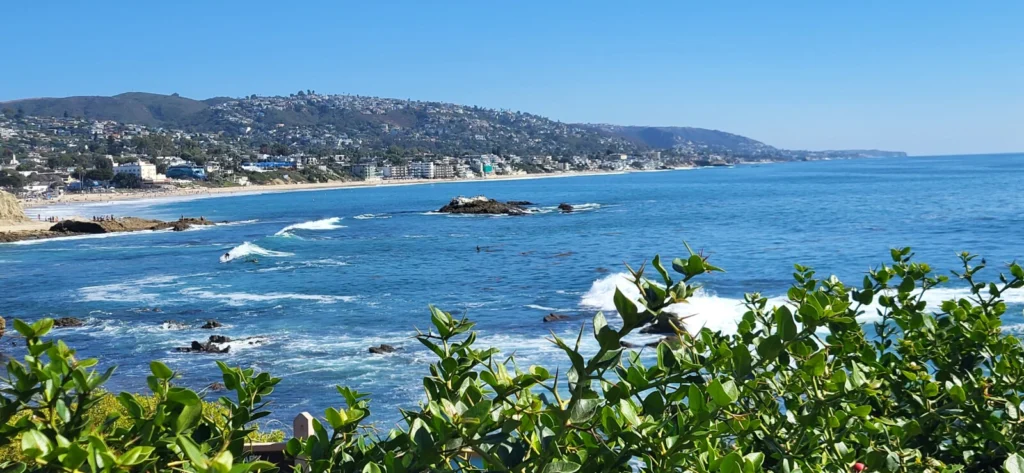
Multi-hazards are “a selection of major hazards that a country faces, and specific contexts where hazards occur simultaneously, cascadingly, and accumulatively considering the interrelationships among them”, based on the UNSDRR definition [7]. Yet, this definition raises two key questions: Where are these specific contexts located, and what characteristics make them susceptible to intersecting hazards? When …[Read More]
Building the Future of Multi-hazard Disaster Risk Reduction in Barcelona
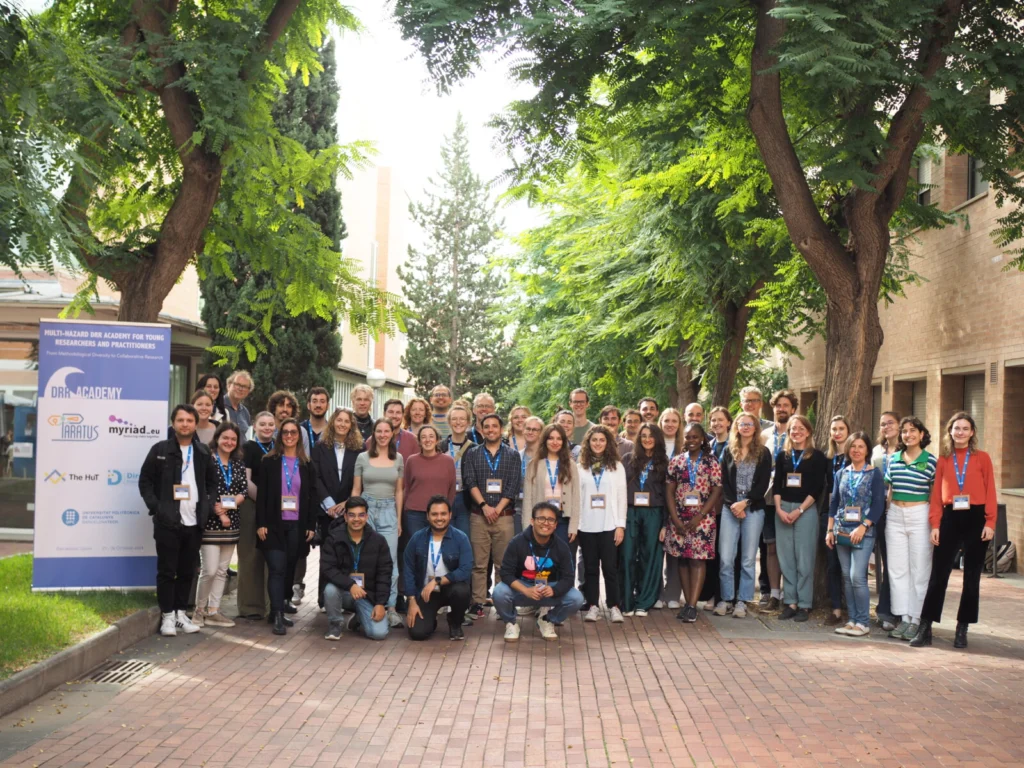
From 23 to 26 October 2024, over 40 early-career researchers and practitioners from across the globe gathered at Universitat Politècnica de Catalunya (UPC) in Barcelona (Spain) for the Multi-hazard Disaster Risk Reduction (DRR) Academy. Set against the vibrant backdrop of this dynamic city, the Academy offered a unique platform for participants to engage, learn, and …[Read More]
Modern Solutions for Ancient Hazards: Speaking with Jacopo Selva, the 2024 EGU Plinius Medalist
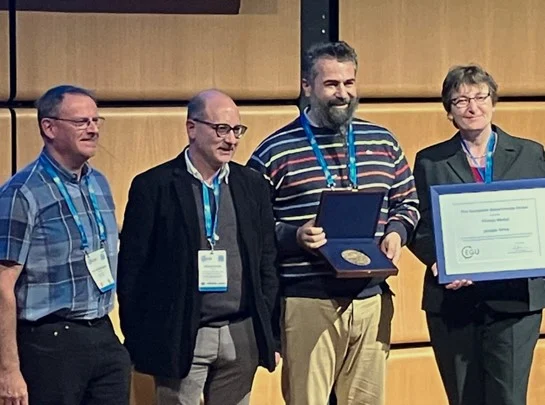
Jacopo Selva is an associate professor at the University of Naples Federico II, Italy, and a former researcher at the Istituto Nazionale di Geofisica e Vulcanologia (INGV), Italy. His research on seismic, volcanic, and tsunami hazards has been instrumental in advancing our understanding of these natural phenomena, particularly by developing probabilistic methods for hazard assessment …[Read More]
Evolving multi-hazard paradigms in a nutshell
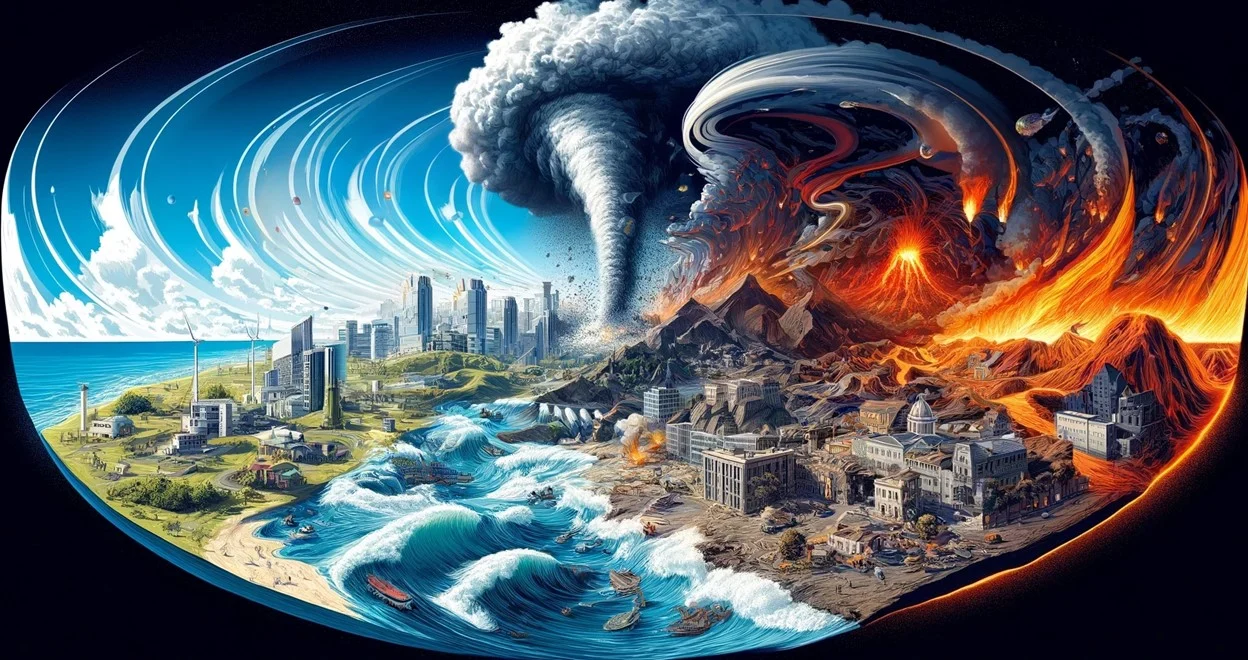
Understanding multi-hazard approaches is crucial in an era of escalating natural hazards leading to disastrous impacts on Earth’s citizens. Triggered by the increasing frequency and severity of these events, this brief post provides a concise yet comprehensive overview of evolving paradigms in multi-hazard research and management. By exploring definitions, historical developments, and current trends, we …[Read More]
Disentangling the complexity of multi-(hazard-)risks: conversations with Marleen de Ruiter, the EGU NH Division 2024 Early Career Scientist Award Winner
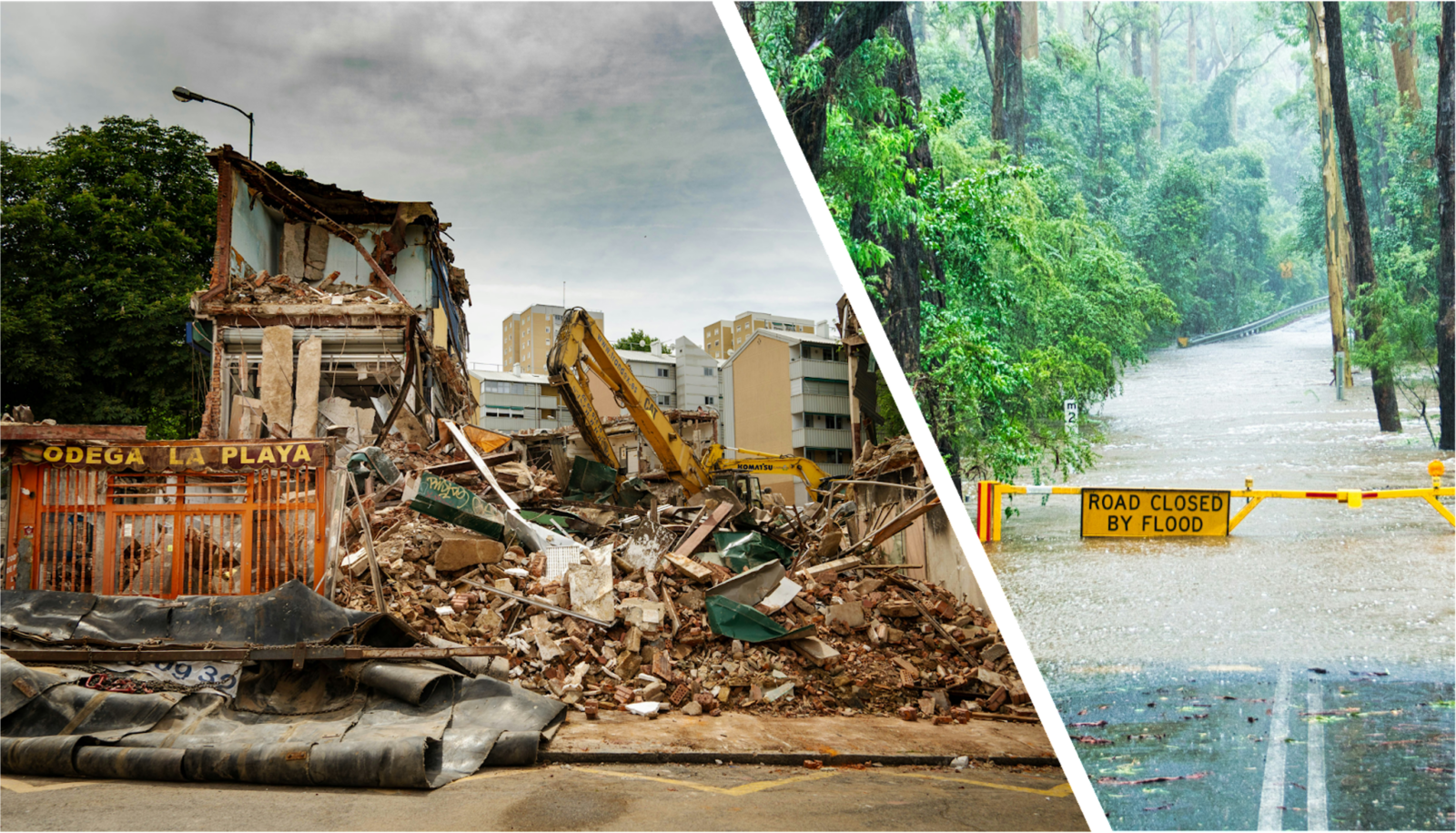
Marleen de Ruiter is Assistant Professor at the Institute for Environmental Studies (IVM), Vrije Universiteit Amsterdam. Her research focuses on multi- and consecutive disasters, improving modeling capabilities and understanding of multi-hazard risk and assessing the potential adverse impacts of Disaster Risk Reduction measures across different hazards. She manages the Myriad-EU project, co-leads the RiskKAN working …[Read More]
Multiple perspectives to understand multi-hazard risks. Why is it important to meet face-to-face when we could also meet digitally?
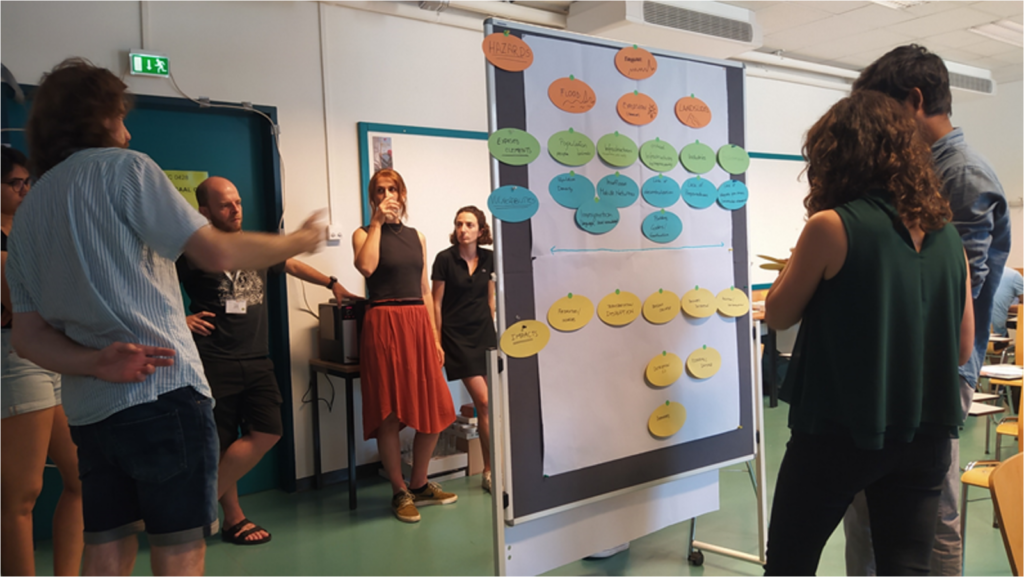
This summer the University of Vienna has hosted an inspiring summer school on multi-hazard risk management, bringing science outreach and research closer together. In this post, Till Wenzel provides some insights about the importance of face-to-face meetings to bring together multiple perspectives and better understand multi-hazard risks. The summer school has been organized by …[Read More]