
CL
Climate: Past, Present & Future

Climate: Past, Present & Future

Winds of change – How can we reconstruct the directions of winds in the past?

Winds of change – How can we reconstruct the directions of winds in the past?

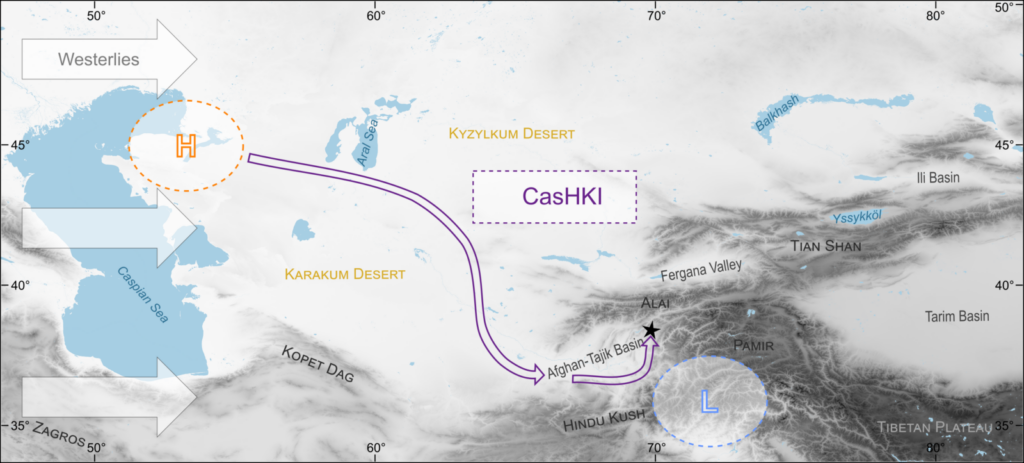
Invited guest from the EGU 2025 Outstanding Student and PhD candidate Presentation (OSPP) Award Wind is not easily visible. On historical time scales, its directions and velocities have been measured and recorded by instruments. To some degree, these parameters can also be simulated by climate models. But how about winds in the more distant past? And why would we want to know about them? In many p ...[Read More]

When a major climate event goes almost unnoticed: the elusive 8.2 ka signal in southern France stalagmites

When a major climate event goes almost unnoticed: the elusive 8.2 ka signal in southern France stalagmites

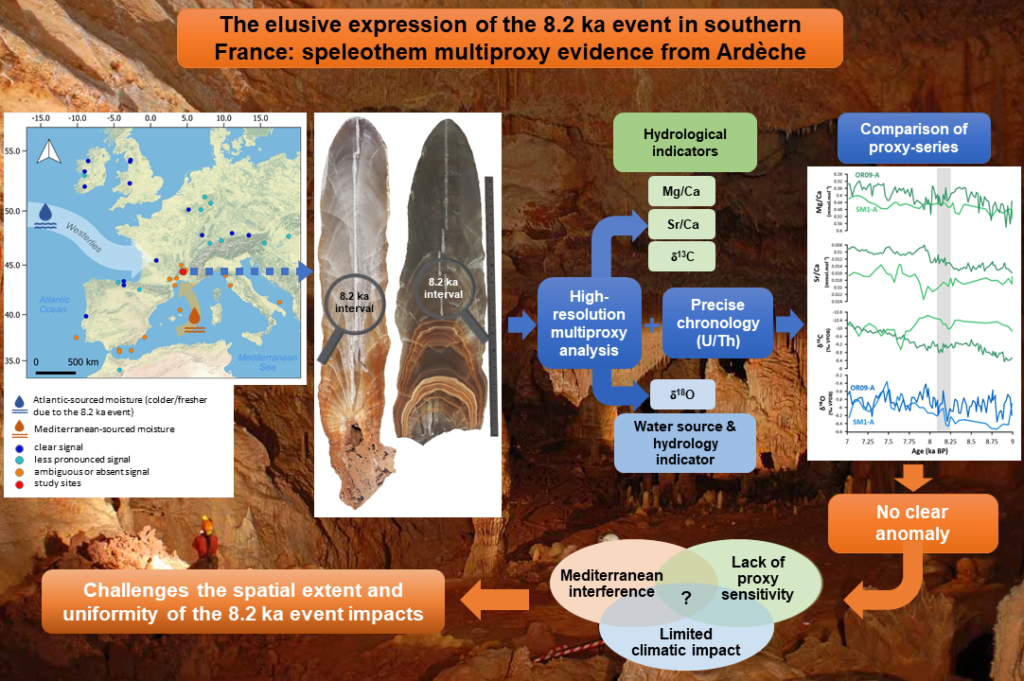
  Around 8,200 years ago, the climate of the Northern Hemisphere experienced an abrupt disturbance. In Greenland ice cores, the signal is unmistakable: a rapid drop in temperatures, followed by a gradual return to previous conditions. This episode, which lasted about 150 years, is known as the 8.2 ka event (“ka” meaning thousand years before 1950). It is often described as the most prominent ...[Read More]

When European pollution reshaped the Asian summer monsoon

When European pollution reshaped the Asian summer monsoon

  The Asian summer monsoon is one of the most powerful climate phenomena on Earth. Each year, it brings life-giving rainfall to billions of people across South and East Asia. Its arrival determines harvests, water supply, food security, and economic stability. We often think of the monsoon as something driven locally: by the heating of the Indian subcontinent, by ocean temperatures, or by reg ...[Read More]

Inside the Baltic Sea N2O Hunt: Tracing Sources using Isotopic tools

Inside the Baltic Sea N2O Hunt: Tracing Sources using Isotopic tools

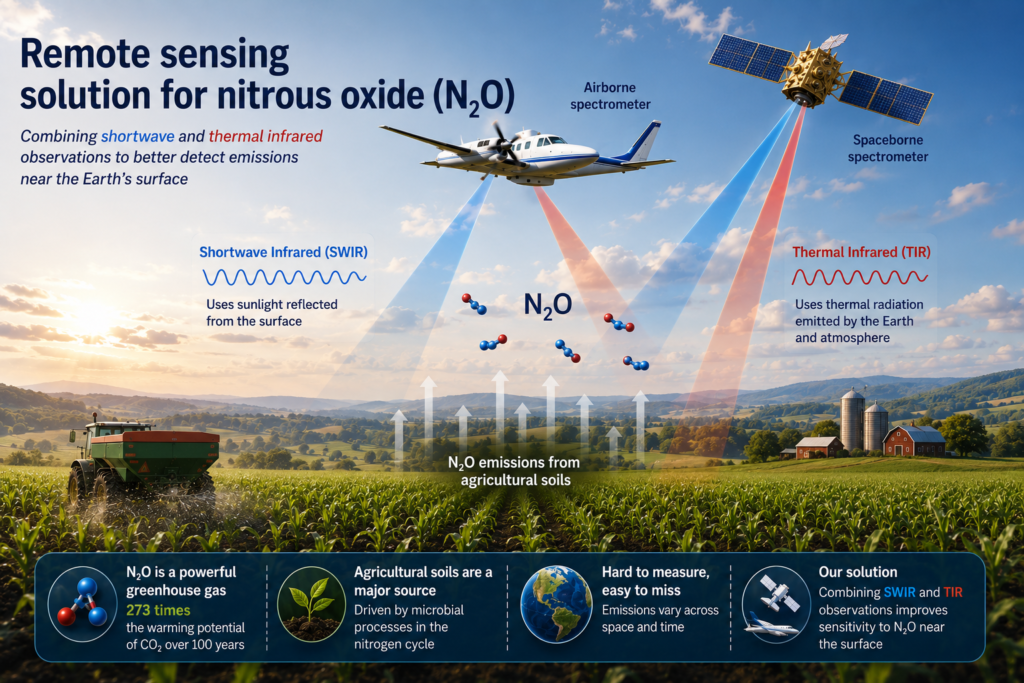
Nitrous oxide (N2O), commonly known as laughing gas, is one of the most important greenhouse gases, and its rise in the Anthropocene significantly contributes to global warming and depletion of stratospheric ozone. The marine environment, especially coastal and marginal seas, is an important (about 25%) contributor to the global atmospheric source of N2O. Nitrous oxide is primarily produced in mar ...[Read More]