
NH
Natural Hazards

Hedieh Soltanpour

I am a freshly PhD graduate specialising in multi-hazard assessment in karst environments. My work focuses on understanding interlinked natural hazards and how they form complex networks of hazard events. Through my research, I aim to advance knowledge on multi-hazard mapping and promote sustainable risk management strategies. I am particularly interested in integrating spatial modeling, using machine-learning approaches, and stakeholder engagement to enhance resilience in hazard-prone areas.

Multi-Risk Forecasting: Operational Reality or Scientific Ambition?

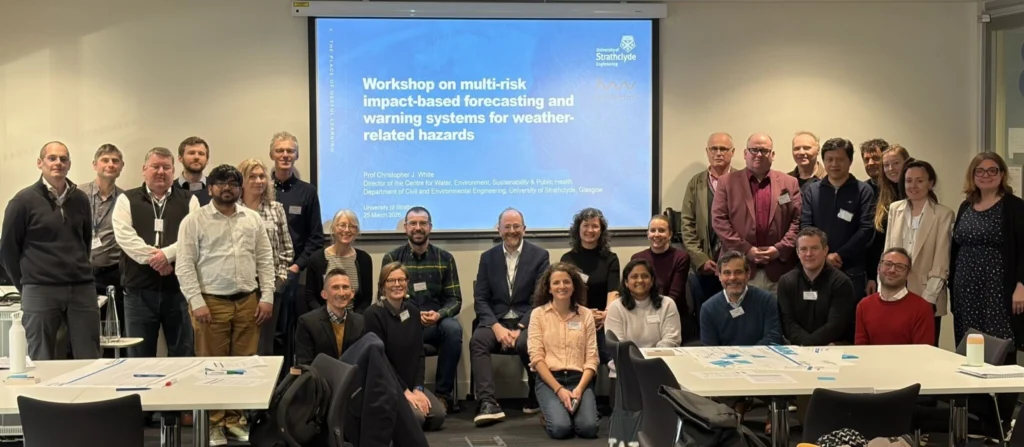
Reflections from a workshop on multi-risk impact-based forecasting and warning systems for weather-related hazards.

  Reflections from a workshop on multi-risk impact-based forecasting and warning systems for weather-related hazards.   With mounting evidence that hazards rarely occur in isolation, the question is no longer whether multi-risk impact-based forecasting and warning systems are needed, but how to build them [1]. Yet, moving beyond single-hazard thinking towards genuinely multi-hazard and t ...[Read More]

If a Resilient City Had a Face: It Might Look Like Kagoshima

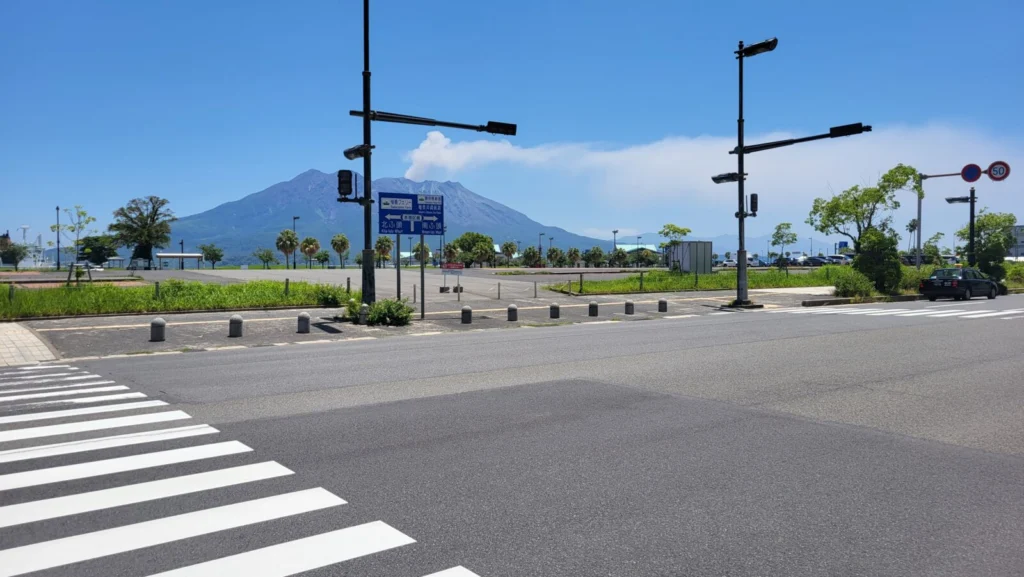
If a Resilient City Had a Face:  It Might Look Like Kagoshima

As natural hazard scientists, we often emphasise the concept of exposure – how much people, infrastructure, and ecosystems are in harm’s way when close to natural hazard sources (e.g., floodplains, volcanoes, or fault lines). The closer you are, the higher the risk. Therefore, one of the main goals in natural risk assessment is to reduce exposure whenever possible. We advocate for informed plannin ...[Read More]

The Geography of Multi-Hazards: Exploring Landscapes Prone to Hazard Cascades

The Geography of Multi-Hazards: Exploring Landscapes Prone to Hazard Cascades

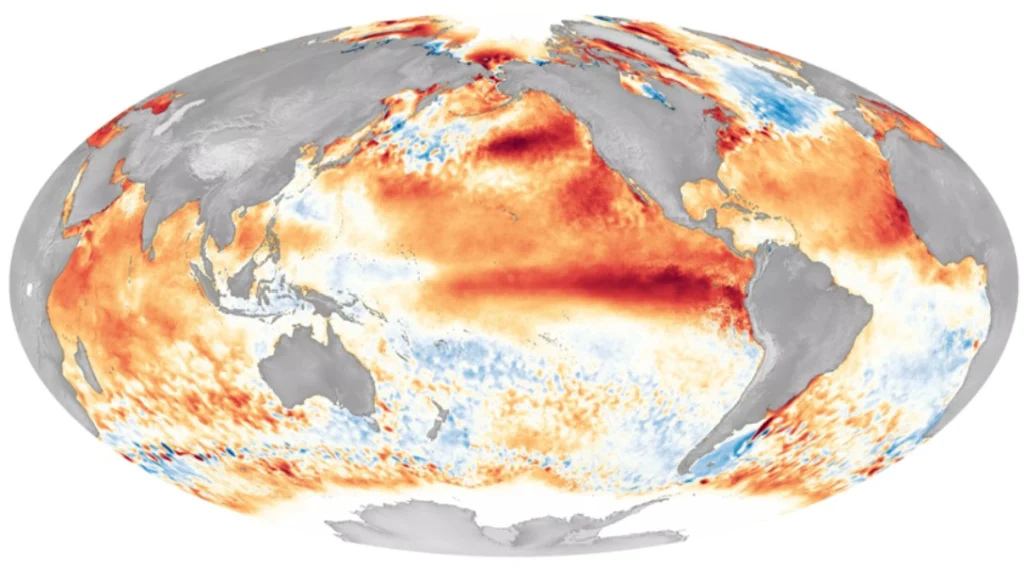
Multi-hazards are “a selection of major hazards that a country faces, and specific contexts where hazards occur simultaneously, cascadingly, and accumulatively considering the interrelationships among them”, based on the UNSDRR definition [7]. Yet, this definition raises two key questions: Where are these specific contexts located, and what characteristics make them susceptible to intersecting haz ...[Read More]

Evolving multi-hazard paradigms in a nutshell

Evolving multi-hazard paradigms in a nutshell

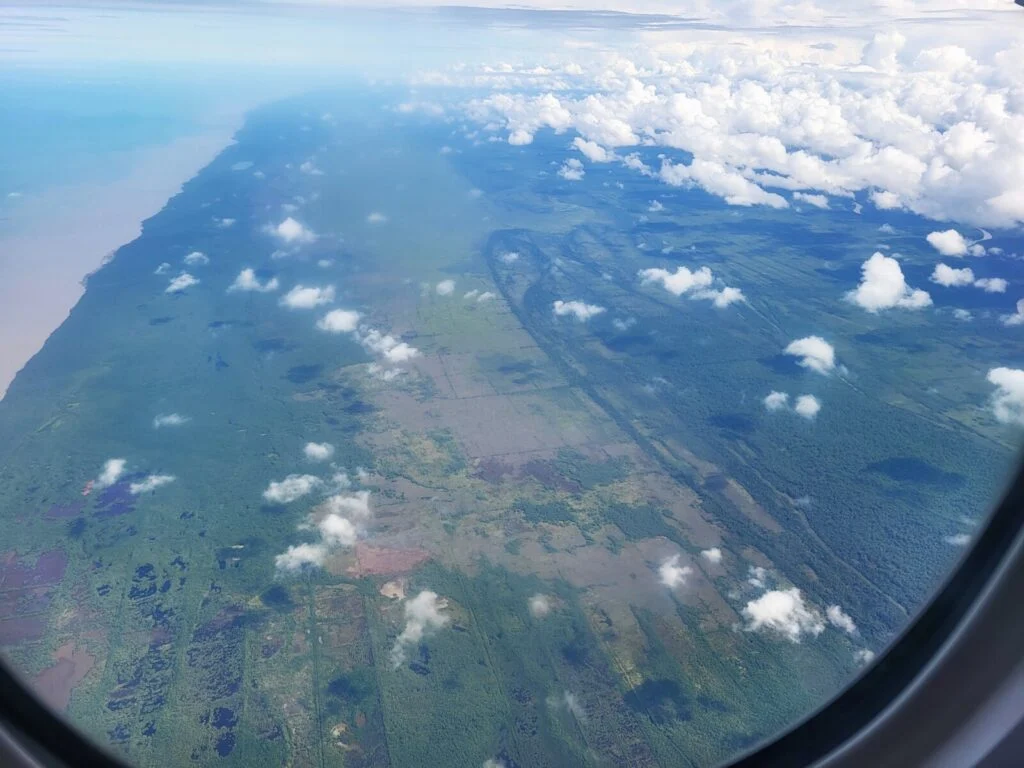
Understanding multi-hazard approaches is crucial in an era of escalating natural hazards leading to disastrous impacts on Earth’s citizens. Triggered by the increasing frequency and severity of these events, this brief post provides a concise yet comprehensive overview of evolving paradigms in multi-hazard research and management. By exploring definitions, historical developments, and curren ...[Read More]