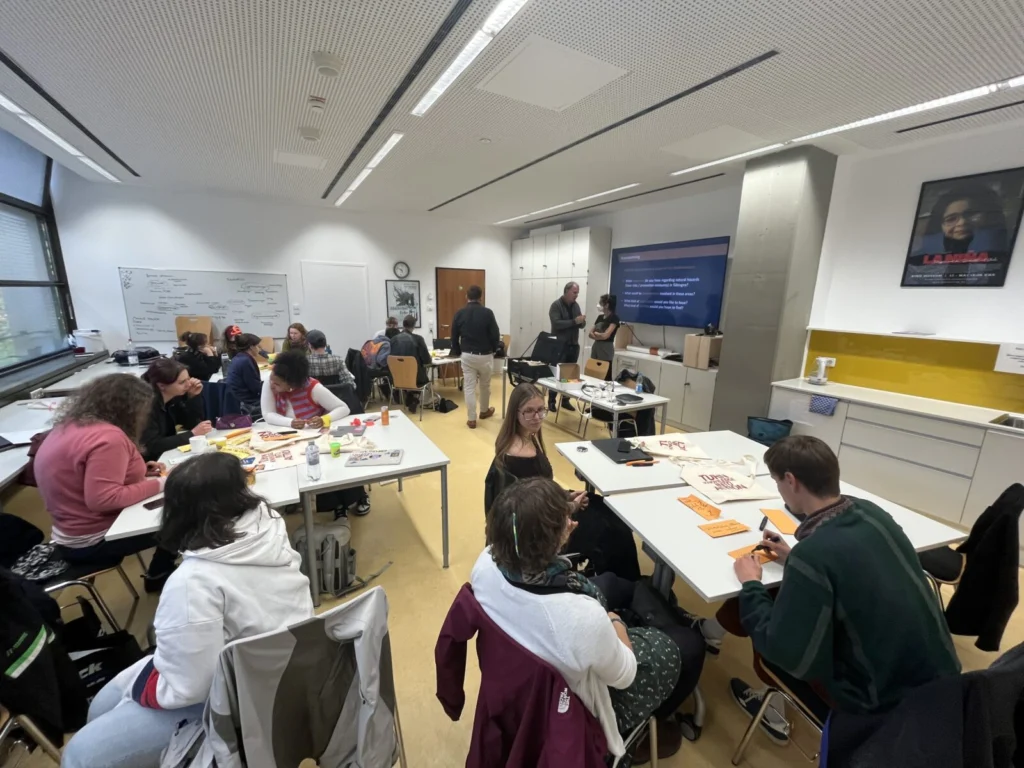
This week, we turn our attention to education and collaboration in Disaster Risk Reduction (DRR). Dr. Solmaz Mohadjer has been leading an innovative Service-Learning course that brings students together with non-profit organisations working at the forefront of risk reduction. The course not only introduces students to the complexities of disasters and resilience but also creates space for dialogue ...[Read More]
Education and Awareness as Pillars for a Disaster-Resilient Future – An Interview with Marina Morando, Programme Director at CIMA Research Foundation
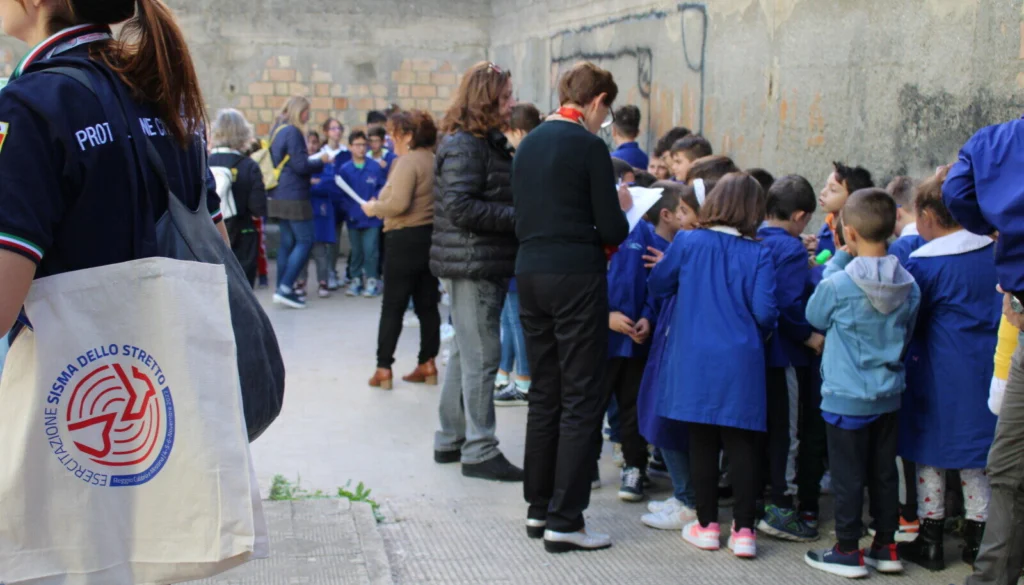
This year, the International Day for Disaster Risk Reduction, observed on October 13th, emphasises the crucial role of education in mitigating disaster risks. In this insightful interview, we have the pleasure of discussing this important topic with Engineer Marina Morando, Programme Director at the CIMA Research Foundation in Italy. She brings extensive research and operational experience in civi ...[Read More]
Training of Trainers to improve Geological Disasters Resilience in Malaysia
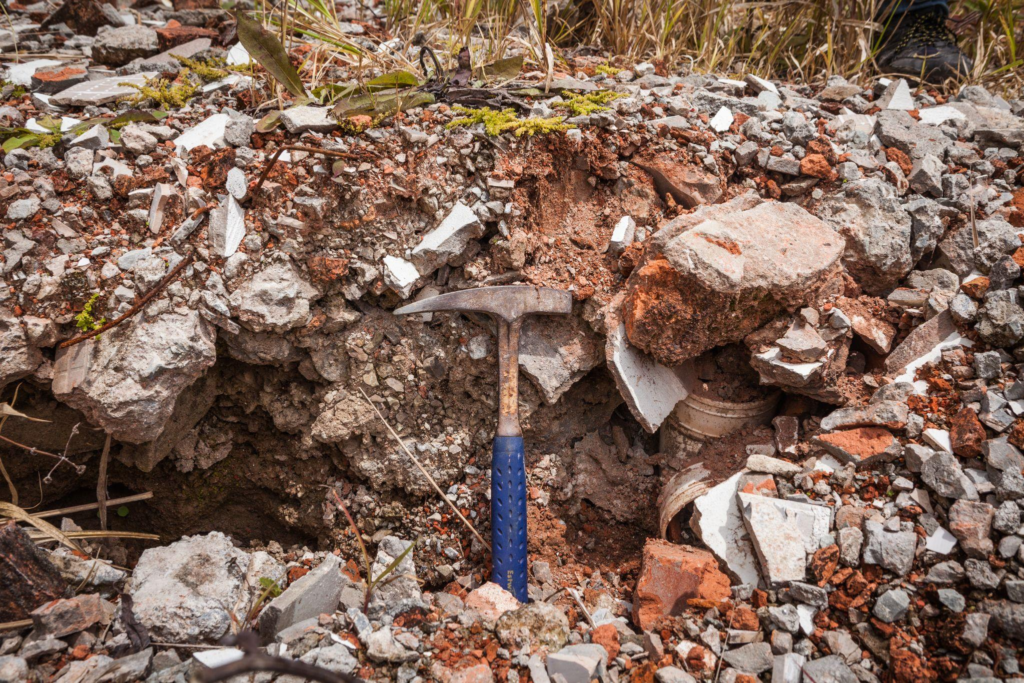
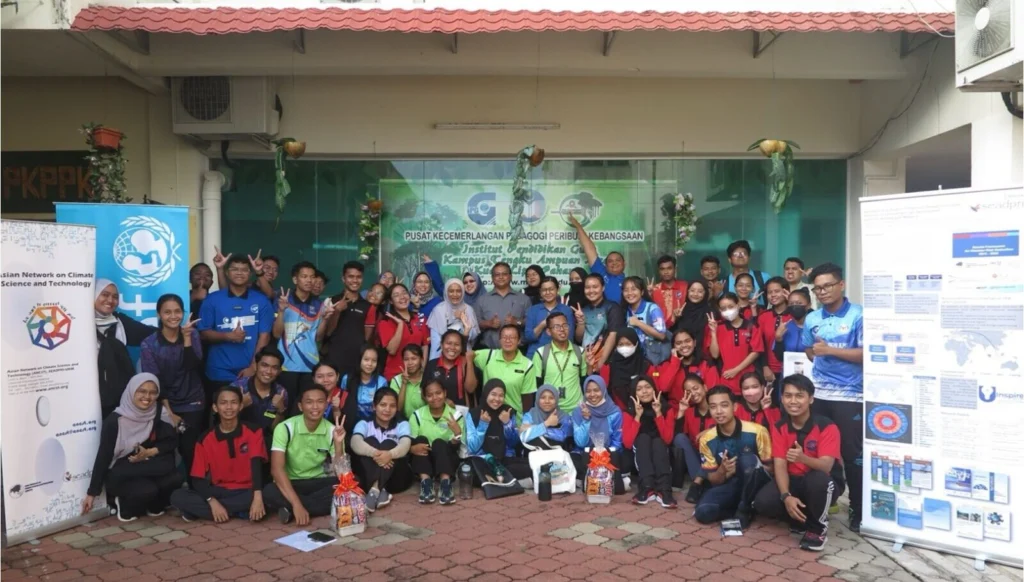
Over the years, we have witnessed a growing number of geological disasters due to climatic shifts. One such disaster is the landslide, and the main culprit of such occurrences can be attributed to intense rainfall coupled with high slope angles, especially in areas previously not expected to be susceptible. In this post we share a successful experience of ‘training of trainers’ in Mala ...[Read More]
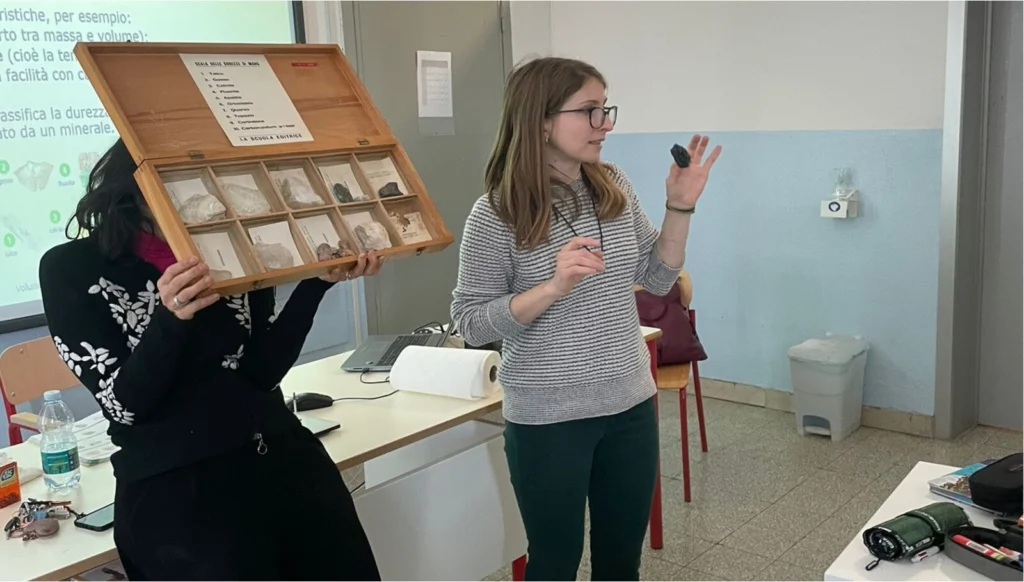
“My teacher is a volcanologist”- Valeria Cigala tells us about her journey from academia to middle school teaching
Valeria Cigala (Ph.D.) is a geoscientist by education and an expert in explosive volcanism and related hazards. She has been the Early Career Scientists Representative for the Natural Hazards Division of EGU from 2019 to 2022 and Editor-in-chief of our blog. Valeria is currently employed as a maths and science teacher at the middle school level in Italy. In this inspiring interview, she is sharing ...[Read More]
Geoscience communication series: navigating the light and dark sides of social media
We are thrilled to present the last episode of the EGU WEBINARS: Digitalk: online (geo)science communication series. In this episode, we will explore the light and the dark sides of using social media for science communication by a special guest, Roberto Guardo. Roberto wished to engage in science communication just after completing his PhD. “I have never liked writing scientific papers,” he said ...[Read More]
Geoscience communication series: the perfect vlogging recipe
Last year, we left you with an inspiring post about scientific blogging, where Giulia Roder, one of the authors of the EGU-NH blog, shared her ‘blogging survival kit’. Today we continue the series of EGU WEBINARS: Digitalk: online (geo)science communication exploring ‘the best vlogging recipe’ with Iris van Zelst, a researcher at the German Aerospace Center with a great passion for geoscience comm ...[Read More]
Geoscience communication series: a blogging survival kit
Science communication is the practice of informing and inspiring the public about scientific knowledge. It comes in different forms, from documentaries, books, academic publishing, mass media journalism, to public talks. These days, digital communication, including blogging, vlogging, podcasting, and social media, has become an increasingly popular form of science communication, reaching a wide au ...[Read More]
Building a risk-aware culture
Mahatma Gandhi once said, “The future depends on what you do today”. In the past months, we have witnessed extreme weather events, wildfires, earthquakes, and volcanic activity in different parts of the world. Although this activity is ordinary for a living planet like Earth, it can disturb the modern way of living and put people at risk. Even for the events that can be predicted with a higher deg ...[Read More]
The road to successful scientific writing for early-career scientists
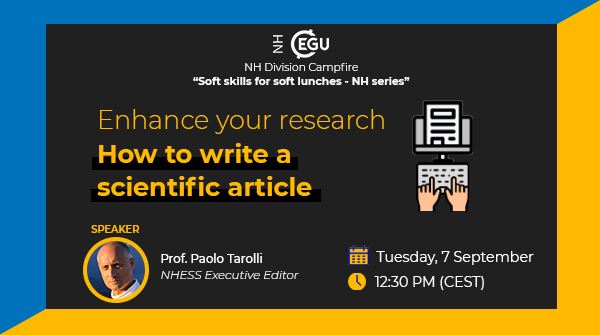
The world of research is highly competitive, and early career scientists face many challenges while trying to carve out a successful career path. Writing scientific articles is one of those challenges. Prof. Paolo Tarolli (University of Padova) shared his personal experience on “How to write a scientific article” with 130 attendees last 7th September, during the first Campfire event, & ...[Read More]
Floods in the Anthropocene: the good, the bad and the ugly
The interplay between human societies and floods dates back to Old World civilizations. Floodplains have provided the potential for prosperous agriculture and for the development of organised communities and urban cultures. Contextually, flood events have caused millions of fatalities and invaluable economic losses throughout history. Over the past decades, human activities have increasingly alter ...[Read More]