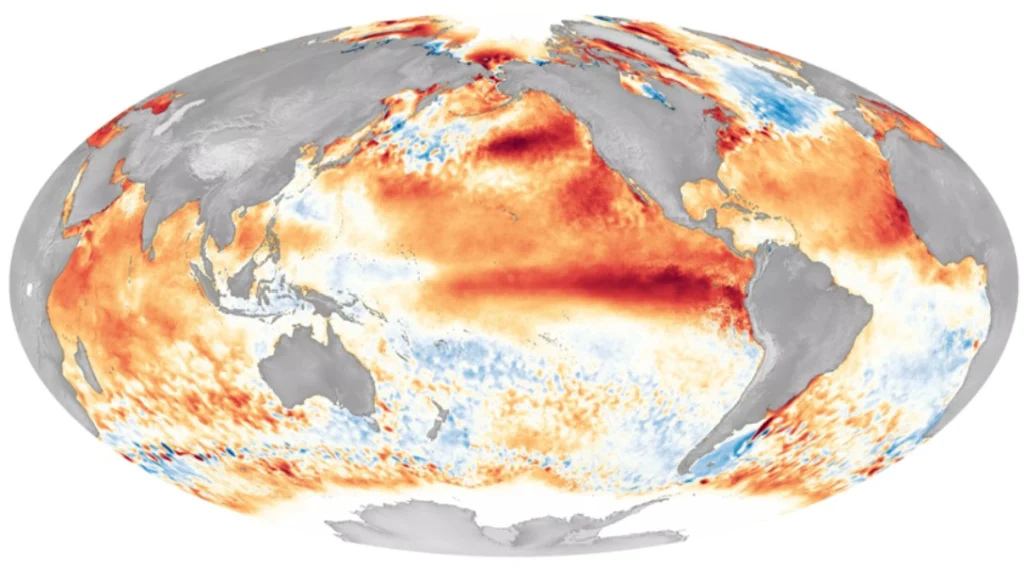
Floods in one region. Droughts in another. Wildfires intensifying across already dry landscapes, while elsewhere intense rainfall triggers landslides and infrastructure disruption. At first glance, these hazard events may seem entirely unrelated. After all, what could a flood on one side of the world possibly have to do with a drought on the other? Yet many of these seemingly disconnected events c ...[Read More]
Climate hazard
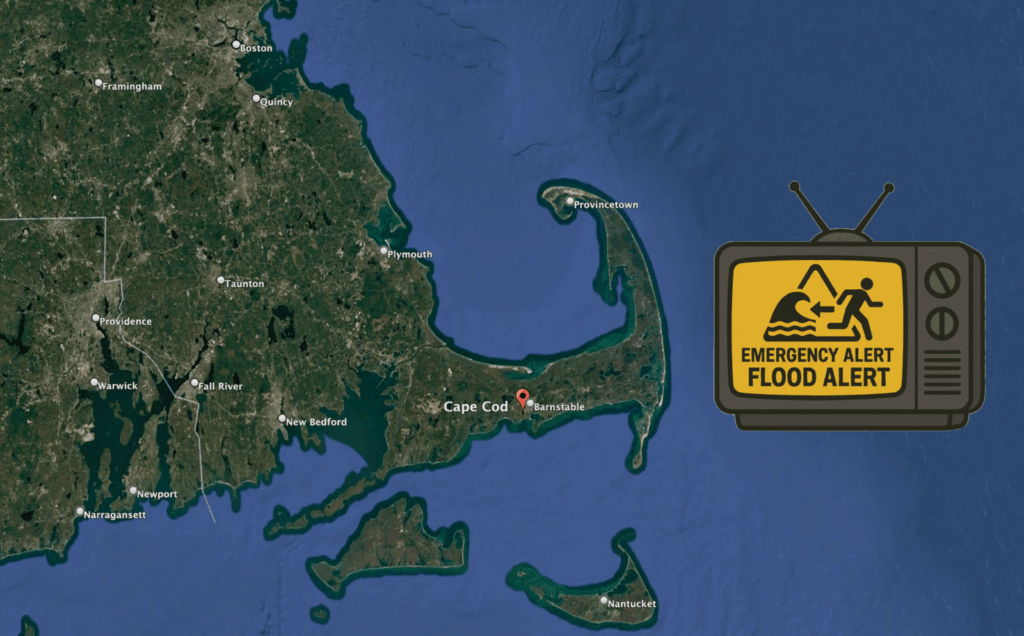
Be prepared, don’t be scared: Early Warning System Test during Thanksgiving on Cape Cod
This week I think back on my time in the United States of America, where I was able to spend the holiday season. In North America, “fall” marks the beginning of this holiday season, and symbolises a time filled with traditions of togetherness that transcends regions. In New England, particularly in the state of Massachusetts, the season is synonymous with crisp air, vibrant foliage, and the celebr ...[Read More]
Trans-Border Mountainous Areas: Zones of Conflict or Cooperation Amid Natural and Man-Made Hazards?
Mountain ranges have long served as natural boundaries, shaping the geopolitical landscape of nations. However, these towering landmarks often straddle borders, creating zones of cooperation or, more frequently, contention. From the Mont Blanc massif in Europe to the young, fragile ranges of the Himalayas, mountainous regions are fraught with overlapping challenges, including natural hazards, clim ...[Read More]
A symphony of uncertainties: exploring the interplay between climate hazards and human societies
Climate hazards are manifestations of the Earth’s complex climatic systems. As natural events, they have always occurred, yet changes in the global climate increase the frequency and intensity of extremes and their impact on the built environment and people. Predicting the nature, scale, and location of climate hazards and their complex interplays with anthropogenic factors is not a straightforwar ...[Read More]
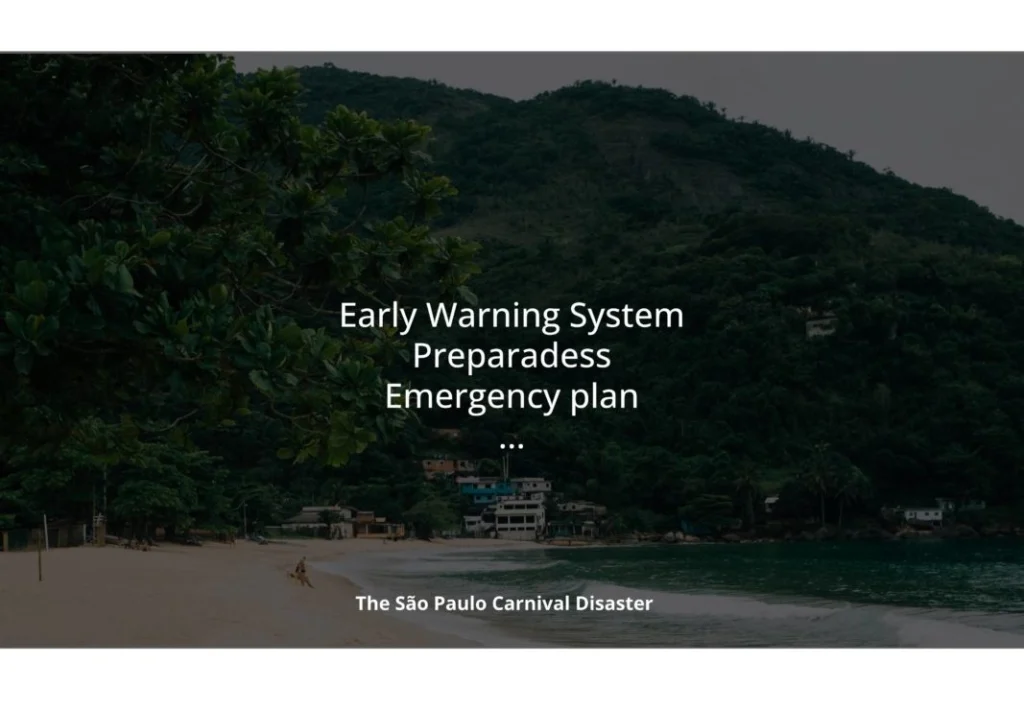
The 2023 Carnival disaster in São Paulo: an all time record for rainfall in Brazil
In February 2023, Brazil experienced its largest rainfall event on record, which devastated the northern coast of the state of São Paulo. This event caused landslides, floods, and numerous fatalities, making it even more tragic than previous disasters in the region, which already have been elaborated on in another blog post. The situation highlights the urgent need for effective emergency manageme ...[Read More]
Learning more about geohazard: Talking with EGU_NH 2023 Sergey Soloviev Medalist
It is my pleasure to interview the 2023 EGU Sergey Soloviev Medalist Dr Peng Cui, Professor at the Institute of Geographical Sciences and Resources、Institute of Mountain Hazards and Environment, Chinese Academy of Sciences (CAS), known for his work and commitment to understanding geohazards, especially earthquake-induced hazards. He has dedicated his life to understanding how to minimize disaster ...[Read More]
Getting to know NH11: Climate Hazards, the new EGU Natural Hazards Sub-Division
Earlier this year, the EGU Natural Hazards Division launched a new sub-division dedicated to climate hazards. In today’s interview, Dr Steven Hardiman, a Senior Research Scientist at the Met Office (UK) and the Science Officer of this new sub-division, will share some insights about NH11 and its future development. Hi Steve, and congratulations on your new role! Please tell us about your ca ...[Read More]
Climate change: let’s talk about adaptive capacity
The ancient Greek philosopher Heraclitus once said, “there is nothing permanent except change”. We are living in an epoch where constant change is the new normal. Unquestionably, climate change is one of the most significant challenges of our time. How can we shape our thinking to become more agile to change, and what attributes do organisations and societies need to increase their cap ...[Read More]
Active faulting causes subsidence-related flooding: the example of the Kashmir basin of NW Himalaya
Flood hazards often turn destructive and cause substantial loss of life and assets. Annually floods cause significant damage; for example, during the last decade of the 20th century, around 100,000 people lost their lives, and more than 1.4 billion people were affected [1]. Historically, flooding has been viewed as a friend and foe of human civilisations. As a good friend, floods bring nutritious, ...[Read More]
Repression Without Resistance: Answering Natural Hazards Related Disasters
Answering disasters triggered by natural hazards is a profoundly political process; who can tell us about this is Isabelle Desportes with her study cases of Ethiopia (the 2016 drought), Myanmar (cyclone Komen in 2015) and Zimbabwe (the 2016/2019 drought). Today, I have the pleasure of interviewing Dr Isabelle Desportes, a researcher who approaches disaster risk governance from the angle of politic ...[Read More]