
GD
Geodynamics

edited by Alexis Gauthier

Alexis is a PhD student at ISTeP, the geosciences laboratory of Sorbonne University in Paris. He uses numerical simulations to better understand the effects of long-term deformation on the seismic cycle of subduction zones.

Modeling the full spectrum of observed seismicity: Insights from friction laws, fault instability, and fault-zone mechanics

Modeling the full spectrum of observed seismicity: Insights from friction laws, fault instability, and fault-zone mechanics

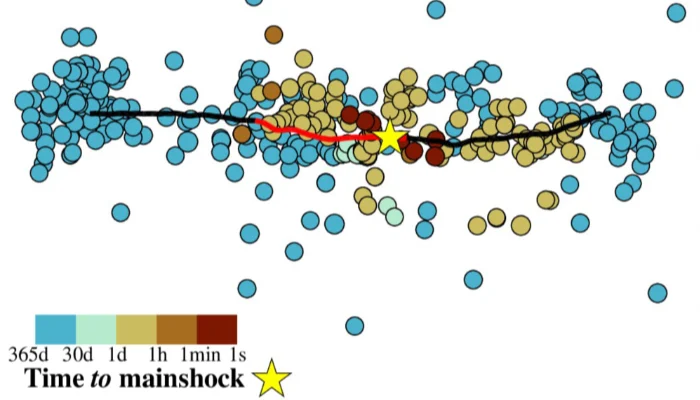
Introduction Despite advances in our understanding of rock mechanics, the frictional behavior of rocks, and the physics of instability in geological materials, the coexistence of slow and fast earthquakes, as well as various types of fault-zone seismic radiation such as tremor, remains enigmatic. Can fault mechanics and friction laws reproduce the full spectrum of observed seismicity? In this week ...[Read More]

FrenSZ workshop: a French interdisciplinary initiative around subduction zones.

FrenSZ workshop: a French interdisciplinary initiative around subduction zones.

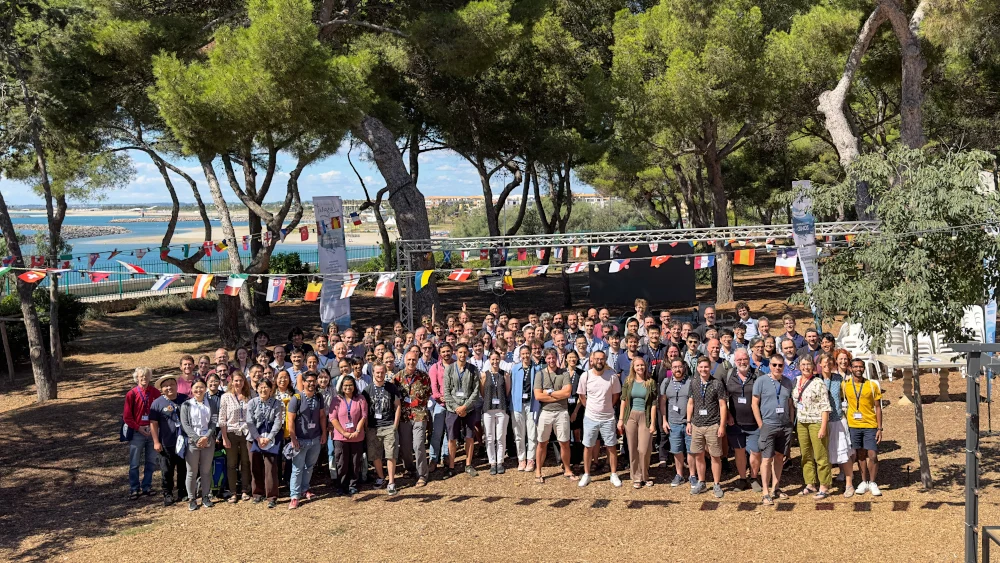
Since 2022, the annual FrenSZ workshop has been bringing together a vibrant and interdisciplinary community around subduction zones in France. In this week’s blog post, we dive into how FrenSZ is organized, highlight its scientific outcomes and how it is opening new connections on the international stage. A large French community. In France, a fairly large community of Earth Scientists devote thei ...[Read More]

What drives the extensional deformation in the central Apennines (Italy)?

What drives the extensional deformation in the central Apennines (Italy)?

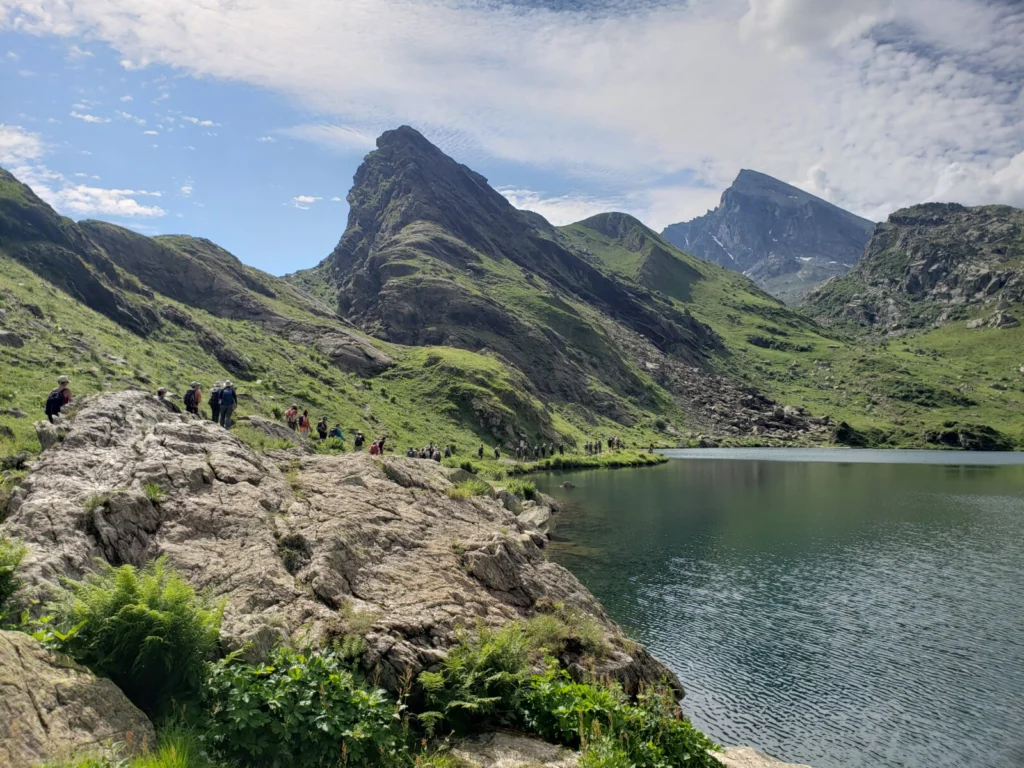
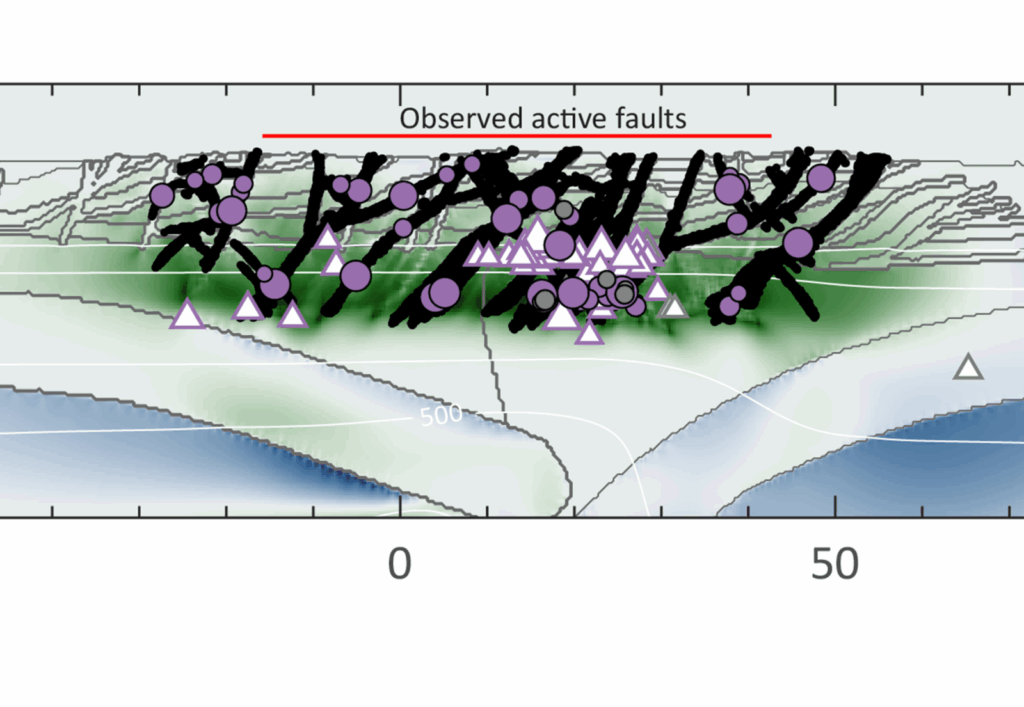
The central Mediterranean is a geodynamically complex region shaped by the interaction of multiple active subduction zones. In Italy, the central Apennines display a distinctive pattern of surface deformation that is proposed to be linked to a slab break-off beneath the area. In this week’s blog post, Maaike, a PhD student at ISTerre in Grenoble, France, explores the key processes driving surface ...[Read More]

DYNAMICE: An ERC Starting grant project to bridge the gap between geodynamics and ice modelling

DYNAMICE: An ERC Starting grant project to bridge the gap between geodynamics and ice modelling

In the 2024 ERC Starting Grant call, the European Research Council received nearly 3,500 proposals, of which approximately 14% were awarded funding. Among the 20 projects funded in the field of Earth System Sciences is DYNAMICE, led by Ágnes Király, the 2023 recipient of the EGU GD Division Outstanding Early Career Award. Through this blog, Ágnes will introduce us to her project. The vast ice shee ...[Read More]