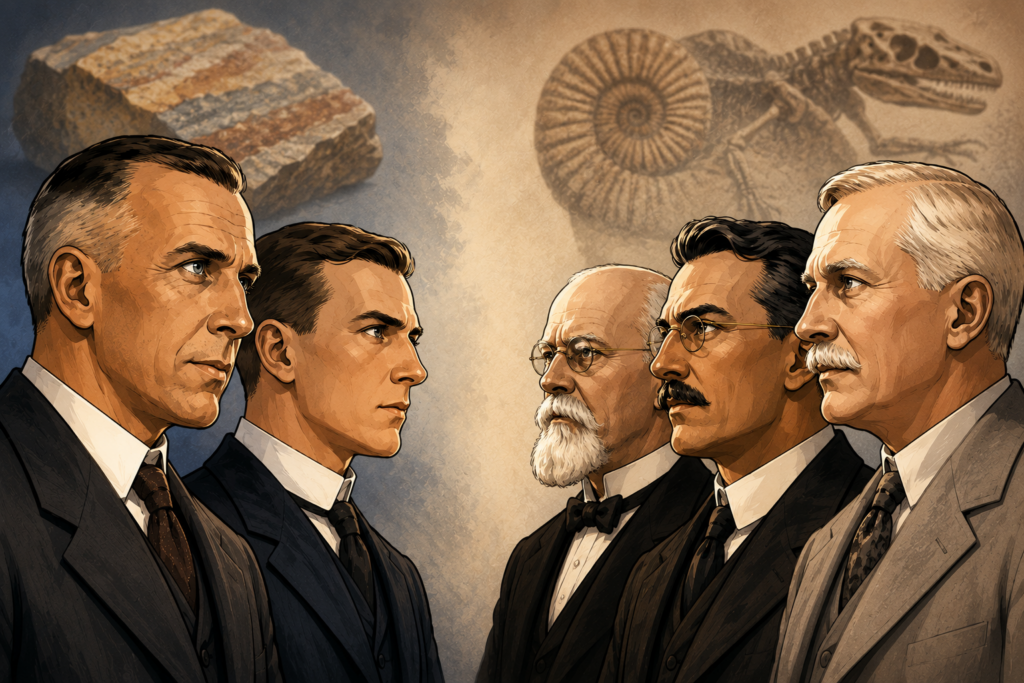
In this essay, Jean-Baptiste Koehl reflects on the origin of a 100-year-old divide within the geoscience community and explores how tectonics and paleontology may be brought closer together through the concept of orogenic bridges. Disclaimer: The reflections presented here reflect my perspective grounded in my own research and experience. One of the most iconic interdisciplinary achievement ...[Read More]
Wit & Wisdom
Mobilidiocy
Guess who’s back? Back again! Sassy’s back, tell your colleagues! This week I am going to shoot the elephant in the room by answering Will’s question “Is Mobility a plus or a must for a research career?” Now I know I have already answered a similar question some time ago, but a changing world requires an updated saucy answer. Disclaimer: The reflections presented here reflect my perspective ground ...[Read More]
Growing geological Christmas trees: salt ‘Christmas-tree’ structures explained
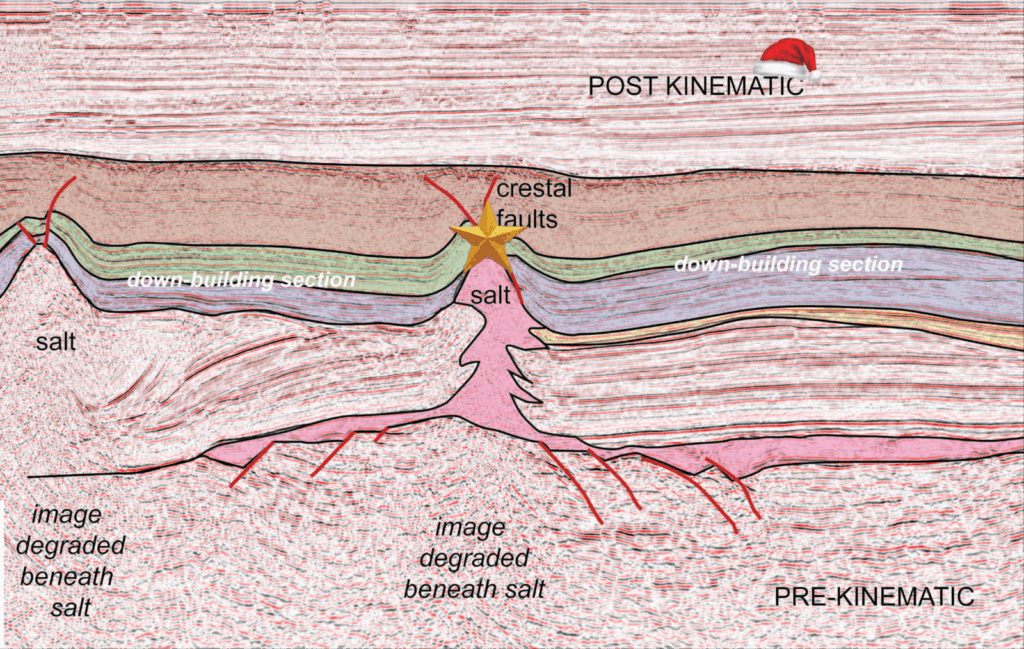
As geoscientists, we tend to see geology everywhere. Around Christmas, many people stare at decorated fir trees and twinkling lights; salt tectonicists stare at seismic lines and outcrops and see… trees as well. Tall stems, branching limbs, stacked “tiers” of material; a whole forest of geological Christmas trees hiding in the subsurface. In salt provinces around the world, from the Flinders Range ...[Read More]
Dislocation Creep and the Development of Deformation Fabrics
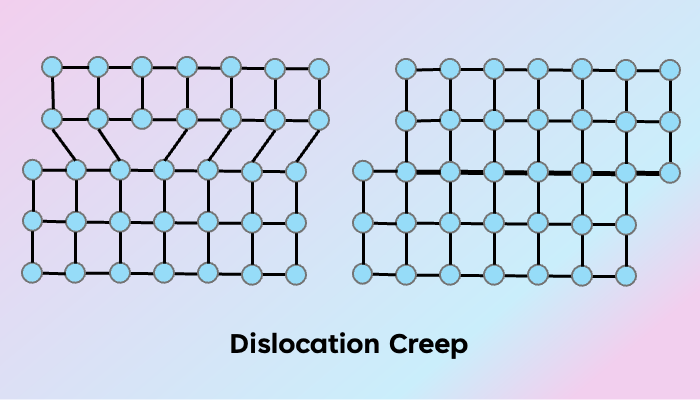
Assume you are under stress. What do you do? Take a walk in the park, order your favorite takeout, have a breakdown, or internally slip along preferred slip systems and develop a fabric? The response will mostly depend on what kind of material you are, how much stress you are under, and what environmental conditions you are subjected to. For instance, someone might listen to classical music after ...[Read More]
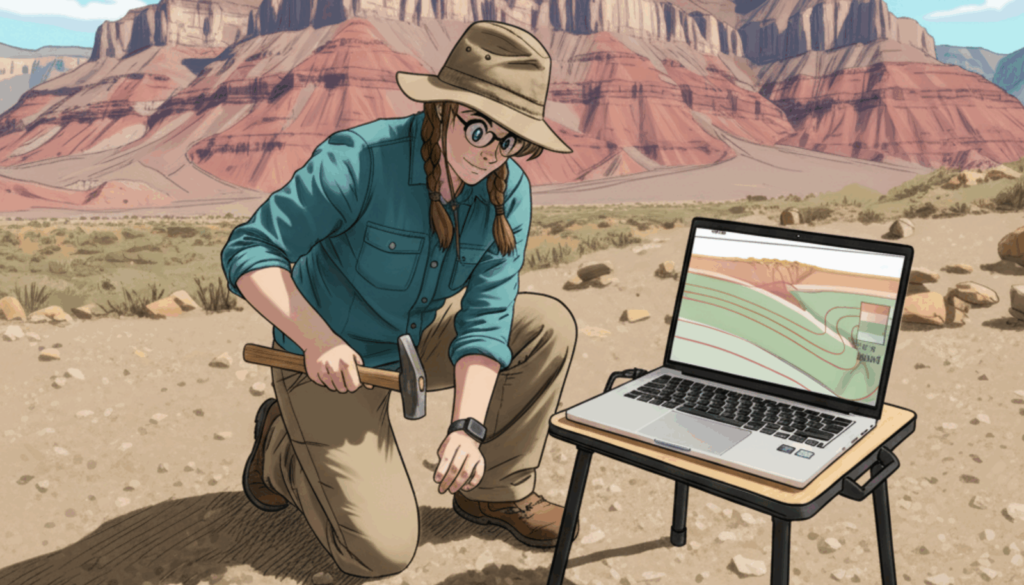
From Rocks to Models: Reconciling Field Geology with Geodynamic Simulations
When reading a scientific paper or a text explaining the physical workings of the Earth, one of the most striking aspects is the methodological approach—sometimes involving numerical models, other times fieldwork and/or rock geochemistry. This diversity of approaches can initially cause some discomfort, a feeling that things are like square pegs in round holes. How can a computer model dialogue wi ...[Read More]
Applying for a PhD in Geoscience: To do or not to do
Fresh out of your bachelor’s degree, or more commonly these days, your master’s degree, it can be tempting to pursue your PhD as quickly as possible. While there are compelling reasons to dive straight in, rushing into a PhD might not be your best choice. To be or not to be a researcher? Before you start firing off applications, take a step back. Forget any expectations you had ...[Read More]
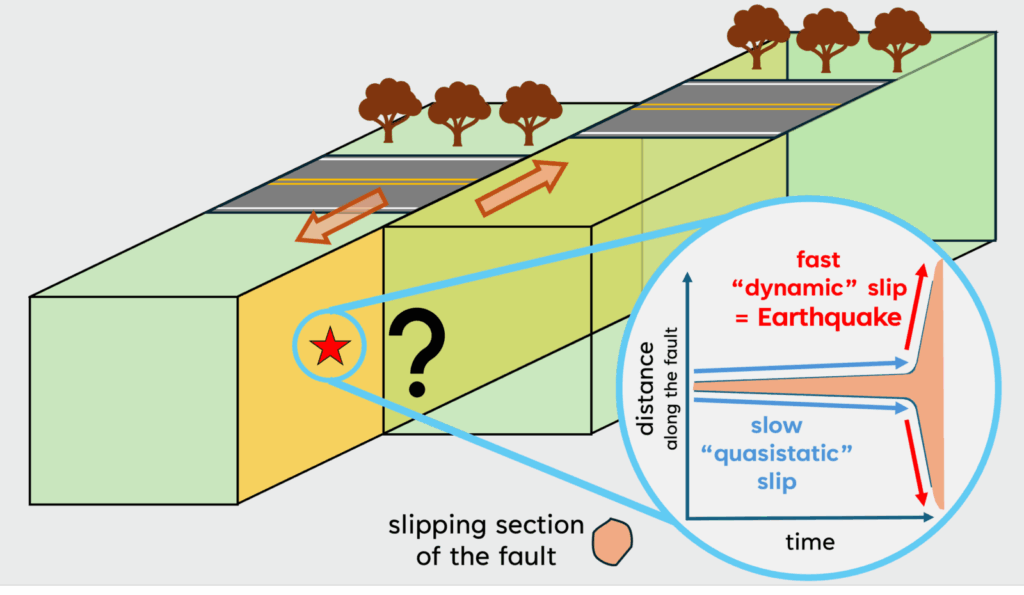
Don’t Stop Me Now: A Fracture Mechanics Perspective on Earthquake Nucleation
How do earthquakes start? Earthquakes occur when a block of rock rapidly slides past another along an interface or a discontinuity in the medium and release energy in the form of seismic waves. Turns out, the surface of the earth is riddled with a lot of these discontinuities, which we call “faults”. If we plot the locations of earthquakes on a world map (Figure 1a), we will see that they highligh ...[Read More]
The Sassy Scientist – Academic Motion Sickness
The first year of a PhD can quickly shift from an exciting adventure (“Ok I got this“) to an exasperating rollercoaster (“What I am doing here? What if I just move to a husky farm in Canada?“). Marina, has reached that stage and, after having exhausted her patience scrolling through <insert your preferred social media platorm here> in search of threads on how to boost ...[Read More]
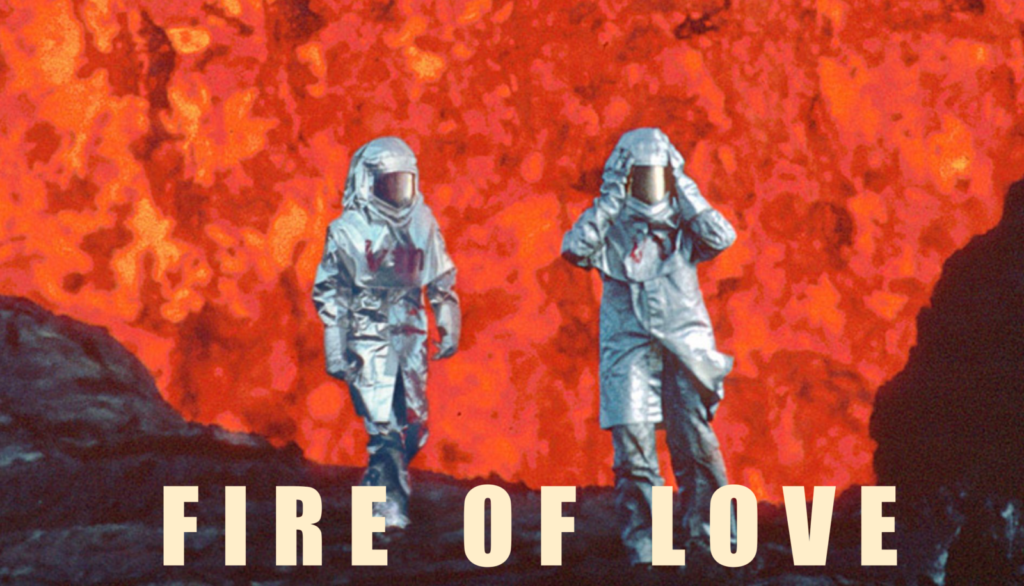
Geo-movie: Fire of Love (2022), a love story of Katia, Maurice and volcanoes
Geo-movies are often Sci-Fi movies, which usually borrow disastrous concepts from earth science, and turn them into the end of the world while crystallizing humanity along with it. “Fire of Love”, on the other hand, is a 2022 documentary movie that explores the lives, relationship and careers of legendary volcanologists Katia Krafft and Maurice Krafft. The movie is directed by Sara Dosa, and most ...[Read More]
How we made QUARTETnary – the card game about the geological time scale
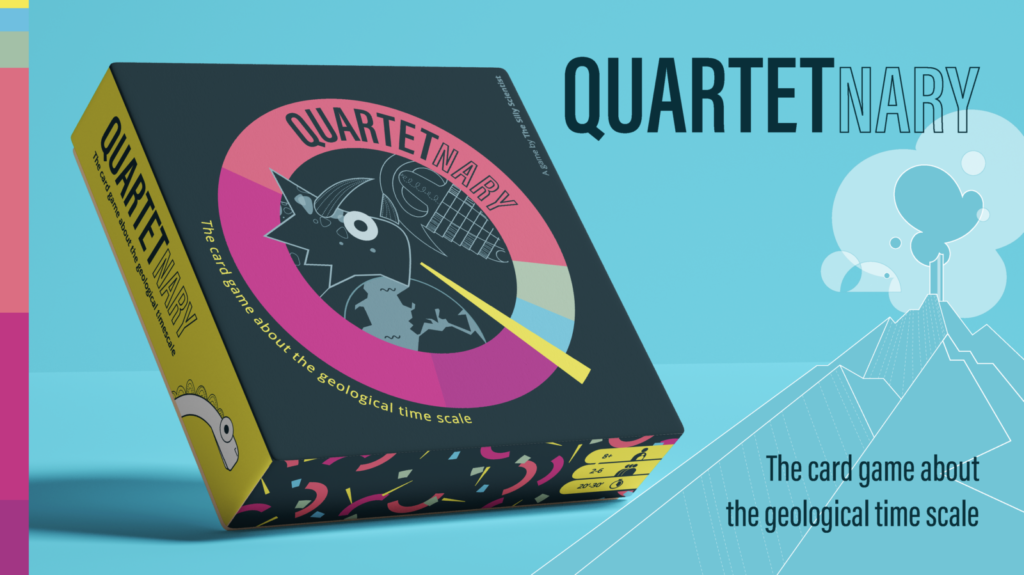
QUARTETnary is an educational card game about the geological time scale. Consisting of 60 beautifully illustrated cards, QUARTETnary explores the events in Earth’s history: from dinosaurs to humans and from the formation of the Alps to the formation of the Himalayas. It was designed by Iris van Zelst (me! Your fabulous former Editor-in-Chief), and illustrated by Lucia Perez-Diaz (also a former edi ...[Read More]