GD
Geodynamics

Peculiar Planets

Going Around Mars

Going Around Mars

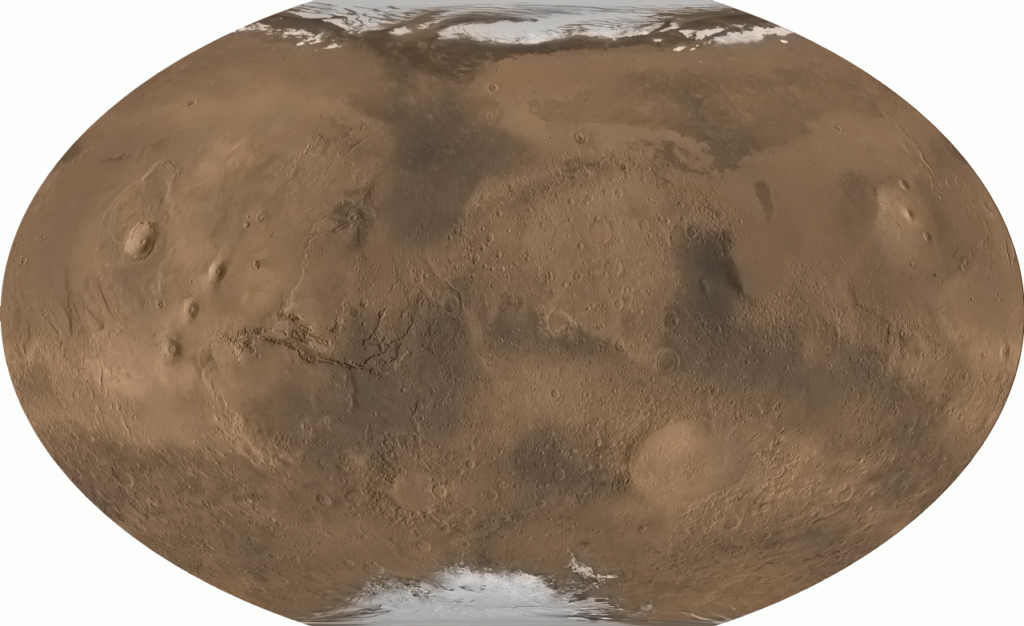
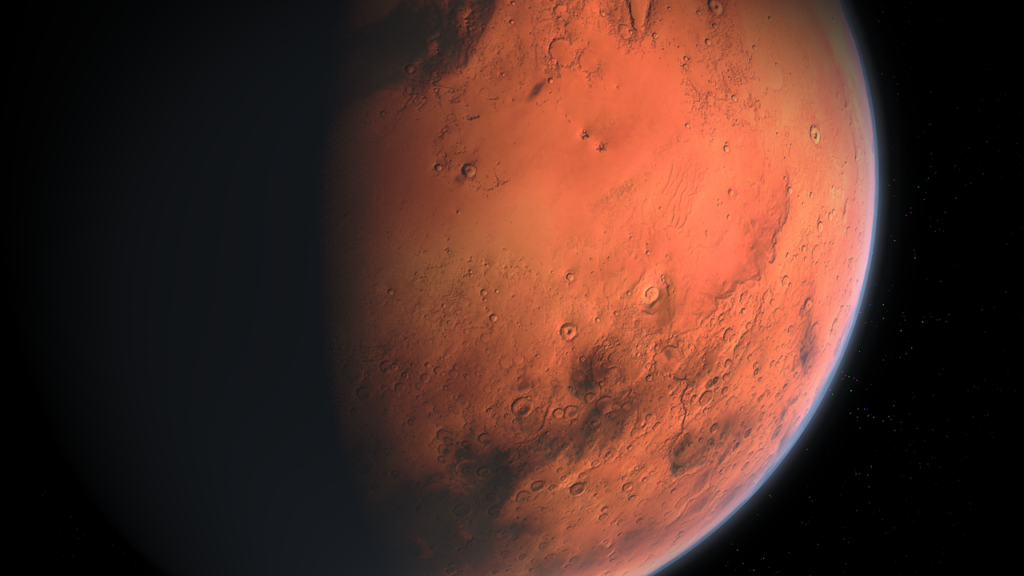
One of our closest neighbors in the universe, the red planet, has long intrigued geoscientists. Mars has been the destination for multiple spacecraft missions. Two rovers, Curiosity and Perseverance, are still exploring the planet as of 2025. This week, let us go on a short tour around Mars and show a little love to this …[Read More]

How numerical modeling helps decipher the dynamics and evolution of Venus

How numerical modeling helps decipher the dynamics and evolution of Venus

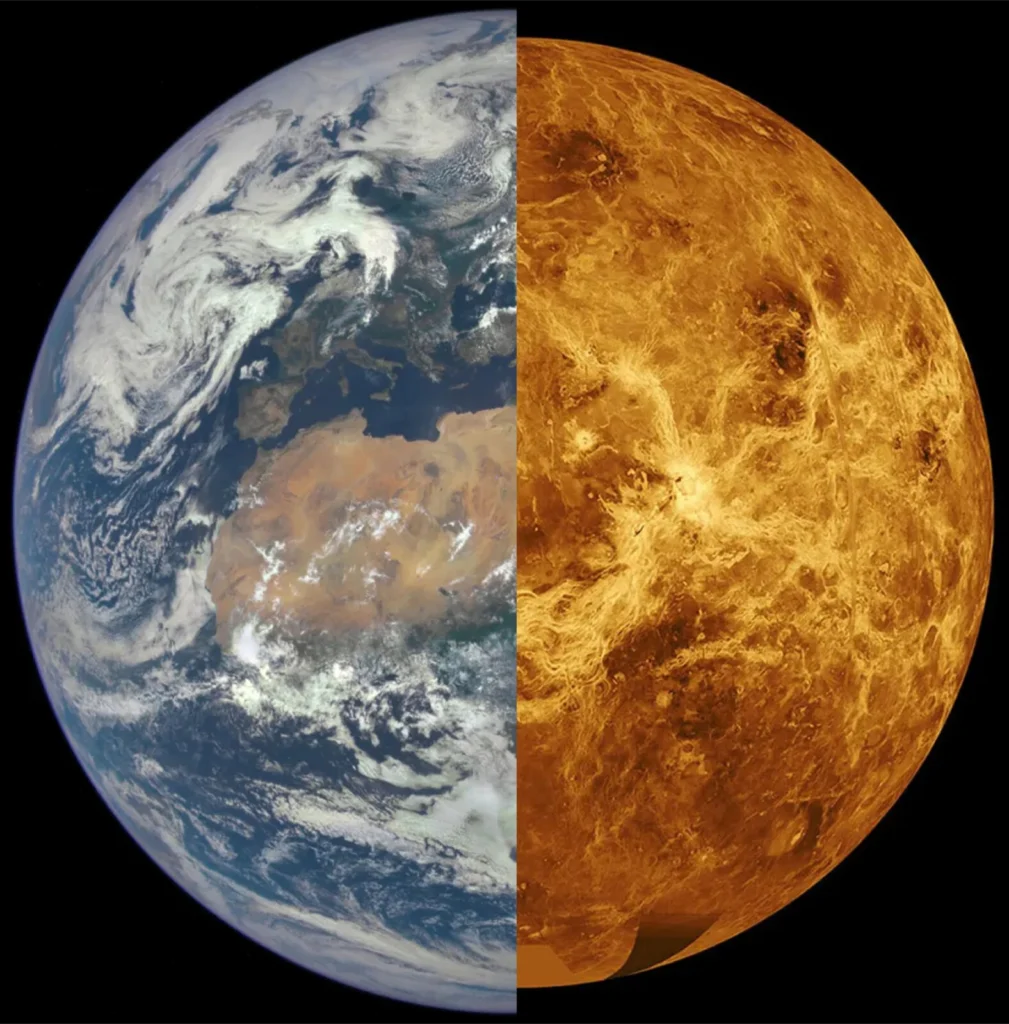
Earth’s sister, Venus, is a planet whose evolution is drastically different from our own. Unravelling the hidden mysteries behind the divergent evolution of these two planets could hold the key to understanding what makes a planet habitable. Using numerical modelling, Diogo Lourenço and Cédric Gillmann unveil the dynamics of Venus while linking them to observations. …[Read More]

Geotandem: The Red Planet, often recognized as a dead planet, is not quite dead after all, at least geodynamically speaking

Geotandem: The Red Planet, often recognized as a dead planet, is not quite dead after all, at least geodynamically speaking

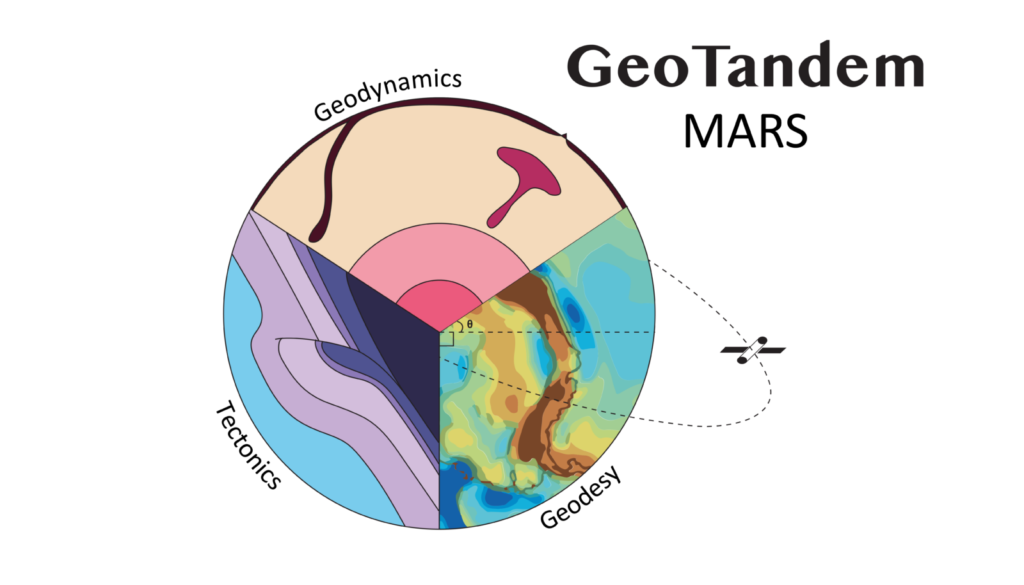
Welcome to the first of its kind, the Geotandem 01! A collaborative series between EGU divisions. Interdisciplinarity is intrinsic to Geosciences, so we want to showcase how researchers approach the same topics from different but also complementing perspectives. In each edition, we will bring you a high-interest topic for the community seen from the eyes …[Read More]

The first observational evidence for a volcanically active Venus

The first observational evidence for a volcanically active Venus

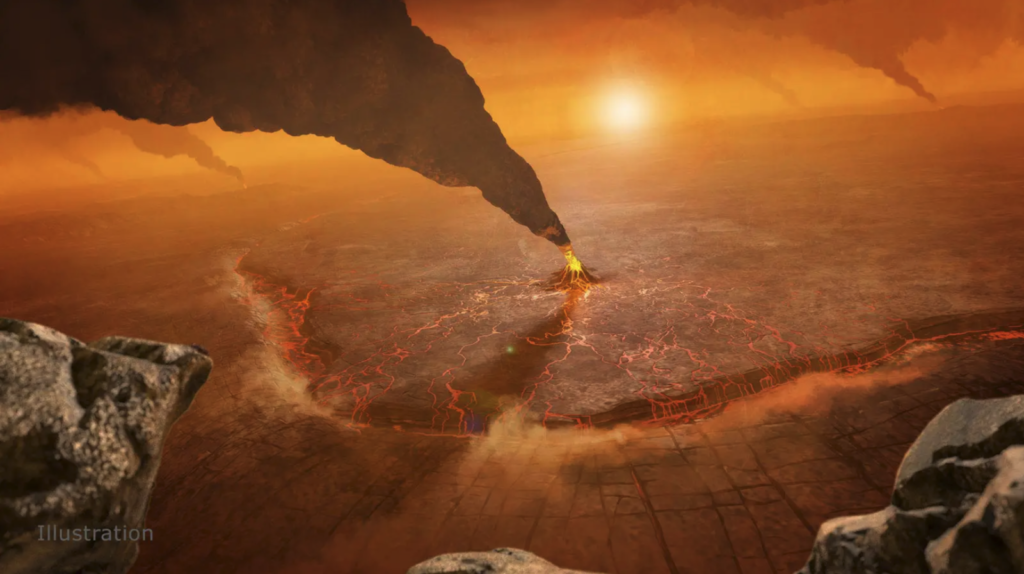
Our neighbouring planet Venus is gaining popularity in the terrestrial planetary sciences, especially since the selection of three new Venus missions by NASA and ESA in 2021. Now, for the first time ever, scientists have directly observed surface changes that indicate active volcanism on Venus. This discovery was made with data from NASA’s 30-year-old Magellan …[Read More]

Sliding across the Solar System – The missing origins of gigantic landslides

Sliding across the Solar System – The missing origins of gigantic landslides

Landslides can be impressively huge and fast and can occur on all sorts of places including asteroids, rocky moons and Mars! Giulia Magnarini Post Doctoral Researcher at the Natural History Museum in London writes all about these gigantic landslides and the clues they could hold into the martian past! Gigantic landslides are ubiquitous in our …[Read More]

Stellar storms in other worlds: implications for the stability of exoplanetary atmospheres

Stellar storms in other worlds: implications for the stability of exoplanetary atmospheres

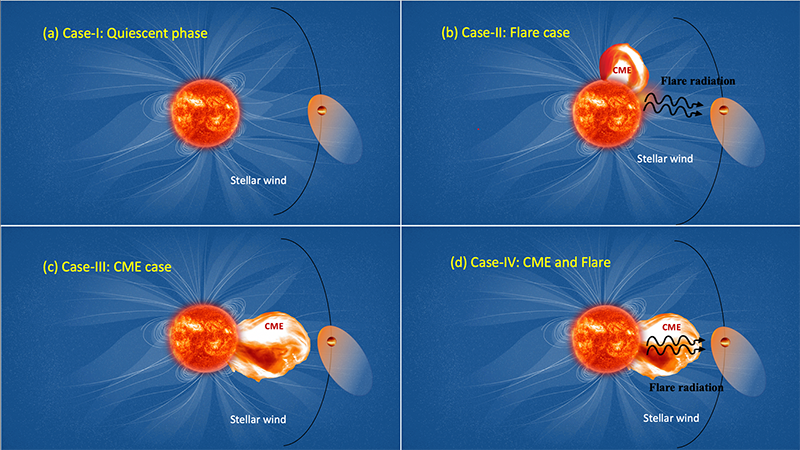
Stellar storms modify the atmospheric evolution of planets. ‘Hot Jupiter’ planets being very close to their host star, are often affected by such storms. In this week’s peculiar planet, Gopal Hazra, a post-doctoral fellow at the School of Physics, Trinity College Dublin, discusses effect of stellar storms on those planets using his self-consistent hydrodynamic models …[Read More]

On the way back to Mercury

On the way back to Mercury

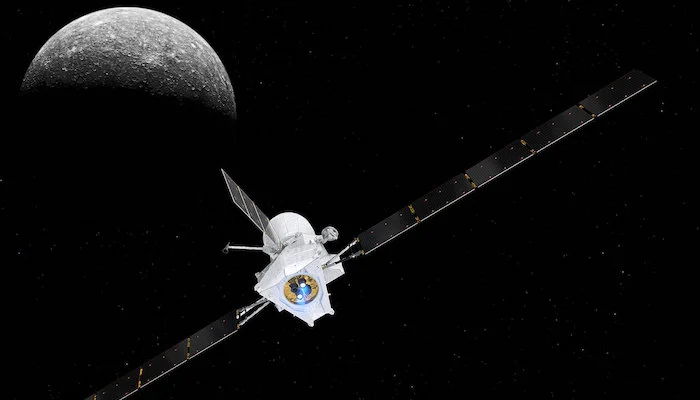
It is the smallest planet of the Solar System, the closest to the Sun and the quickest at orbiting around it, the one with the least inclined and most elongated orbit, the only one where a day lasts two-thirds of a full year, the one with the highest bulk density. Mercury is a planet of …[Read More]