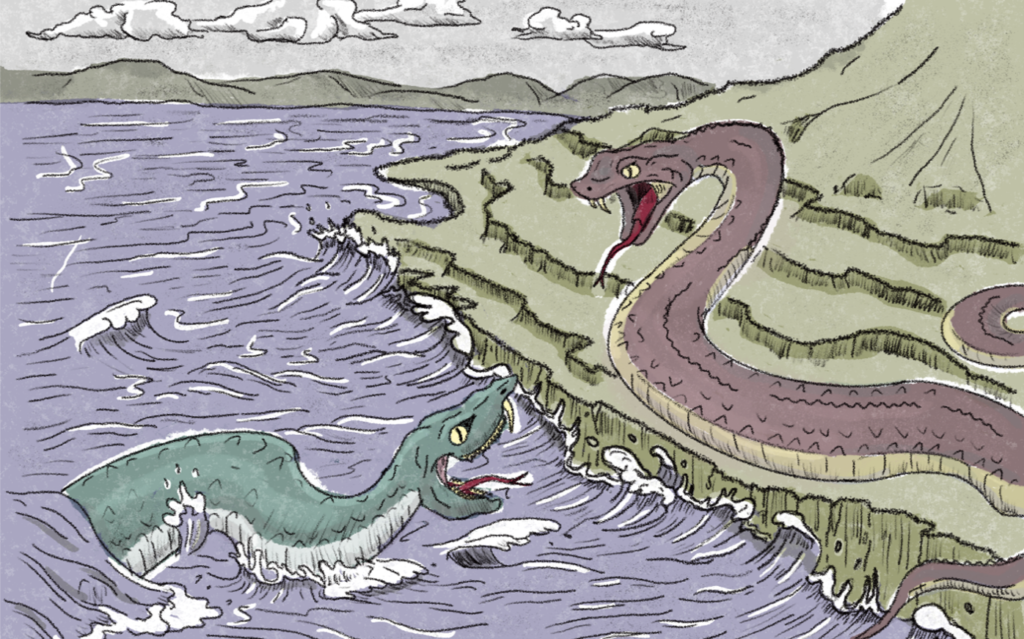
“I am forced into speech because men of science have refused to follow my advice without knowing why. It is altogether against my will that I tell my reasons for opposing this contemplated invasion of the antarctic—with its vast fossil-hunt and its wholesale boring and melting of the ancient ice-cap —and I am the more reluctant because my warning may be in vain.” The opening lines from At the Moun ...[Read More]
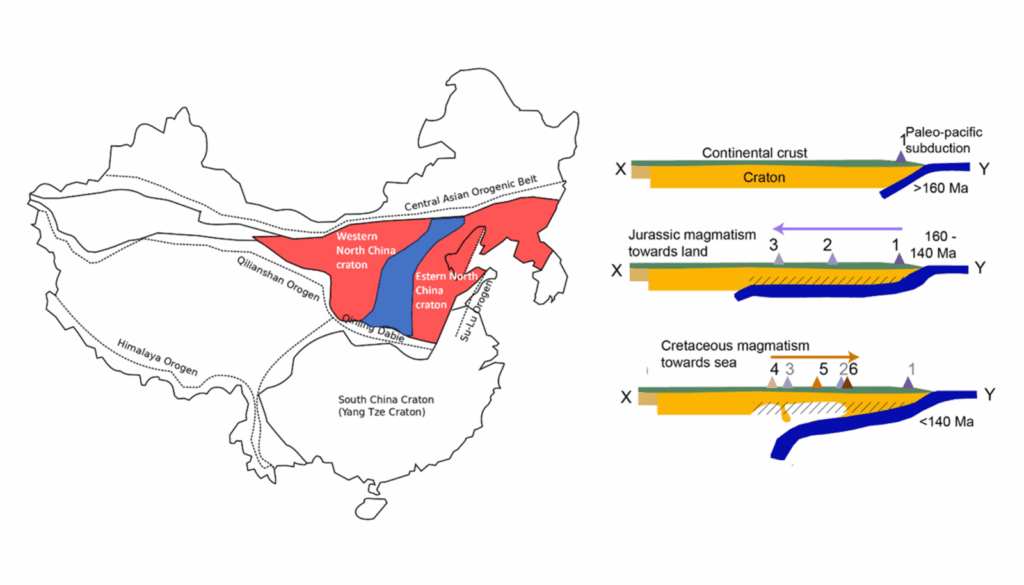
Destruction of the North China Craton and its global impact
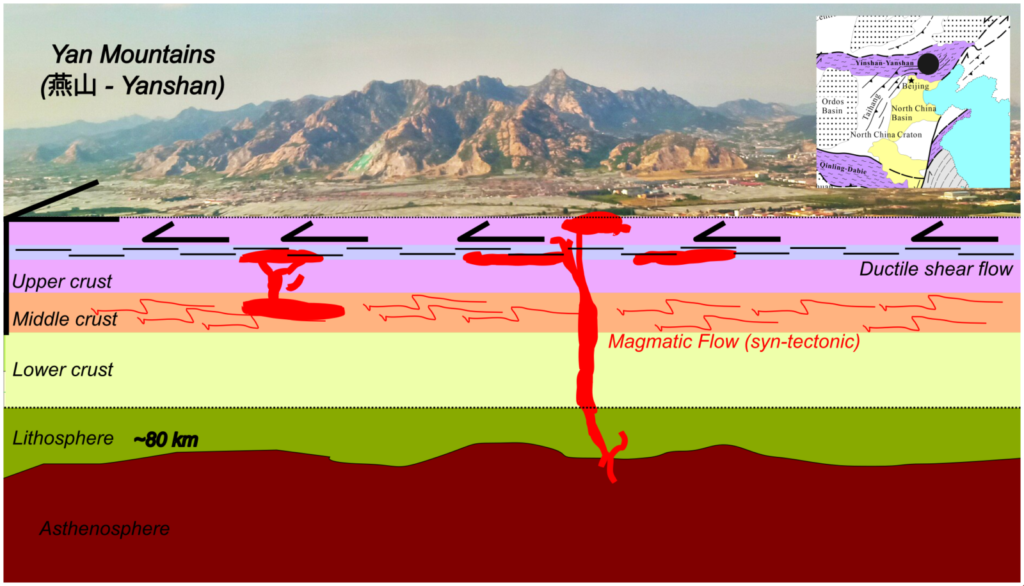
Cratons are forever, until they are not. These long-lived portions of lithosphere are known for being remarkably stable. However, if the conditions are right, even cratons can be ripped apart by geological forces, with far-reaching impacts on Earth’s systems. This week, Jyotirmoy Paul from the University of Oslo, Norway will tell us the downfall of the North China Craton, using numerical sim ...[Read More]
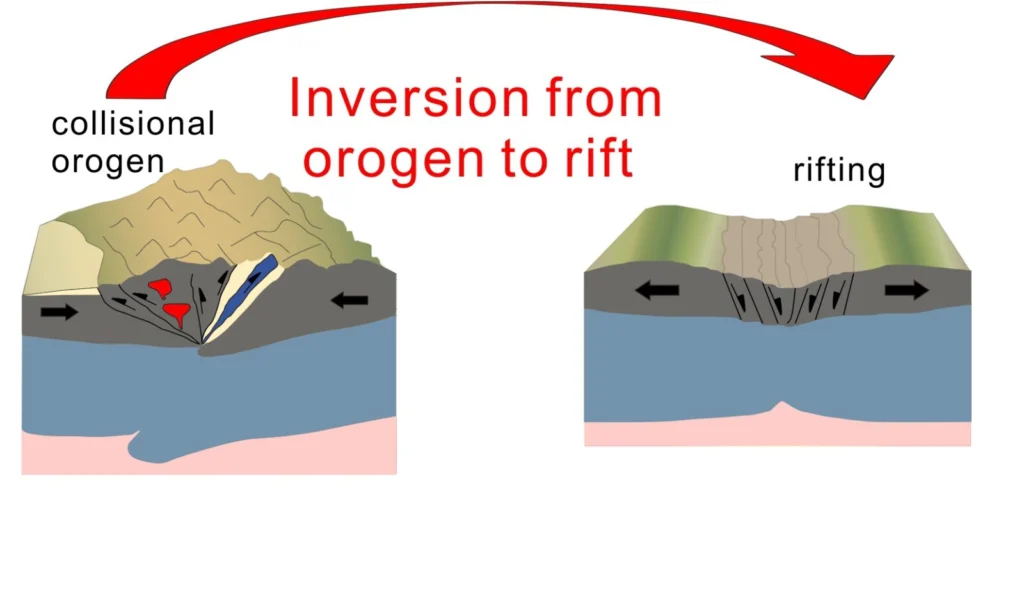
From Mountains to Oceans: How the memory of ancient orogens guides the rupture of continents
In this new blog, Dr. Kai Li (GFZ Potsdam) talk about his PhD work, where he used accordion numerical models to explore the tectonic history of the South China Sea. His PhD research focuses on the impact of orogenic inheritance on rifts and rifted margins, employing advanced geodynamic modeling techniques. Have you ever tried to fit the west coast of Africa and the east coast of South America toge ...[Read More]
Kamchatka Megathrust Earthquake: What lies in the Pacific Ring of Fire
From the very early years on this Planet, earthquakes have always captivated people’s attention. The feeling of admiration and fear always lies within us, especially drawing on the most recent megathrust earthquake that hit the south coast of Kamchatka’s Peninsula, in Russia, twice this year. Therefore, in this week’s blog, we aim to explore how this phenomenon evolved and why this specific region ...[Read More]