The EGU General Assembly is only a few weeks away, and attendees are starting to plan their schedules into what promises to be a week full of exiciting presentations and events. Don’t know where to start planning your week? We got you covered! In today’s blog, we highlight the key events of Geodynamics Division and give you some key tips to get the most out of the week. To access the e ...[Read More]
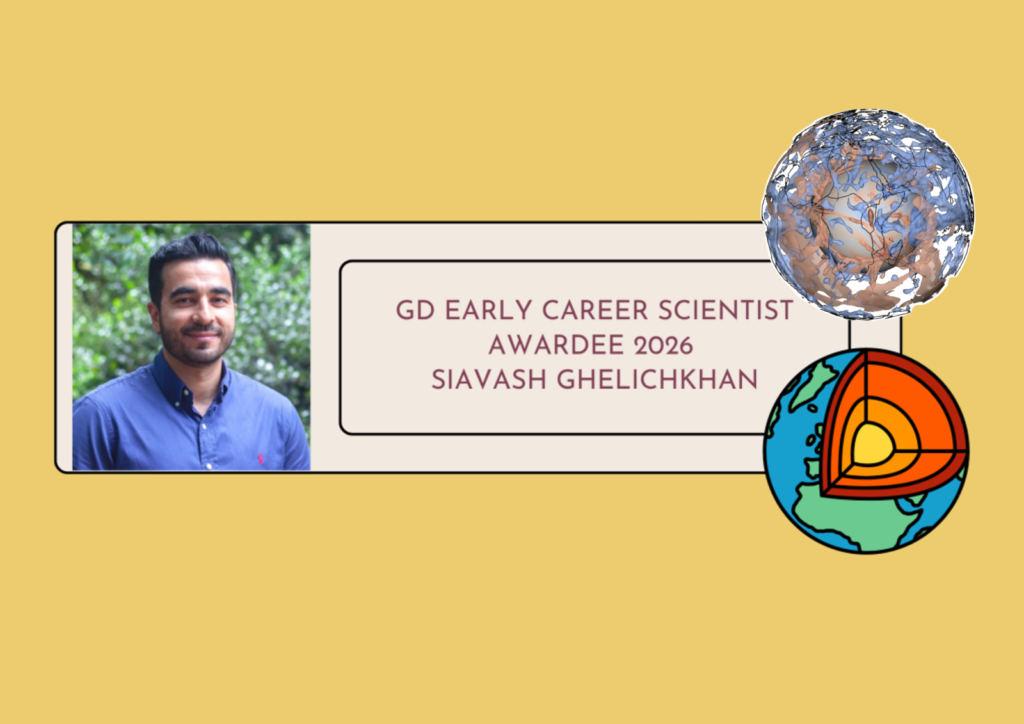
Interview ECS GD Awardee 2026 – Sia Ghelichkhan
The Division Outstanding Early Career Scientist Awards highlight exceptional scientific contributions made by an Early Career Scientist in the fields of Earth Sciences associated with each division. This year, the prestigious recognition for the Geodynamics Division has been awarded to Dr. Sia Gelichkhan, from the Australian National University. Today we have the pleasure of interviewing him on hi ...[Read More]
Shaping the Future of EGU Geodynamics: A Conversation with the Incoming President
Every leadership transition marks the beginning of a new chapter, bringing fresh perspectives, new priorities and opportunities for growth. This year, the EGU Geodynamics Division warmly welcomes Professor Laetitia Le Pourhiet as its new president. A renowned researcher at the Institut Universitaire de France and Sorbonne Université, Prof. Le Pourhiet steps into the role with a clear vision for th ...[Read More]
Iris van Zelst – GD Outstanding ECS Award 2025
The 2025 Outstanding Early Career Scientist Award of the Geodynamics Division was awarded to Iris van Zelst in recognition of her outstanding ability to connect research fields including earthquake dynamics, planetary sciences and geodynamics, along with her profound engagement with science outreach and promotion of diverse and inclusive working enviroments. In this interview, Iris -also former EG ...[Read More]
Notice! – Your public data has been collected to study the diversity of the geodynamics community over time
Dear Geodynamics community, This is your trusted former Editor-in-Chief speaking. I have an important announcement! In very exciting news, the team behind the 101 Geodynamic modelling paper (which I am sure you have read and loved, right? No? Well, what are you waiting for?! Check it out here!) has reunited to write another very relevant paper tailored to the geodynamics community. You’re we ...[Read More]
The Geodynamics Division @ EGU25
With the EGU General Assembly (GA) less than a month away, attendees should start planning their schedules to get the most out of the week. In today’s blog, Geodynamics (GD) Division Early Career Scientist (ECS) representative Garima Shukla highlights the GD Division’s networking events and provides an overview of key events at the GA. Networking Events: Geodynamics Division What: ECS ...[Read More]
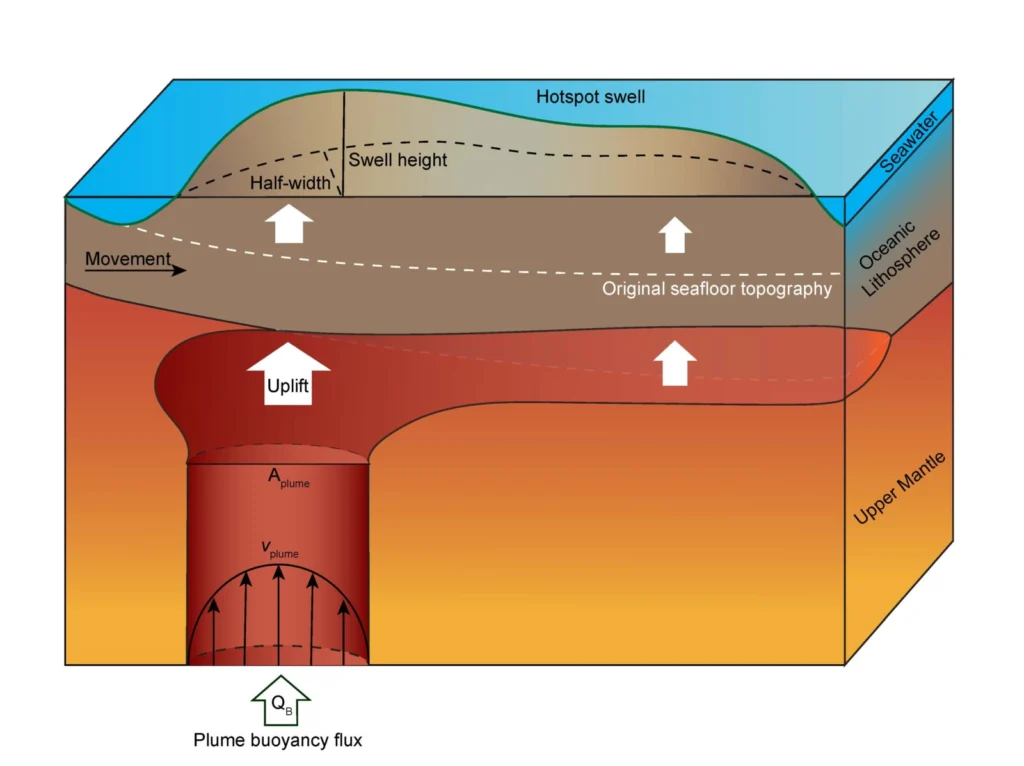
New Insights into Plume Buoyancy Fluxes and Dynamic Topography from Numerical Modelling
Figure 1. Illustration of the hotspot swell and plume buoyancy flux. White dashed line shows the original seafloor topography due to half-space cooling. Dark green line represents the surface dynamic topography caused by the dynamic uplift of the plume. One of the main surface expressions of dynamic topography are hotpot swells formed by mantle plumes. In this week’s post, Ziqi Ma, PhD candi ...[Read More]
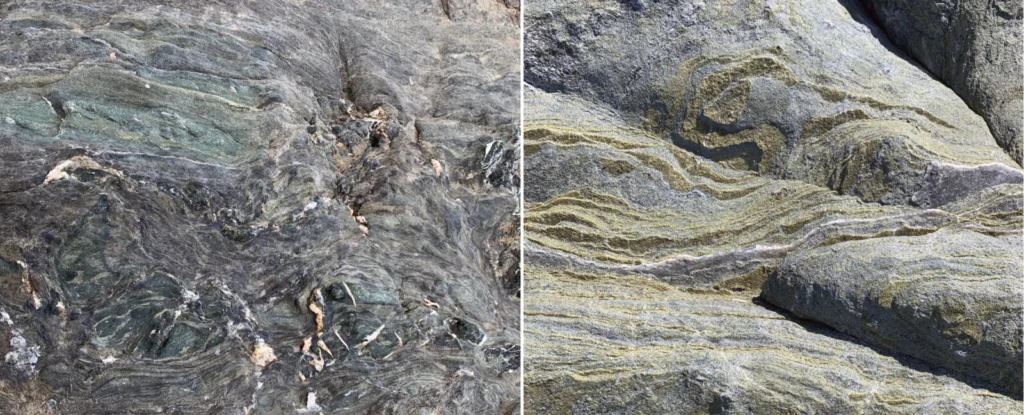
A New Look at the Rheology of Deep Subduction Zones
Subduction zones are dynamic regions where intense geological processes like earthquakes, volcanic eruptions, and the recycling of oceanic crust are constantly at play. A key factor that influences the behavior of these zones is *interface rheology*—the strength and viscosity of the boundary (the interface) between the subducting and overriding plates. Understanding this interface is crucial for i ...[Read More]
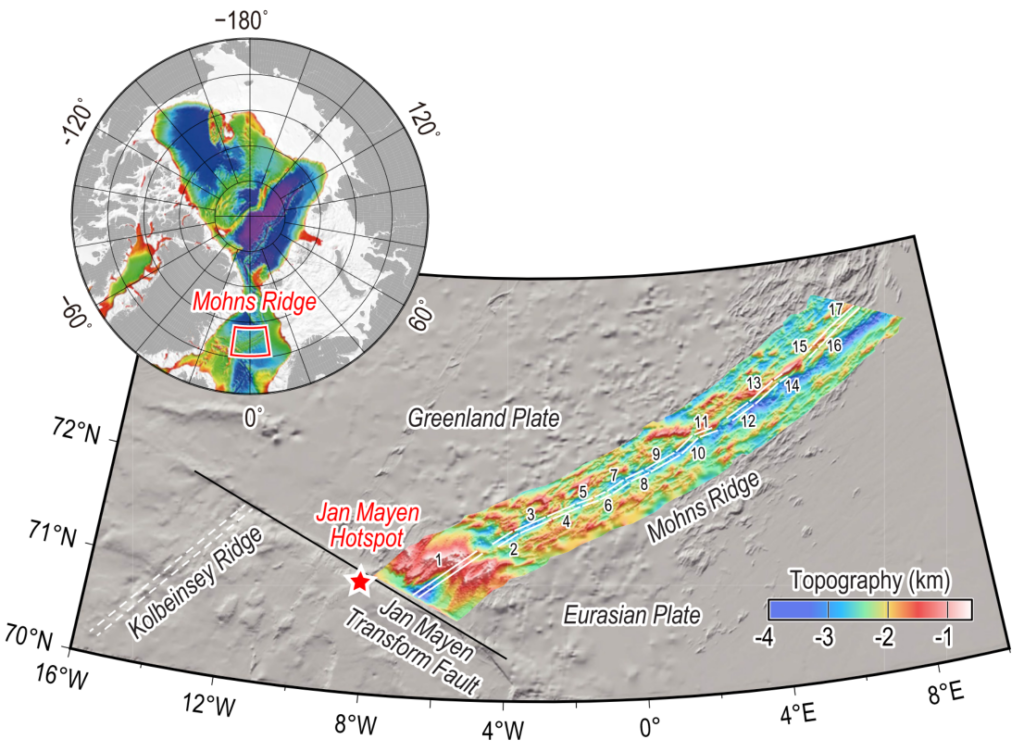
What’s the role of hotspot and oceanic transform faults at ultraslow spreading ridge?
Mid-ocean ridges (MOR) and hotspots are two types of magmatic activity occurring in the ocean. The MORs are typically associated with another tectonic feature—oceanic transform faults. While numerous studies have focused on the interactions within MORs, hotspots, and transform faults, there has been limited research on cases where a hotspot and a transform fault are located at the same end ...[Read More]
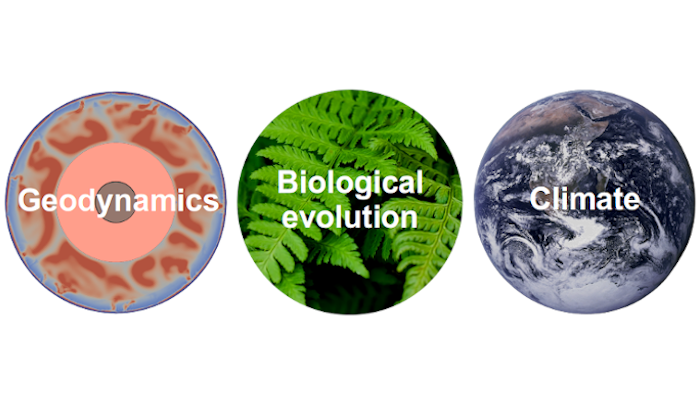
Biogeodynamics – Let’s model the entire world!
All models are wrong, but some are useful – we all have heard this quote. But it raises several questions (including but not limited to) – What would a model of the entire world look like? Can you couple geodynamical models with climate and biological evolution models? Would these models be useful? In this week’s blog post, Timothy Gray, a PhD student from ETH Zürich is looking for ans ...[Read More]