NH
Natural Hazards

Natural Hazards

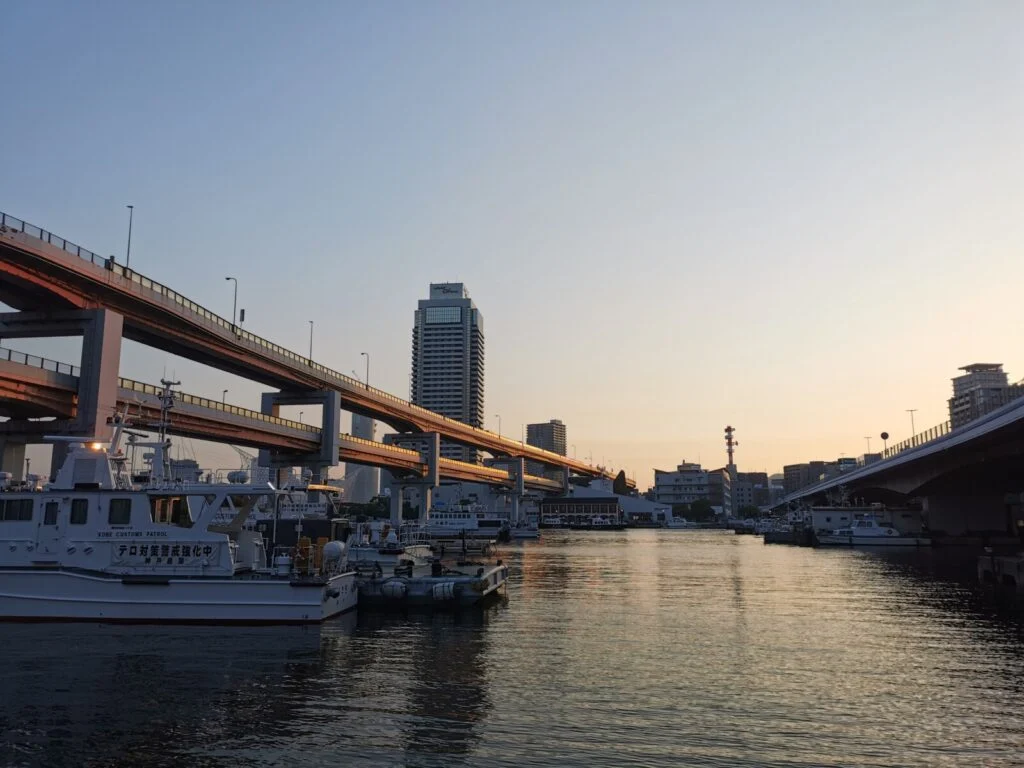
Is culture the missing link to disaster risk reduction?

The City of Kobe, Chuo Ward (photo credit: Asimina Voskaki)

Sophocles, a great tragic writer of Classical Athens, said that “success is dependent on effort”. When it comes to disaster risk reduction, are we doing enough to develop a culture of resilience and how do cultural factors affect people’s willingness to protect themselves and build an effective disaster reduction and reconstruction mechanism? In 1995 (17/01/1995), …[Read More]

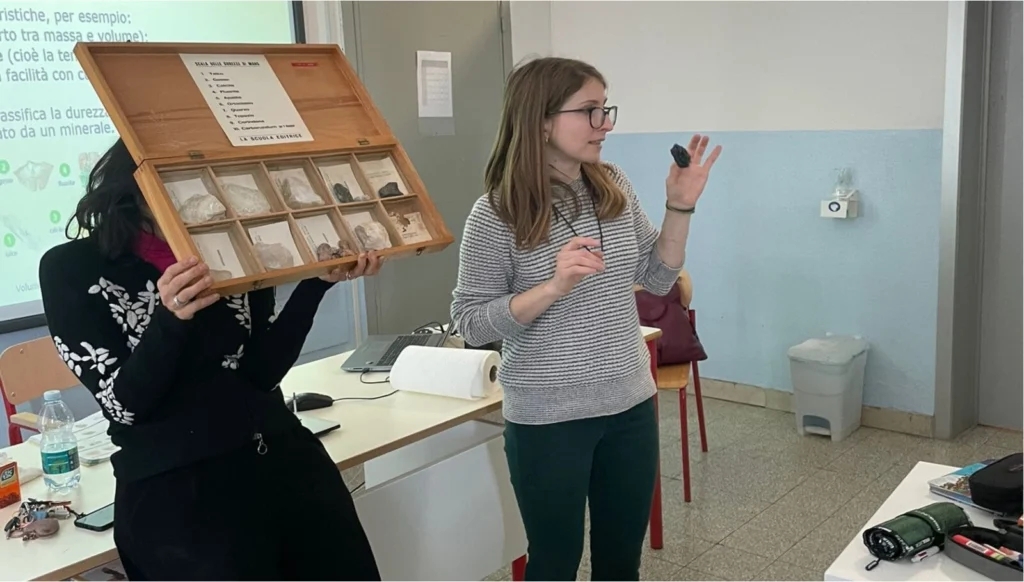
“My teacher is a volcanologist”- Valeria Cigala tells us about her journey from academia to middle school teaching

“My teacher is a volcanologist”- Valeria Cigala tells us about her journey from academia to middle school teaching

Valeria Cigala (Ph.D.) is a geoscientist by education and an expert in explosive volcanism and related hazards. She has been the Early Career Scientists Representative for the Natural Hazards Division of EGU from 2019 to 2022 and Editor-in-chief of our blog. Valeria is currently employed as a maths and science teacher at the middle school …[Read More]

From compound extremes to risk perception: conversations with the EGU Natural Hazards Division 2023 Early Career Scientist Award Winner

From compound extremes to risk perception: conversations with the EGU Natural Hazards Division 2023 Early Career Scientist Award Winner

I am pleased to interview Professor Ankit Agarwal from the Indian Institute of Technology, Roorkee. He specialises in hydro-meteorological (compound) extremes and complex networks and has been awarded the prestigious 2023 NH Division Outstanding Early Career Scientist award. Thank you, Ankit, for your time and for talking with us about your field of research.   1. …[Read More]

The EGU23 bucket list for Natural Hazards Early Career Scientists

The EGU23 bucket list for Natural Hazards Early Career Scientists

The European Geoscience Union (EGU) General Assembly (GA) is a precious occasion to create new connections and receive new stimuli to feed your own research, specifically for those in the early stages of their career. Nevertheless, the occasions for networking and scientific discussion can be so many, that it could be difficult to choose what …[Read More]

Learning more about geohazard: Talking with EGU_NH 2023 Sergey Soloviev Medalist

Learning more about geohazard: Talking with EGU_NH 2023 Sergey Soloviev Medalist

It is my pleasure to interview the 2023 EGU Sergey Soloviev Medalist Dr Peng Cui, Professor at the Institute of Geographical Sciences and Resources、Institute of Mountain Hazards and Environment, Chinese Academy of Sciences (CAS), known for his work and commitment to understanding geohazards, especially earthquake-induced hazards. He has dedicated his life to understanding how to …[Read More]

Connecting the dots: the importance of recognising multi-hazard events in disaster reporting

Connecting the dots: the importance of recognising multi-hazard events in disaster reporting

In the past year, the world has witnessed many severe disasters caused by multiple hazards whose impacts overlapped in time and space. February this year, two severe earthquakes hit Syria and Turkey shortly after each other, followed by two more powerful earthquakes and over a hundred aftershocks in subsequent weeks [1,2]. The disaster caused over …[Read More]

Understanding and assessing hydrological extremes, a discussion with Alberto Viglione

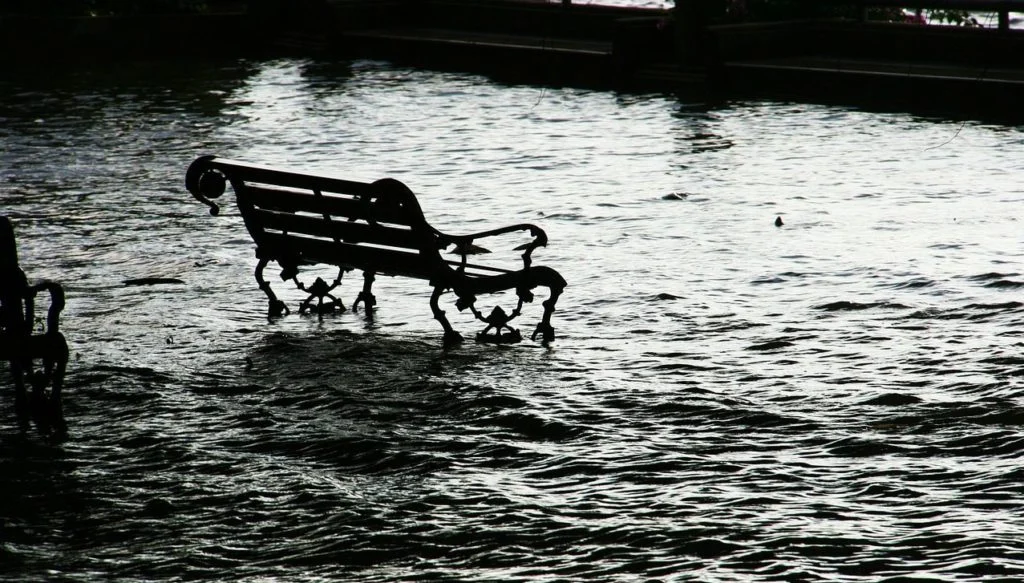
Photo credit: Image by Dean Moriarty from Pixabay (Pixabay License)

Extreme hydrological events affect billions of people worldwide, and their negative impacts will likely increase due to climate change, urbanisation and ageing infrastructure. Further understanding of hydrological extremes and societal responses to floods is critical in mitigating flood risk and creating better urban environments. In today’s interview, we talk with Prof. Alberto Viglione. Alberto has …[Read More]