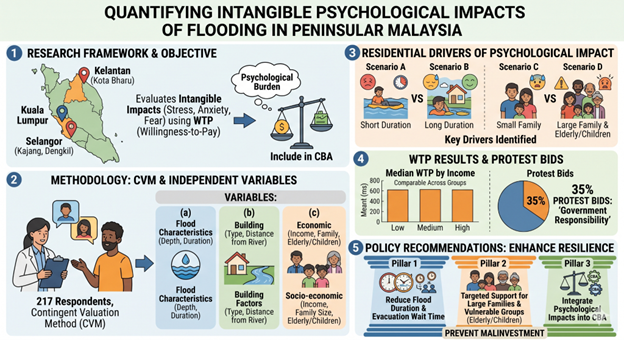
Experiencing a severe flood can lead to profound emotional and mental distress, including anxiety, depression, and long-term stress. These mental health struggles often stem from the trauma of losing cherished possessions, disrupted daily routines, or the terrifying threat to personal safety and the lives of loved ones. Yet, because mental well-being is an “intangible” loss, it is freq ...[Read More]
Multi-Risk Forecasting: Operational Reality or Scientific Ambition?
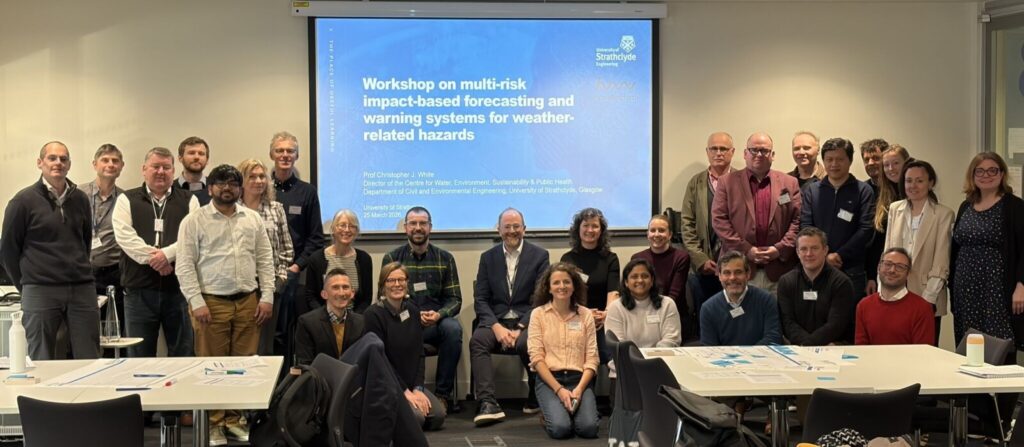
Reflections from a workshop on multi-risk impact-based forecasting and warning systems for weather-related hazards. With mounting evidence that hazards rarely occur in isolation, the question is no longer whether multi-risk impact-based forecasting and warning systems are needed, but how to build them [1]. Yet, moving beyond single-hazard thinking towards genuinely multi-hazard and t ...[Read More]
From Seismic Signals to Safer Trains: Italy’s First Earthquake Early Warning System for High-Speed Railways
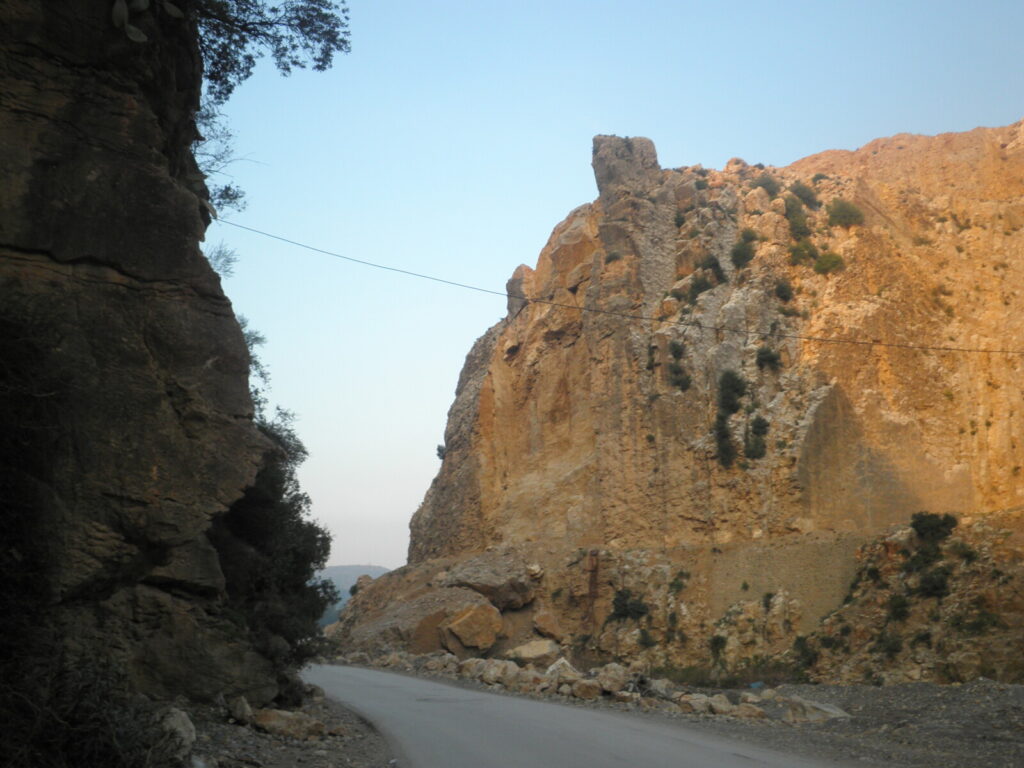
Earthquakes remain among the most disruptive natural hazards worldwide, capable of causing sudden loss of life, severe economic damage, and long-lasting societal impacts. One of the most effective tools developed in recent decades to mitigate these effects is Earthquake Early Warning (EEW), a real-time monitoring strategy that exploits a fundamental physical property of earthquakes: seismic waves ...[Read More]
Same hills, different rules: why urban and rural landslides should not be considered together?
Cities are expanding faster than ever, often onto steep and unstable terrain. As urban areas grow, landslides increasingly threaten homes, roads, and critical infrastructure. To manage this risk, scientists produce landslide susceptibility maps, which estimate where landslides are most likely to occur. These maps are widely used by planners and decision-makers. But there is a quiet assumption buil ...[Read More]