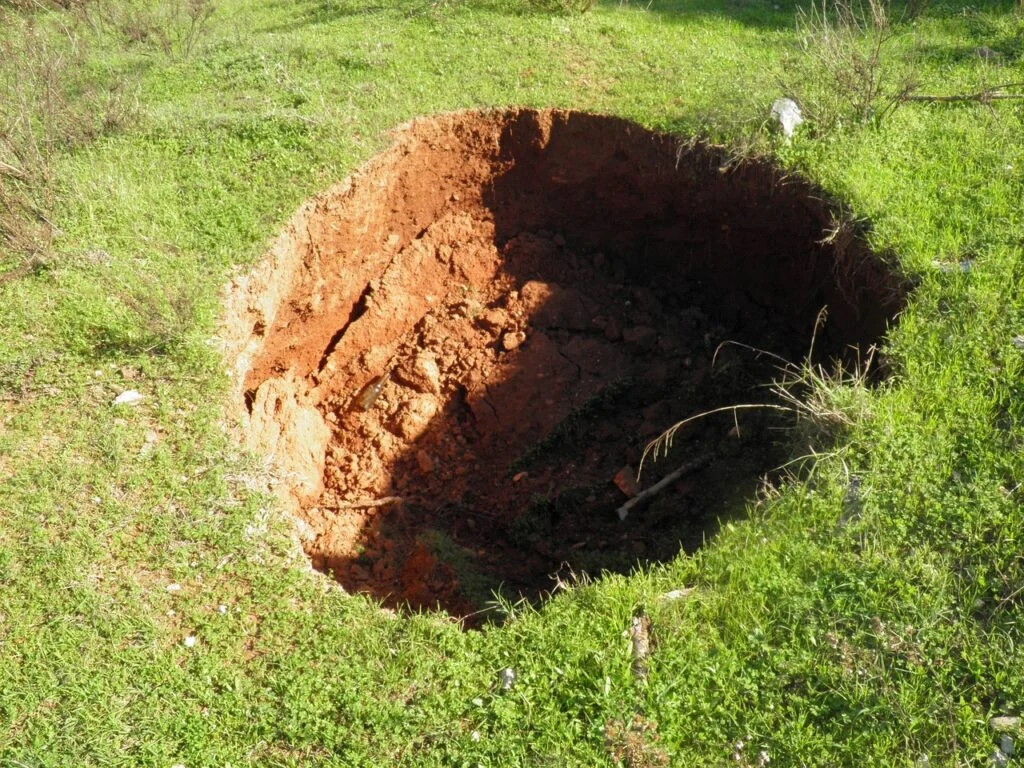
On August 23, 2024, a tragic event unfolded in Kuala Lumpur, Malaysia, when an 8-metre-deep sinkhole opened up on Jalan Masjid India, swallowing Vijayalakshmi Gali, a 48-year-old woman visiting from India [1]. The incident has raised serious concerns about public safety and the integrity of urban infrastructure. A sinkhole is a natural depression or hole that occurs in the ground when the surface ...[Read More]
Taking the risk personally: how perceived flood experience relates to risk perception, sensed coping appraisal, and protective behaviour
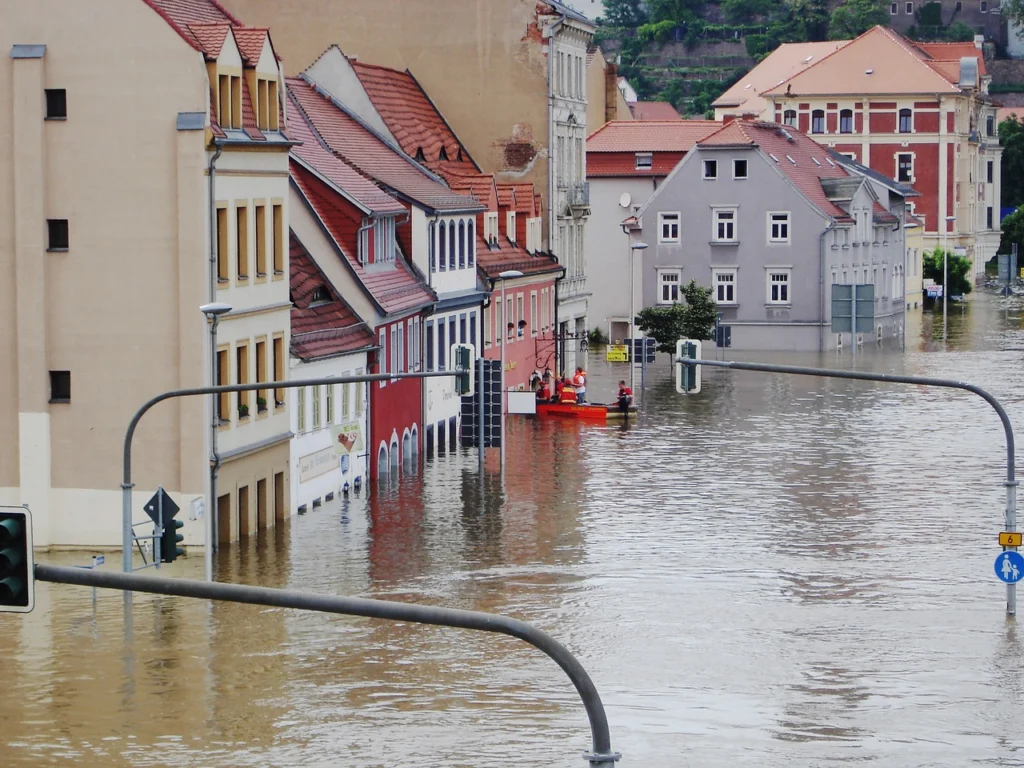
The frequency and severity of extreme weather events, such as heavy rainfall, droughts, and storms, are increasing globally, putting societies and infrastructures worldwide at risk [1]. These developments demand effective adaptation measures and ways to enhance societal resilience. Consequently, it is necessary to understand how people perceive and respond to natural hazards. Knowing that the occu ...[Read More]
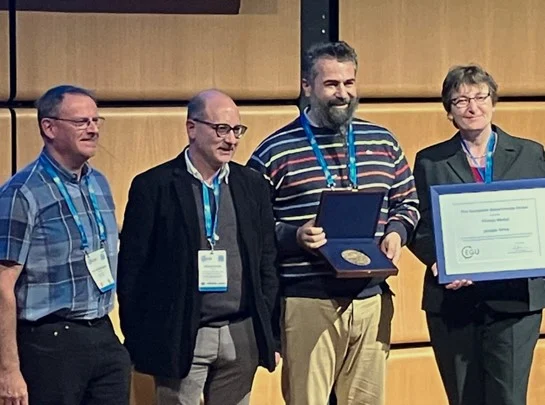
Modern Solutions for Ancient Hazards: Speaking with Jacopo Selva, the 2024 EGU Plinius Medalist
Jacopo Selva is an associate professor at the University of Naples Federico II, Italy, and a former researcher at the Istituto Nazionale di Geofisica e Vulcanologia (INGV), Italy. His research on seismic, volcanic, and tsunami hazards has been instrumental in advancing our understanding of these natural phenomena, particularly by developing probabilistic methods for hazard assessment and forecasti ...[Read More]
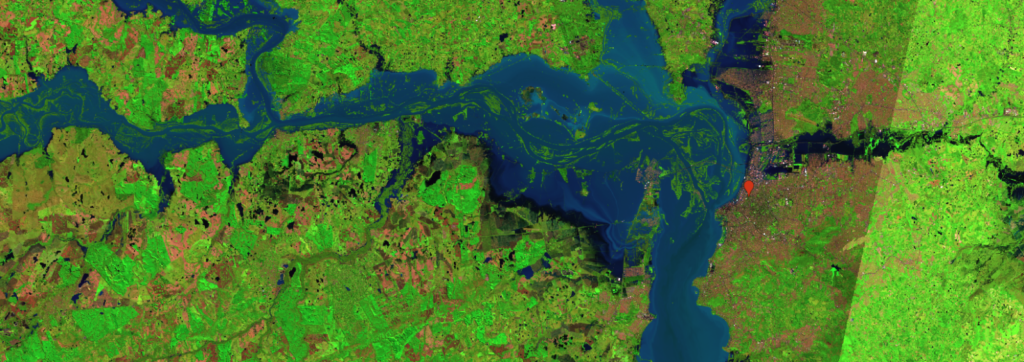
Navigating the Ongoing and Predicted Disaster of Rio Grande do Sul (Brazil): Career and Insights with Expert Prof. Enner
We are honoured to hear from Dr. Enner Alcântara, Professor at the São Paulo State University (UNESP) and leader of the Remote Sensing, Spatial Analysis, Environmental Modelling and Natural Disasters Research Group. His research in remote sensing has played a crucial role in recognising, managing and mitigating the impacts of disasters, bringing out significant contributions. Today, we’ll ex ...[Read More]
Meet the EGU Natural Hazards Division Early Career Scientists representatives
The European Geosciences Union (EGU) Natural Hazards Division is pivotal in supporting the growth of early career researchers, giving them a platform to share their work and ideas, enhancing networking opportunities and contributing to career development. So, are you reading this post and wondering who gives a voice to early career scientists in the Natural Hazards space? The EGU Natural Hazards D ...[Read More]
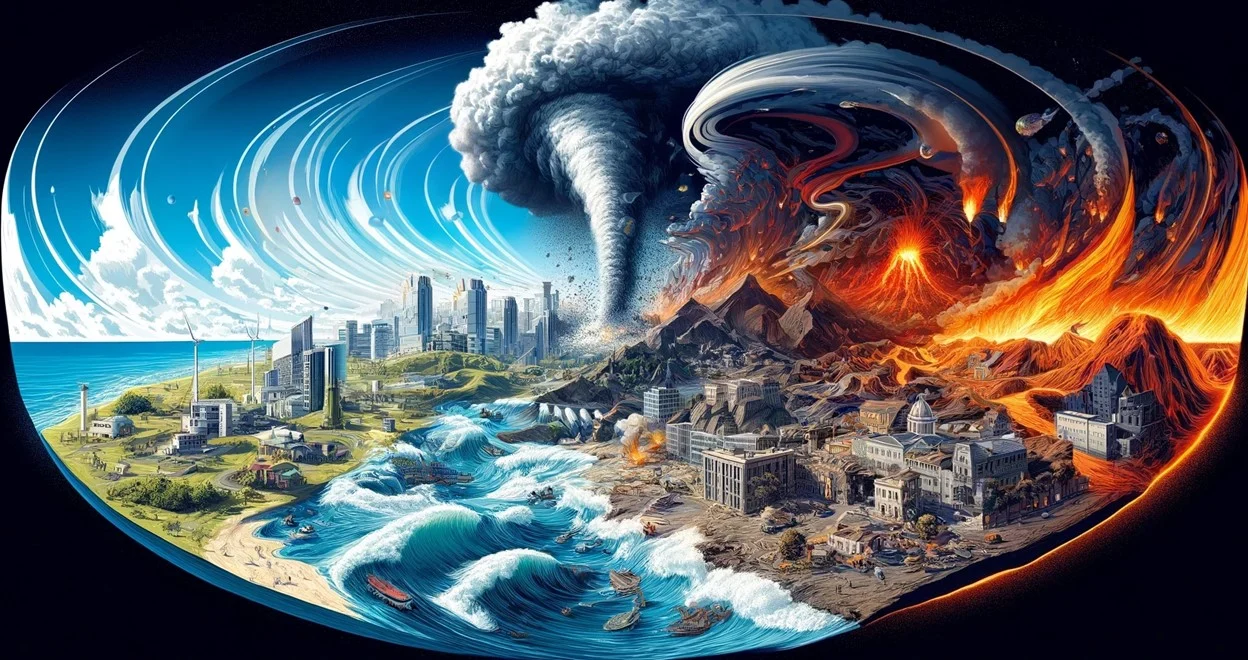
Evolving multi-hazard paradigms in a nutshell
Understanding multi-hazard approaches is crucial in an era of escalating natural hazards leading to disastrous impacts on Earth’s citizens. Triggered by the increasing frequency and severity of these events, this brief post provides a concise yet comprehensive overview of evolving paradigms in multi-hazard research and management. By exploring definitions, historical developments, and curren ...[Read More]
Disentangling the complexity of multi-(hazard-)risks: conversations with Marleen de Ruiter, the EGU NH Division 2024 Early Career Scientist Award Winner
Marleen de Ruiter is Assistant Professor at the Institute for Environmental Studies (IVM), Vrije Universiteit Amsterdam. Her research focuses on multi- and consecutive disasters, improving modeling capabilities and understanding of multi-hazard risk and assessing the potential adverse impacts of Disaster Risk Reduction measures across different hazards. She manages the Myriad-EU project, co-leads ...[Read More]
Ready for EGU24?
Hey there, fellow earth enthusiasts! Are you ready to dive into EGU24? If so, grab your virtual or physical backpacks because we’re about to embark on a journey that’s bound to be as enlightening as it is exhilarating. With its diverse program offering discussions and networking opportunities, EGU24 promises to be an enriching experience. Whether you’re a seasoned participant or a newcomer, ...[Read More]
A symphony of uncertainties: exploring the interplay between climate hazards and human societies
Climate hazards are manifestations of the Earth’s complex climatic systems. As natural events, they have always occurred, yet changes in the global climate increase the frequency and intensity of extremes and their impact on the built environment and people. Predicting the nature, scale, and location of climate hazards and their complex interplays with anthropogenic factors is not a straightforwar ...[Read More]
“Studying earthquakes is a great opportunity to learn every day a lot about many different fields of earth sciences” Yann Klinger- Stephan Mueller Medalist-2024
Hi Yann, first of all, congratulations on the Stephan Mueller Medal, and it is my pleasure to interview you!! To all my readers, the Stephan Mueller Medal is one of the prestigious medals awarded for exceptional contributions to tectonics and structures by the European Geosciences Union (EGU). Dr Yann Klinger wears many hats, he is a seismologist who studies recent and past earthquakes and is al ...[Read More]