NH
Natural Hazards

Natural Hazards

How can you contribute to Science-Based policy-making? Ask the new Policy Officer in the Natural Hazards Division!

How can you contribute to Science-Based policy-making? Ask the new Policy Officer in the Natural Hazards Division!

The EGU Natural Hazards Division now has a new Policy Officer to help promote evidence-based policy-making and support members of the Division in participating in policy-making processes. The Policy Officer aims to bridge between the Division and the EGU Science for Policy Working Group, helping to ensure that evidence-based decisions are made in the policy-making processes related to our areas of ...[Read More]

New Era of AI: How can foundation models help disaster risk reduction?

New Era of AI: How can foundation models help disaster risk reduction?

In recent decades, AI-based methods have increasingly been adopted to tackle various problems in the field of natural hazards. The escalation of climate change has fuelled the complexity of tasks within the field of disaster risk reduction, such as capturing the formation of an extreme event timely to evacuate an area at risk. In this context, with the greater availability of data and computerised ...[Read More]

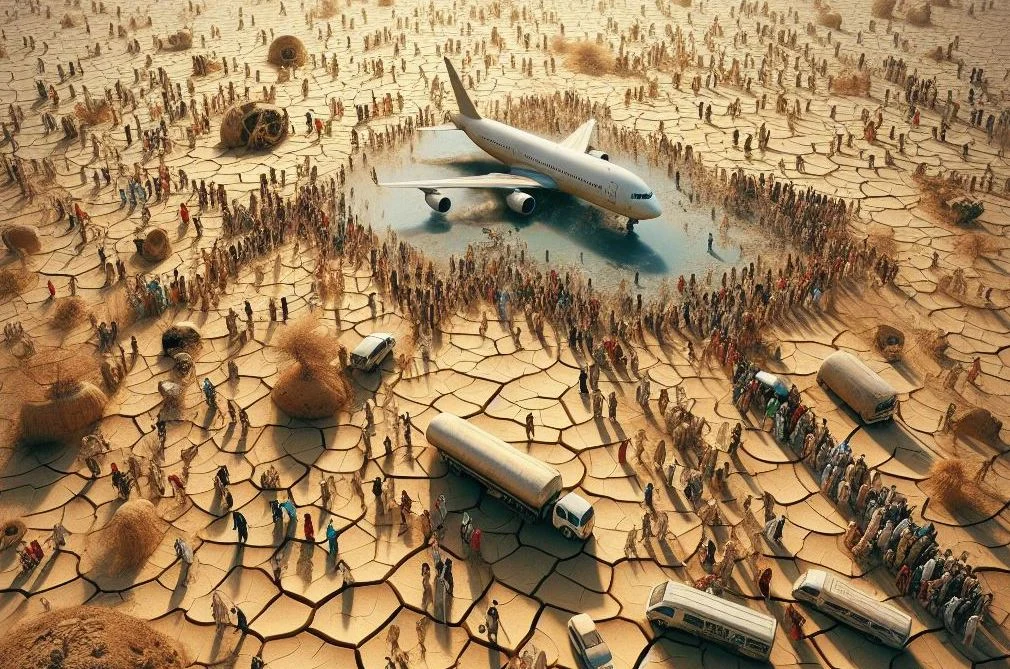
Environmental (non-)migration: Whose security is at stake?

Environmental (non-)migration: Whose security is at stake?

Migration is commonly perceived as a strategic response to address the repercussions of environmental threats and climate change. The International Organization for Migration defines ‘environmental migrants’ as those individuals who alter their place of residence due to a sudden or progressive change in the environment that adversely affects their lives or living conditions. Conversely, those who ...[Read More]

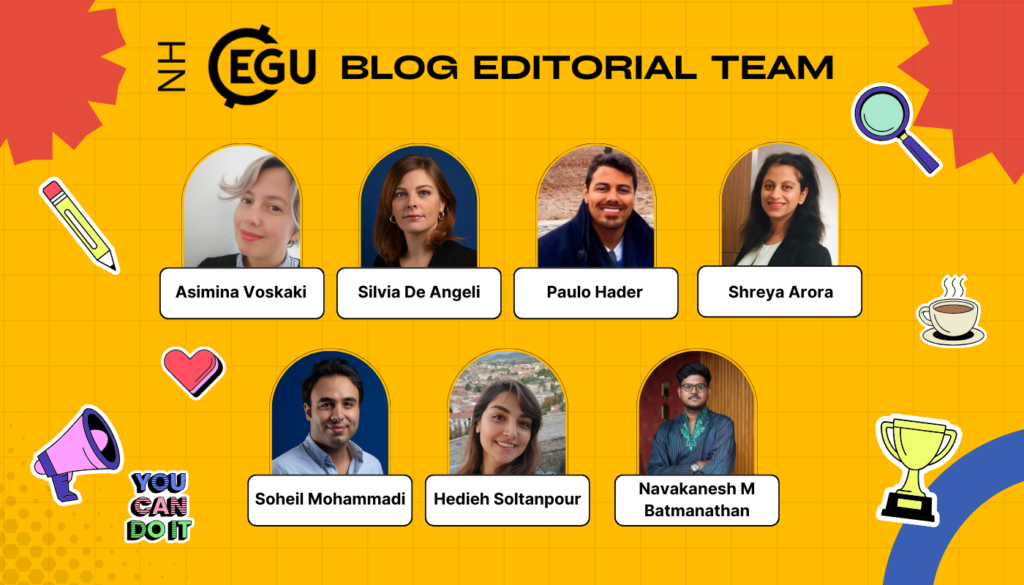
Behind the scenes: The EGU Natural Hazards Division Blog Editorial Team unveiled!

Behind the scenes: The EGU Natural Hazards Division Blog Editorial Team unveiled!

2023 draws to a close. Looking back, our NH Division Blog has rolled out 20 different posts! We’ve chatted with awesome medallists, tackled current challenges in natural hazards, and showcased key projects and activities in the field. But who are the lovely and creative minds behind this? In this year’s final post, we’re going to find out together.   The Blog Editorial Team is cu ...[Read More]

Earth Citizens and Natural Hazards: a few words from the perspective of our environment, the inhabited planet, Earth

Earth Citizens and Natural Hazards: a few words from the perspective of our environment, the inhabited planet, Earth

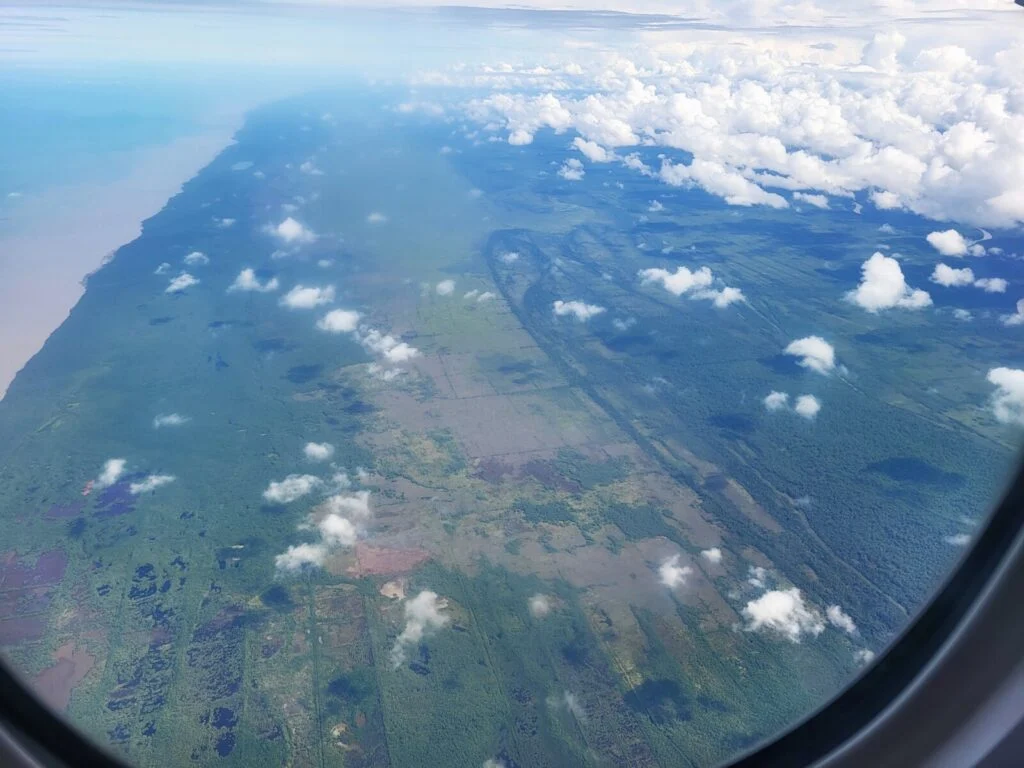
In January 2023, I visited the Amazon Forest in Suriname. During my visit, I met indigenous people known as the Saramaccers, a Maroon tribe residing in the heart of the Amazon Forest. I found it fascinating that the Saramaccers consider themselves an integral part of nature. Their motto is ‘If you respect nature, nature will be your friend and stand by you’. Nature extends a helping ha ...[Read More]

You can be the next Early Career Scientist Representative for the NH Division!

You can be the next Early Career Scientist Representative for the NH Division!

The Division on Natural Hazards of the European Geosciences Union is looking for a new Early Career Scientist (ECS) representative (rep) and co-representative (co-rep) for the period 2024-2026. The outgoing rep (Silvia De Angeli) and co-rep (Negar Vakilifard) will be standing down officially at the EGU General Assembly 2024, so this is your opportunity to take these roles!   Why become an Ear ...[Read More]

Training of Trainers to improve Geological Disasters Resilience in Malaysia

Training of Trainers to improve Geological Disasters Resilience in Malaysia

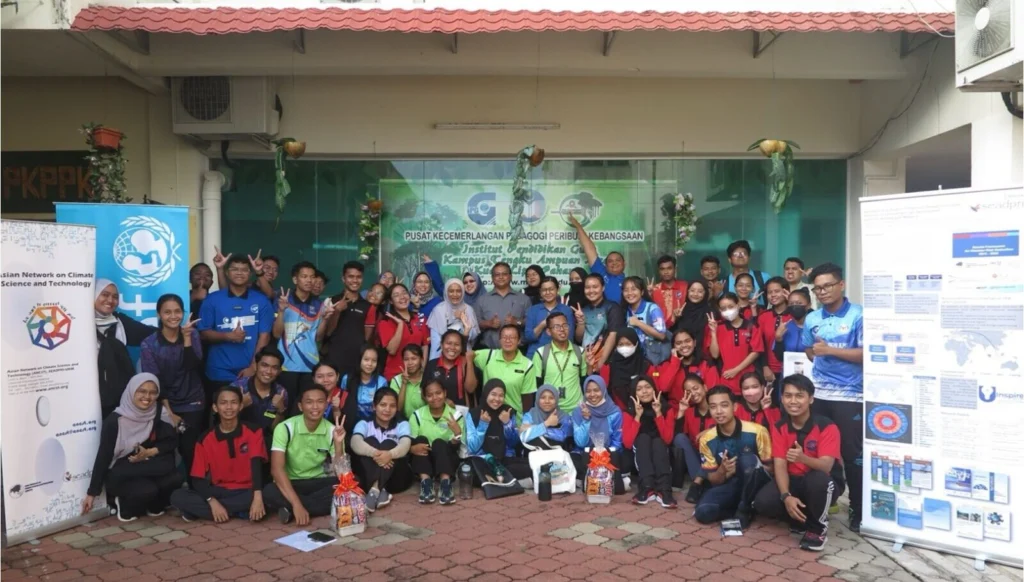
Over the years, we have witnessed a growing number of geological disasters due to climatic shifts. One such disaster is the landslide, and the main culprit of such occurrences can be attributed to intense rainfall coupled with high slope angles, especially in areas previously not expected to be susceptible. In this post we share a successful experience of ‘training of trainers’ in Mala ...[Read More]

Multiple perspectives to understand multi-hazard risks. Why is it important to meet face-to-face when we could also meet digitally?

Multiple perspectives to understand multi-hazard risks. Why is it important to meet face-to-face when we could also meet digitally?

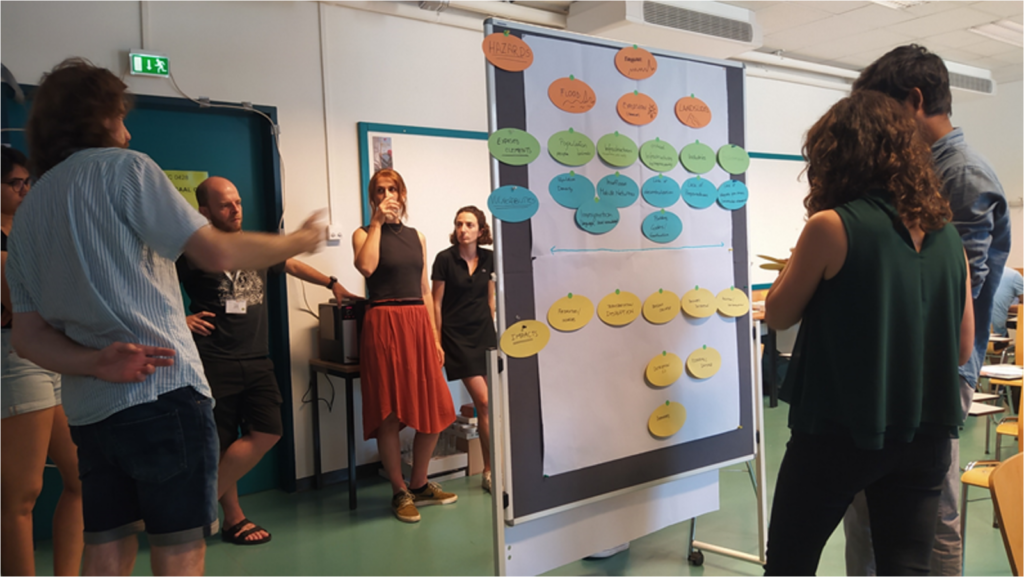
This summer the University of Vienna has hosted an inspiring summer school on multi-hazard risk management, bringing science outreach and research closer together. In this post, Till Wenzel provides some insights about the importance of face-to-face meetings to bring together multiple perspectives and better understand multi-hazard risks.   The summer school has been organized by the Vienna I ...[Read More]

When ten years of research come to an end – The final Panta Rhei Symposium

When ten years of research come to an end – The final Panta Rhei Symposium

On the 10th and 11th of July 2023, the final symposium for the scientific decade, “Panta Rhei – Everything Flows: Change in Hydrology and Society” of the International Association of Hydrological Sciences (IAHS), took place at the German Research Centre for Geosciences (GFZ) in Potsdam. During these two days, 150 hydrologists, engineers, social scientists and practitioners from 32 countries gather ...[Read More]

Is culture the missing link to disaster risk reduction?

The City of Kobe, Chuo Ward (photo credit: Asimina Voskaki)

Sophocles, a great tragic writer of Classical Athens, said that “success is dependent on effort”. When it comes to disaster risk reduction, are we doing enough to develop a culture of resilience and how do cultural factors affect people’s willingness to protect themselves and build an effective disaster reduction and reconstruction mechanism? In 1995 (17/01/1995), Kobe, Osaka (Ja ...[Read More]