NH
Natural Hazards
Avatar photo

Asimina Voskaki

My name is Asimina Voskaki, and I am a Doctoral Researcher working on analysing climate risk in an airport context. I am a geoscientist with an MSc in environmental planning and an MRes in airport environmental strategy assessment and water management efficiency. I am passionate about climate resilience and using my skills to support organisations to prepare for, mitigate the impact and recover from the effects of climate change.

We want you! Join the EGU Natural Hazards Blog Team
We want you! Join the EGU Natural Hazards Blog Team

Are you passionate about natural hazards? Do you want to explore and enhance your science communication skills? The EGU Natural Hazards Division Blog seeks beautiful minds to become enthusiastic new editors and join our diverse and inclusive team. The blog serves as a platform for the natural hazards community to share updates on the latest research, insights, and perspectives on issues relevant t ...[Read More]

From Reflection to Action – Wishes for the Year Ahead

From Reflection to Action – Wishes for the Year Ahead

When another year comes to an end, it is time for reflection. In the context of natural hazards, it is essential to consider the challenges posed to societies, what went well, what could have been done better, and how we could create a more resilient world.  Just before Big Ben strikes 12 times, marking the moment of a new day and year, and the fireworks are set to begin, our blog editors share th ...[Read More]

An epic blockbuster of natural extreme forces: natural hazards through cinematic lenses

An epic blockbuster of natural extreme forces: natural hazards through cinematic lenses

Do you enjoy watching natural hazard movies? Exploring the unfolding of the Earth’s immense power, the level of destruction, human responses and resilience? Can movies offer a glimpse into the chaos and devastation that natural hazard events can bring? Imagine the havoc a storm surge overtopping the Thames Barrier could cause in London. Without a doubt, natural hazard movies raise questions about ...[Read More]

Meet the EGU Natural Hazards Division Early Career Scientists representatives

Meet the EGU Natural Hazards Division Early Career Scientists representatives

The European Geosciences Union (EGU) Natural Hazards Division is pivotal in supporting the growth of early career researchers, giving them a platform to share their work and ideas, enhancing networking opportunities and contributing to career development. So, are you reading this post and wondering who gives a voice to early career scientists in the Natural Hazards space? The EGU Natural Hazards D ...[Read More]

A symphony of uncertainties: exploring the interplay between climate hazards and human societies

A symphony of uncertainties: exploring the interplay between climate hazards and human societies

Climate hazards are manifestations of the Earth’s complex climatic systems. As natural events, they have always occurred, yet changes in the global climate increase the frequency and intensity of extremes and their impact on the built environment and people. Predicting the nature, scale, and location of climate hazards and their complex interplays with anthropogenic factors is not a straightforwar ...[Read More]

Behind the scenes: The EGU Natural Hazards Division Blog Editorial Team unveiled!

Behind the scenes: The EGU Natural Hazards Division Blog Editorial Team unveiled!

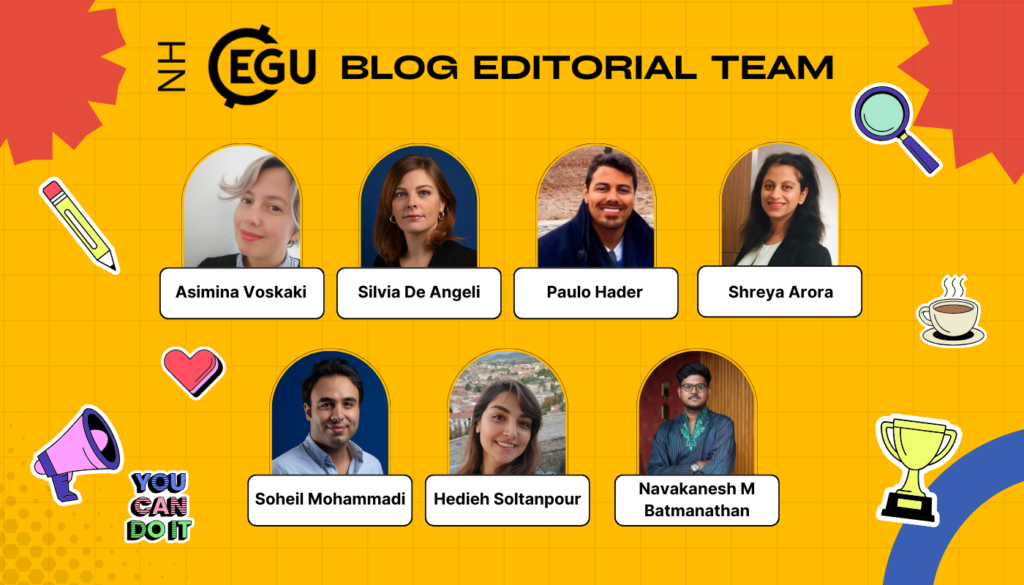
2023 draws to a close. Looking back, our NH Division Blog has rolled out 20 different posts! We’ve chatted with awesome medallists, tackled current challenges in natural hazards, and showcased key projects and activities in the field. But who are the lovely and creative minds behind this? In this year’s final post, we’re going to find out together.   The Blog Editorial Team is cu ...[Read More]

Is culture the missing link to disaster risk reduction?

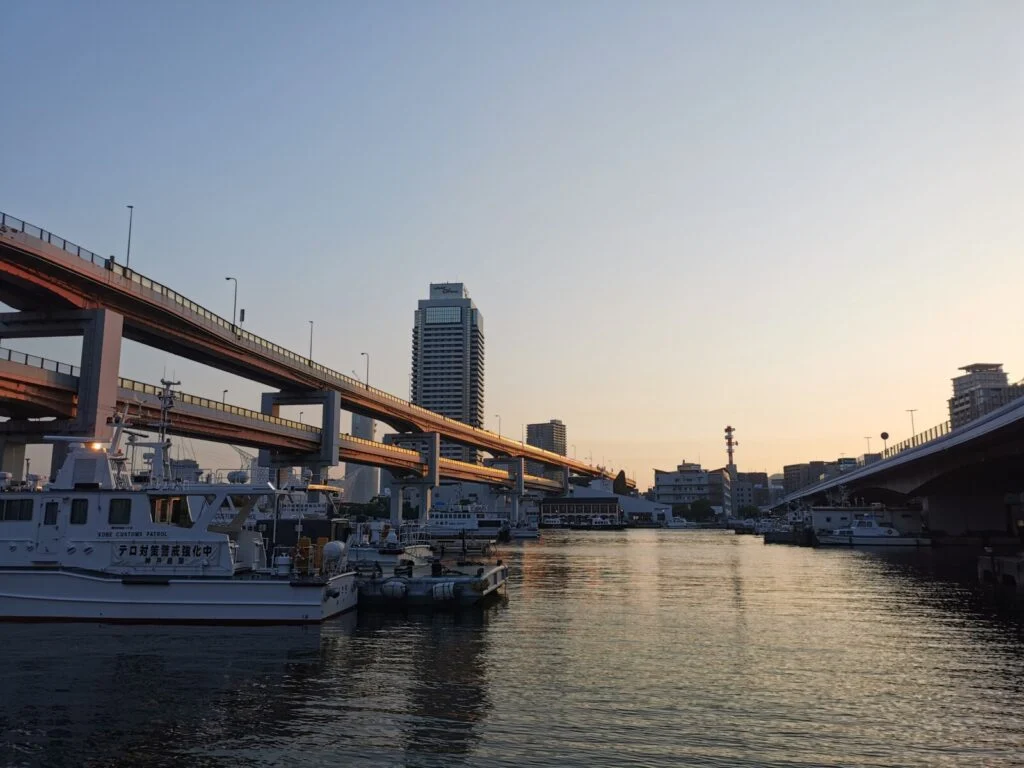
The City of Kobe, Chuo Ward (photo credit: Asimina Voskaki)

Sophocles, a great tragic writer of Classical Athens, said that “success is dependent on effort”. When it comes to disaster risk reduction, are we doing enough to develop a culture of resilience and how do cultural factors affect people’s willingness to protect themselves and build an effective disaster reduction and reconstruction mechanism? In 1995 (17/01/1995), Kobe, Osaka (Ja ...[Read More]

Five (or more) reasons why… you should become a blog editor about natural hazards!

Five (or more) reasons why… you should become a blog editor about natural hazards!

If you want to be a blog editor about natural hazards… This post is for you! The EGU Natural Hazards Division Blog Editorial Team is looking for new motivated blog editors to join our interdisciplinary and inclusive team. Now you are wondering why you should join us. There are plenty of good reasons, indeed. In this blog post, we will do our best to convince you that becoming part of our editorial ...[Read More]

Understanding and assessing hydrological extremes, a discussion with Alberto Viglione

Photo credit: Image by Dean Moriarty from Pixabay (Pixabay License)

Extreme hydrological events affect billions of people worldwide, and their negative impacts will likely increase due to climate change, urbanisation and ageing infrastructure. Further understanding of hydrological extremes and societal responses to floods is critical in mitigating flood risk and creating better urban environments. In today’s interview, we talk with Prof. Alberto Viglione. Al ...[Read More]

Getting to know NH11: Climate Hazards, the new EGU Natural Hazards Sub-Division

Getting to know NH11: Climate Hazards, the new EGU Natural Hazards Sub-Division

Earlier this year, the EGU Natural Hazards Division launched a new sub-division dedicated to climate hazards. In today’s interview, Dr Steven Hardiman, a Senior Research Scientist at the Met Office (UK) and the Science Officer of this new sub-division, will share some insights about NH11 and its future development.   Hi Steve, and congratulations on your new role! Please tell us about your ca ...[Read More]