Hello blog readers! It’s Jean-Baptiste and Alexis. With EGU26 now behind us and summer approaching fast, we wanted to announce the start of the 9th blogging season for the Geodynamics division and introduce the team for the 2026–2027 year. We both have the privilege and the daunting challenge of succeeding Constanza and Michael as Editors-in-Chief of the Geodynamics Blog. Over the past three years ...[Read More]
Uncategorised
(Almost) everything wrong with: Journey to the Centre of the Earth
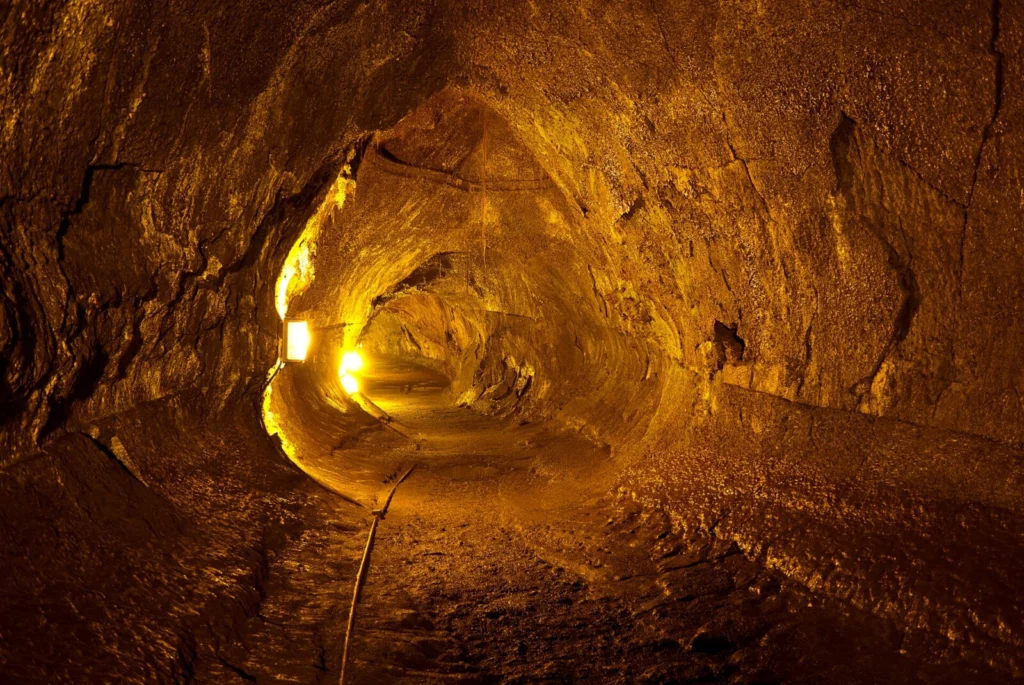
Spoiler warning! Have you ever watched a science fiction movie and thought, huh, I wonder if that is actually possible? Now, I hope by the time the dinosaurs turned up during this film, that this transient thought had departed from your mind, but to satisfy the idle curiosity of those who wondered this during Journey to the Centre of the Earth, and perhaps even impart some geodynamical les ...[Read More]
Melting Glaciers Move Lithospheric Plates and Fluctuate Mid-ocean Ridges’ Spreading
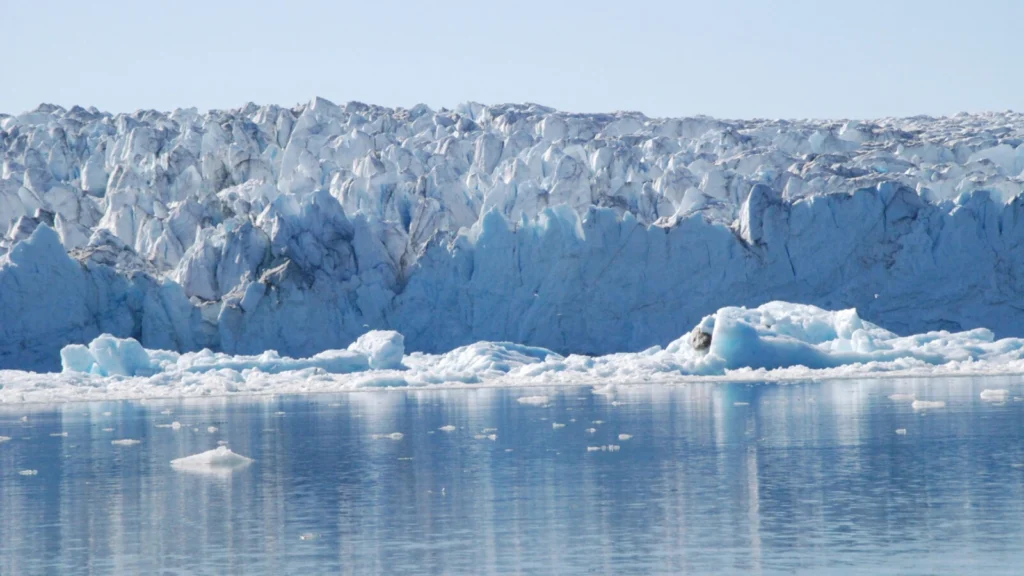
The rise and fall of massive ice sheets have shaped Earth’s surface for millions of years, but their influence may extend far deeper than previously recognized. This week in News & Views, Tao Yuan, a PhD student at the University of Colorado Boulder, explores how glacial cycles can alter lithospheric plate motions and even modulate the spreading of mid-ocean ridges. The ongoing melting of glac ...[Read More]
At the Mountains of Madness: Lovecraft Applied for Geology (and Failed)
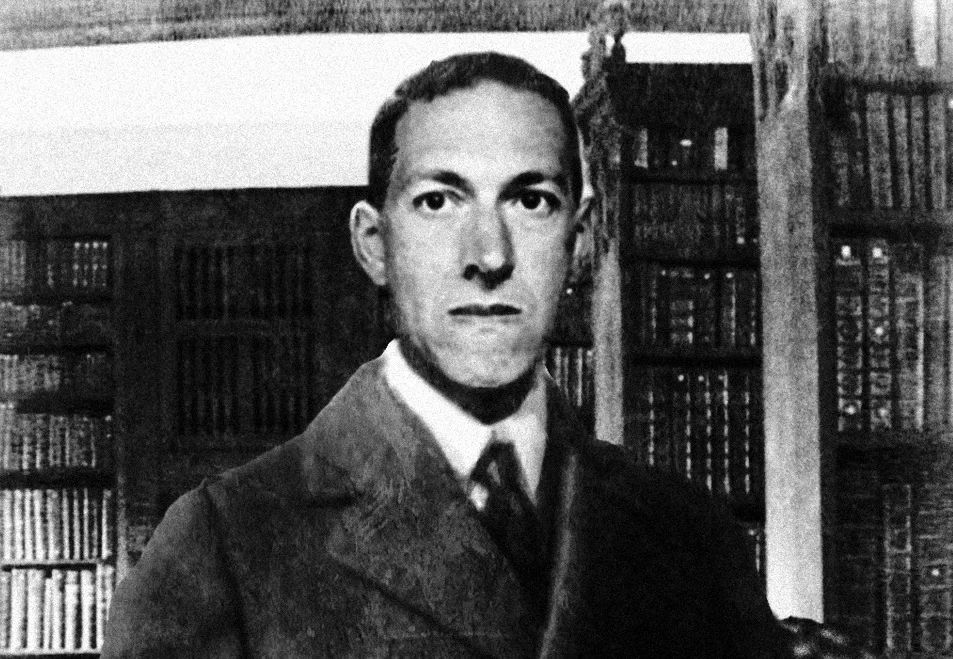
“I am forced into speech because men of science have refused to follow my advice without knowing why. It is altogether against my will that I tell my reasons for opposing this contemplated invasion of the antarctic—with its vast fossil-hunt and its wholesale boring and melting of the ancient ice-cap —and I am the more reluctant because my warning may be in vain.” The opening lines from At the Moun ...[Read More]
Focusing on doing research or worrying about paying expenses?
Scientists and inventors like Albert Einstein, Leonardo Da Vinci, and Nikola Tesla paved the road for generations of young people to pursue a career in STEM. Their curiosity underpinned their passion for science. Unfortunately, the bright side of something usually hides a dark side too. For example, Nikola Tesla struggled to find financial support for his experiments and inventions, often ending u ...[Read More]
The Sassy Scientist – Proposing Stardom
Whether you’re just starting out in academia or have been around the block a few times so speak, setting out a new proposal is daunting. Whether it’s coming up with the research topic or fieldwork idea, figuring out how to get the support you need or submitting it to whoever you need approval from, none of it is easy. That’s why Jasper has asked us: What is the secret for an amaz ...[Read More]
Join in our Mag-netZ !
For better or for worse, online seminars have stealthily become part of our routine. This week, Daniele Thallner from the University of Florida, “attracts” our attention to a seminar series on geomagnetism and geodynamo modeling — Mag-netZ! The 2022 season of the MagNetZ seminar series is live! The MagNetZ (Magnetic NetworkZ) online seminar series was started in early 2020 to serve as ...[Read More]
Become the next EGU GD Science Officer!
The Geodynamics division at the European Geosciences Union is looking for two new Science Officers to join the EGU GD Programme Group. Come join us and help shape the future of EGU conferences! What is a Science Officer and what do they do? Science officers work together to design an exciting, diverse, broad, and inclusive geodynamics programme for the next EGU conference Serve as editors and/or r ...[Read More]
Why do some slabs stagnate?
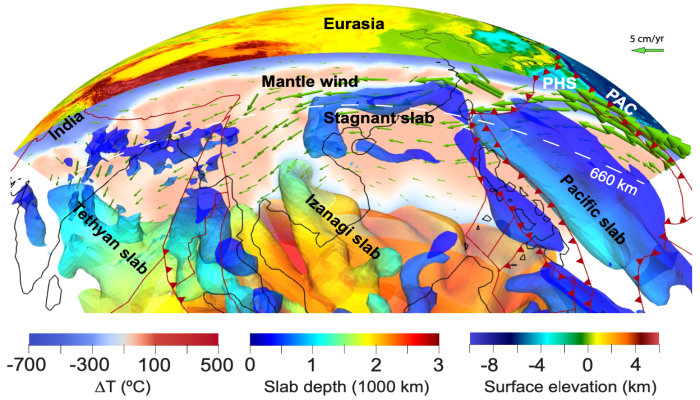
Mechanisms for stab stagnation are essential for understanding the mantle circulation patterns. This week, Diandian Peng, a graduate student from University of Illinois explores how dynamic pressure gradients can pull the slabs sideways stagnating them at the Mantle Transition Zone. Seismic imaging provides critical constraints on the structure and evolution of subducted slabs. Numerous tomographi ...[Read More]
Paleogeography and the Northern Hemisphere Oceanic Gateways
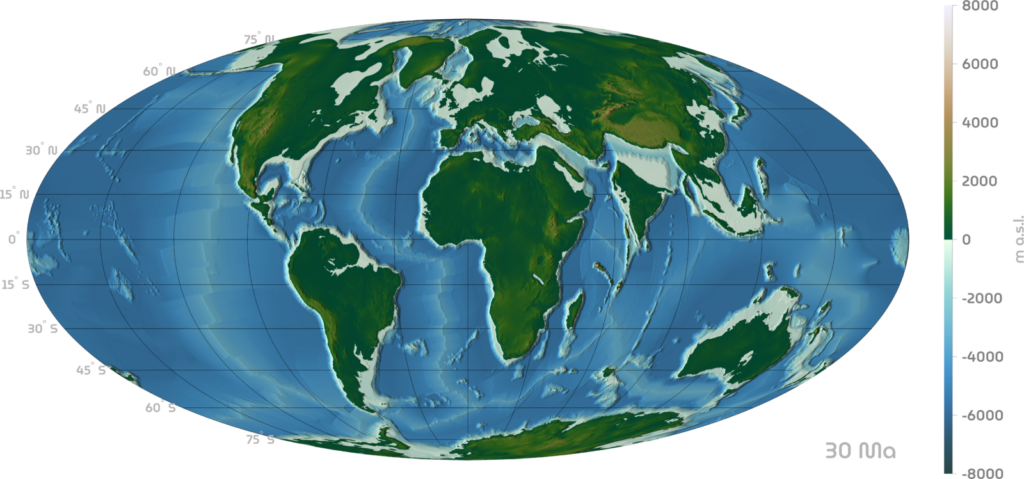
Eivind Straume a Postdoctoral fellow at the Department of Geological Sciences within the Jackson School of Geosciences explores how the opening and closing ocean gateways have influenced the Earth’s climate in the past. Changes in Earth’s geography due to tectonic plate motions and mantle convection influence climate evolution on geological timescales. Over millions of years, continen ...[Read More]