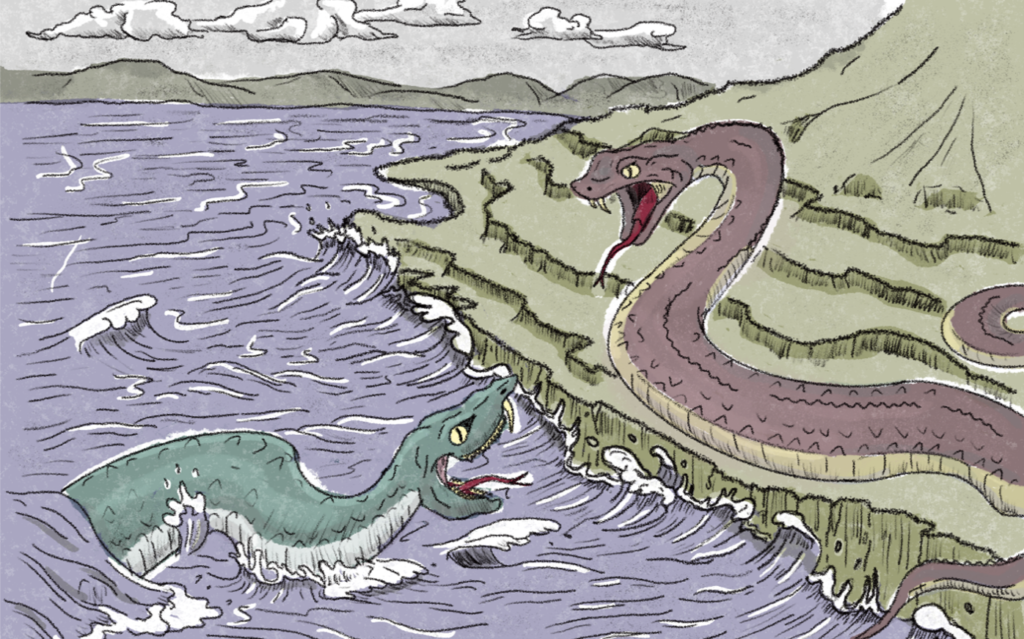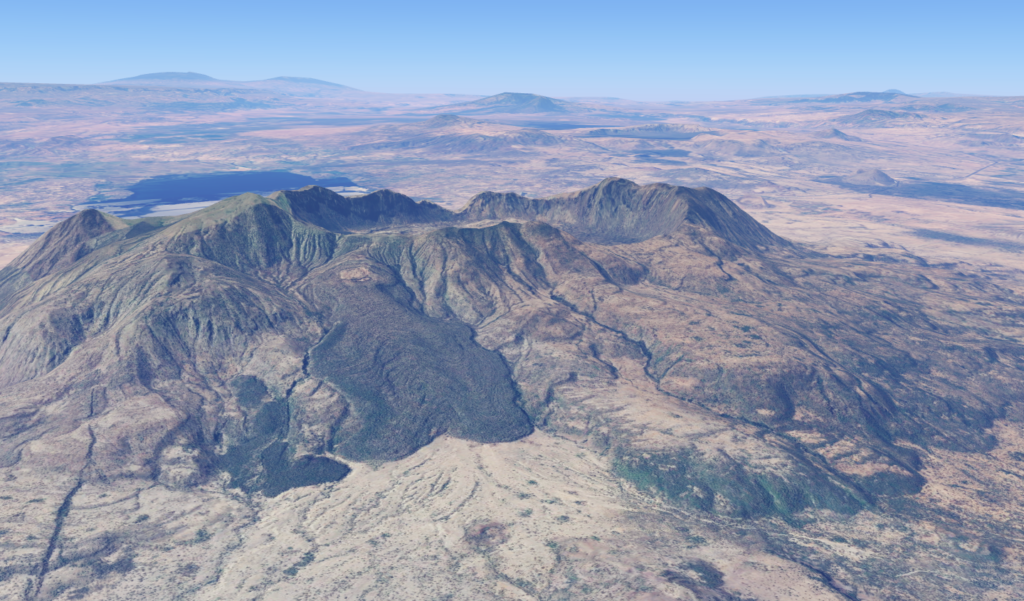

Forearc ranges are a striking example of how tectonic processes shape our planet. The Nahuelbuta Range in southern Chile is one of such settings. This week, Ambrosio Vega-Ruiz from the GFZ Helmholtz Centre for Geosciences, Germany, is telling us the story of this remarkable range, exploring how climate feedback can influence tectonic uplift across coastal …[Read More]
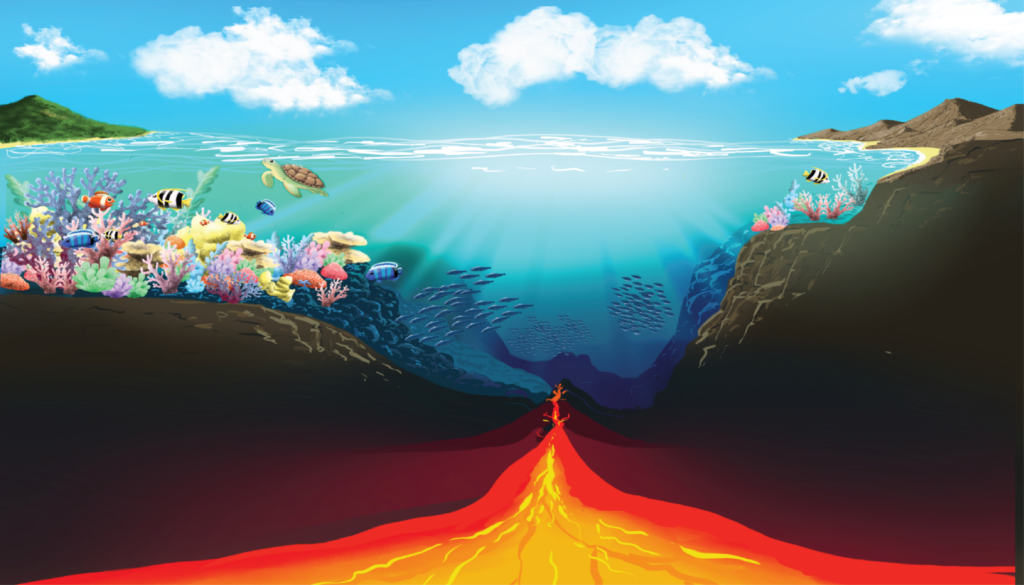
From rifts to reefs: the geodynamic origins of shallow coral reef habitats at passive continental margins
(Almost) everything wrong with: Journey to the Centre of the Earth
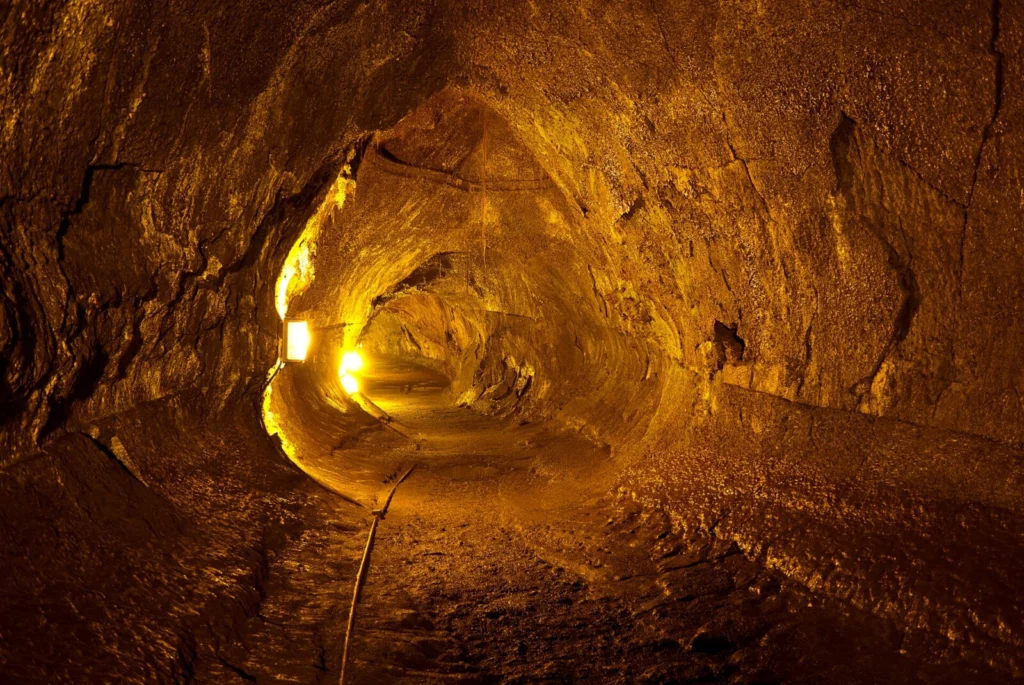
Spoiler warning! Have you ever watched a science fiction movie and thought, huh, I wonder if that is actually possible? Now, I hope by the time the dinosaurs turned up during this film, that this transient thought had departed from your mind, but to satisfy the idle curiosity of those who wondered this during …[Read More]
The courage to be disliked: reflections on peer-review processes
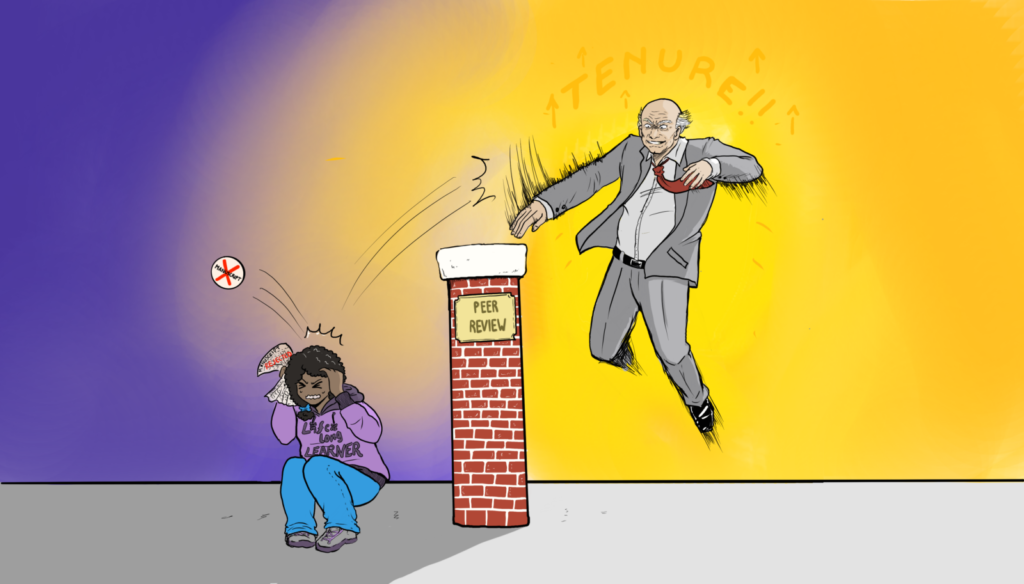
Although often daunting and discouraging, every academic must navigate the inevitable process of peer review. In this week’s post, Jean-Baptiste Koehl, postdoctoral researcher at the University of Oslo (Norway), reflects on what the future of peer review might be. Author disclaimer: The reflections presented here reflect my perspective grounded in my own experience. While peer …[Read More]
Building the Earth in a sandbox
Building the Earth in a sandbox The Main Ethiopian Rift stretches for hundreds of kilometers through Ethiopia, a massive fracture where Africa is slowly tearing apart to birth a new ocean. However, the processes driving this continental breakup remain hidden deep beneath layers of volcanic rock and millions of years of geological history. …[Read More]
Cratons: building blocks of continents and their economic importance
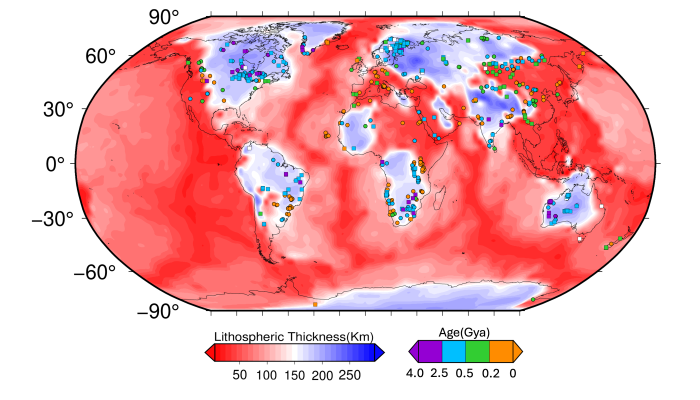
The 4.5 billion years of geologic evolution has shaped the tectonic processes in Earth we see today. Over the span of time, Earth has changed from being a magma ocean to a tectonically active planet, by transitioning through different tectonic regimes. A silent witness of this journey have been cratons which have survived for billions …[Read More]
Human civilization must survive on geological times: Why and How?
Applying for a PhD in Geoscience: To do or not to do
Fresh out of your bachelor’s degree, or more commonly these days, your master’s degree, it can be tempting to pursue your PhD as quickly as possible. While there are compelling reasons to dive straight in, rushing into a PhD might not be your best choice. To be or not to be a researcher? Before …[Read More]
Between the Volcano and the Deep Blue Sea: Tales from Montserrat (Part 2)
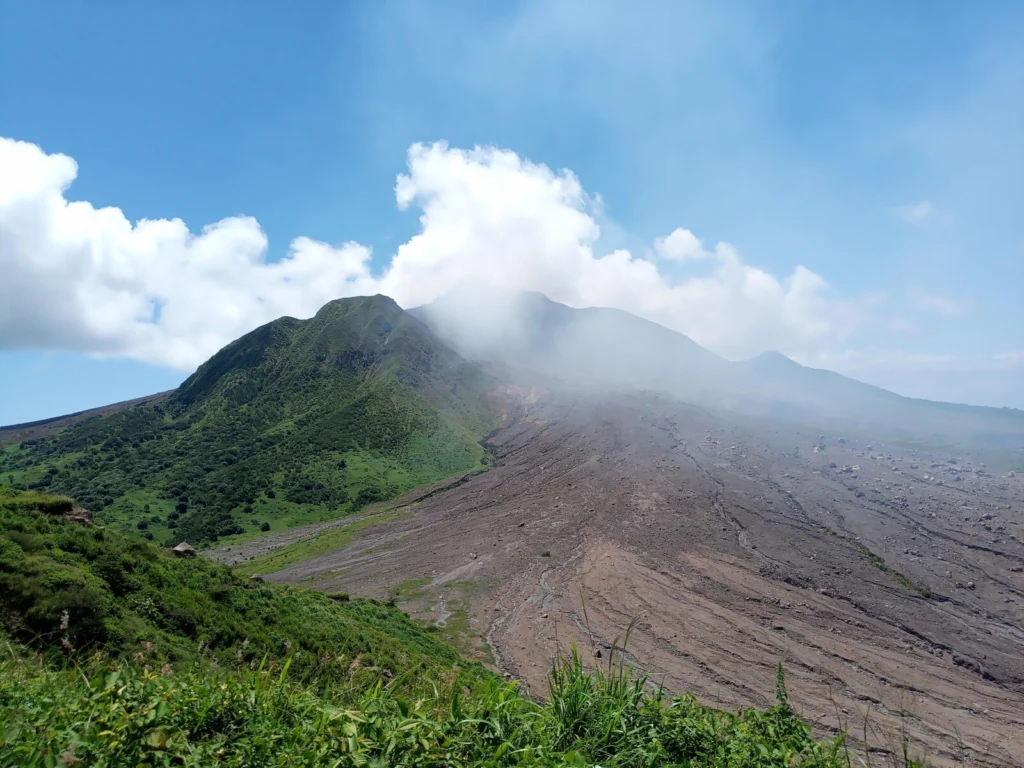
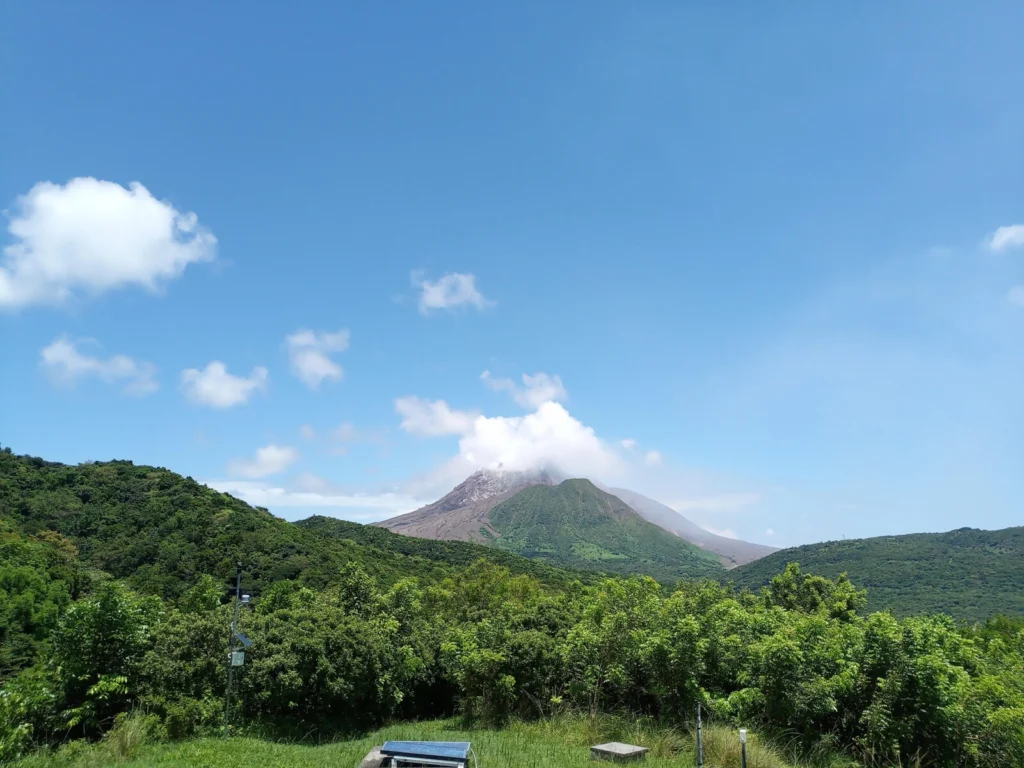
In 1995, the Caribbean Island of Montserrat was shaken by the beginning of one of the most significant volcanic eruptions in recent history: one that profoundly changed the natural, social and economical landscape of the country. Three decades later, Soufrière Hills Volcano and its legacy of destruction still shape the lives of Montserrat’s people. Last …[Read More]
Between the Volcano and the Deep Blue Sea: Tales from Montserrat (Part 1)
In 1995, the Caribbean Island of Montserrat was shaken by the beginning of one of the most significant volcanic eruptions in recent history: one that profoundly changed the natural, social and economical landscape of the country. Three decades later, Soufrière Hills Volcano and its legacy of destruction still shape the lives of Montserrat’s people. Join …[Read More]