NH
Natural Hazards

Natural Hazards

Hunting for historical Adriatic meteotsunamis

Hunting for historical Adriatic meteotsunamis

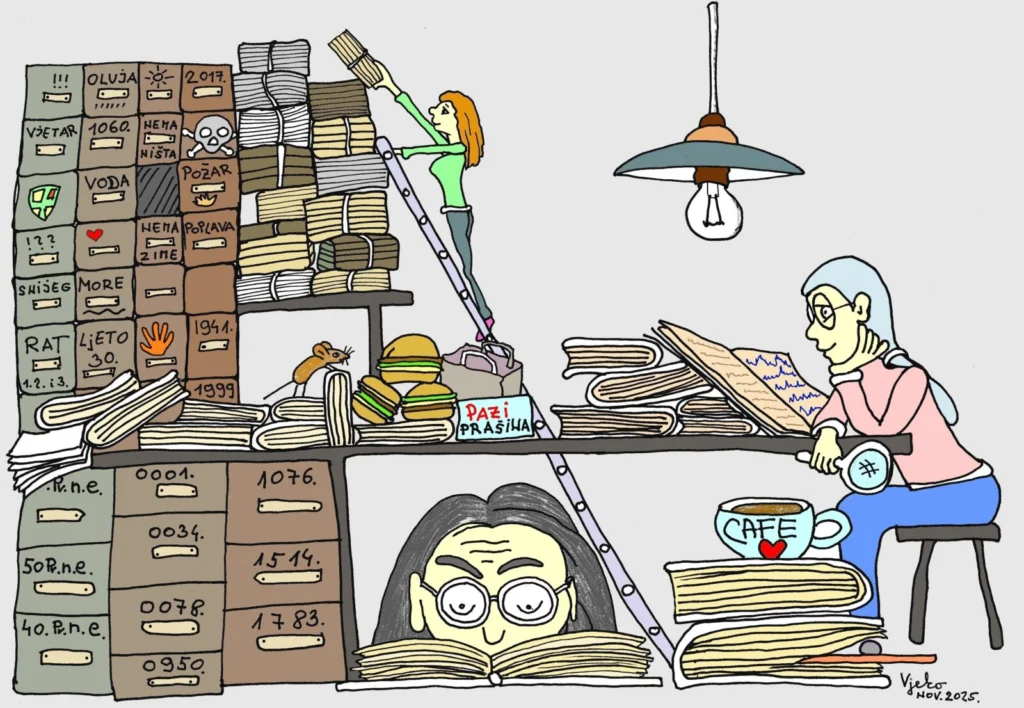
Before modern instruments, our only clues about past sea events came from written records and folklore. Along the eastern Adriatic coast, stories of sudden floods and “tidal waves” (locally called šćiga) have been passed down for generations. These waves, described as rapid rises and falls of the sea that could flood or empty harbours within minutes, were carved into Adriatic coastal life as rare ...[Read More]

Living with a restless giant: The challenge of multi-risk management and communication at Campi Flegrei Volcano

Living with a restless giant: The challenge of multi-risk management and communication at Campi Flegrei Volcano

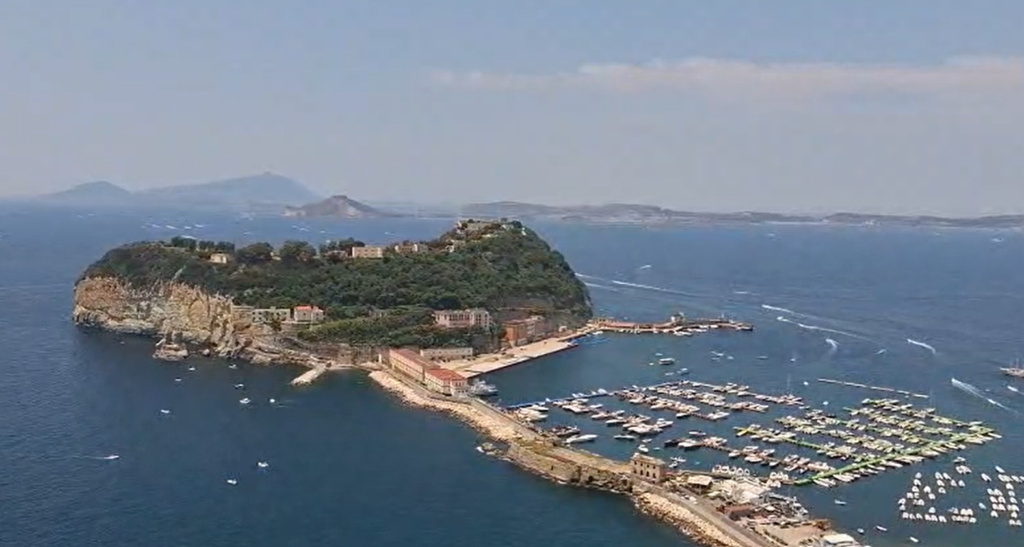
Nestled within one of Europe’s most densely populated regions, the Campi Flegrei caldera is a volcanic system whose secular unrest shapes the daily life of its inhabitants. Here, during the last decade and still ongoing crisis, ground uplift, frequent earthquakes, and persistent gas emissions interact to create a complex, evolving multi-risk environment. These natural hazards rarely follow simple ...[Read More]

How can we encourage and empower Early Career Researchers? Reflections on a short course held at EGU 2025

How can we encourage and empower Early Career Researchers?  Reflections on a short course held at EGU 2025

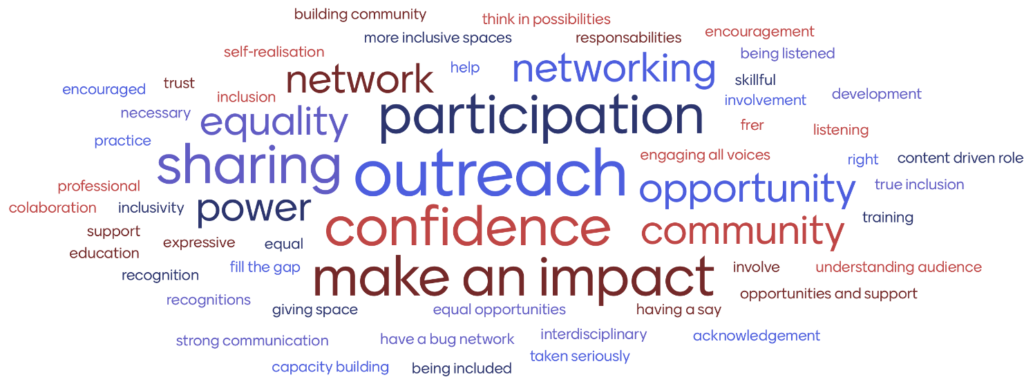
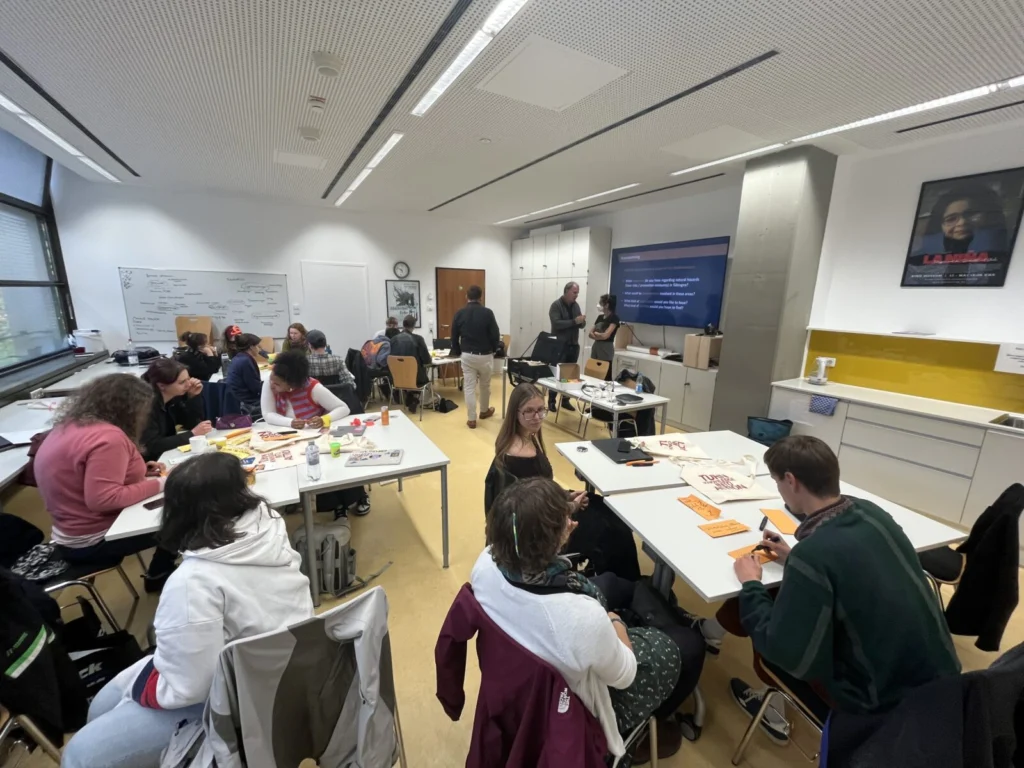
At the EGU General Assembly 2025, we initiated a short course entitled “Best Practices for Early Career Researcher (ECR) Engagement and Empowerment in Research Projects”, designed and led by Early Career Researchers (ECRs). The goal was to provide an interactive platform for ECRs, project leaders, and anyone involved in research projects to come together, reflect, share experiences, co-learn, and ...[Read More]

From Classroom to Community: Bridging Disaster Risk Reduction Education with the Real World Through Service-Learning

From Classroom to Community: Bridging Disaster Risk Reduction Education with the Real World Through Service-Learning

This week, we turn our attention to education and collaboration in Disaster Risk Reduction (DRR). Dr. Solmaz Mohadjer has been leading an innovative Service-Learning course that brings students together with non-profit organisations working at the forefront of risk reduction. The course not only introduces students to the complexities of disasters and resilience but also creates space for dialogue ...[Read More]

Disaster Risk Reduction in Humanitarian Action – An interview with Gözde Kazaz from Hayata Destek (Support to Life)

Disaster Risk Reduction in Humanitarian Action – An interview with Gözde Kazaz from Hayata Destek (Support to Life)

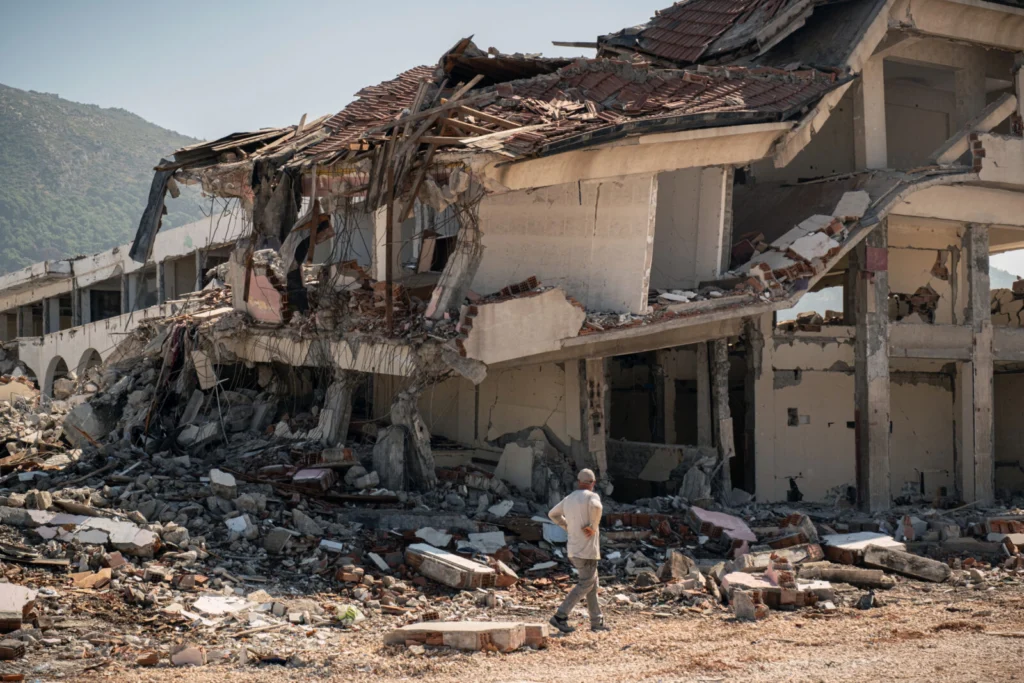
This summer, we participated in a Service-Learning course titled “Breaking the Cycle of Disaster, Response, Recover, and Repeat”. The course was developed by Solmaz Mohadjer and offered as part of the Transdisciplinary Course Program at the University of Tübingen, Germany. We were brought together from different disciplines to explore key factors that contribute to effective disaster risk reductio ...[Read More]

No Resilience Without Trust – An interview with Janise Rodgers and Mary Antonette Beroya-Eitner from GeoHazards International

No Resilience Without Trust – An interview with Janise Rodgers and Mary Antonette Beroya-Eitner from GeoHazards International

This summer, we participated in a Service-Learning course titled “Breaking the Cycle of Disaster, Response, Recover, and Repeat”. The course was developed by Solmaz Mohadjer and offered as part of the Transdisciplinary Course Program at the University of Tübingen, Germany. We were brought together from different disciplines to explore key factors that contribute to effective disaster risk reductio ...[Read More]

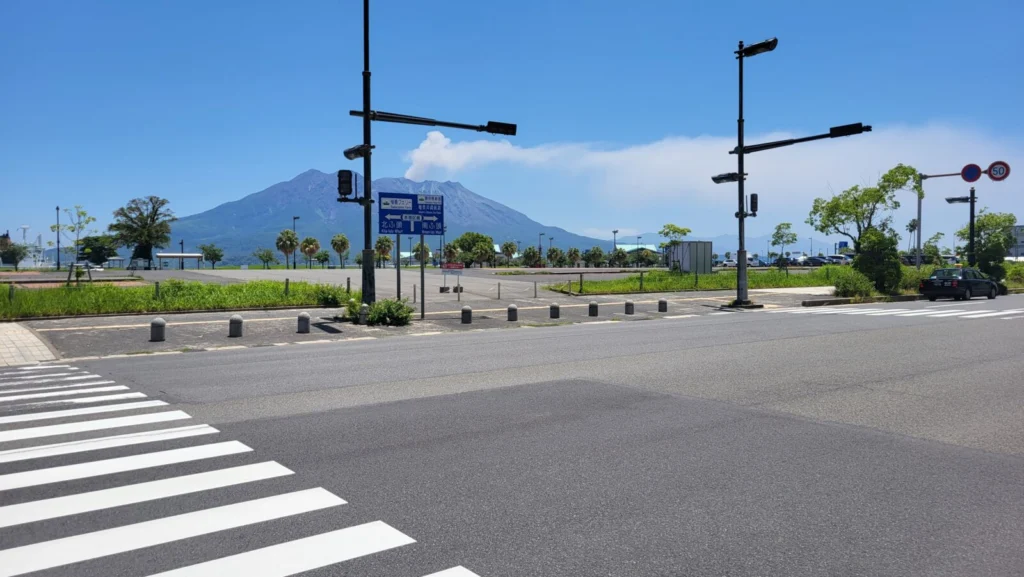
If a Resilient City Had a Face: It Might Look Like Kagoshima

If a Resilient City Had a Face:  It Might Look Like Kagoshima

As natural hazard scientists, we often emphasise the concept of exposure – how much people, infrastructure, and ecosystems are in harm’s way when close to natural hazard sources (e.g., floodplains, volcanoes, or fault lines). The closer you are, the higher the risk. Therefore, one of the main goals in natural risk assessment is to reduce exposure whenever possible. We advocate for informed plannin ...[Read More]

How is earthquake-driven sea-level rise changing our coasts?

How is earthquake-driven sea-level rise changing our coasts?

Coastal regions have always been at risk from natural hazards, but now, there’s an added layer of complexity. Earthquakes, which cause the land to move up or down, can significantly affect sea levels, especially in regions already experiencing the effects of climate change. Earthquakes can alter coastlines in ways that we’re still trying to understand, and it’s clear that tectonically active areas ...[Read More]

The Blatten landslide in Switzerland

The Blatten landslide in Switzerland

In the morning of May 28, 2025, the picturesque Swiss alpine village of Blatten sat quiet and serene in the Lötschen Valley. Exceptionally quiet, in fact, as the village was evacuated on May 19th after a local Natural Hazards expert spotted a worrisome change in a local mountain looming about the village, the Kleines Nesthorn: it was collapsing faster. The Kleines Nesthorn is a 3,341-meter peak wi ...[Read More]

Be prepared, don’t be scared: Early Warning System Test during Thanksgiving on Cape Cod

Be prepared, don’t be scared: Early Warning System Test during Thanksgiving on Cape Cod

This week I think back on my time in the United States of America, where I was able to spend the holiday season. In North America, “fall” marks the beginning of this holiday season, and symbolises a time filled with traditions of togetherness that transcends regions. In New England, particularly in the state of Massachusetts, the season is synonymous with crisp air, vibrant foliage, and the celebr ...[Read More]