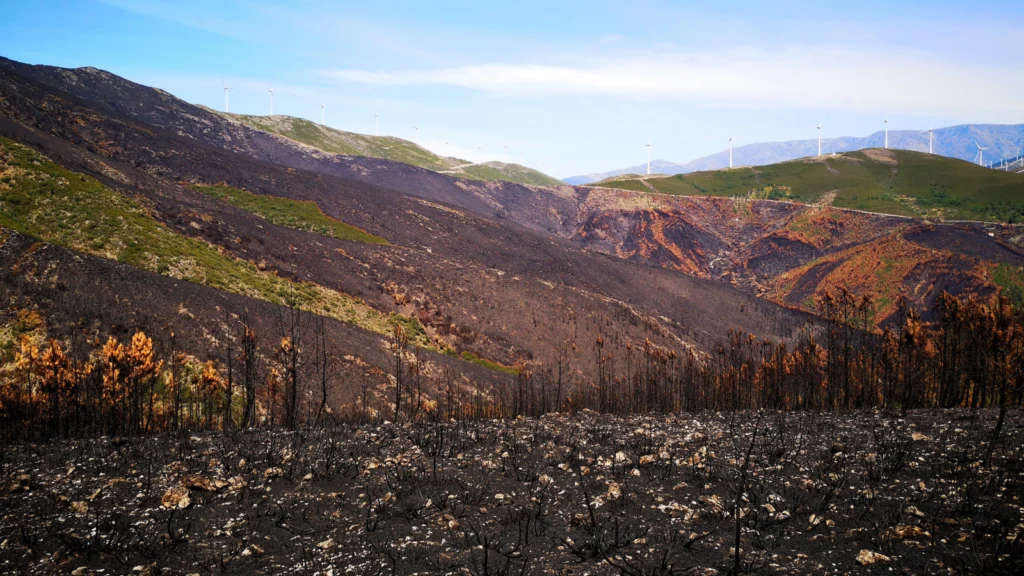
Wildfires are a natural element in many ecosystems and play a central role in their dynamics. For example, they clear forest floors and liberate nutrients that can replenish the soil. However, changes in fire regimes induced by anthropogenic factors (such as climate change and land uses) have resulted in fire patterns that harm ecosystems [1]. Let’s see together the issues and the mitigation solut ...[Read More]
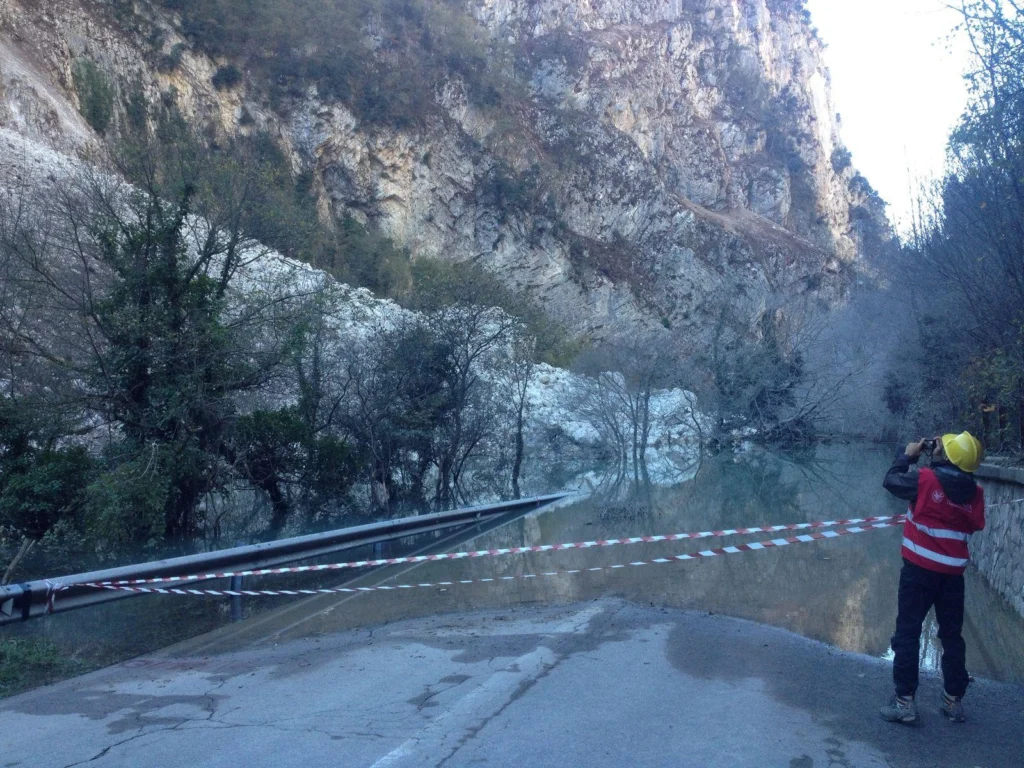
LANDAWARE: the international network on landslide early warning systems
For today’s interview, it gives me great pleasure to host Dr Manfred Stähli, who will tell us about a new initiative in the field of Landslide Early Warning Systems (LEWS), which is attracting the attention and participation of researchers from many countries. This initiative is called LandAware. Manfred is a senior scientist in mountain hydrology, slope stability and early warning systems a ...[Read More]
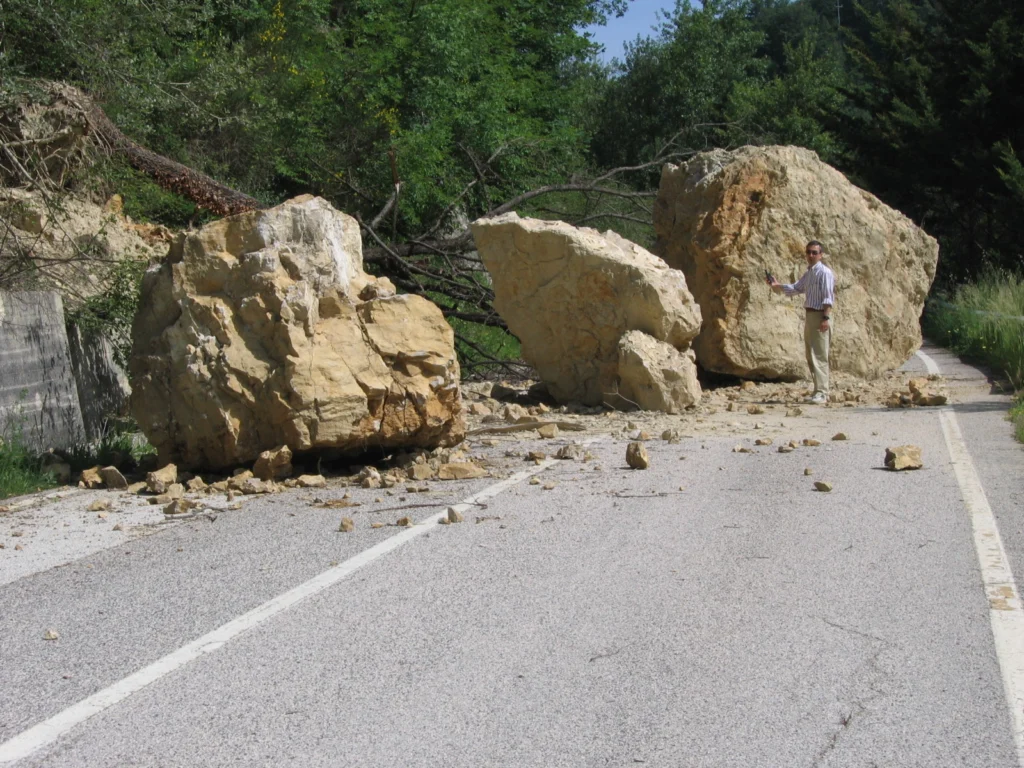
From caves explorer to landslides scientist: Fausto Guzzetti 2021 Soloviev Medal
Dr Fausto Guzzetti, current Research Director of the National Research Council (CNR) in Italy, has been awarded the 2021 Sergey Soloviev Medal for “his fundamental contributions to the field of natural hazards and his remarkable efforts to link the scientific community and civil protection authorities to mitigate risk for exposed populations”. From his passion for mountains and caves and his “hope ...[Read More]
Climate Change: is Viticulture under threat?
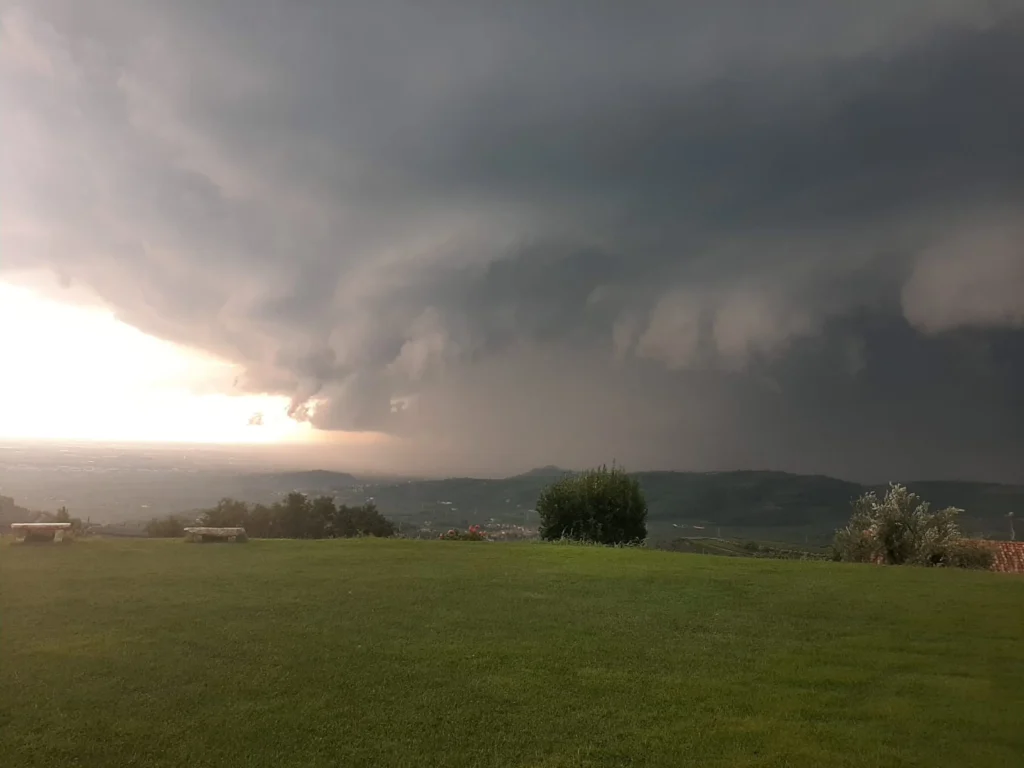
In the afternoon of August 29, 2020, an intense supercell, which is a thunderstorm characterized by the presence of a deep, persistently rotating updraft, affected the province of Verona in the north of Italy (Figure 1). It was not the first event of this kind; several other events, including tornado episodes, had already occurred during summer 2020. Here the video of the downburst recorded during ...[Read More]
The earthquake traffic light
Dr. Laura Gulia is a senior post-doc at the University of Bologna, Department of Physics and Astronomy. She has a strong experience in statistical seismology, seismicity analysis as well as seismic hazard and risk assessment. Recently, she investigated the spatio-temporal evolution of the earthquake size distribution throughout a seismic sequence focusing on the b-value, a parameter characterizing ...[Read More]
Coping with ‘extremes’ – keep calm and fly…
When you read about climate extremes, what is the first thing that comes to your mind? Probably not airport systems. However, you might have been affected at least once by delays, longer flights, or even flight cancellations due to low visibility, strong winds, convective activity which can lead to thunderstorms. Especially, if you reside in or have flown to or from the United Kingdom, the Netherl ...[Read More]
The Italian catalogue of earthquake-induced ground failures: saving the past for the future seismic hazard assessment #CEDIT
The Italian Catalogue of Earthquake-Induced Ground Failures (CEDIT) is a database available online since January 2013 that stores data about ground failures induced by strong earthquakes, which occurred on the Italian territory since 1000 AD up to now. CEDIT is freely available on a web-GIS portal (currently the access is granted using Firefox as a web browser, the upgrade to other browsers ...[Read More]
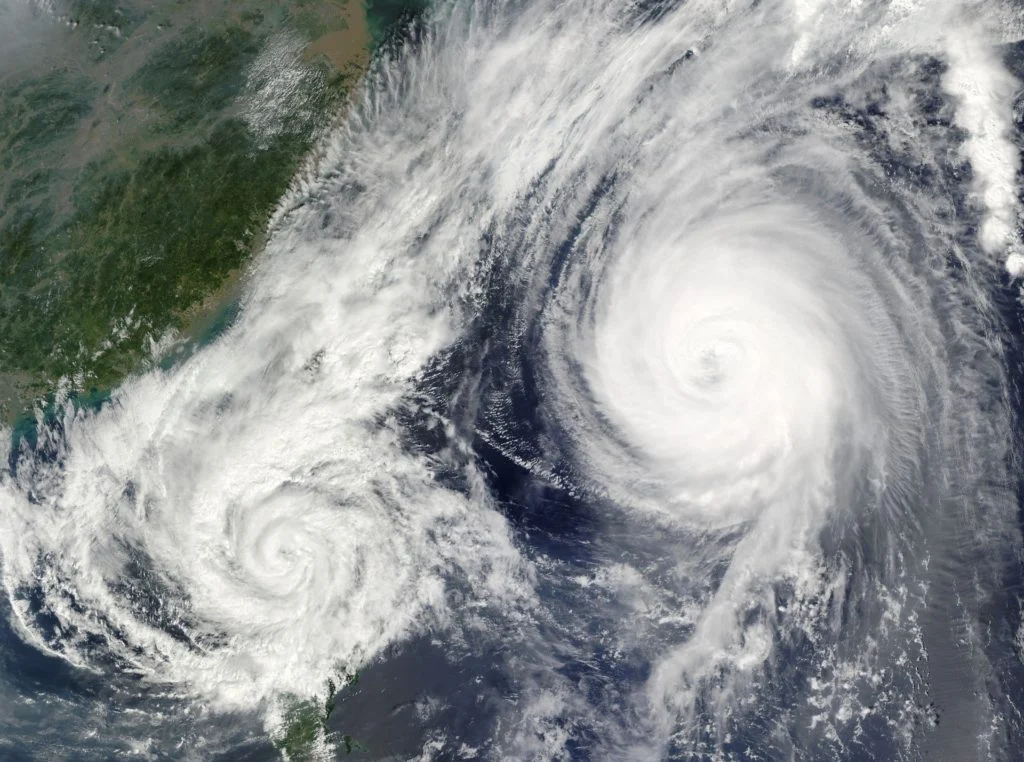
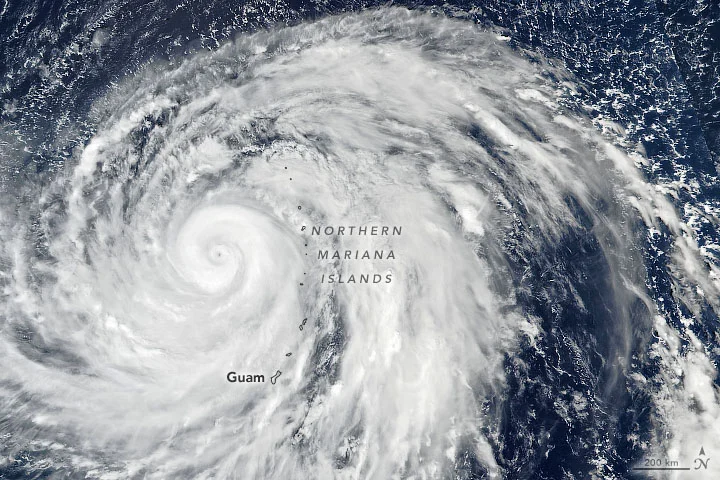
A coffee with Mr Fujitsuka: Typhoon Hagibis and the recovery process
Today I got the chance to grab a coffee with Mr Fujitsuka, an ex-officer of the Ministry of Environment of Japan in charge of disaster preparedness, management and recovery. The reason why I decided to interview Mr Fujitsuka is that he helped in first person to manage the recovery process during Typhoon Hagibis that paralyzed the eastern coast of Japan on the first week of October. But, before exp ...[Read More]
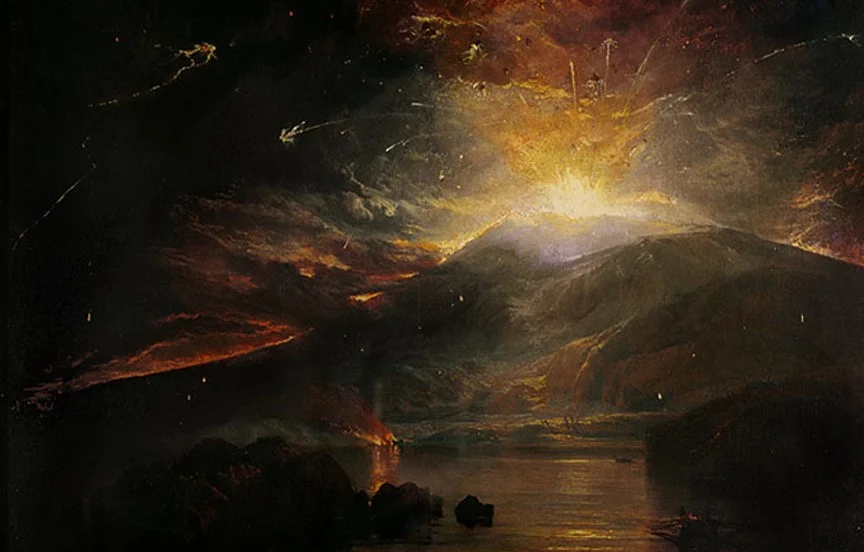
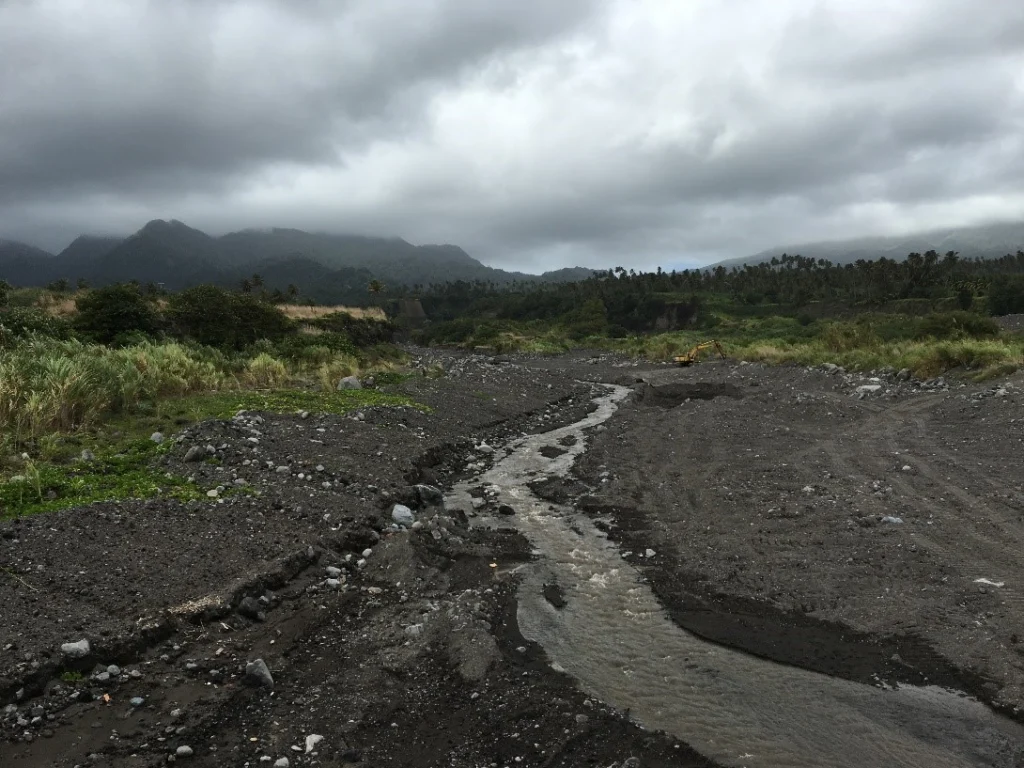
The bad, the good and the unpredictable: living with volcanoes / part 2
Before continuing, if you haven’t read it yet, catch up with the first part of this blog article by clicking on this link. The good Living with volcanoes is not all bad. Volcanoes provide a wealth of natural resources in the form of building materials, hot springs, freshwater and fertile soil. However, there are more hidden aspects, which was the focus of a recent collaboration with an archa ...[Read More]
The bad, the good and the unpredictable: living with volcanoes / part 1
Introduction Humans have existed and lived alongside volcanoes for as long as we have been on the planet. For some, this has been beneficial and often, in fact, we can see how indigenous knowledge finds a sustainable approach living with them. However, in some cases, societies cannot cope and are overwhelmed with volcanic eruptions. There are many examples from archaeological studies dealing with ...[Read More]