GD
Geodynamics

analogue modelling

Building the Earth in a sandbox
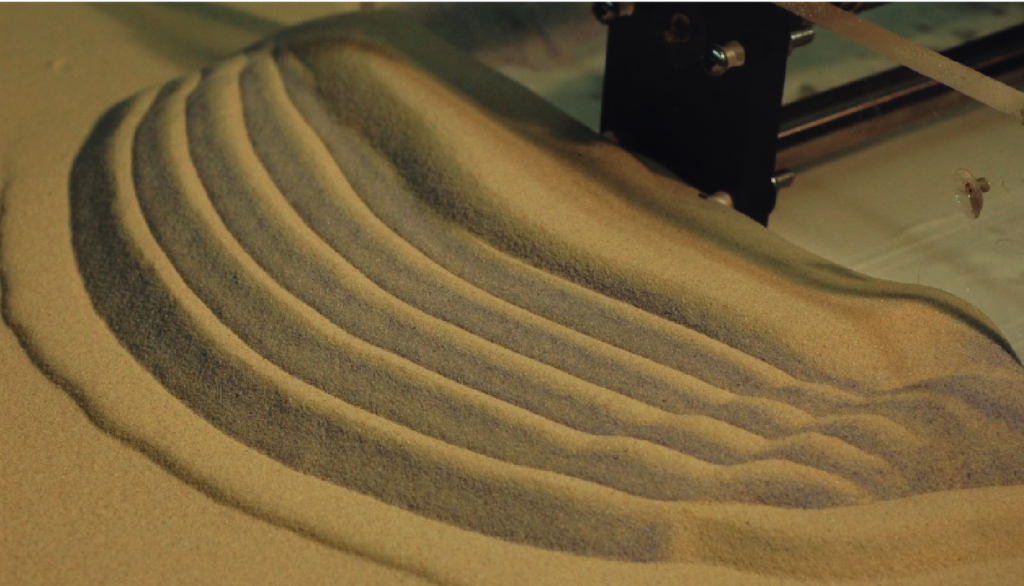
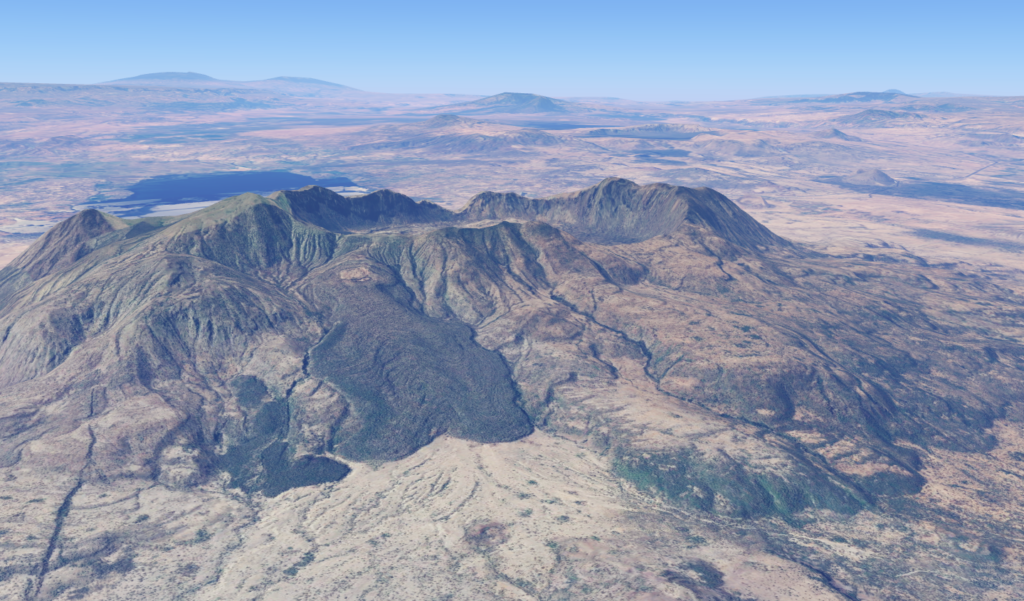
Fentale Volcano

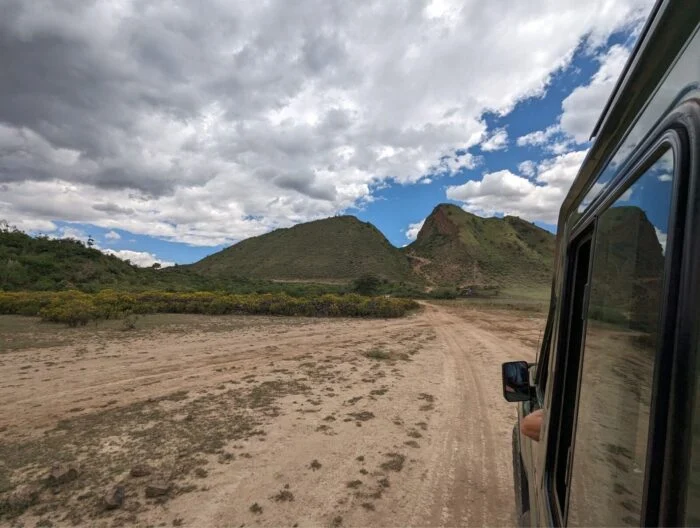
  Building the Earth in a sandbox   The Main Ethiopian Rift stretches for hundreds of kilometers through Ethiopia, a massive fracture where Africa is slowly tearing apart to birth a new ocean. However, the processes driving this continental breakup remain hidden deep beneath layers of volcanic rock and millions of years of geological history. Today, in a laboratory in the heart of the be ...[Read More]
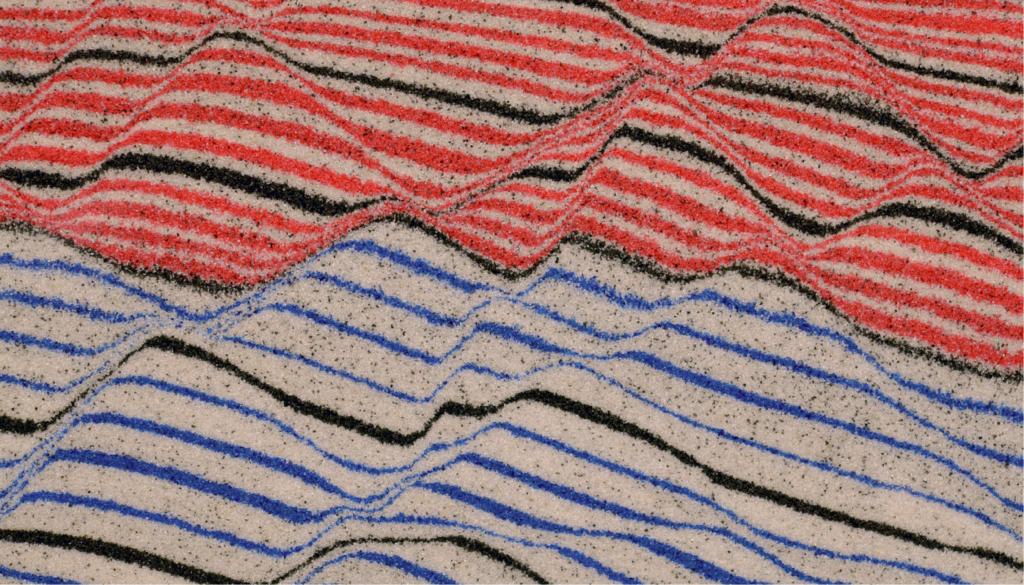
Unraveling volcanic patterns between adjacent rift zones

Unraveling volcanic patterns between adjacent rift zones

Continental rifts are a prime example of how the forces at work beneath our feet are constantly shaping our world, and often host volcanic activity. The patterns and distribution of volcanism in rift settings, however, is far from intuitive. The picture gets even more complicated if we look between the segments that often make up a rift. This week, Valentina Armeni from the University of Potsdam, ...[Read More]

Coexisting Forces in Geodynamic Modelling: Pros, Cons, and Synergies of Analogue and Numerical Modelling

Coexisting Forces in Geodynamic Modelling: Pros, Cons, and Synergies of Analogue and Numerical Modelling

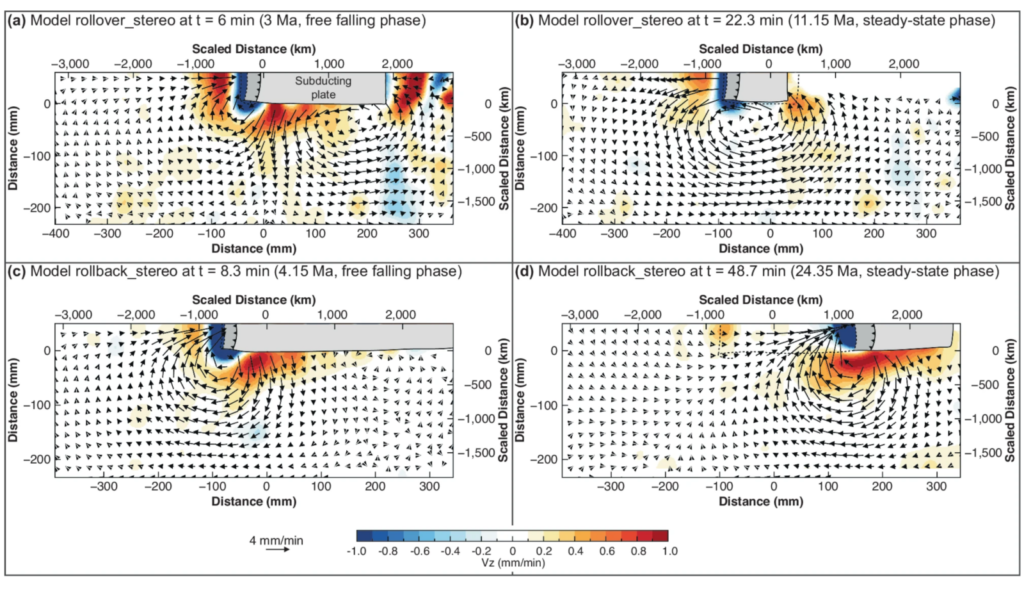
Geodynamic modelling helps us understand Earth’s internal processes by providing a framework to test hypotheses. Analogue modelling uses physical models governed by the laws of nature, with resolution down to Planck’s length. In contrast, numerical modelling employs mathematical methods to approximate solutions to the physical laws governing Earth’s processes. Each modelling approach comes with it ...[Read More]

Effects of decelerating India-Eurasia convergence on the crustal flow and topographic evolution of the Tibetan Plateau

Effects of decelerating India-Eurasia convergence on the crustal flow and topographic evolution of the Tibetan Plateau

The Tibetan Plateau is the most extensive elevated surface on the Earth, stretching ~1,000 km north to south and 3,200 km east to west, with a mean elevation of greater than 4.5 km and located north of the Indian subcontinent. The formation of this Plateau has profoundly influenced the variations and evolution of Asian climate, strengthening of the South-Asian Monsoon, development of the large Asi ...[Read More]

Thinking inside the (sand)box

Thinking inside the (sand)box

Ahhh analogue models… Those beautiful little (or not so little) worlds inside a box, captivatingly beautiful, impossibly detailed… (sorry, getting carried away, am I?). This week, Alex Hughes gives us the insider’s report on what actually goes on in analogue modelling labs when the “Experiment running, do not disturb!!” sign is on the door. Analogue models have been a ...[Read More]

The Sassy Scientist – Analogue Modelling

The Sassy Scientist – Analogue Modelling

Every week, The Sassy Scientist answers a question on geodynamics, related topics, academic life, the universe or anything in between with a healthy dose of sarcasm. Do you have a question for The Sassy Scientist? Submit your question here. David asks: What do you think about analogue modelling? Dear David, Analogue modelling. Well, what’s not to like? Who doesn’t want to spend weeks or months fin ...[Read More]

Thoughts on geological modelling: an analogue perspective

Thoughts on geological modelling: an analogue perspective

In geodynamics we study the dynamics of the Earth (and other planets). We ground our studies in as much data as possible, however we are constrained by the fact that pretty much all direct information we can collect from the interior of the Earth only shows its present-day state. The surface rock record gives us a glimpse into the past dynamics and evolution of our planet, but this record gets spa ...[Read More]

NetherMod Day 1 – Breaking the ice

NetherMod Day 1 – Breaking the ice

This week the EGU Blog Team is attending Nethermod, so we will give you daily updates! Nethermod is the XV International Workshop on Numerical Modelling of Mantle and Lithosphere Dynamics. The 2017 workshop is held at a lakeside hotel near Putten, The Netherlands. The meeting is co-sponsored by the Utrecht University, the Oslo University Centre for Earth Evolution and Dynamics (CEED), the European ...[Read More]