
GD
Geodynamics

edited by Lorenzo Mantiloni

Lorenzo is a Postdoctoral Research Fellow at the University of Exeter, UK. His research interests focus on the dynamics and stability of magma mush reservoirs, as well as numerical and analogue modelling of crustal stress and pathways of magmatic dykes. He joined the GD blog team as an editor in 2023. You can reach out to him at l.mantiloni@exeter.ac.uk.

The pulsed rise of the Nahuelbuta Range: How glaciers indirectly built a mountain in Patagonia
The pulsed rise of the Nahuelbuta Range: How glaciers indirectly built a mountain in Patagonia
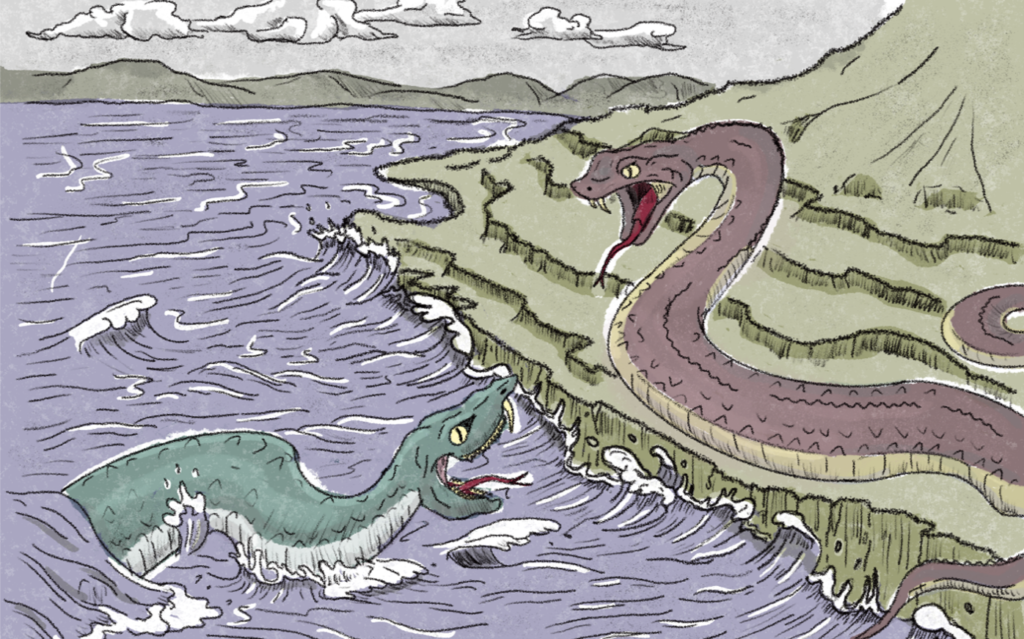
Forearc ranges are a striking example of how tectonic processes shape our planet. The Nahuelbuta Range in southern Chile is one of such settings. This week, Ambrosio Vega-Ruiz from the GFZ Helmholtz Centre for Geosciences, Germany, is telling us the story of this remarkable range, exploring how climate feedback can influence tectonic uplift across coastal forearcs. Tectonic uplift before tectonic ...[Read More]

Interview ECS GD Awardee 2026 – Sia Ghelichkhan

Interview ECS GD Awardee 2026 – Sia Ghelichkhan

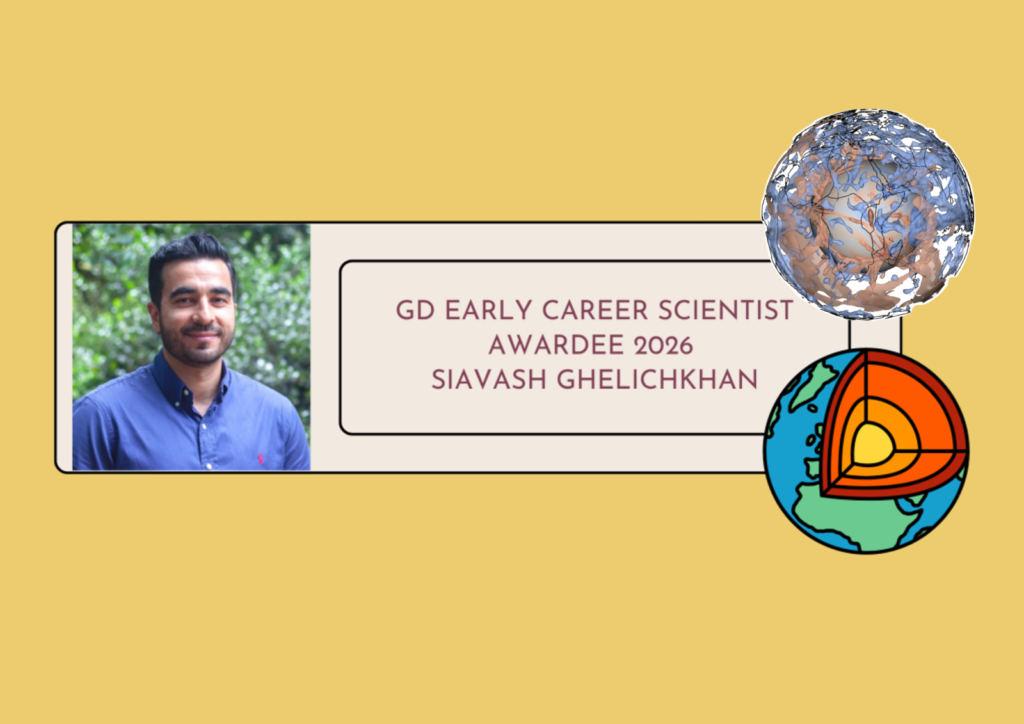
The Division Outstanding Early Career Scientist Awards highlight exceptional scientific contributions made by an Early Career Scientist in the fields of Earth Sciences associated with each division. This year, the prestigious recognition for the Geodynamics Division has been awarded to Dr. Sia Gelichkhan, from the Australian National University. Today we have the pleasure of interviewing him on hi ...[Read More]

Destruction of the North China Craton and its global impact

Destruction of the North China Craton and its global impact

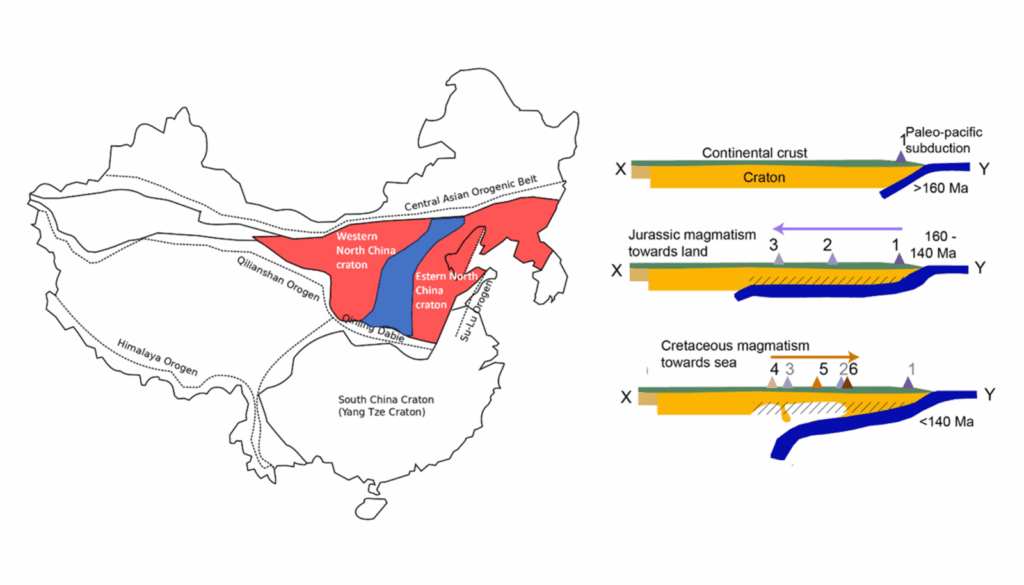
Cratons are forever, until they are not. These long-lived portions of lithosphere are known for being remarkably stable. However, if the conditions are right, even cratons can be ripped apart by geological forces, with far-reaching impacts on Earth’s systems. This week, Jyotirmoy Paul from the University of Oslo, Norway will tell us the downfall of the North China Craton, using numerical sim ...[Read More]

Unraveling volcanic patterns between adjacent rift zones

Unraveling volcanic patterns between adjacent rift zones

Continental rifts are a prime example of how the forces at work beneath our feet are constantly shaping our world, and often host volcanic activity. The patterns and distribution of volcanism in rift settings, however, is far from intuitive. The picture gets even more complicated if we look between the segments that often make up a rift. This week, Valentina Armeni from the University of Potsdam, ...[Read More]