In today’s interview, we talk with Prof. Claire J. Horwell. Claire has been awarded the 2020 Plinius Medal for her outstanding interdisciplinary research on the respiratory health implications of inhaling volcanic emissions, and other particulates. my research focuses on protecting communities from exposures to potentially harmful airborne particulates Hi Claire, can you please briefly introduce …[Read More]
Natural Hazards
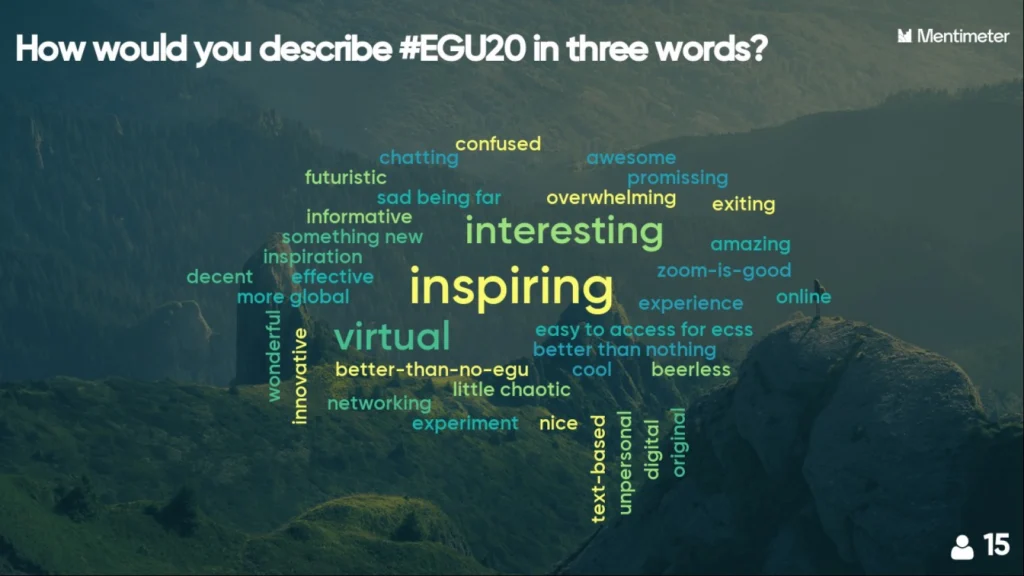
#shareEGU20 afterthoughts about virtual conferencing
It’s 2020 and a new coronavirus has spread all over the world-changing most if not all our habits. In a few weeks, we’ve seen adaptations to living in a world with this pandemic, from many points of view. Science reacted and adapted very quickly, sharing research and opening dialogues using online tools. Similarly, the EGU …[Read More]
NH medallists Episode II – John Clague & his passion for Natural Hazard
In today’s interview, we talk with Prof John J. Clague, who was awarded the 2020 Sergey Soloviev Medal for his remarkable scientific contributions in fundamental and applied research on earthquakes, tsunamis, outburst floods and landslides, directed towards risk reduction for the benefit of societies. Hi John, can you please briefly introduce yourself, telling your main …[Read More]
EGU 2020: Sharing Geoscience Online, NhET activities
We are currently living uncertain times due to the COVID-19 pandemic, and we hope that you and your relatives are healthy and safe. As you may know by now, the physical EGU 2020 General Assembly was cancelled. To keep science in the front line, provide a discussion and sharing platform also at these times, it …[Read More]
Vitor Silva: 2020 Natural Hazards division medallist story
In today’s interview, we talk with Dr Vitor Silva, who was awarded the 2020 Natural Hazard Division Outstanding Early Career Scientist Award for his fundamental contributions to the research on earthquake risk assessment. Seismic risk is the probable building damage and the number of people that are expected to be hurt or killed if a …[Read More]
Blog column – PICTURE YOUR RESEARCH!
Working on natural hazards brings you to places (physically and virtually) you might never have discovered otherwise. You look at the world while asking questions about places, situations, relationships, and interactions of the natural processes surrounding you, inspiring your scientific potential. The Natural hazard Early Career Scientists Team is interested in your natural hazard research …[Read More]
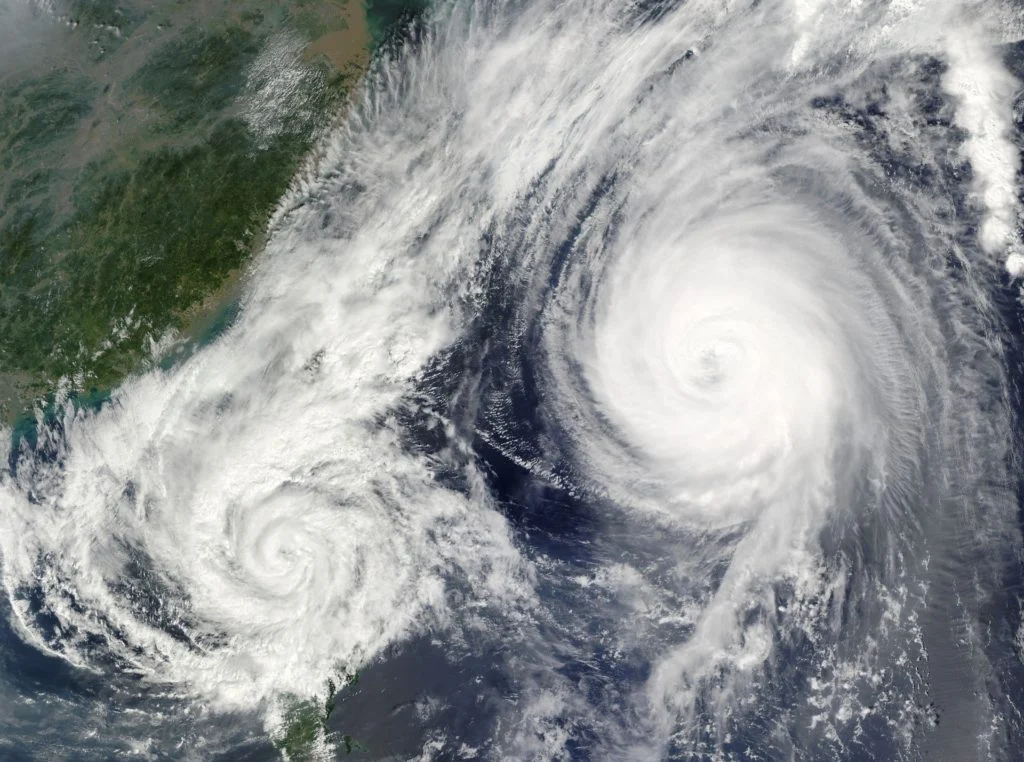
Coping with ‘extremes’ – keep calm and fly…
When you read about climate extremes, what is the first thing that comes to your mind? Probably not airport systems. However, you might have been affected at least once by delays, longer flights, or even flight cancellations due to low visibility, strong winds, convective activity which can lead to thunderstorms. Especially, if you reside in …[Read More]
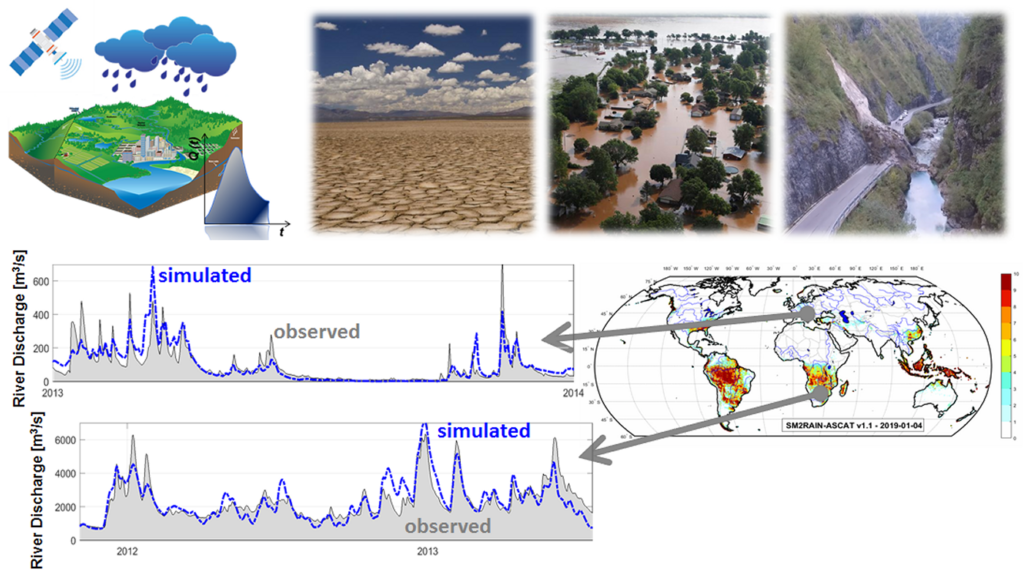
How satellites measuring soil moisture provide a new understanding of rainfall patterns
Soil moisture and rainfall are the two fundamental variables in the water and energy cycle and their knowledge in many applications is crucial. For instance, for predicting the occurrence and the magnitude of flood and landslide events the knowledge of the initial soil moisture condition and of rainfall amount is mandatory. In the last decade, …[Read More]
The Italian catalogue of earthquake-induced ground failures: saving the past for the future seismic hazard assessment #CEDIT
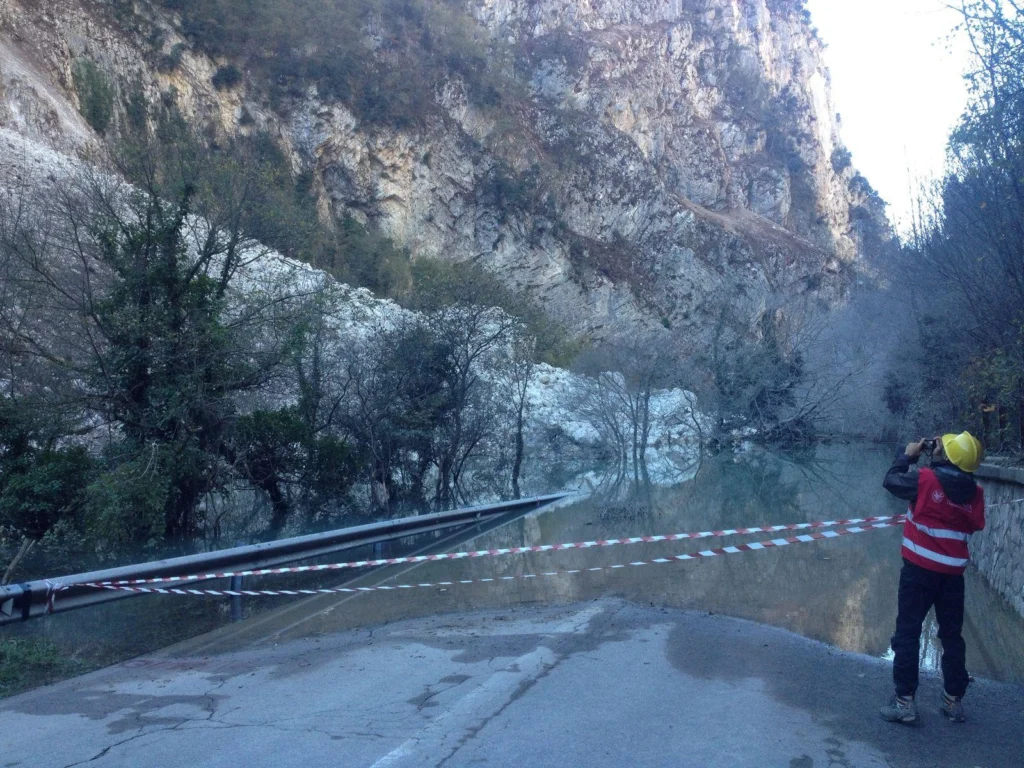
The Italian Catalogue of Earthquake-Induced Ground Failures (CEDIT) is a database available online since January 2013 that stores data about ground failures induced by strong earthquakes, which occurred on the Italian territory since 1000 AD up to now. CEDIT is freely available on a web-GIS portal (currently the access is granted using Firefox as …[Read More]
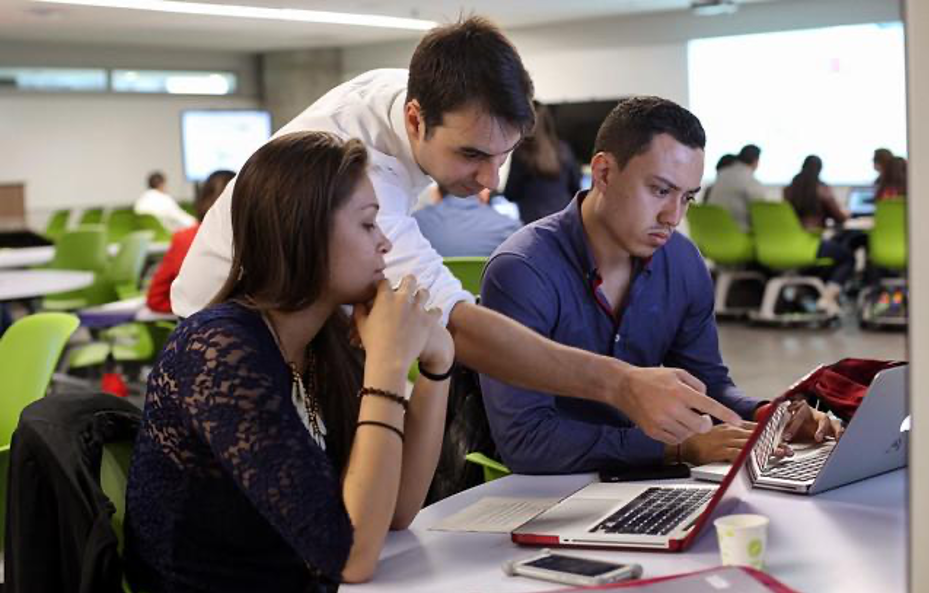
The multitasking skillbox of researchers, direct experiences from Early Career Scientists.
Science is “the study of the nature and behaviour of natural things and the knowledge that we obtain about them” (Collins online dictionary). In other words, science is tightly linked to gaining knowledge. However, this definition and many others never mention that to gain knowledge through science, a vast amount of experience must be acquired …[Read More]