
Dr Assaf Sukenik is Senior Scientist at Kinneret Limnological Laboratory of the Israel Oceanographic and Limnological Research. His research interests concern the physiology and biochemistry of freshwater and marine algae, Cyanobacteria and algal toxins, the water quality of freshwater ecosystems. What are cyanobacteria and what is their natural habitat? Cyanobacteria (from the Greek word κυανοσ …[Read More]
Natural Hazards
NH10 Multi-Hazards: The Latest EGU Natural Hazards Sub-Division
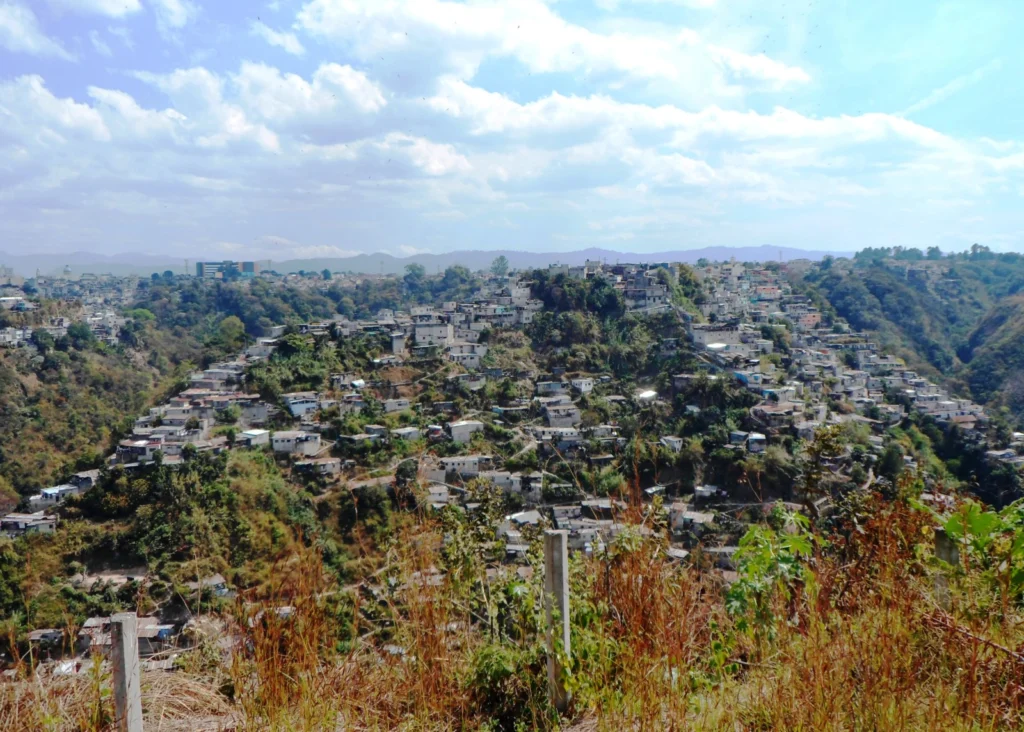
Earlier this year, the EGU Natural Hazards Division approved the addition of a new sub-division focused on the theme of ‘multi-hazards’. The Science Officers representing this sub-division, Joel Gill (British Geological Survey) and Marleen de Ruiter (IVM-VU Amsterdam), reflect on why this sub-division is necessary and how you can get involved. Many regions are affected …[Read More]
I-REACT – ‘Fight disasters with your phone’
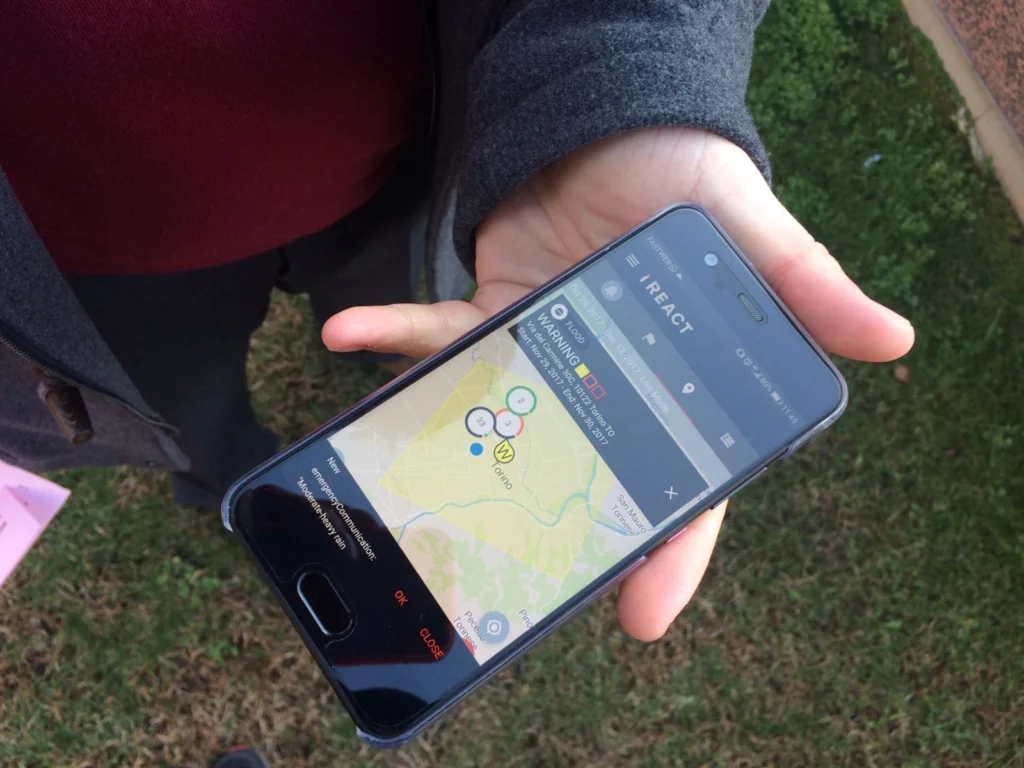
Technology has never been more at hand than at the time we are living. Smartphones and the many apps on the market are proof of this. As I recently discovered, there is also an app developed to learn about natural hazards and, as they claim, fight disasters! This app is called I-REACT, and it was …[Read More]
Gaius Plinius Secundus and Sergey Soloviev, two names and awards.
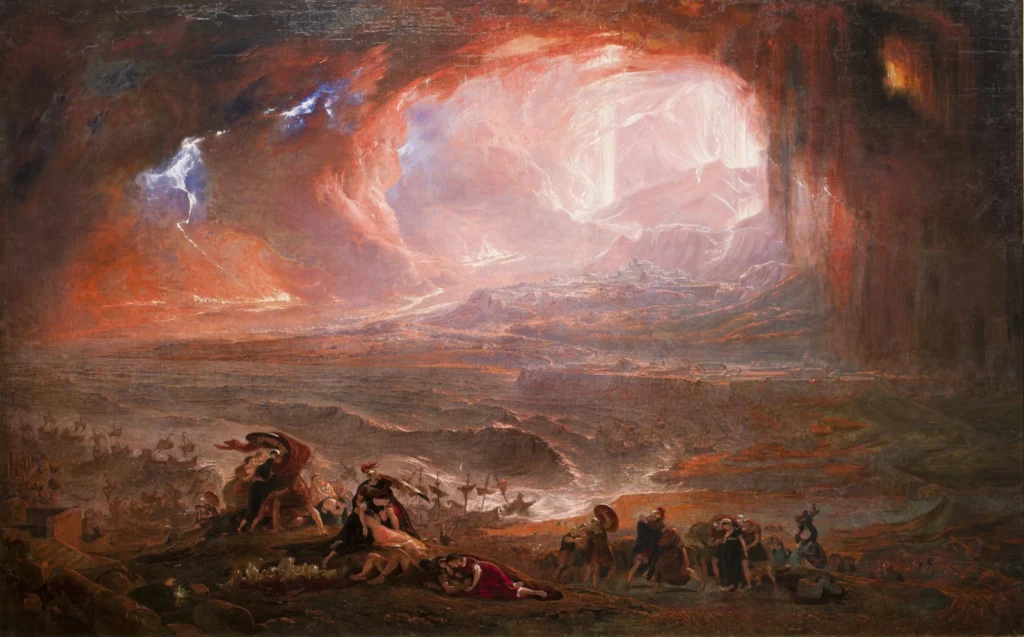
The EGU has an award system in place aiming at recognising eminent scientists for their outstanding contribution in Earth, planetary and space science. There are different medals a researcher can be nominated to, including Division ones. Ah, before I forget: the deadline for this year nominations is 15 June! Don’t miss the chance to appoint …[Read More]
Let the ash fall, but get ready for its consequences
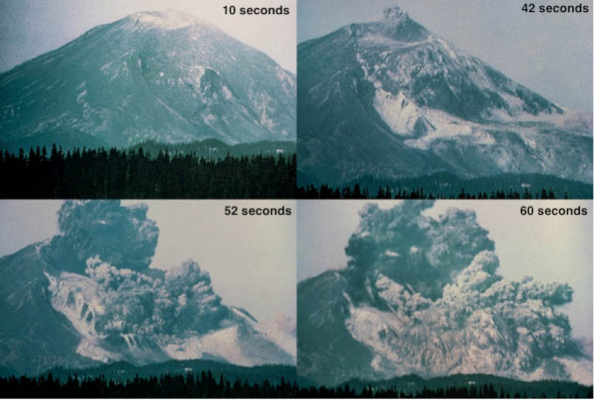
The past 18th May marked 39 years since one of the most emblematic volcanic eruptions in historic times: the 1980 Mt St Helens explosive eruption. With a death toll of 57 victims, it is the deadliest volcanic event in U.S. history. If that wasn’t enough, it also destroyed hundreds of houses and roads. When we …[Read More]
Our audience on stage: new NhET blog column

The diffusion of social media such as Facebook, Twitter, etc. in addition to traditional blogging led to a diversification in the impact of science communication. However, as Eryn Brown and Chris Woolston wrote in Nature last January, blogs continue to be effective platforms for disseminating research into the world and increase the discovery of science. …[Read More]
Alpine rock instability events and mountain permafrost
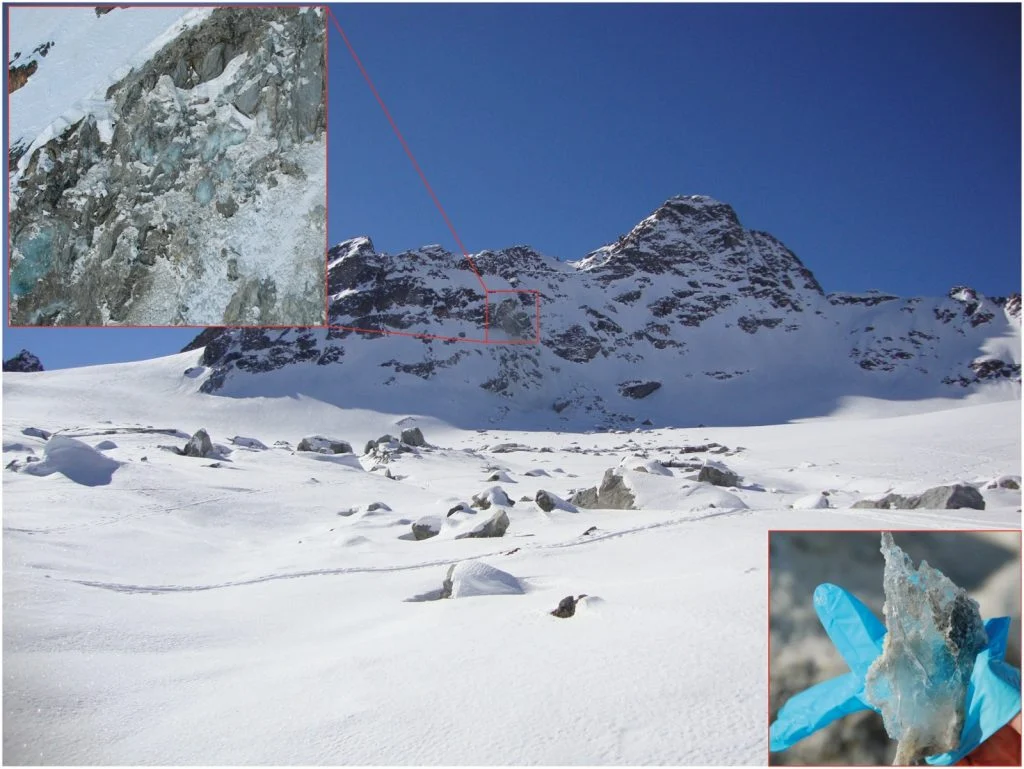
Rockfalls, rock slides and rock avalanches in high mountains The terms rockfall, rock avalanche and rockslide are often used interchangeably. Different authors have proposed definitions based on volume thresholds, but the establishment of fixed boundaries can be tricky. Rockfall can be defined as the detachment of a mass of rock from a steep rock-wall, along …[Read More]
InSAR Norway: the big eye on Norwegian unstable rock slopes
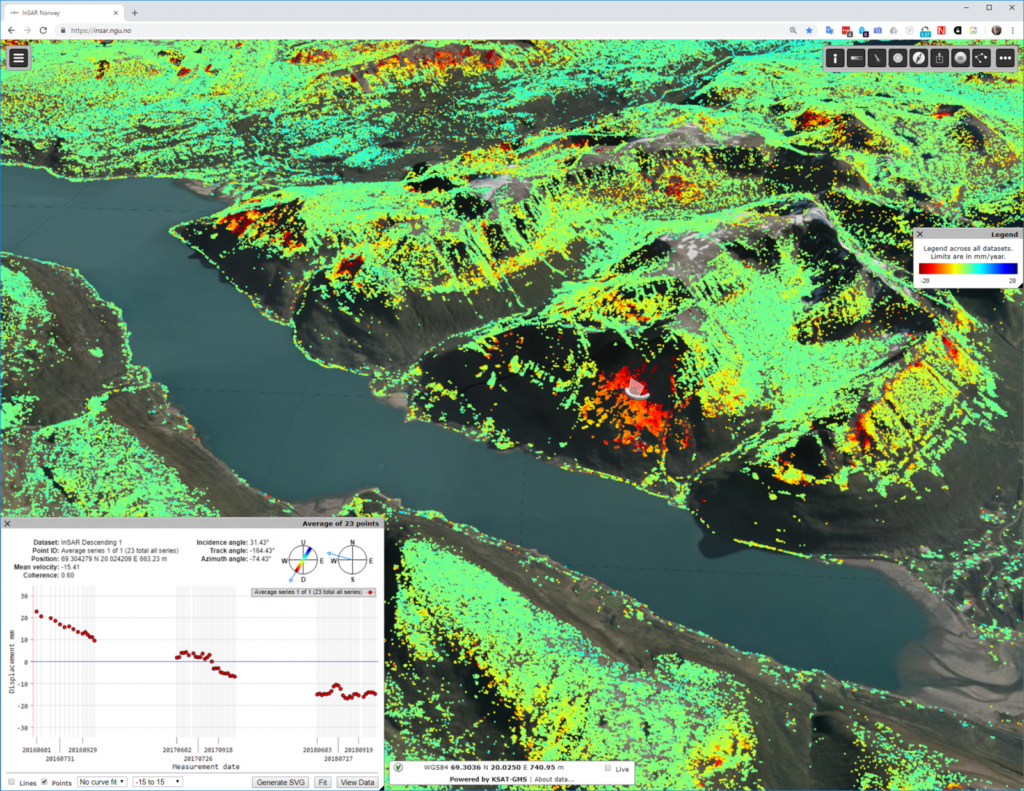
Marie Keiding is a researcher in the Geohazard and Earth Observation team at the Geological Survey of Norway. Together with her colleague, John Dehls, who is leading the project, she works to develop and operate the new mapping service called InSAR Norway. Before we start, let’s briefly describe what is InSAR. First, the Synthetic Aperture …[Read More]
#EGU19 program is ready! Are you ready for it?
#EGU19 program is ready! Are you ready for it? The next EGU’s General Assembly is taking place in one week! We bet you already started planning your program for the week, that Natural Hazard (NH) sessions are included, and, especially if you are an Early Career Scientist (ECS), you have found many sessions and …[Read More]
The CRED presents the bill: the socio-economic cost of natural hazards.
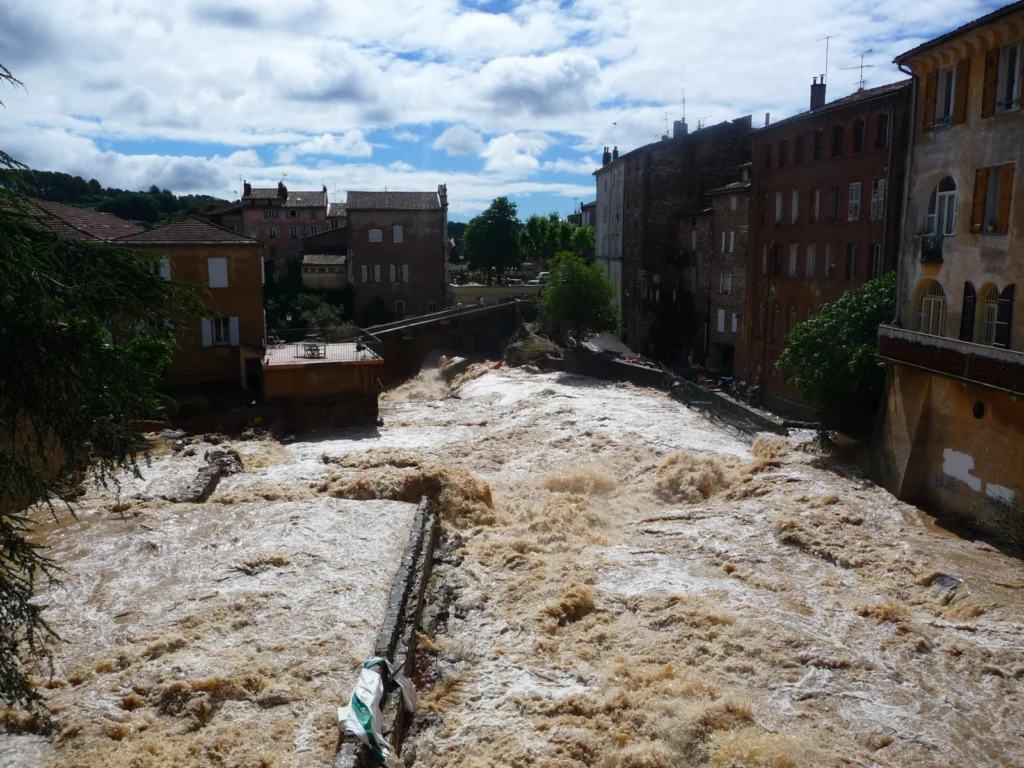
Which type of natural hazard is the most frequent? And which one causes the largest economic losses? Which populations are mainly affected? What are the necessary steps to reduce natural hazards’ impact? If you have ever wondered about any of these questions, you’d be interested to know that there is an institute answering all of …[Read More]