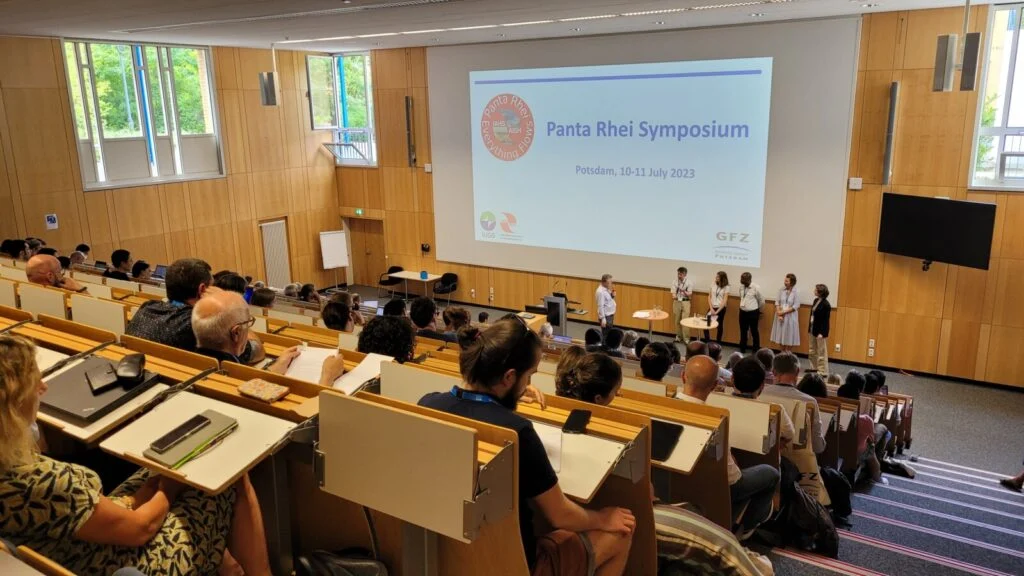
On the 10th and 11th of July 2023, the final symposium for the scientific decade, “Panta Rhei – Everything Flows: Change in Hydrology and Society” of the International Association of Hydrological Sciences (IAHS), took place at the German Research Centre for Geosciences (GFZ) in Potsdam. During these two days, 150 hydrologists, engineers, social scientists and …[Read More]
Science communication
Is culture the missing link to disaster risk reduction?
Sophocles, a great tragic writer of Classical Athens, said that “success is dependent on effort”. When it comes to disaster risk reduction, are we doing enough to develop a culture of resilience and how do cultural factors affect people’s willingness to protect themselves and build an effective disaster reduction and reconstruction mechanism? In 1995 (17/01/1995), …[Read More]
“My teacher is a volcanologist”- Valeria Cigala tells us about her journey from academia to middle school teaching
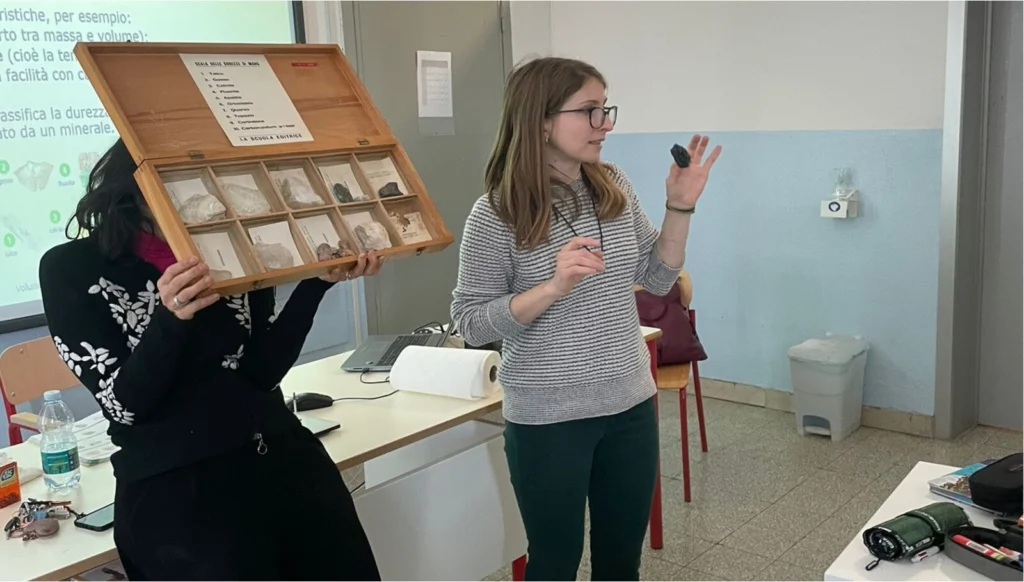
Valeria Cigala (Ph.D.) is a geoscientist by education and an expert in explosive volcanism and related hazards. She has been the Early Career Scientists Representative for the Natural Hazards Division of EGU from 2019 to 2022 and Editor-in-chief of our blog. Valeria is currently employed as a maths and science teacher at the middle school …[Read More]
Five (or more) reasons why… you should become a blog editor about natural hazards!
If you want to be a blog editor about natural hazards… This post is for you! The EGU Natural Hazards Division Blog Editorial Team is looking for new motivated blog editors to join our interdisciplinary and inclusive team. Now you are wondering why you should join us. There are plenty of good reasons, indeed. In …[Read More]
The 2023 Carnival disaster in São Paulo: an all time record for rainfall in Brazil
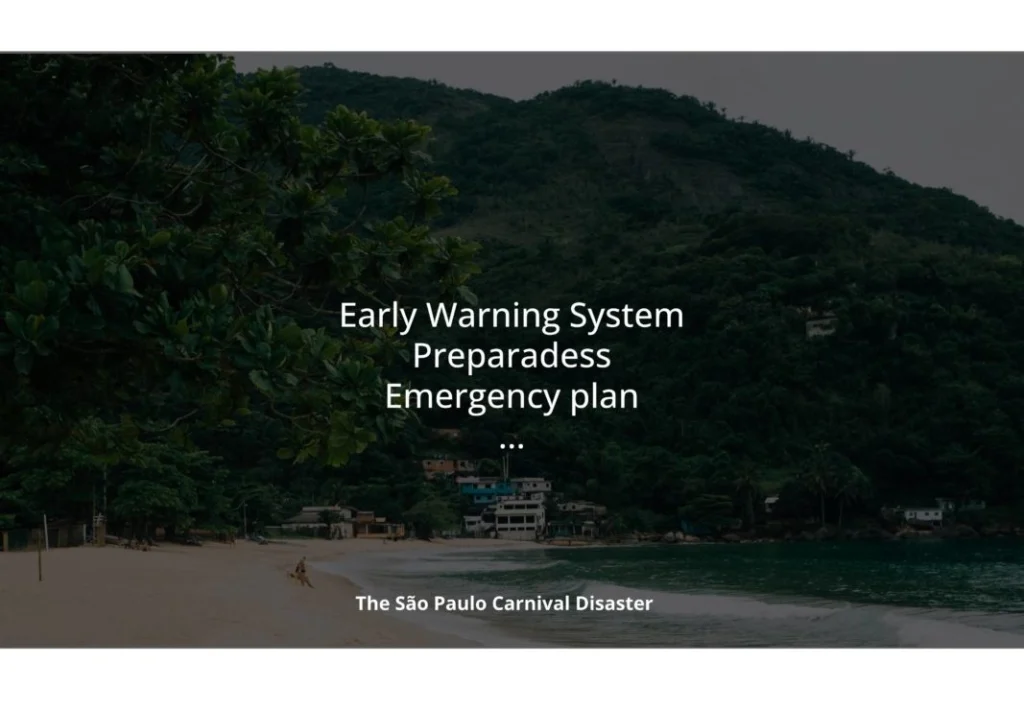
In February 2023, Brazil experienced its largest rainfall event on record, which devastated the northern coast of the state of São Paulo. This event caused landslides, floods, and numerous fatalities, making it even more tragic than previous disasters in the region, which already have been elaborated on in another blog post. The situation highlights the …[Read More]
The EGU23 bucket list for Natural Hazards Early Career Scientists
The European Geoscience Union (EGU) General Assembly (GA) is a precious occasion to create new connections and receive new stimuli to feed your own research, specifically for those in the early stages of their career. Nevertheless, the occasions for networking and scientific discussion can be so many, that it could be difficult to choose what …[Read More]
Connecting the dots: the importance of recognising multi-hazard events in disaster reporting
In the past year, the world has witnessed many severe disasters caused by multiple hazards whose impacts overlapped in time and space. February this year, two severe earthquakes hit Syria and Turkey shortly after each other, followed by two more powerful earthquakes and over a hundred aftershocks in subsequent weeks [1,2]. The disaster caused over …[Read More]
New positions to join the Natural Hazards Division team!
Interested in being actively involved in shaping the EGU NH Division activities and organising the annual General Assembly? Are you working in the Natural Hazards field? Then keep reading… we need you! Our Division is seeking: a new Science Officer for the NH10 Multi-Hazards sub-division a new Social Media Coordinator For both positions, the term is …[Read More]
Unravelling the Complex Drivers of Wildfires in the Era of Climate Change
In the last decades, the strength of climate change has been evident across the globe in many weather and climate extremes occurrences, including heatwaves and droughts. Those events are involved in all fire stages and influence all aspects of the fire regime [1]. Climate change is driving unprecedented wildfire in the Mediterranean region The …[Read More]
IoT and Natural Hazards: the latest updates
In my blog post last year, I talked about the escalation of extreme events in Brazil, and one of the main questions was whether the scientific community would need new methods and technologies to deal with extreme events aggravated by climate change. This year, during one of the Innovations (WG05) working group meetings of the …[Read More]