NH
Natural Hazards

Natural hazard

Same hills, different rules: why urban and rural landslides should not be considered together?

Same hills, different rules: why urban and rural landslides should not be considered together?

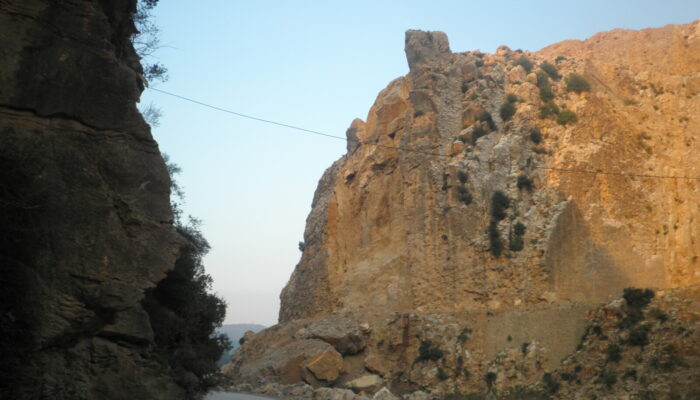
Cities are expanding faster than ever, often onto steep and unstable terrain. As urban areas grow, landslides increasingly threaten homes, roads, and critical infrastructure. To manage this risk, scientists produce landslide susceptibility maps, which estimate where landslides are most likely to occur. These maps are widely used by planners and decision-makers. But there is a quiet assumption buil ...[Read More]

Extreme hourly rainfall is increasing in Italy: insights from high-resolution climate reanalysis

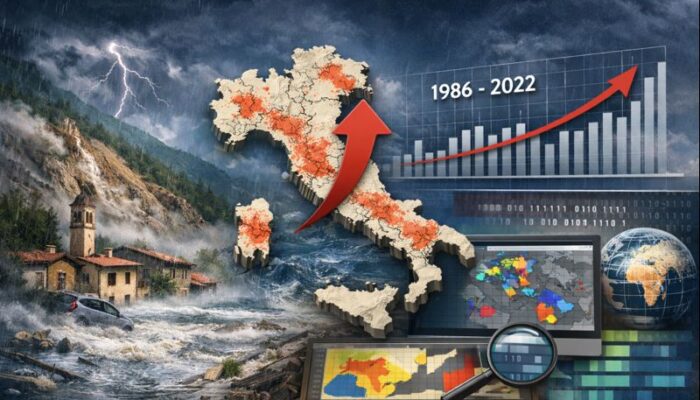
Image generated using ChatGPT (AI-generated image).

Intense rainfall lasting only a few hours is often enough to trigger natural hazards such as flash floods and landslides, leading to severe damage to infrastructure. These short-lived events are among the most dangerous natural hazards in the Mediterranean region, yet they are also among the hardest to study. Their small spatial scale and brief duration mean that they are often missed or underesti ...[Read More]

Living with a restless giant: The challenge of multi-risk management and communication at Campi Flegrei Volcano

Living with a restless giant: The challenge of multi-risk management and communication at Campi Flegrei Volcano

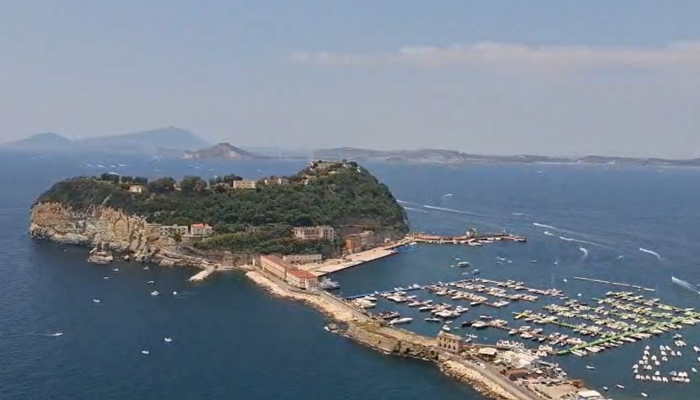
Nestled within one of Europe’s most densely populated regions, the Campi Flegrei caldera is a volcanic system whose secular unrest shapes the daily life of its inhabitants. Here, during the last decade and still ongoing crisis, ground uplift, frequent earthquakes, and persistent gas emissions interact to create a complex, evolving multi-risk environment. These natural hazards rarely follow simple ...[Read More]

If a Resilient City Had a Face: It Might Look Like Kagoshima

If a Resilient City Had a Face:  It Might Look Like Kagoshima

As natural hazard scientists, we often emphasise the concept of exposure – how much people, infrastructure, and ecosystems are in harm’s way when close to natural hazard sources (e.g., floodplains, volcanoes, or fault lines). The closer you are, the higher the risk. Therefore, one of the main goals in natural risk assessment is to reduce exposure whenever possible. We advocate for informed plannin ...[Read More]