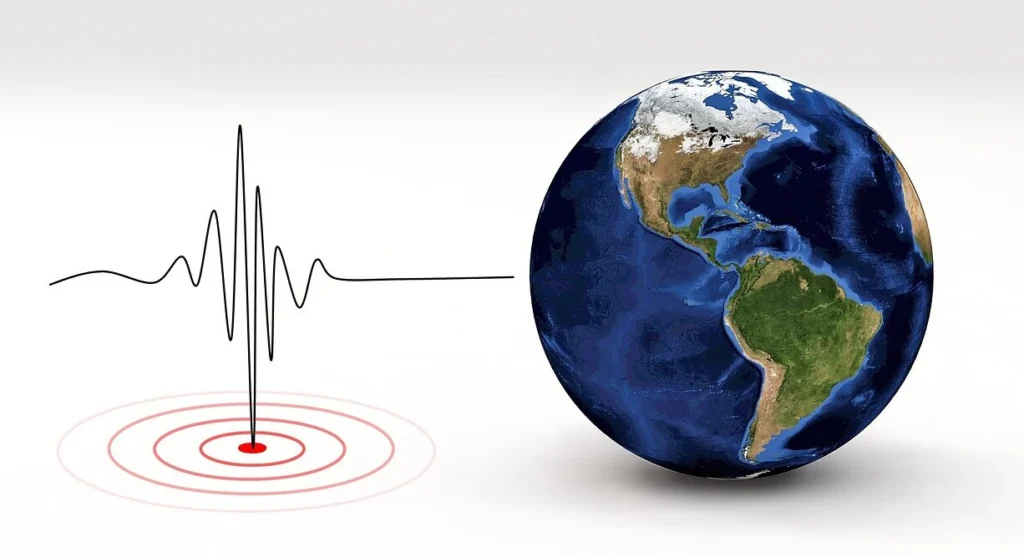
The EGU Natural Hazards Division now has a new Policy Officer to help promote evidence-based policy-making and support members of the Division in participating in policy-making processes. The Policy Officer aims to bridge between the Division and the EGU Science for Policy Working Group, helping to ensure that evidence-based decisions are made in the policy-making processes related to our areas of ...[Read More]
Natural hazard
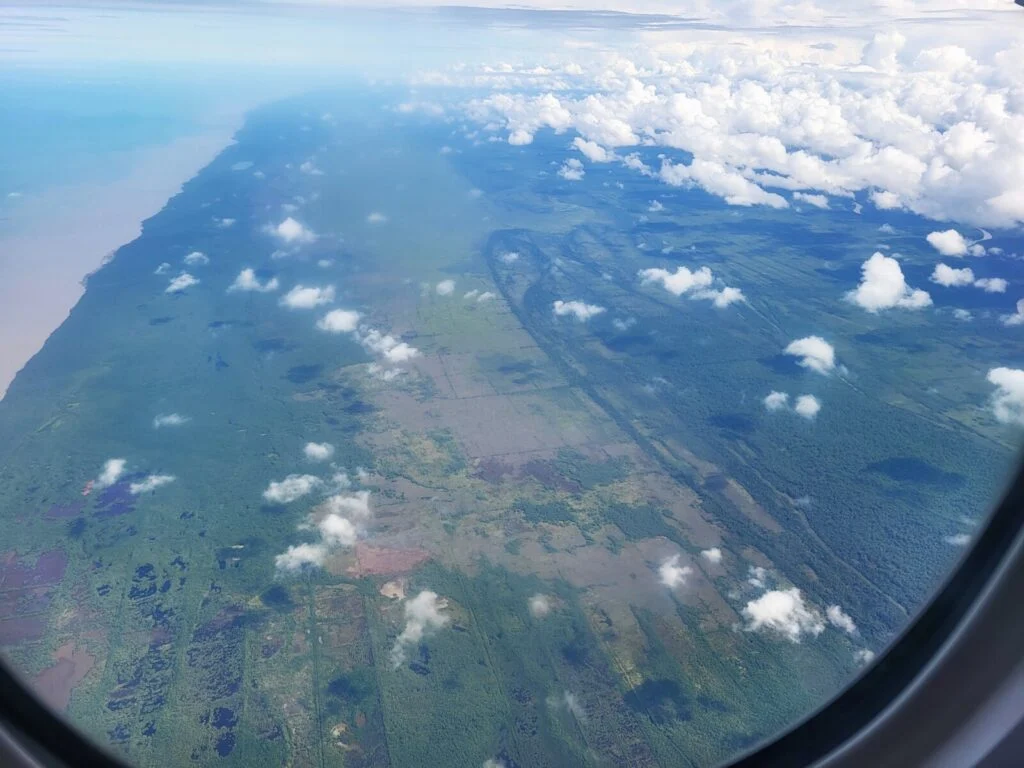
Earth Citizens and Natural Hazards: a few words from the perspective of our environment, the inhabited planet, Earth
In January 2023, I visited the Amazon Forest in Suriname. During my visit, I met indigenous people known as the Saramaccers, a Maroon tribe residing in the heart of the Amazon Forest. I found it fascinating that the Saramaccers consider themselves an integral part of nature. Their motto is ‘If you respect nature, nature will be your friend and stand by you’. Nature extends a helping ha ...[Read More]
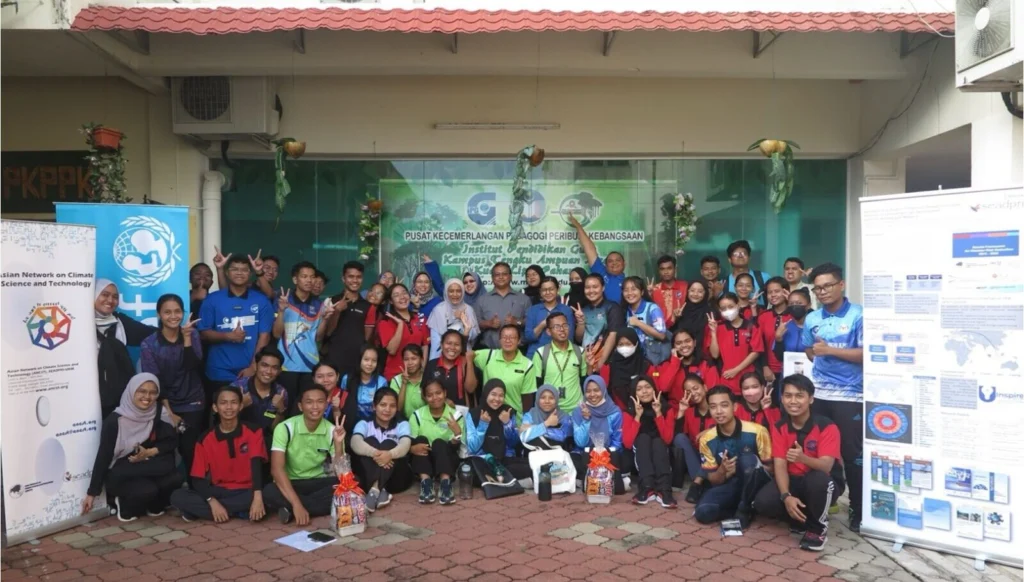
Training of Trainers to improve Geological Disasters Resilience in Malaysia
Over the years, we have witnessed a growing number of geological disasters due to climatic shifts. One such disaster is the landslide, and the main culprit of such occurrences can be attributed to intense rainfall coupled with high slope angles, especially in areas previously not expected to be susceptible. In this post we share a successful experience of ‘training of trainers’ in Mala ...[Read More]
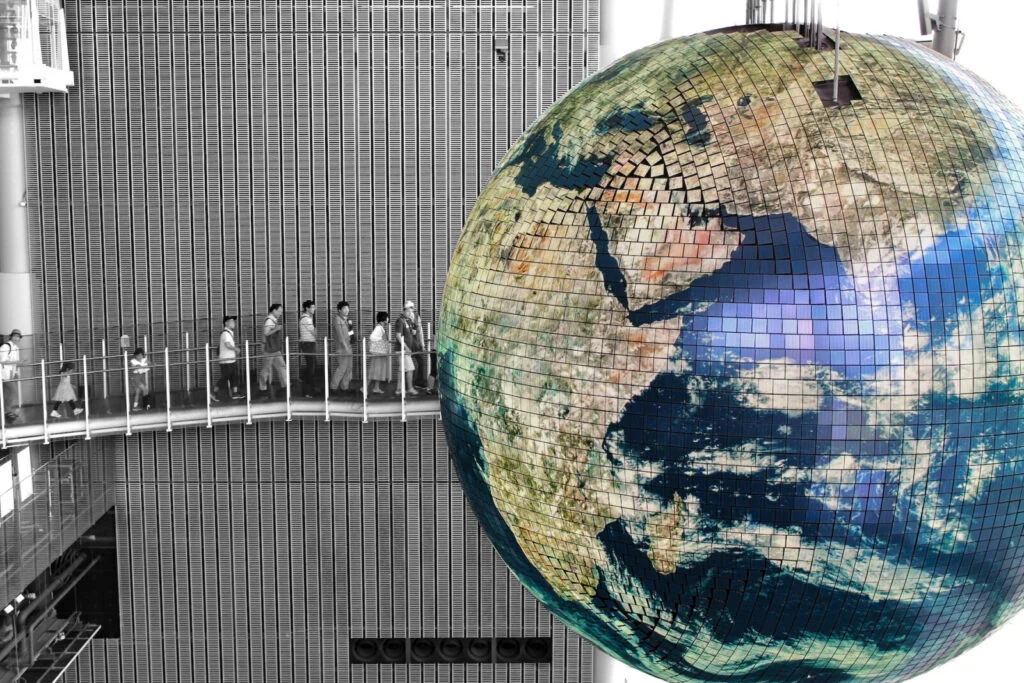
Is culture the missing link to disaster risk reduction?
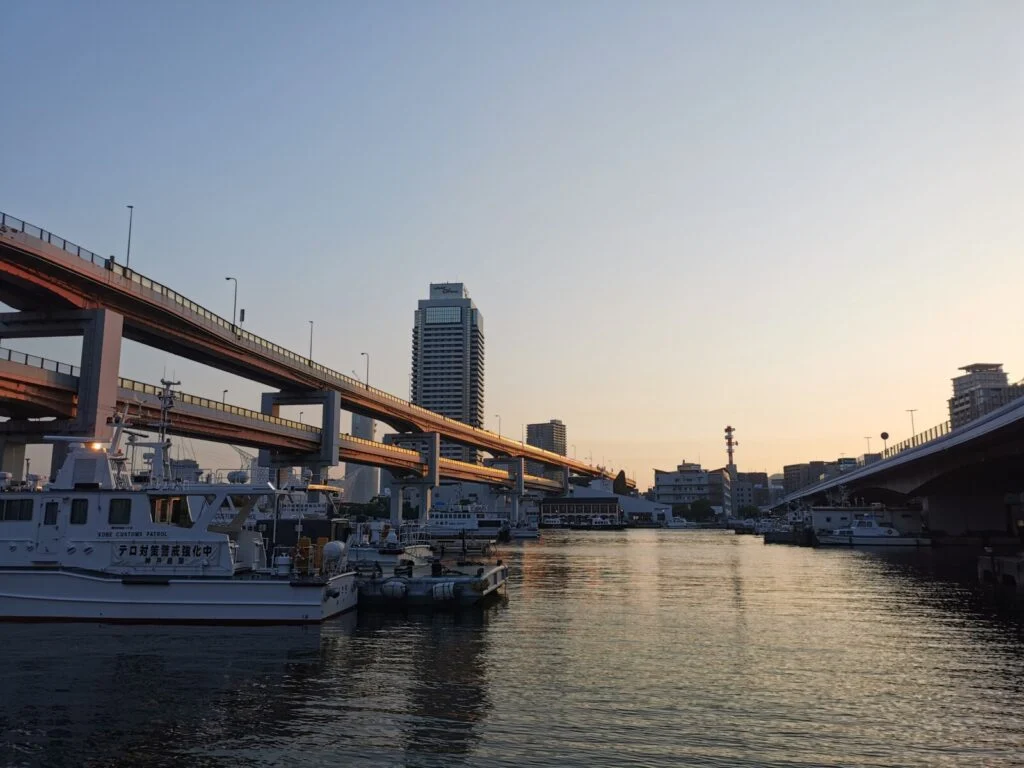
Sophocles, a great tragic writer of Classical Athens, said that “success is dependent on effort”. When it comes to disaster risk reduction, are we doing enough to develop a culture of resilience and how do cultural factors affect people’s willingness to protect themselves and build an effective disaster reduction and reconstruction mechanism? In 1995 (17/01/1995), Kobe, Osaka (Ja ...[Read More]
“My teacher is a volcanologist”- Valeria Cigala tells us about her journey from academia to middle school teaching
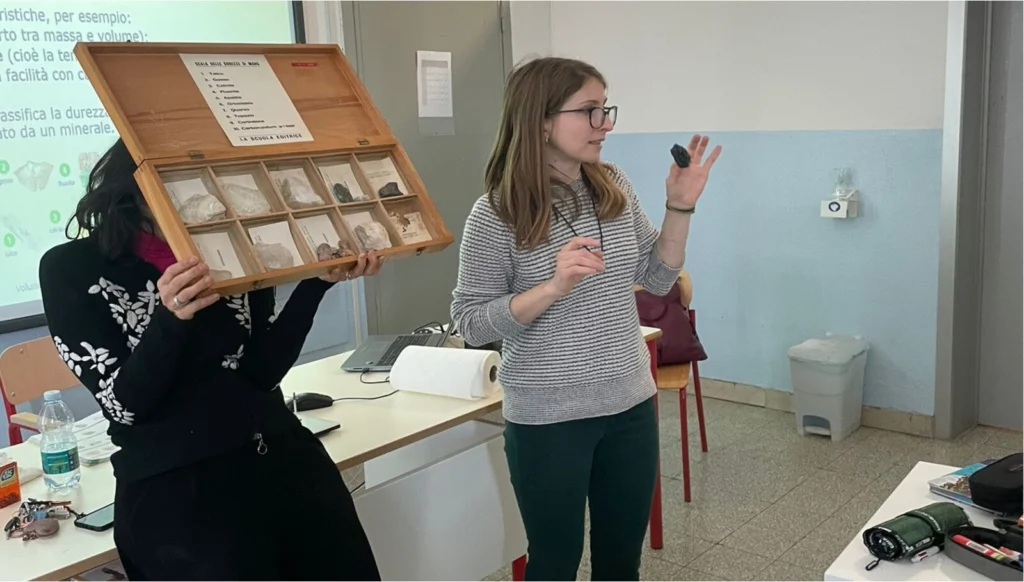
Valeria Cigala (Ph.D.) is a geoscientist by education and an expert in explosive volcanism and related hazards. She has been the Early Career Scientists Representative for the Natural Hazards Division of EGU from 2019 to 2022 and Editor-in-chief of our blog. Valeria is currently employed as a maths and science teacher at the middle school level in Italy. In this inspiring interview, she is sharing ...[Read More]
Five (or more) reasons why… you should become a blog editor about natural hazards!
If you want to be a blog editor about natural hazards… This post is for you! The EGU Natural Hazards Division Blog Editorial Team is looking for new motivated blog editors to join our interdisciplinary and inclusive team. Now you are wondering why you should join us. There are plenty of good reasons, indeed. In this blog post, we will do our best to convince you that becoming part of our editorial ...[Read More]
From compound extremes to risk perception: conversations with the EGU Natural Hazards Division 2023 Early Career Scientist Award Winner
I am pleased to interview Professor Ankit Agarwal from the Indian Institute of Technology, Roorkee. He specialises in hydro-meteorological (compound) extremes and complex networks and has been awarded the prestigious 2023 NH Division Outstanding Early Career Scientist award. Thank you, Ankit, for your time and for talking with us about your field of research. 1. Can you tell us more about y ...[Read More]
The 2023 Carnival disaster in São Paulo: an all time record for rainfall in Brazil
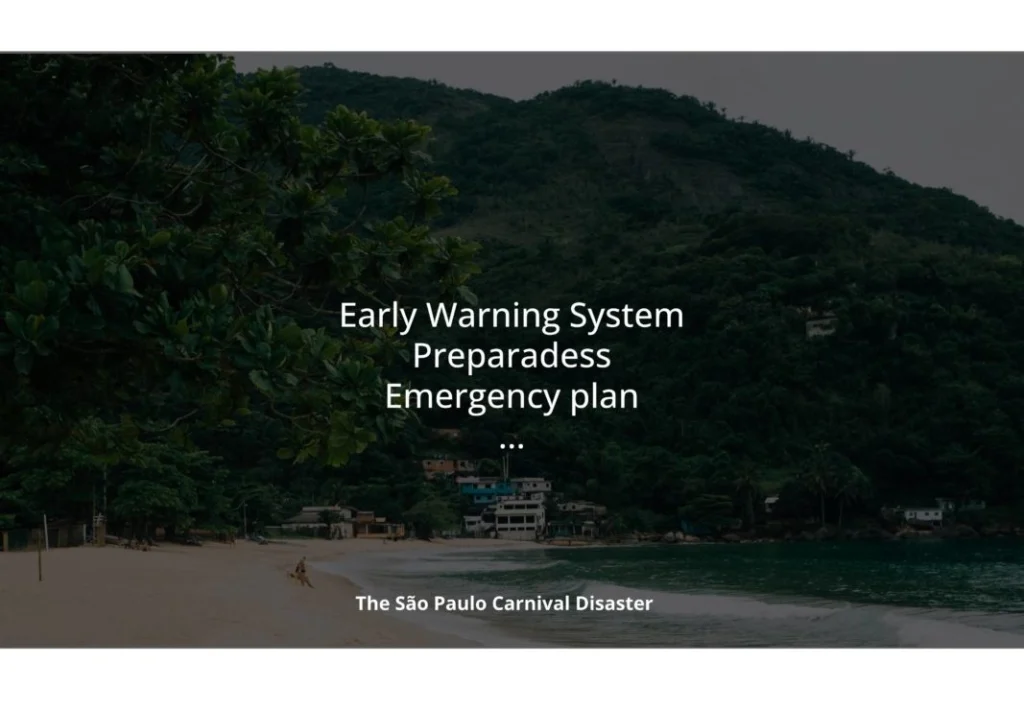
In February 2023, Brazil experienced its largest rainfall event on record, which devastated the northern coast of the state of São Paulo. This event caused landslides, floods, and numerous fatalities, making it even more tragic than previous disasters in the region, which already have been elaborated on in another blog post. The situation highlights the urgent need for effective emergency manageme ...[Read More]
The EGU23 bucket list for Natural Hazards Early Career Scientists
The European Geoscience Union (EGU) General Assembly (GA) is a precious occasion to create new connections and receive new stimuli to feed your own research, specifically for those in the early stages of their career. Nevertheless, the occasions for networking and scientific discussion can be so many, that it could be difficult to choose what to attend. As a junior researcher and early career scie ...[Read More]
Connecting the dots: the importance of recognising multi-hazard events in disaster reporting
In the past year, the world has witnessed many severe disasters caused by multiple hazards whose impacts overlapped in time and space. February this year, two severe earthquakes hit Syria and Turkey shortly after each other, followed by two more powerful earthquakes and over a hundred aftershocks in subsequent weeks [1,2]. The disaster caused over 48 thousand fatalities, and many people are still ...[Read More]