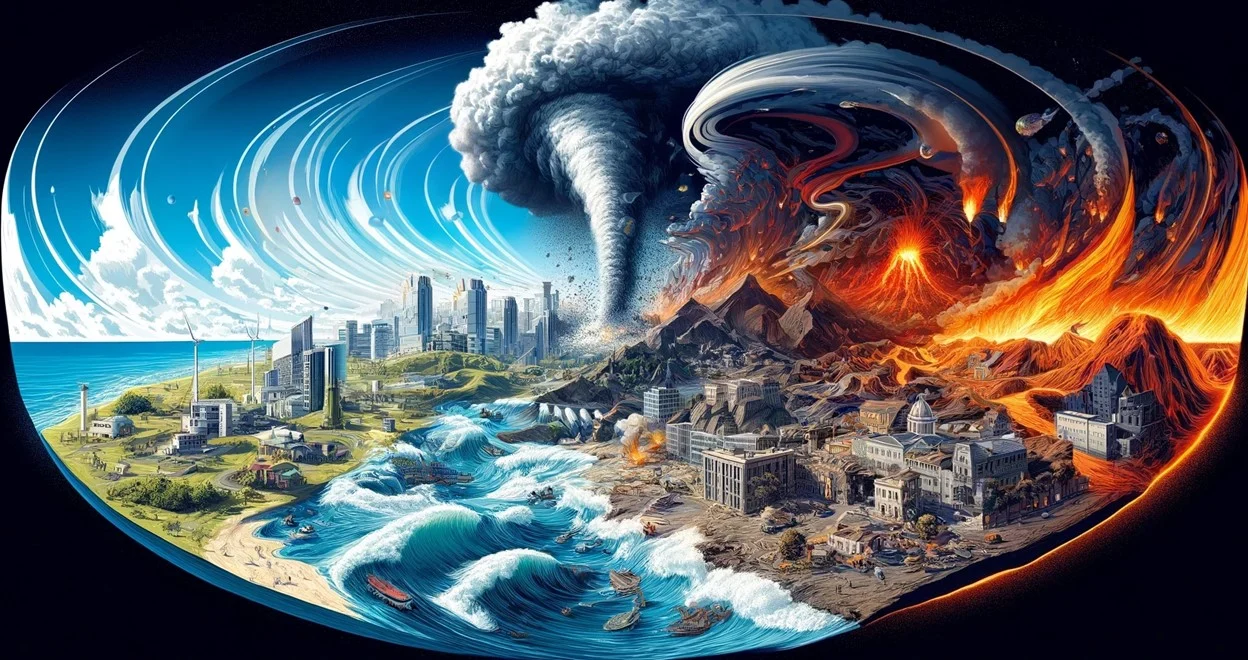
Multi-hazards are “a selection of major hazards that a country faces, and specific contexts where hazards occur simultaneously, cascadingly, and accumulatively considering the interrelationships among them”, based on the UNSDRR definition [7]. Yet, this definition raises two key questions: Where are these specific contexts located, and what characteristics make them susceptible to intersecting haz ...[Read More]
Natural hazard
Building Disaster Resilience Through Trust and Risk Awareness: Insights into Natural Hazards
Trust in institutions and scientific experts plays a pivotal role in Disaster Risk Reduction (DRR). This trust becomes even more critical for natural hazards—events often unpredictable and uncontrollable. Trust can shape individuals’ willingness to heed warnings, adopt precautionary measures, and participate in community preparedness initiatives. Conversely, distrust in institutions may lead to no ...[Read More]
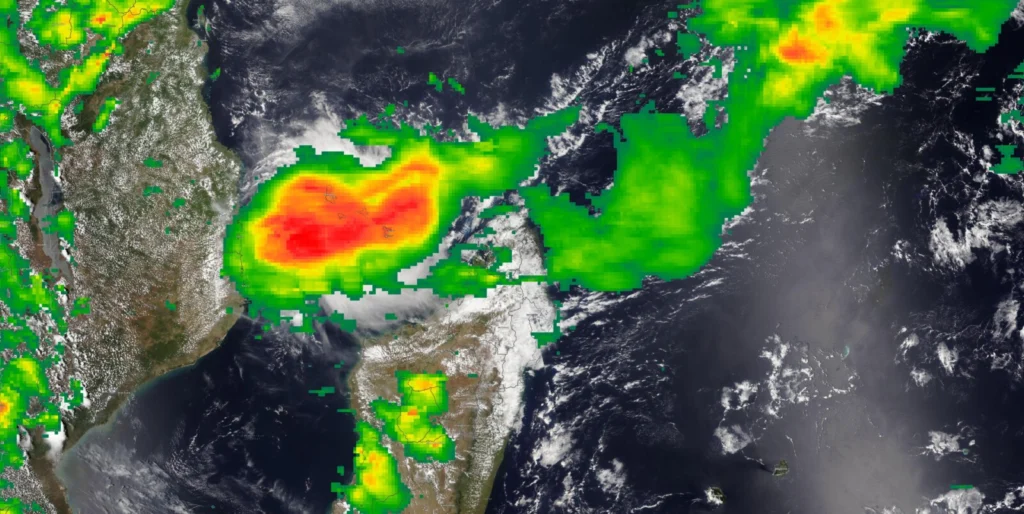
How scientists support Disaster Risk Reduction (DRR) policies: the example of a European Ultraperipheral Department (Mayotte, the 14th of December, 2024)
Ultraperipheral European departments like Mayotte are developing regions, often disproportionately exposed to natural hazards and struggling to mitigate the impacts of climate change. The eye of cyclone Chido, the most violent storm to hit Mayotte island in 90 years, engulfed the French Department on the 14th of December 2024. The extensive destruction and massive loss of life ranks this event as ...[Read More]
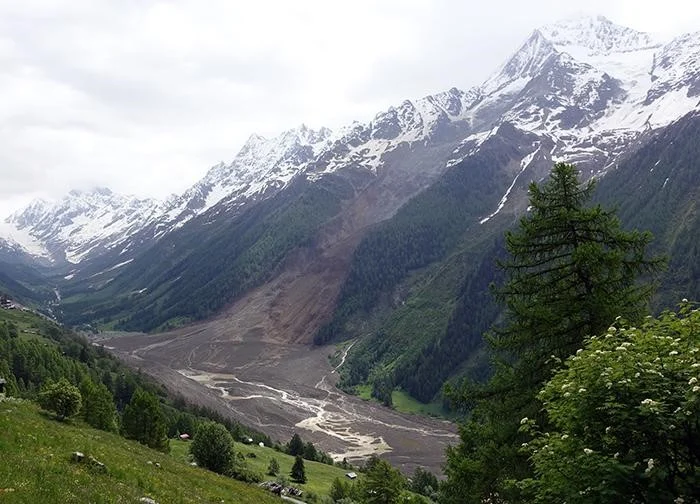
Trans-Border Mountainous Areas: Zones of Conflict or Cooperation Amid Natural and Man-Made Hazards?
Mountain ranges have long served as natural boundaries, shaping the geopolitical landscape of nations. However, these towering landmarks often straddle borders, creating zones of cooperation or, more frequently, contention. From the Mont Blanc massif in Europe to the young, fragile ranges of the Himalayas, mountainous regions are fraught with overlapping challenges, including natural hazards, clim ...[Read More]
An epic blockbuster of natural extreme forces: natural hazards through cinematic lenses
Do you enjoy watching natural hazard movies? Exploring the unfolding of the Earth’s immense power, the level of destruction, human responses and resilience? Can movies offer a glimpse into the chaos and devastation that natural hazard events can bring? Imagine the havoc a storm surge overtopping the Thames Barrier could cause in London. Without a doubt, natural hazard movies raise questions about ...[Read More]
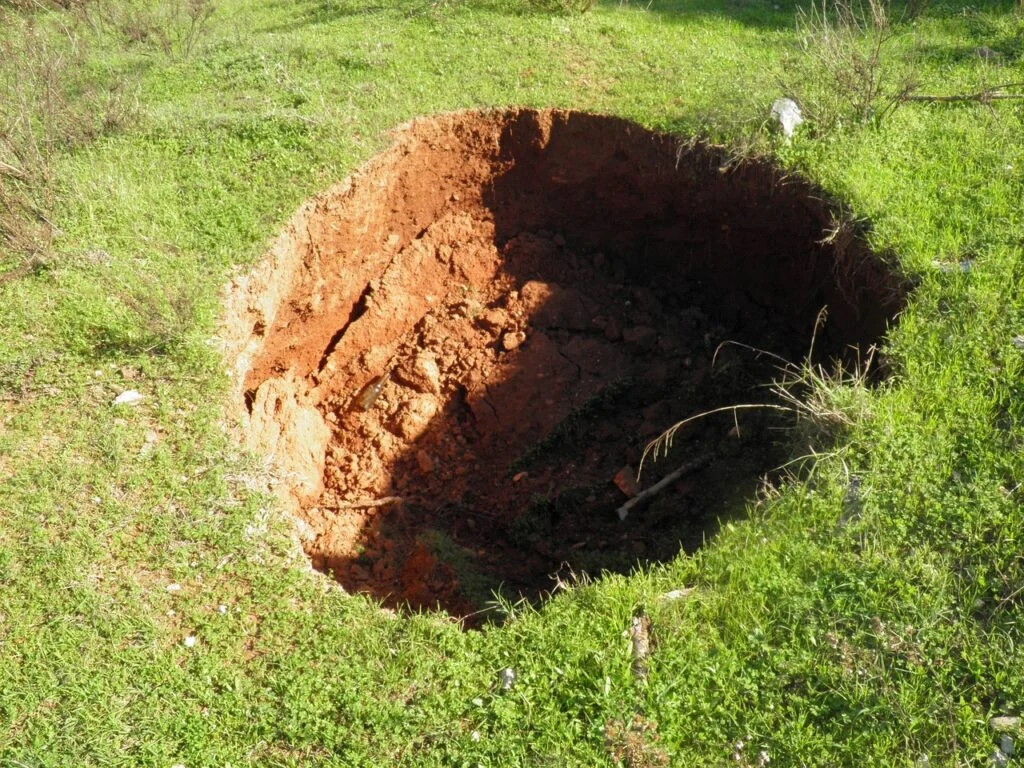
Building Resilience: Insights and Preventive Measures from Kuala Lumpur’s Sinkhole event
On August 23, 2024, a tragic event unfolded in Kuala Lumpur, Malaysia, when an 8-metre-deep sinkhole opened up on Jalan Masjid India, swallowing Vijayalakshmi Gali, a 48-year-old woman visiting from India [1]. The incident has raised serious concerns about public safety and the integrity of urban infrastructure. A sinkhole is a natural depression or hole that occurs in the ground when the surface ...[Read More]
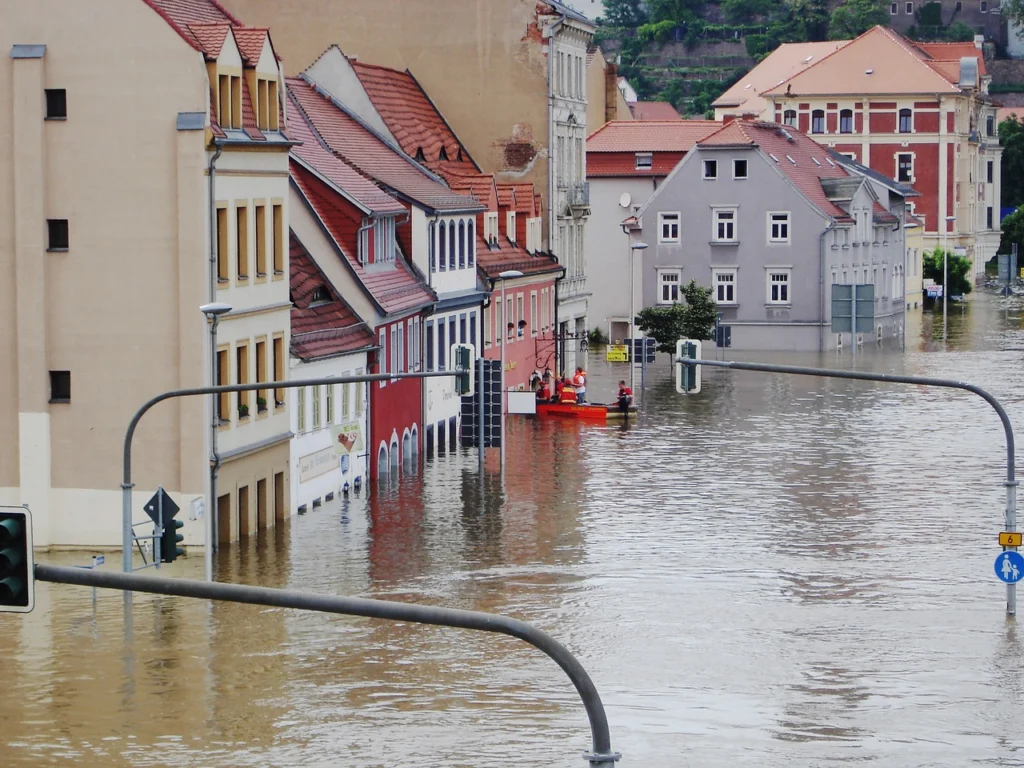
Taking the risk personally: how perceived flood experience relates to risk perception, sensed coping appraisal, and protective behaviour
The frequency and severity of extreme weather events, such as heavy rainfall, droughts, and storms, are increasing globally, putting societies and infrastructures worldwide at risk [1]. These developments demand effective adaptation measures and ways to enhance societal resilience. Consequently, it is necessary to understand how people perceive and respond to natural hazards. Knowing that the occu ...[Read More]
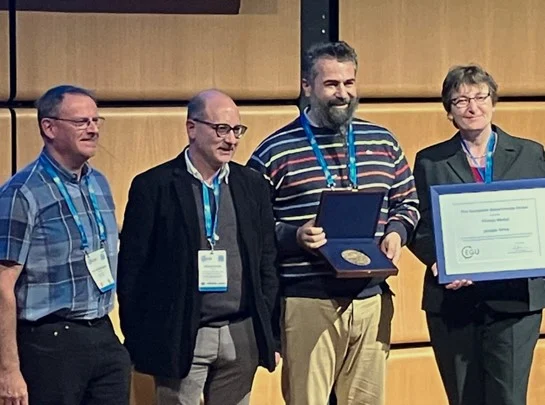
Modern Solutions for Ancient Hazards: Speaking with Jacopo Selva, the 2024 EGU Plinius Medalist
Jacopo Selva is an associate professor at the University of Naples Federico II, Italy, and a former researcher at the Istituto Nazionale di Geofisica e Vulcanologia (INGV), Italy. His research on seismic, volcanic, and tsunami hazards has been instrumental in advancing our understanding of these natural phenomena, particularly by developing probabilistic methods for hazard assessment and forecasti ...[Read More]
Evolving multi-hazard paradigms in a nutshell
Understanding multi-hazard approaches is crucial in an era of escalating natural hazards leading to disastrous impacts on Earth’s citizens. Triggered by the increasing frequency and severity of these events, this brief post provides a concise yet comprehensive overview of evolving paradigms in multi-hazard research and management. By exploring definitions, historical developments, and curren ...[Read More]
“Studying earthquakes is a great opportunity to learn every day a lot about many different fields of earth sciences” Yann Klinger- Stephan Mueller Medalist-2024
Hi Yann, first of all, congratulations on the Stephan Mueller Medal, and it is my pleasure to interview you!! To all my readers, the Stephan Mueller Medal is one of the prestigious medals awarded for exceptional contributions to tectonics and structures by the European Geosciences Union (EGU). Dr Yann Klinger wears many hats, he is a seismologist who studies recent and past earthquakes and is al ...[Read More]