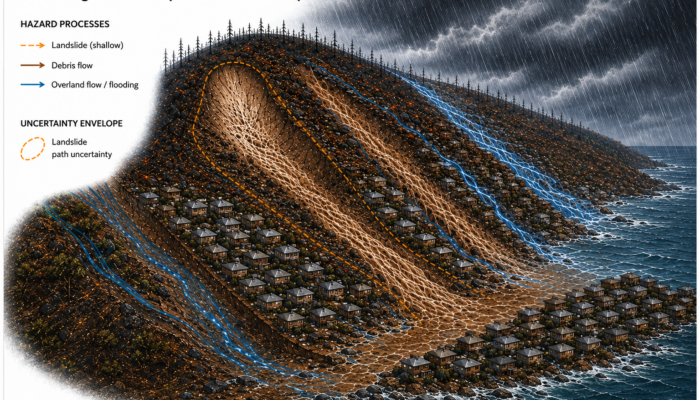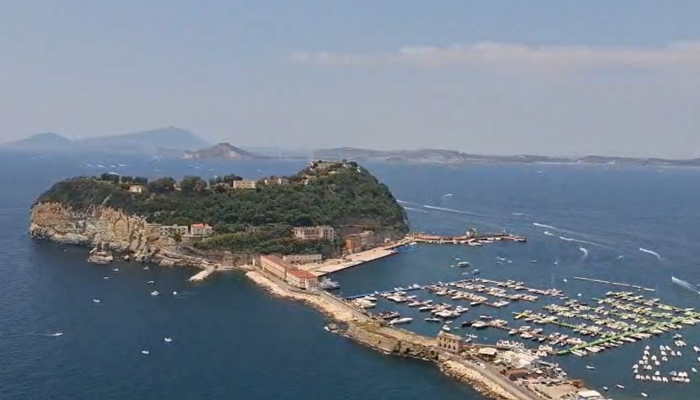
Nestled within one of Europe’s most densely populated regions, the Campi Flegrei caldera is a volcanic system whose secular unrest shapes the daily life of its inhabitants. Here, during the last decade and still ongoing crisis, ground uplift, frequent earthquakes, and persistent gas emissions interact to create a complex, evolving multi-risk environment. These natural hazards rarely follow simple ...[Read More]
How is earthquake-driven sea-level rise changing our coasts?
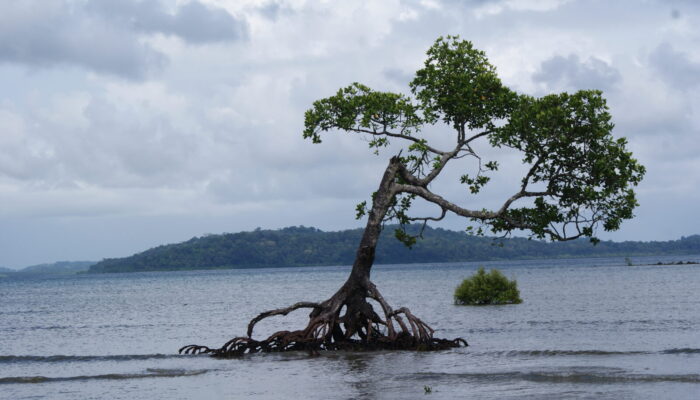
Coastal regions have always been at risk from natural hazards, but now, there’s an added layer of complexity. Earthquakes, which cause the land to move up or down, can significantly affect sea levels, especially in regions already experiencing the effects of climate change. Earthquakes can alter coastlines in ways that we’re still trying to understand, and it’s clear that tectonically active areas ...[Read More]
Be prepared, don’t be scared: Early Warning System Test during Thanksgiving on Cape Cod
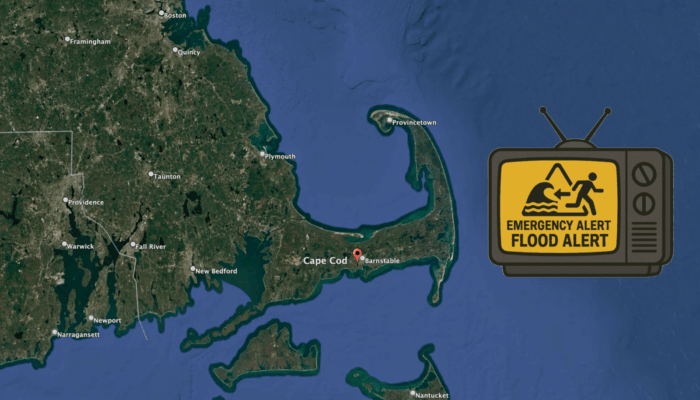
This week I think back on my time in the United States of America, where I was able to spend the holiday season. In North America, “fall” marks the beginning of this holiday season, and symbolises a time filled with traditions of togetherness that transcends regions. In New England, particularly in the state of Massachusetts, the season is synonymous with crisp air, vibrant foliage, and the celebr ...[Read More]
The Geography of Multi-Hazards: Exploring Landscapes Prone to Hazard Cascades
Multi-hazards are “a selection of major hazards that a country faces, and specific contexts where hazards occur simultaneously, cascadingly, and accumulatively considering the interrelationships among them”, based on the UNSDRR definition [7]. Yet, this definition raises two key questions: Where are these specific contexts located, and what characteristics make them susceptible to intersecting haz ...[Read More]