NH
Natural Hazards

Multihazard

Artificial intelligence for disaster management: that’s how we stand

Artificial intelligence for disaster management: that’s how we stand
On the 23rd of June, I participated in the Second Workshop for AI (Artificial Intelligence) for Natural Disaster Management that hosted around 400 scientists, UN advisors, practitioners and policymakers from all over the world interested in machine learning for supporting disaster prediction and early warning. AI is not my research area; however, I have always been interested in the new advances t ...[Read More]

2020: The escalation of extreme rainfall events in Brazil

2020: The escalation of extreme rainfall events in Brazil

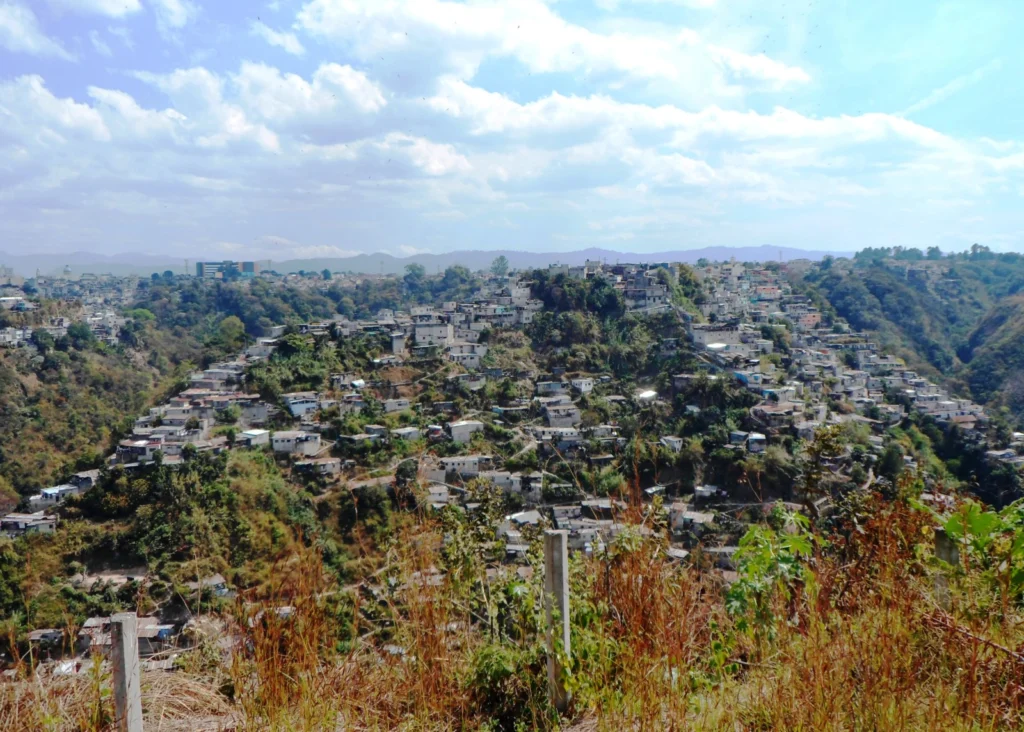
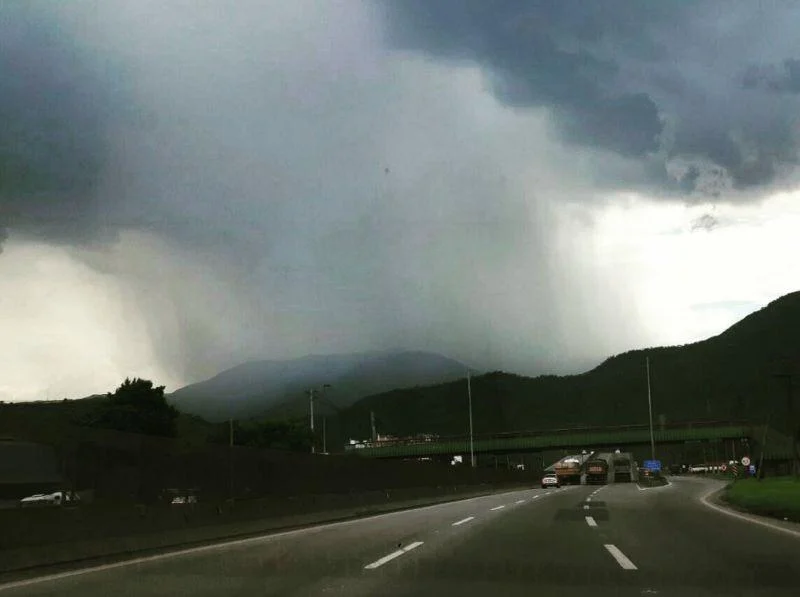
In summer 2020, extreme rainfall events dumped up to 320 mm of rain in a single day in the Baixada Santista metropolitan region, São Paulo state, breaking Brazil’s record for the biggest rainfall in a single event and demonstrating one of the greatest threats of climate change. The damage caused by the associated landslides led to dozens of fatalities and hundreds of homeless people, as well ...[Read More]

Mount Saint Helens 40 years later – May 18, 1980: for everything to stay the same, everything must change

Mount Saint Helens 40 years later – May 18, 1980: for everything to stay the same, everything must change

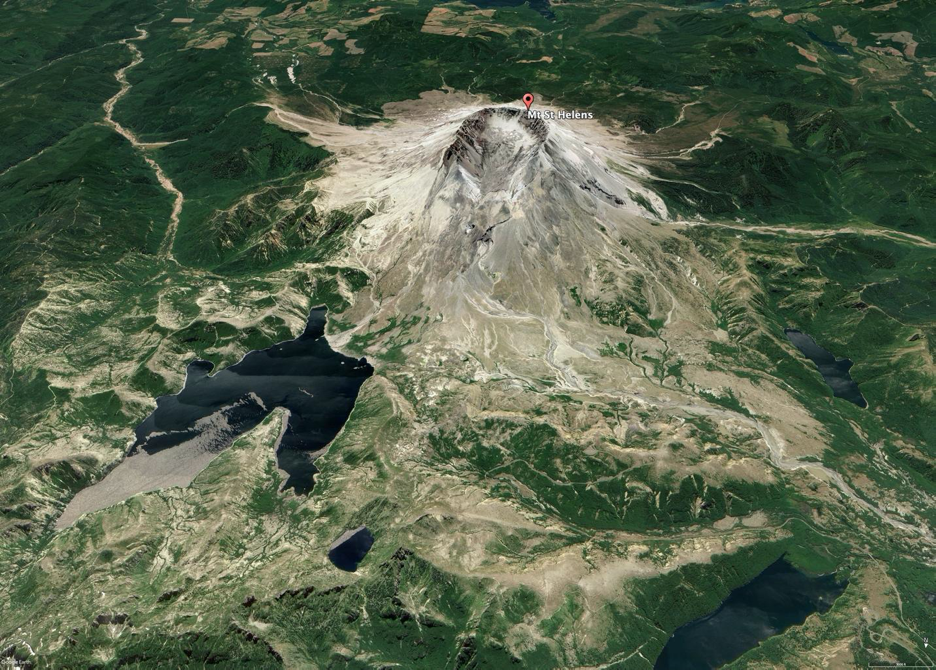
Vancouver, Vancouver, this is it! Just a few words radioed by volcanologist David ‘Dave’ Johnston on May 18, 1980, to USGS headquarter in Vancouver, Washington State. It was 8:32 a.m., and a few hours later he lost his life during the (in)famous Mount Saint Helens eruption. That day, exactly forty years ago, the eruption of Mount St. Helen upset the world. It all started with a collapse on the nor ...[Read More]

How satellites measuring soil moisture provide a new understanding of rainfall patterns

How satellites measuring soil moisture provide a new understanding of rainfall patterns

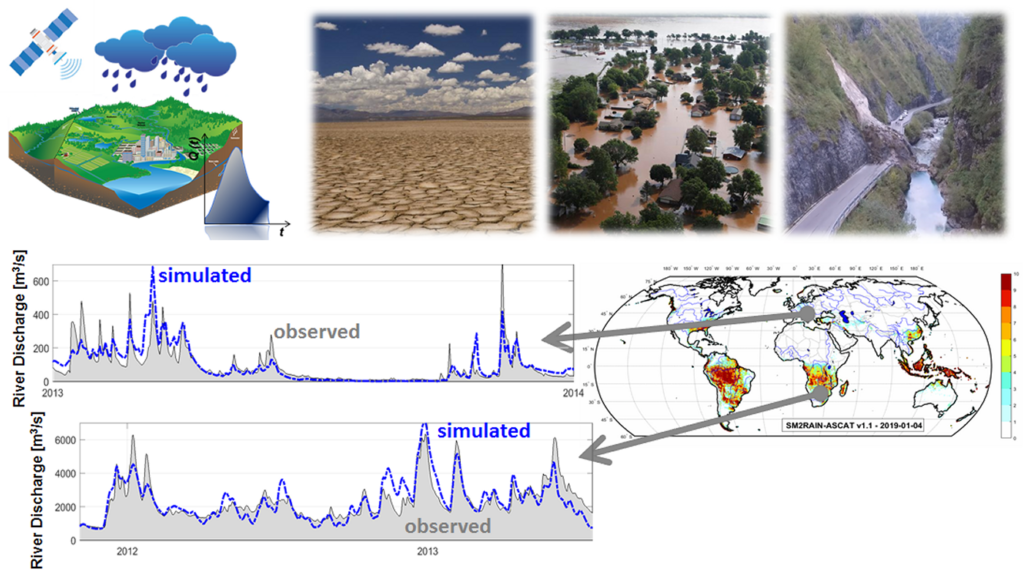
Soil moisture and rainfall are the two fundamental variables in the water and energy cycle and their knowledge in many applications is crucial. For instance, for predicting the occurrence and the magnitude of flood and landslide events the knowledge of the initial soil moisture condition and of rainfall amount is mandatory. In the last decade, some authors have proposed a completely new approach, ...[Read More]

The Italian catalogue of earthquake-induced ground failures: saving the past for the future seismic hazard assessment #CEDIT

The Italian catalogue of earthquake-induced ground failures: saving the past for the future seismic hazard assessment #CEDIT

  The Italian Catalogue of Earthquake-Induced Ground Failures (CEDIT) is a database available online since January 2013 that stores data about ground failures induced by strong earthquakes, which occurred on the Italian territory since 1000 AD up to now. CEDIT is freely available on a web-GIS portal (currently the access is granted using Firefox as a web browser, the upgrade to other browsers ...[Read More]

NH10 Multi-Hazards: The Latest EGU Natural Hazards Sub-Division

NH10 Multi-Hazards: The Latest EGU Natural Hazards Sub-Division

Earlier this year, the EGU Natural Hazards Division approved the addition of a new sub-division focused on the theme of ‘multi-hazards’. The Science Officers representing this sub-division, Joel Gill (British Geological Survey) and Marleen de Ruiter (IVM-VU Amsterdam), reflect on why this sub-division is necessary and how you can get involved. Many regions are affected by multiple natural hazards, ...[Read More]

Multi-Natural-Hazards: how can we deal with such complex chain of events?

Multi-Natural-Hazards: how can we deal with such complex chain of events?

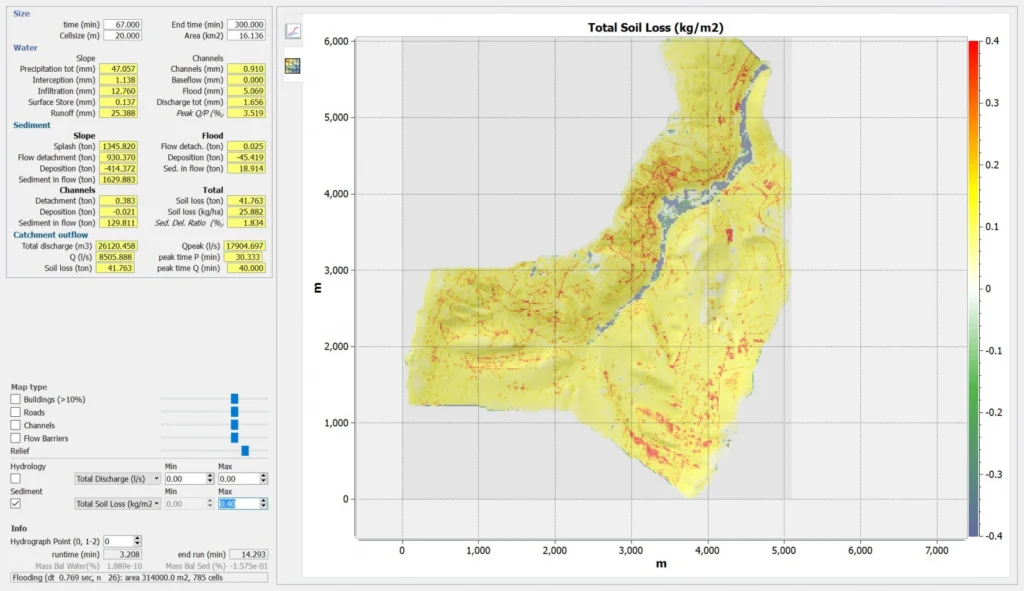
Today we have the honor to have Prof. Victor Jetten as our guest. Throughout his career Victor, has been working in modelling of natural hazard and land degradation processes. Starting with biomass and grazing capacity, the effects of logging on the natural rain forest water balance, he then moved to soil erosion and land degradation processes as a result of land use change and overgrazing. He bel ...[Read More]