NH
Natural Hazards

Disaster risk reduction

The 2023 Carnival disaster in São Paulo: an all time record for rainfall in Brazil
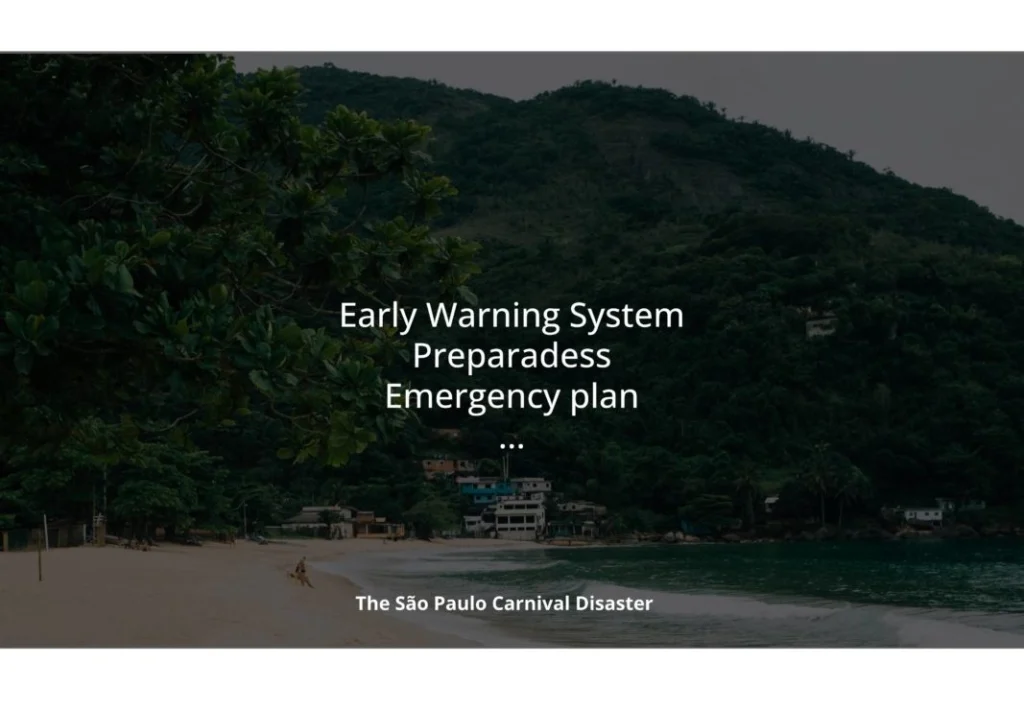
The 2023 Carnival disaster in São Paulo: an all time record for rainfall in Brazil
In February 2023, Brazil experienced its largest rainfall event on record, which devastated the northern coast of the state of São Paulo. This event caused landslides, floods, and numerous fatalities, making it even more tragic than previous disasters in the region, which already have been elaborated on in another blog post. The situation highlights the urgent need for effective emergency manageme ...[Read More]

Learning more about geohazard: Talking with EGU_NH 2023 Sergey Soloviev Medalist

Learning more about geohazard: Talking with EGU_NH 2023 Sergey Soloviev Medalist

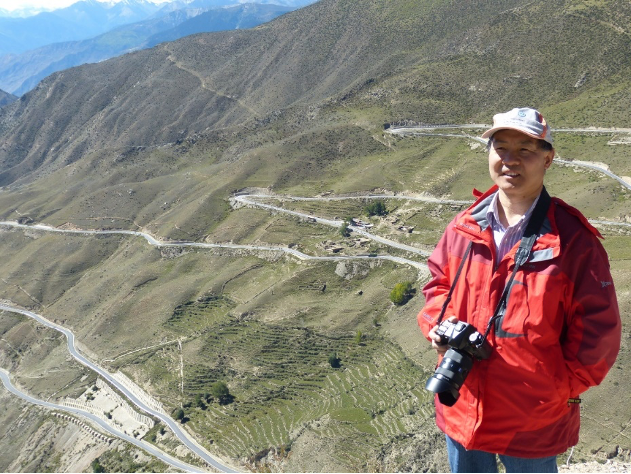
It is my pleasure to interview the 2023 EGU Sergey Soloviev Medalist Dr Peng Cui, Professor at the Institute of Geographical Sciences and Resources、Institute of Mountain Hazards and Environment, Chinese Academy of Sciences (CAS), known for his work and commitment to understanding geohazards, especially earthquake-induced hazards. He has dedicated his life to understanding how to minimize disaster ...[Read More]

Understanding and assessing hydrological extremes, a discussion with Alberto Viglione

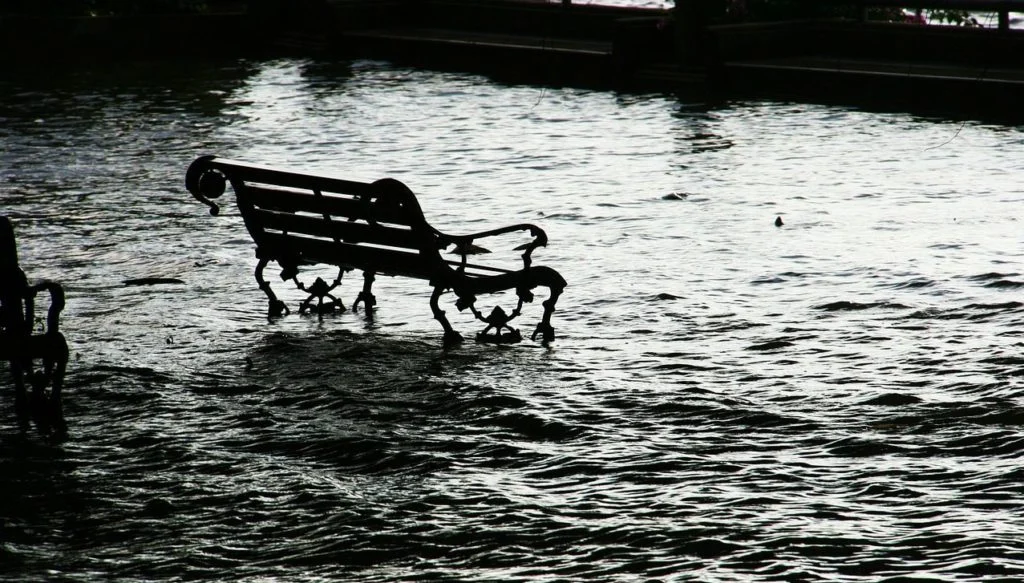
Photo credit: Image by Dean Moriarty from Pixabay (Pixabay License)

Extreme hydrological events affect billions of people worldwide, and their negative impacts will likely increase due to climate change, urbanisation and ageing infrastructure. Further understanding of hydrological extremes and societal responses to floods is critical in mitigating flood risk and creating better urban environments. In today’s interview, we talk with Prof. Alberto Viglione. Al ...[Read More]

Unravelling the Complex Drivers of Wildfires in the Era of Climate Change

Unravelling the Complex Drivers of Wildfires in the Era of Climate Change

In the last decades, the strength of climate change has been evident across the globe in many weather and climate extremes occurrences, including heatwaves and droughts. Those events are involved in all fire stages and influence all aspects of the fire regime [1].    Climate change is driving unprecedented wildfire in the Mediterranean region  The Mediterranean region is a climate change hots ...[Read More]

Discovering the CoastSnap project – Interview with Dr Mitchell Harley

Discovering the CoastSnap project – Interview with Dr Mitchell Harley

CoastSnap is a global citizen science project aiming at monitoring the changes in our coastlines due to processes such as storms, rising sea levels, and human activities using smartphones. We will discover more about this promising project by chatting today with Dr Mitchell Harley, founder of the CoastSnap program. Mitchell is a Researcher and Senior Lecturer in the School of Civil and Environment ...[Read More]

COVID-19 and natural hazards: a complex multi-risk scenario

COVID-19 and natural hazards: a complex multi-risk scenario

COVID-19 has been a disruptive ‘tsunami’ that most countries were not prepared to handle. The pandemic has been representing a global slow-onset long-lasting disaster that has drastically challenged all emergency management systems worldwide. The pandemic slow-onset disaster has been characterized by a prolonged emergency phase with varying intensity levels, and a cyclic behavior, where the interp ...[Read More]

IoT and Natural Hazards: the latest updates

IoT and Natural Hazards: the latest updates

In my blog post last year, I talked about the escalation of extreme events in Brazil, and one of the main questions was whether the scientific community would need new methods and technologies to deal with extreme events aggravated by climate change. This year, during one of the Innovations (WG05) working group meetings of the International Network on Landslide Early Warning Systems (LandAware), I ...[Read More]

Let’s begin the recovery before the disaster

Let’s begin the recovery before the disaster

Every natural event that causes damage to the built environment must be followed by recovery; however, this phase of disaster risk management has received less attention from academics than the others [1]. In all its aspects, disaster recovery has remained a contentious topic, with experts debating its definition, approaches, objectives, activities, and even when it should begin and finish [2–4]. ...[Read More]

Fire impacts on Earth across space and time: a discussion-driven conference

Fire impacts on Earth across space and time: a discussion-driven conference

Earth is the only known planet with fire activity – everywhere else, there is not enough oxygen for this process to occur. Since fire appeared on Earth many millions of years ago, it has played a key role in the development of plant adaptation and the distribution of ecosystems. However, the natural occurrence of fire changed with the onset of human evolution. The purposeful use of fire for ...[Read More]

Repression Without Resistance: Answering Natural Hazards Related Disasters

Repression Without Resistance: Answering Natural Hazards Related Disasters

Answering disasters triggered by natural hazards is a profoundly political process; who can tell us about this is Isabelle Desportes with her study cases of Ethiopia (the 2016 drought), Myanmar (cyclone Komen in 2015) and Zimbabwe (the 2016/2019 drought). Today, I have the pleasure of interviewing Dr Isabelle Desportes, a researcher who approaches disaster risk governance from the angle of politic ...[Read More]