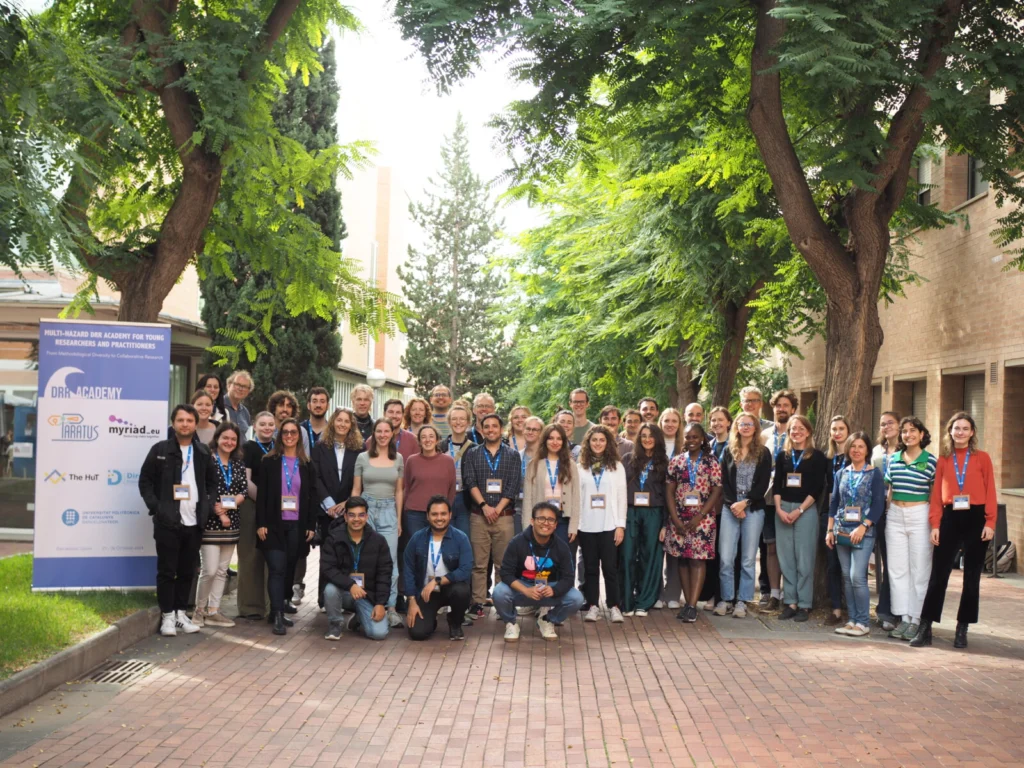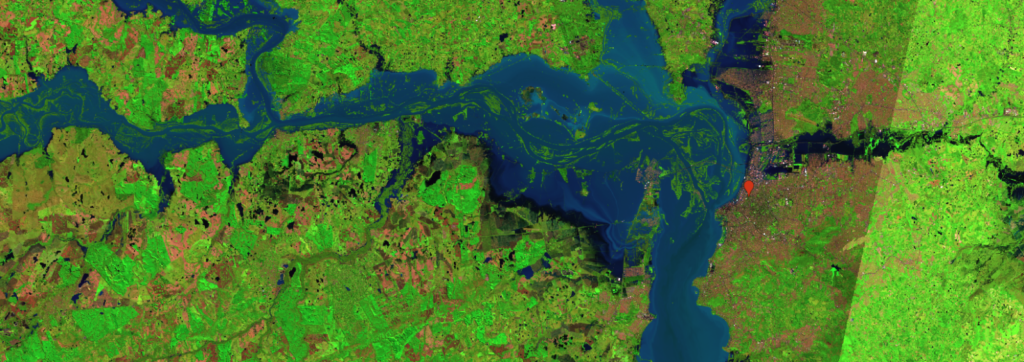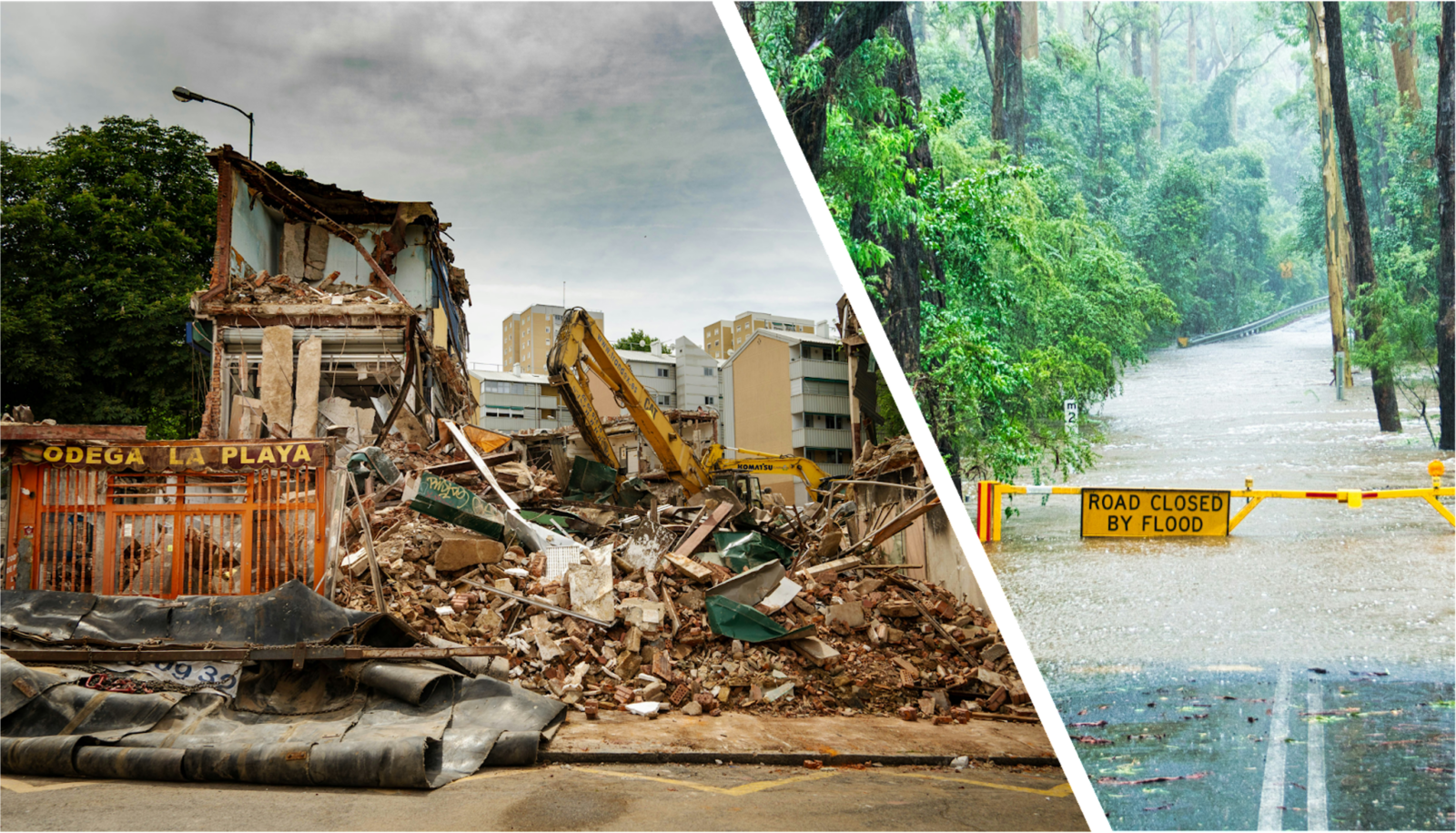
From 23 to 26 October 2024, over 40 early-career researchers and practitioners from across the globe gathered at Universitat Politècnica de Catalunya (UPC) in Barcelona (Spain) for the Multi-hazard Disaster Risk Reduction (DRR) Academy. Set against the vibrant backdrop of this dynamic city, the Academy offered a unique platform for participants to engage, learn, and collaborate on the complex chal ...[Read More]
Disaster risk reduction
How scientists support Disaster Risk Reduction (DRR) policies: the example of a European Ultraperipheral Department (Mayotte, the 14th of December, 2024)
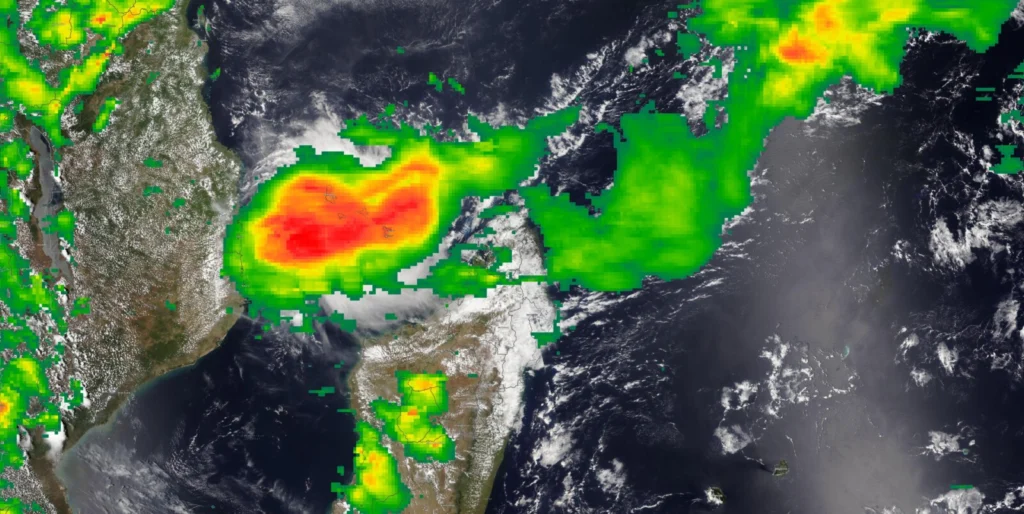
Ultraperipheral European departments like Mayotte are developing regions, often disproportionately exposed to natural hazards and struggling to mitigate the impacts of climate change. The eye of cyclone Chido, the most violent storm to hit Mayotte island in 90 years, engulfed the French Department on the 14th of December 2024. The extensive destruction and massive loss of life ranks this event as ...[Read More]
An epic blockbuster of natural extreme forces: natural hazards through cinematic lenses
Do you enjoy watching natural hazard movies? Exploring the unfolding of the Earth’s immense power, the level of destruction, human responses and resilience? Can movies offer a glimpse into the chaos and devastation that natural hazard events can bring? Imagine the havoc a storm surge overtopping the Thames Barrier could cause in London. Without a doubt, natural hazard movies raise questions about ...[Read More]
Education and Awareness as Pillars for a Disaster-Resilient Future – An Interview with Marina Morando, Programme Director at CIMA Research Foundation
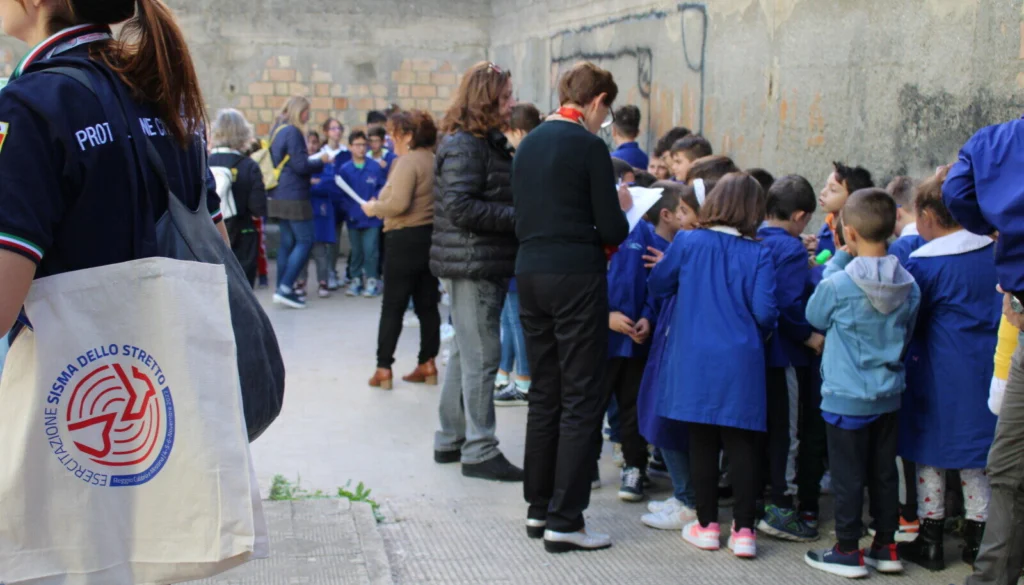
This year, the International Day for Disaster Risk Reduction, observed on October 13th, emphasises the crucial role of education in mitigating disaster risks. In this insightful interview, we have the pleasure of discussing this important topic with Engineer Marina Morando, Programme Director at the CIMA Research Foundation in Italy. She brings extensive research and operational experience in civi ...[Read More]
Building Resilience: Insights and Preventive Measures from Kuala Lumpur’s Sinkhole event
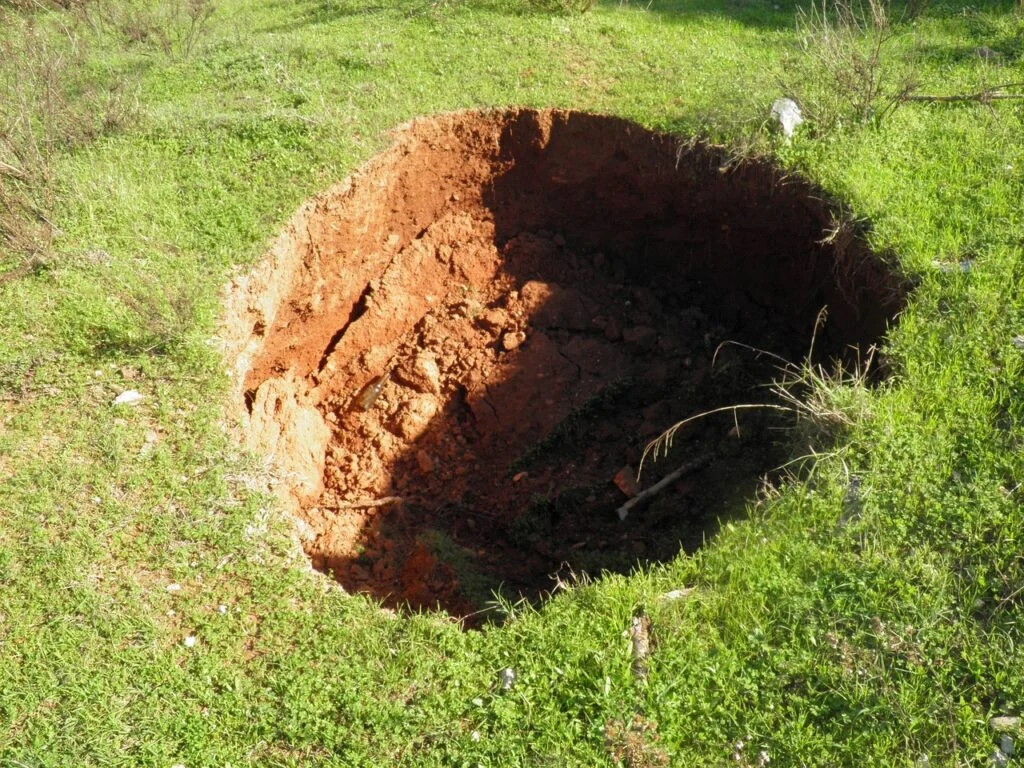
On August 23, 2024, a tragic event unfolded in Kuala Lumpur, Malaysia, when an 8-metre-deep sinkhole opened up on Jalan Masjid India, swallowing Vijayalakshmi Gali, a 48-year-old woman visiting from India [1]. The incident has raised serious concerns about public safety and the integrity of urban infrastructure. A sinkhole is a natural depression or hole that occurs in the ground when the surface ...[Read More]
Navigating the Ongoing and Predicted Disaster of Rio Grande do Sul (Brazil): Career and Insights with Expert Prof. Enner
We are honoured to hear from Dr. Enner Alcântara, Professor at the São Paulo State University (UNESP) and leader of the Remote Sensing, Spatial Analysis, Environmental Modelling and Natural Disasters Research Group. His research in remote sensing has played a crucial role in recognising, managing and mitigating the impacts of disasters, bringing out significant contributions. Today, we’ll ex ...[Read More]
Disentangling the complexity of multi-(hazard-)risks: conversations with Marleen de Ruiter, the EGU NH Division 2024 Early Career Scientist Award Winner
Marleen de Ruiter is Assistant Professor at the Institute for Environmental Studies (IVM), Vrije Universiteit Amsterdam. Her research focuses on multi- and consecutive disasters, improving modeling capabilities and understanding of multi-hazard risk and assessing the potential adverse impacts of Disaster Risk Reduction measures across different hazards. She manages the Myriad-EU project, co-leads ...[Read More]
New Era of AI: How can foundation models help disaster risk reduction?
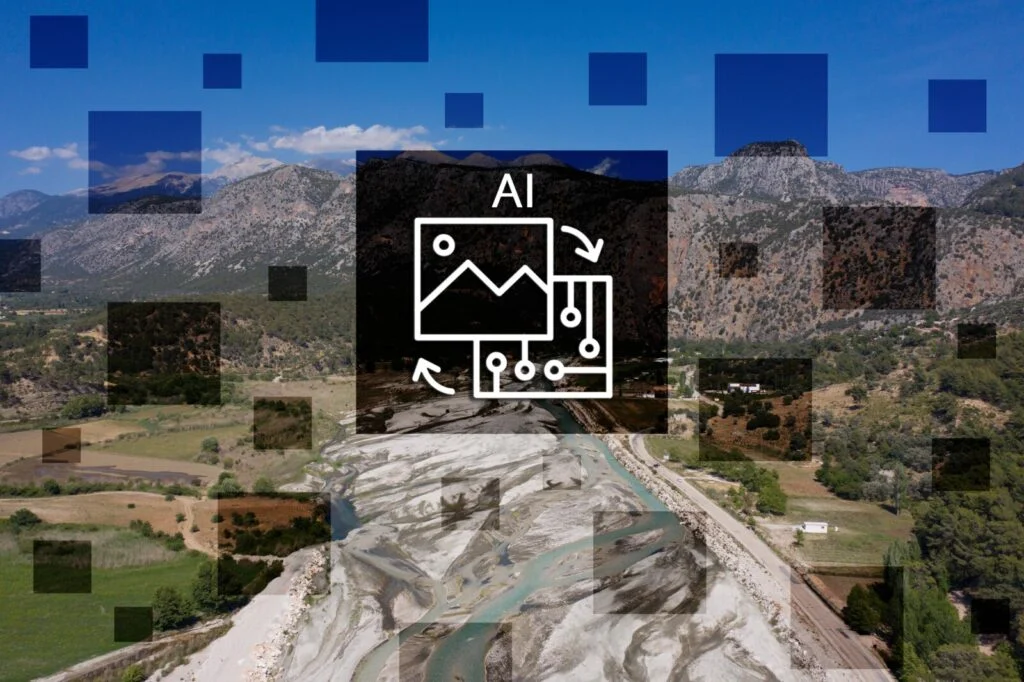
In recent decades, AI-based methods have increasingly been adopted to tackle various problems in the field of natural hazards. The escalation of climate change has fuelled the complexity of tasks within the field of disaster risk reduction, such as capturing the formation of an extreme event timely to evacuate an area at risk. In this context, with the greater availability of data and computerised ...[Read More]
Training of Trainers to improve Geological Disasters Resilience in Malaysia
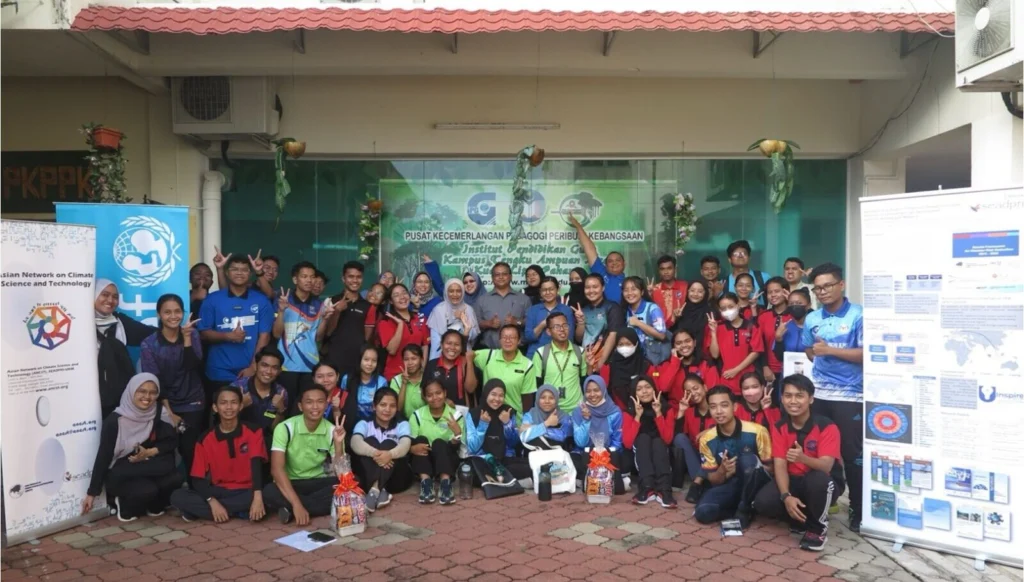
Over the years, we have witnessed a growing number of geological disasters due to climatic shifts. One such disaster is the landslide, and the main culprit of such occurrences can be attributed to intense rainfall coupled with high slope angles, especially in areas previously not expected to be susceptible. In this post we share a successful experience of ‘training of trainers’ in Mala ...[Read More]
Is culture the missing link to disaster risk reduction?
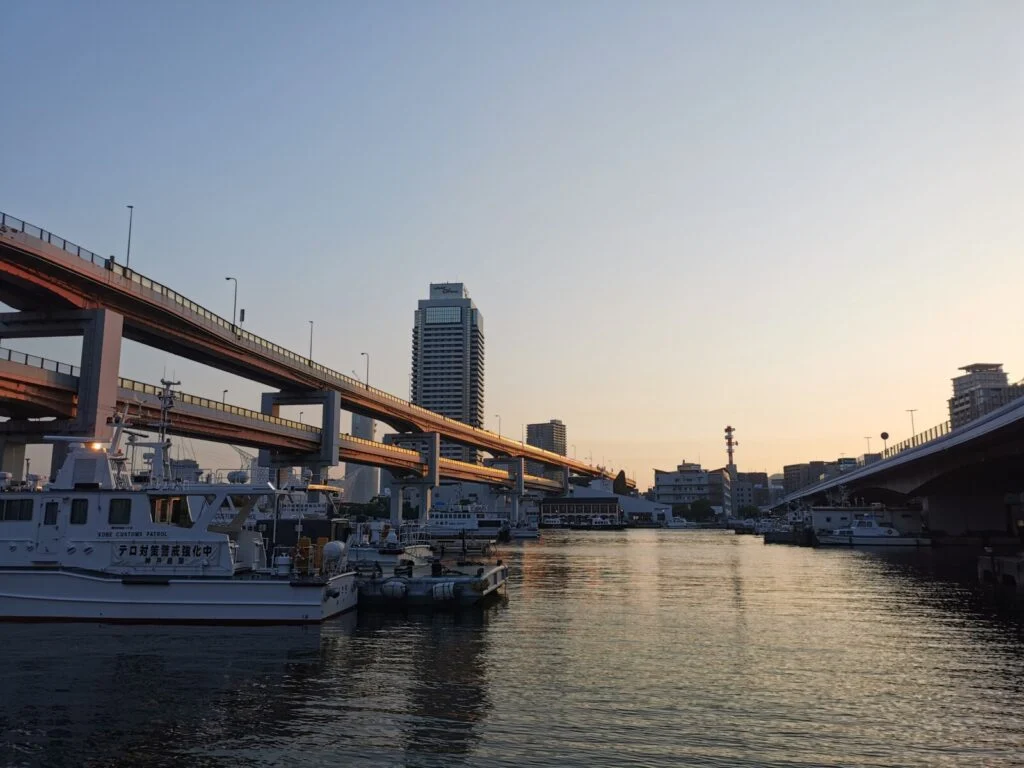
Sophocles, a great tragic writer of Classical Athens, said that “success is dependent on effort”. When it comes to disaster risk reduction, are we doing enough to develop a culture of resilience and how do cultural factors affect people’s willingness to protect themselves and build an effective disaster reduction and reconstruction mechanism? In 1995 (17/01/1995), Kobe, Osaka (Ja ...[Read More]