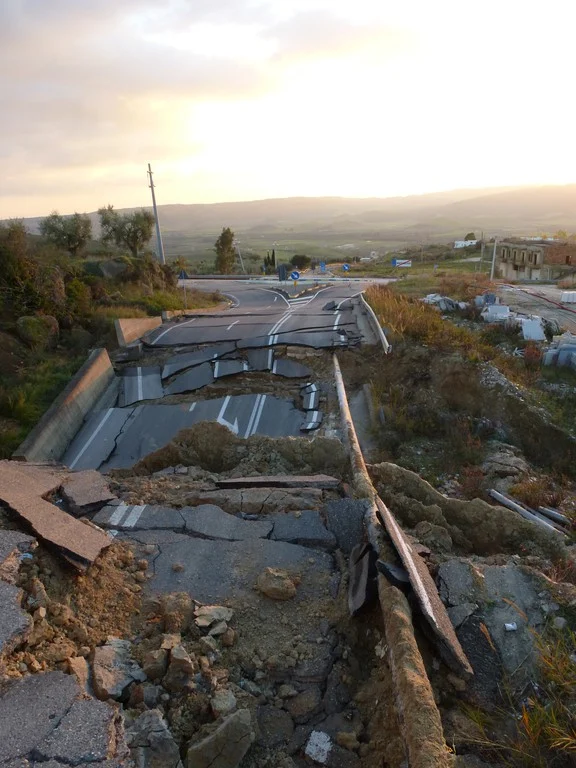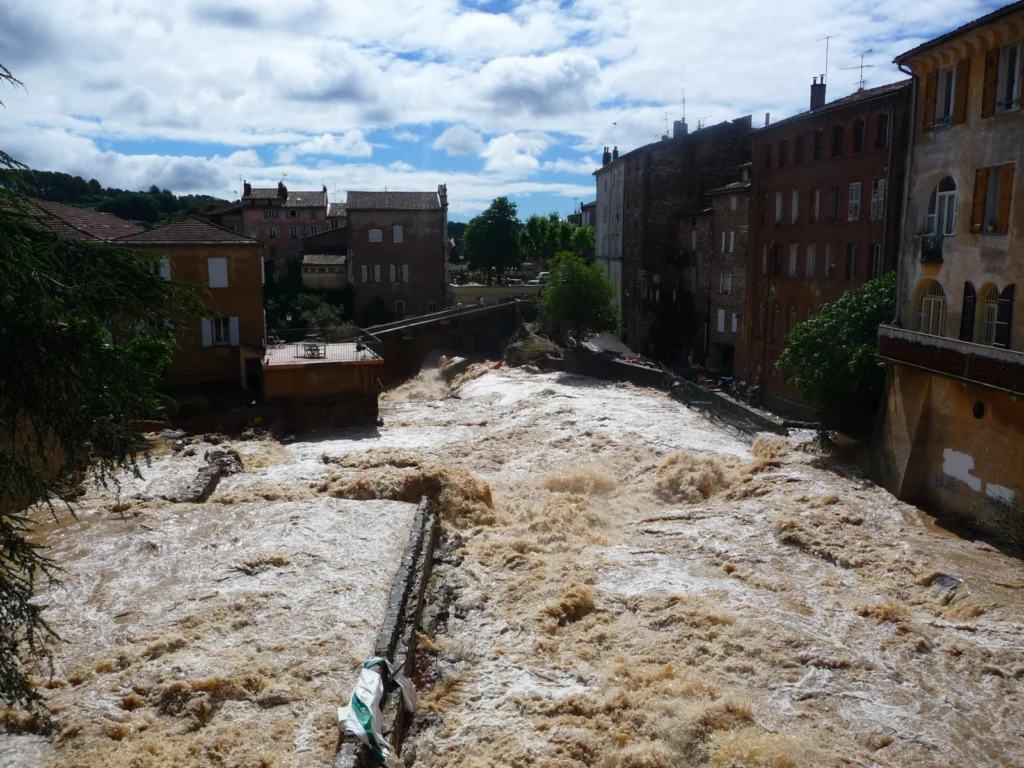

In today’s interview, we talk with Dr Maria Bostenaru. Maria is an architecture engineer interested in the complex relationship between urban areas, natural hazards, and heritage. She tells us how she thinks that involving more humanities, which include, for example, the study of languages, literature, archaeology, together with information technology solutions, may result in new important a ...[Read More]
NH Medallists episode III – Claire Horwell and her interdisciplinary work on volcanic emission hazards for human health
In today’s interview, we talk with Prof. Claire J. Horwell. Claire has been awarded the 2020 Plinius Medal for her outstanding interdisciplinary research on the respiratory health implications of inhaling volcanic emissions, and other particulates. my research focuses on protecting communities from exposures to potentially harmful airborne particulates Hi Claire, can you please briefly introduce ...[Read More]
#shareEGU20 afterthoughts about virtual conferencing
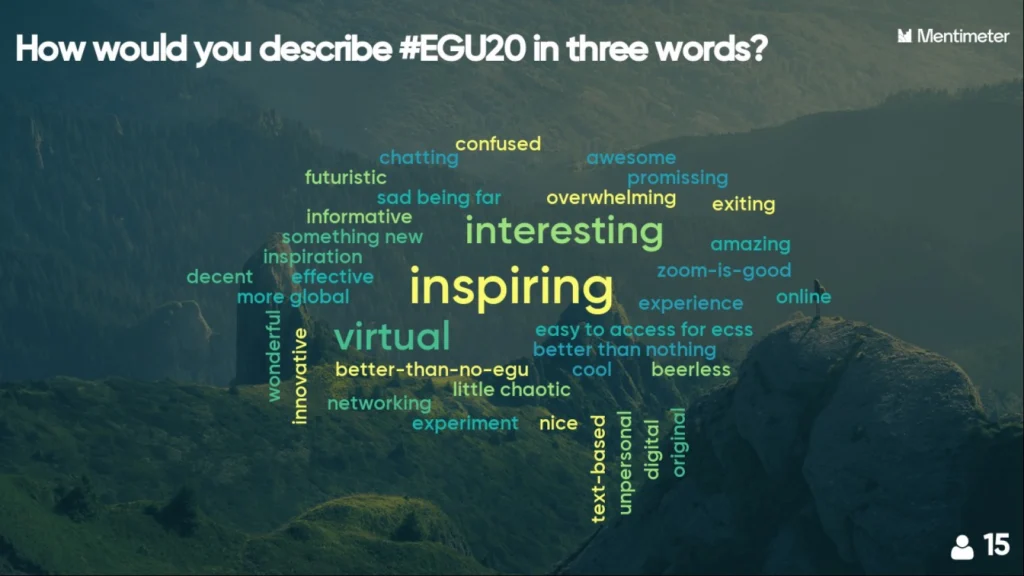
It’s 2020 and a new coronavirus has spread all over the world-changing most if not all our habits. In a few weeks, we’ve seen adaptations to living in a world with this pandemic, from many points of view. Science reacted and adapted very quickly, sharing research and opening dialogues using online tools. Similarly, the EGU General Assembly that usually hosts every year around 15,000 people i ...[Read More]
EGU 2020: Sharing Geoscience Online, NhET activities
We are currently living uncertain times due to the COVID-19 pandemic, and we hope that you and your relatives are healthy and safe. As you may know by now, the physical EGU 2020 General Assembly was cancelled. To keep science in the front line, provide a discussion and sharing platform also at these times, it was replaced by the first interactive and digital EGU 2020: Sharing Geoscience Online ev ...[Read More]
I-REACT – ‘Fight disasters with your phone’
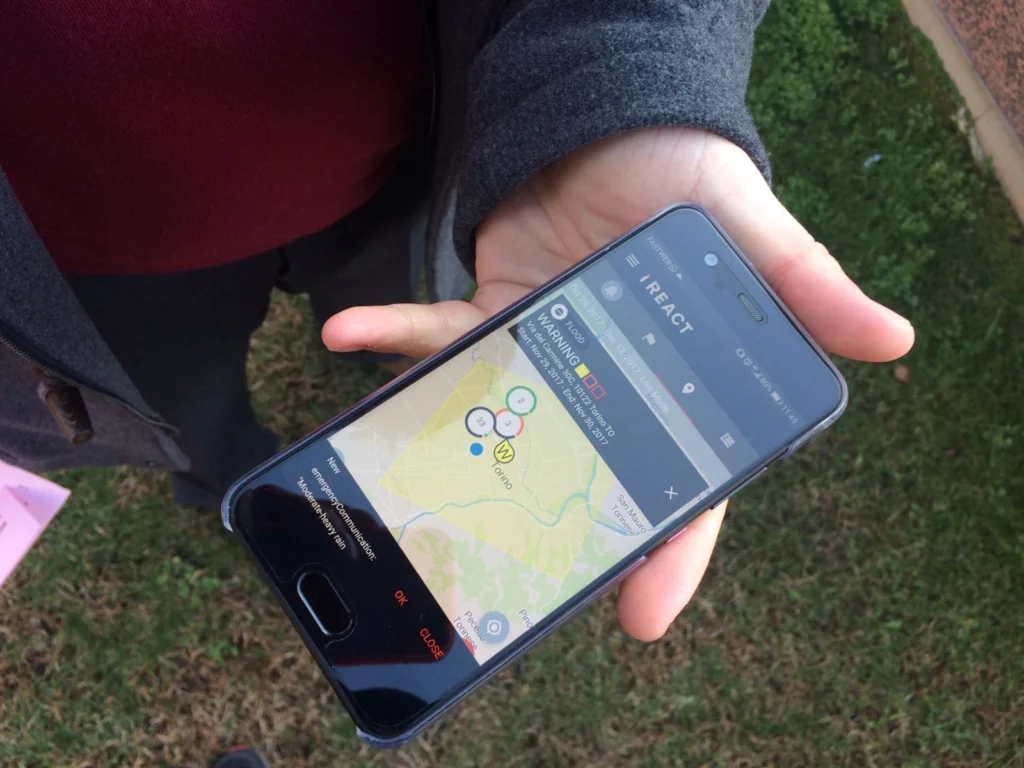
Technology has never been more at hand than at the time we are living. Smartphones and the many apps on the market are proof of this. As I recently discovered, there is also an app developed to learn about natural hazards and, as they claim, fight disasters! This app is called I-REACT, and it was born from a homonymous innovation project funded by the European Commission and developed by a consort ...[Read More]
Gaius Plinius Secundus and Sergey Soloviev, two names and awards.
The EGU has an award system in place aiming at recognising eminent scientists for their outstanding contribution in Earth, planetary and space science. There are different medals a researcher can be nominated to, including Division ones. Ah, before I forget: the deadline for this year nominations is 15 June! Don’t miss the chance to appoint an outstanding colleague. You can find more information o ...[Read More]
The CRED presents the bill: the socio-economic cost of natural hazards.
Which type of natural hazard is the most frequent? And which one causes the largest economic losses? Which populations are mainly affected? What are the necessary steps to reduce natural hazards’ impact? If you have ever wondered about any of these questions, you’d be interested to know that there is an institute answering all of them with a series of reports and ad hoc publications. We are ...[Read More]
The collapse of Anak Krakatau volcano: a scenario envisaged
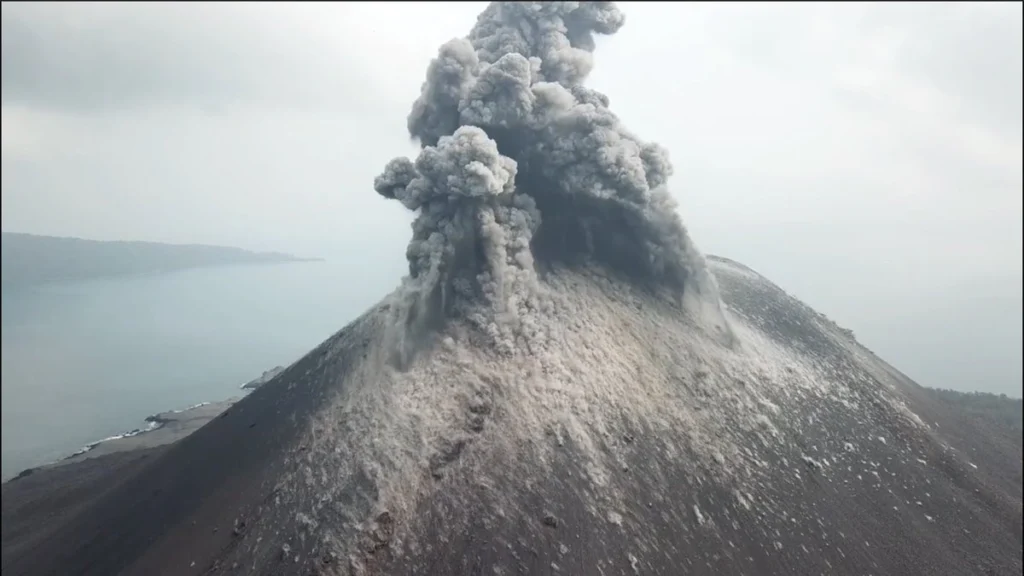
The volcano ID Krakatoa or Krakatau, in Indonesia, is part of the Ujung Kulon National Park, a UNESCO World Heritage property, and among the most (in)famous volcanoes in the world. From a geological point of view, it is part of the Indonesian island arc system generated by the north-eastward subduction of the Indo-Australian plate (Figure 1). Krakatau is now a caldera type of volcano thanks to the ...[Read More]
The (un)usual suspect: how the environment affects human health.
If you have been regularly following our blog for this (almost) past year, you may have noticed that the field of natural hazards is coloured by many different shades. One more that I would like to present to you today is about how the natural environment can affect human health. It is a recognized fact that geo-materials can pose a threat to our health. One of the most striking examples is asbest ...[Read More]
Heavy metals in industrial wastewater: hazardous waste or secondary resource?
Not long ago on the blog, we have talked about natural groundwater quality triggered by geogenic factors and related hazards such as a high concentration of heavy metals. Today’s topic concerns the anthropogenic input of heavy metals into the water and how to tackle its effects efficiently. Industrial processes can lead to heavy metal-bearing wastewater, which is commonly treated by ineffi ...[Read More]