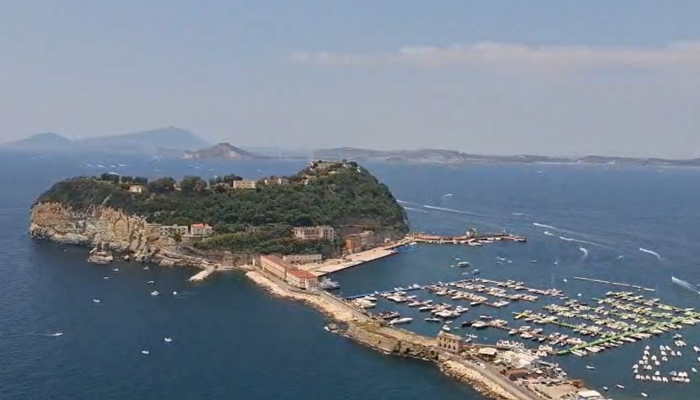
Nestled within one of Europe’s most densely populated regions, the Campi Flegrei caldera is a volcanic system whose secular unrest shapes the daily life of its inhabitants. Here, during the last decade and still ongoing crisis, ground uplift, frequent earthquakes, and persistent gas emissions interact to create a complex, evolving multi-risk environment. These natural hazards rarely follow simple ...[Read More]
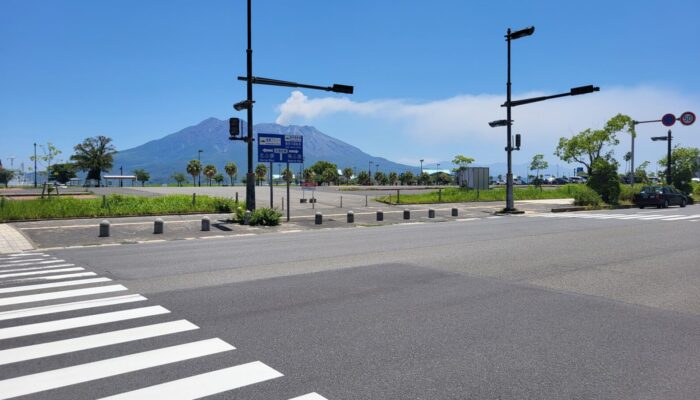
If a Resilient City Had a Face: It Might Look Like Kagoshima
As natural hazard scientists, we often emphasise the concept of exposure – how much people, infrastructure, and ecosystems are in harm’s way when close to natural hazard sources (e.g., floodplains, volcanoes, or fault lines). The closer you are, the higher the risk. Therefore, one of the main goals in natural risk assessment is to reduce exposure whenever possible. We advocate for informed plannin ...[Read More]
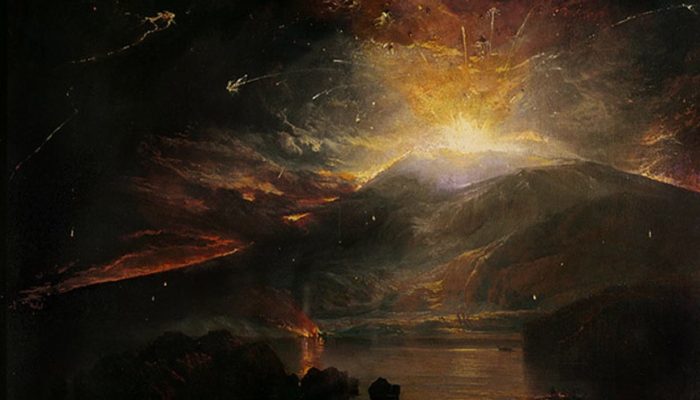
The bad, the good and the unpredictable: living with volcanoes / part 2
Before continuing, if you haven’t read it yet, catch up with the first part of this blog article by clicking on this link. The good Living with volcanoes is not all bad. Volcanoes provide a wealth of natural resources in the form of building materials, hot springs, freshwater and fertile soil. However, there are more hidden aspects, which was the focus of a recent collaboration with an archa ...[Read More]
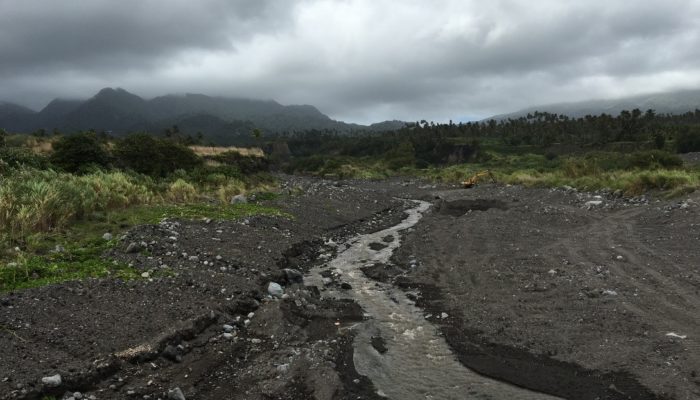
The bad, the good and the unpredictable: living with volcanoes / part 1
Introduction Humans have existed and lived alongside volcanoes for as long as we have been on the planet. For some, this has been beneficial and often, in fact, we can see how indigenous knowledge finds a sustainable approach living with them. However, in some cases, societies cannot cope and are overwhelmed with volcanic eruptions. There are many examples from archaeological studies dealing with ...[Read More]