
NH
Natural Hazards
Avatar photo

EGU Guest blogger

This guest post was contributed by a scientist, student or a professional in the Earth, planetary or space sciences. The EGU blogs welcome guest contributions, so if you've got a great idea for a post or fancy trying your hand at science communication, please contact the blog editor or the EGU Communications Officer to pitch your idea.

Faults and earthquakes as friends and not foes
Faults and earthquakes as friends and not foes
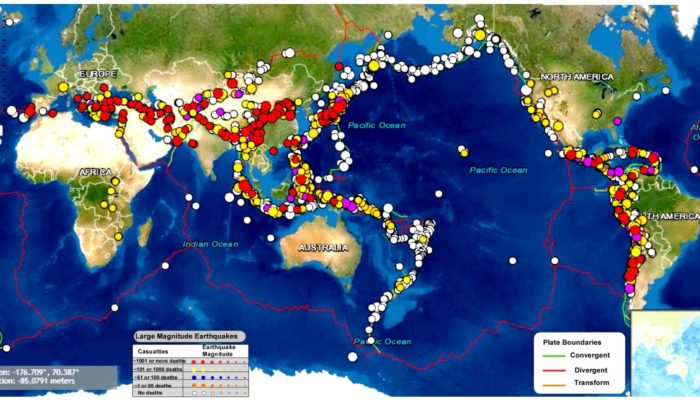
The earthquakes’ occurrence on the planet Earth is largely considered synonymous with disasters and people generally perceive geological faults as a threat to life and belongings. However, there are exceptions since a small community of earthquake researchers relate the occurrence of earthquakes with the lithospheric plate interactions where movement on faults causes earthquakes. Therefore, ...[Read More]

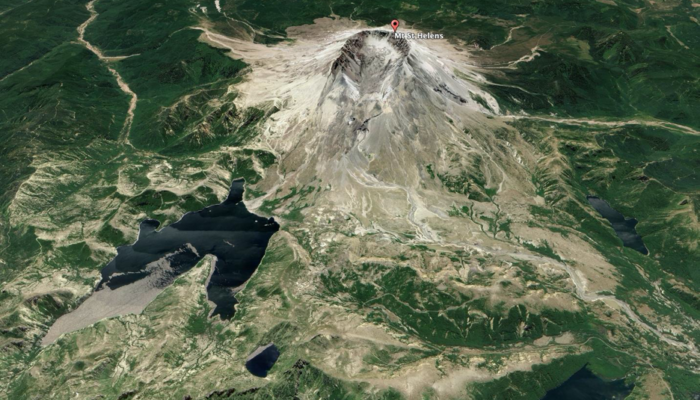
DE BELLO VULCANICO 40-year scientific effort of ‘predicting the unpredictable’ since the 1980 eruption of Mount Saint Helens

DE BELLO VULCANICO 40-year scientific effort of ‘predicting the unpredictable’ since the 1980 eruption of Mount Saint Helens

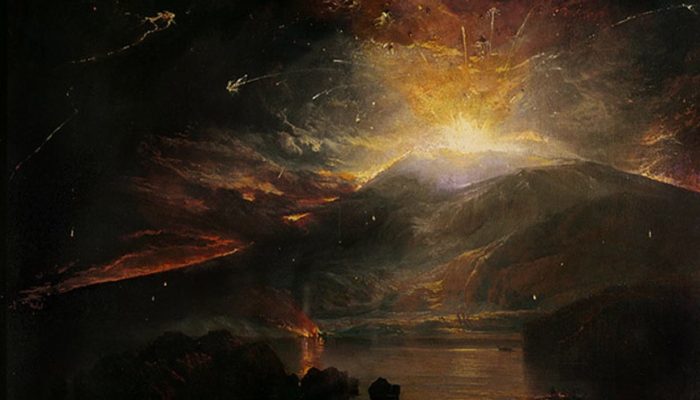
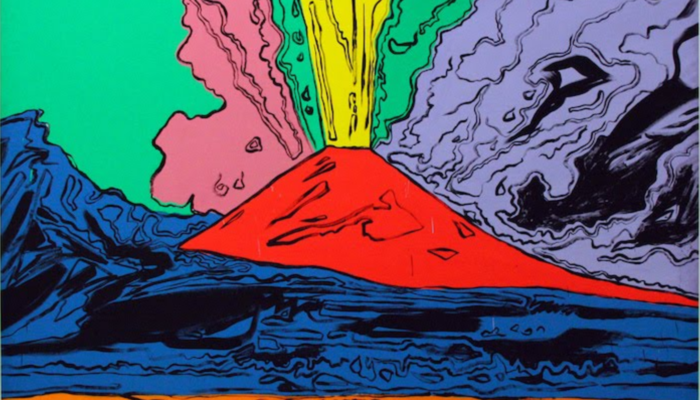
Volcanoes arouse emotions in the soul of men: at the same time, they are fascinating and frighten the population that lives on their slopes when they erupt (Fig. 1). Volcanoes can strike without warning and wreak horrific destruction and death. As such, in the ancient time, volcanoes discharging explosive eruptions have been interpreted as the wrath of gods that destroys and annihilates all around ...[Read More]

Mount Saint Helens 40 years later – May 18, 1980: for everything to stay the same, everything must change

Mount Saint Helens 40 years later – May 18, 1980: for everything to stay the same, everything must change

Vancouver, Vancouver, this is it! Just a few words radioed by volcanologist David ‘Dave’ Johnston on May 18, 1980, to USGS headquarter in Vancouver, Washington State. It was 8:32 a.m., and a few hours later he lost his life during the (in)famous Mount Saint Helens eruption. That day, exactly forty years ago, the eruption of Mount St. Helen upset the world. It all started with a collapse on the nor ...[Read More]

How satellites measuring soil moisture provide a new understanding of rainfall patterns

How satellites measuring soil moisture provide a new understanding of rainfall patterns

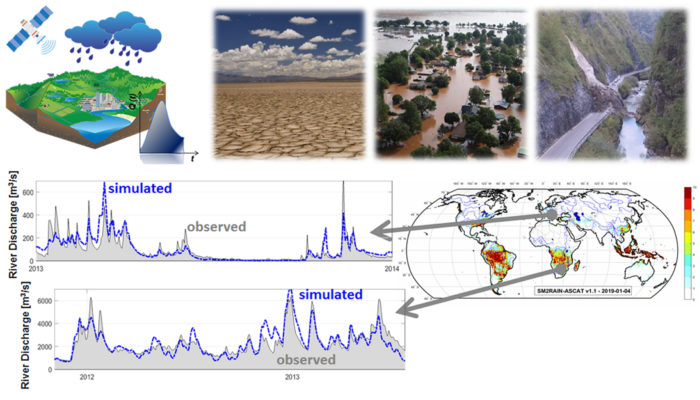
Soil moisture and rainfall are the two fundamental variables in the water and energy cycle and their knowledge in many applications is crucial. For instance, for predicting the occurrence and the magnitude of flood and landslide events the knowledge of the initial soil moisture condition and of rainfall amount is mandatory. In the last decade, some authors have proposed a completely new approach, ...[Read More]

The bad, the good and the unpredictable: living with volcanoes / part 2

The bad, the good and the unpredictable: living with volcanoes          / part 2

Before continuing, if you haven’t read it yet, catch up with the first part of this blog article by clicking on this link. The good Living with volcanoes is not all bad. Volcanoes provide a wealth of natural resources in the form of building materials, hot springs, freshwater and fertile soil. However, there are more hidden aspects, which was the focus of a recent collaboration with an archa ...[Read More]

The bad, the good and the unpredictable: living with volcanoes / part 1

The bad, the good and the unpredictable: living with volcanoes     / part 1

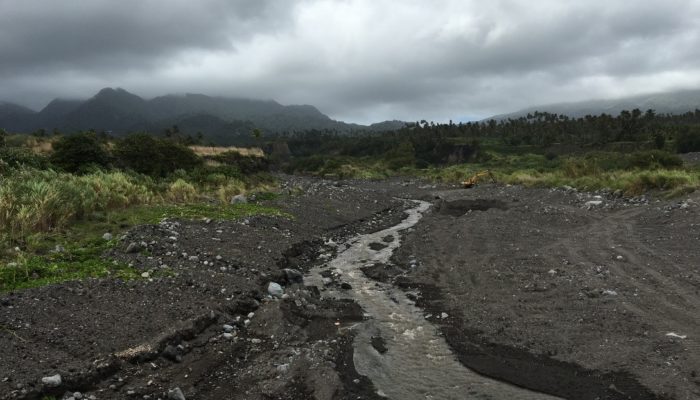
Introduction Humans have existed and lived alongside volcanoes for as long as we have been on the planet. For some, this has been beneficial and often, in fact, we can see how indigenous knowledge finds a sustainable approach living with them. However, in some cases, societies cannot cope and are overwhelmed with volcanic eruptions.  There are many examples from archaeological studies dealing with ...[Read More]

How can remote sensing and wavelet transform unravel natural and anthropogenic ground motion processes?

How can remote sensing and wavelet transform unravel natural and anthropogenic ground motion processes?

Underground energy storage and gas storage in aquifers In the context of energy transition, massive energy storage is a key issue for the integration of renewable sources into the energy mix. Storing energy in the underground can lead to larger-scale, longer-term and safer solutions than above-ground energy storage technologies. In particular, natural gas storages are designed to address different ...[Read More]

Where science and communication meet: the editorial world of scientific journals.

Where science and communication meet: the editorial world of scientific journals.

The ultimate scope of scientists is to publish their research advancement and share it with the scientific community and civil society. Researchers, whether coming from academia or research institutes, publish their results in peer-reviewed journals, that are usually highly technical and often incomprehensible to anyone except the major experts in the field. In some subjects is inevitable given th ...[Read More]

NH10 Multi-Hazards: The Latest EGU Natural Hazards Sub-Division

NH10 Multi-Hazards: The Latest EGU Natural Hazards Sub-Division

Earlier this year, the EGU Natural Hazards Division approved the addition of a new sub-division focused on the theme of ‘multi-hazards’. The Science Officers representing this sub-division, Joel Gill (British Geological Survey) and Marleen de Ruiter (IVM-VU Amsterdam), reflect on why this sub-division is necessary and how you can get involved. Many regions are affected by multiple natural hazards, ...[Read More]

Alpine rock instability events and mountain permafrost

Alpine rock instability events and mountain permafrost

Rockfalls, rock slides and rock avalanches in high mountains The terms rockfall, rock avalanche and rockslide are often used interchangeably. Different authors have proposed definitions based on volume thresholds, but the establishment of fixed boundaries can be tricky. Rockfall can be defined as the detachment of a mass of rock from a steep rock-wall, along discontinuities and/or through rock bri ...[Read More]