Hey there, fellow earth enthusiasts! Are you ready to dive into EGU24? If so, grab your virtual or physical backpacks because we’re about to embark on a journey that’s bound to be as enlightening as it is exhilarating. With its diverse program offering discussions and networking opportunities, EGU24 promises to be an enriching experience. Whether you’re a seasoned participant or a newcomer, ...[Read More]
Understanding and assessing hydrological extremes, a discussion with Alberto Viglione
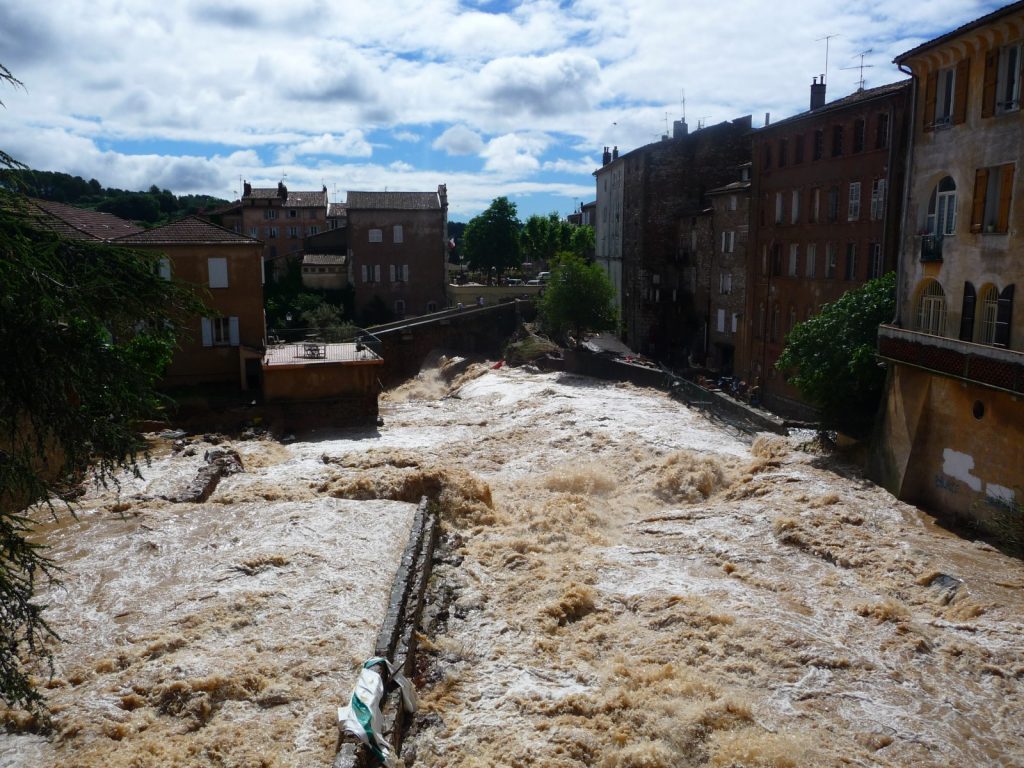
Extreme hydrological events affect billions of people worldwide, and their negative impacts will likely increase due to climate change, urbanisation and ageing infrastructure. Further understanding of hydrological extremes and societal responses to floods is critical in mitigating flood risk and creating better urban environments. In today’s interview, we talk with Prof. Alberto Viglione. Al ...[Read More]
Getting to know NH11: Climate Hazards, the new EGU Natural Hazards Sub-Division
Earlier this year, the EGU Natural Hazards Division launched a new sub-division dedicated to climate hazards. In today’s interview, Dr Steven Hardiman, a Senior Research Scientist at the Met Office (UK) and the Science Officer of this new sub-division, will share some insights about NH11 and its future development. Hi Steve, and congratulations on your new role! Please tell us about your ca ...[Read More]
#vEGU21: Gather Online – what you need to know.
On November 2nd, EGU opened the call for abstracts and communicated that 2021 will see the General Assembly going again fully virtual. It seems a very considerate choice, giving that the COVID-19 pandemic still pervades our lives and makes impossible safe planning of events that include travelling and in-person contacts so far ahead in time. Let’s see what we have to know to get ready for it based ...[Read More]
The CRED presents the bill: the socio-economic cost of natural hazards.
Which type of natural hazard is the most frequent? And which one causes the largest economic losses? Which populations are mainly affected? What are the necessary steps to reduce natural hazards’ impact? If you have ever wondered about any of these questions, you’d be interested to know that there is an institute answering all of them with a series of reports and ad hoc publications. We are ...[Read More]
The collapse of Anak Krakatau volcano: a scenario envisaged
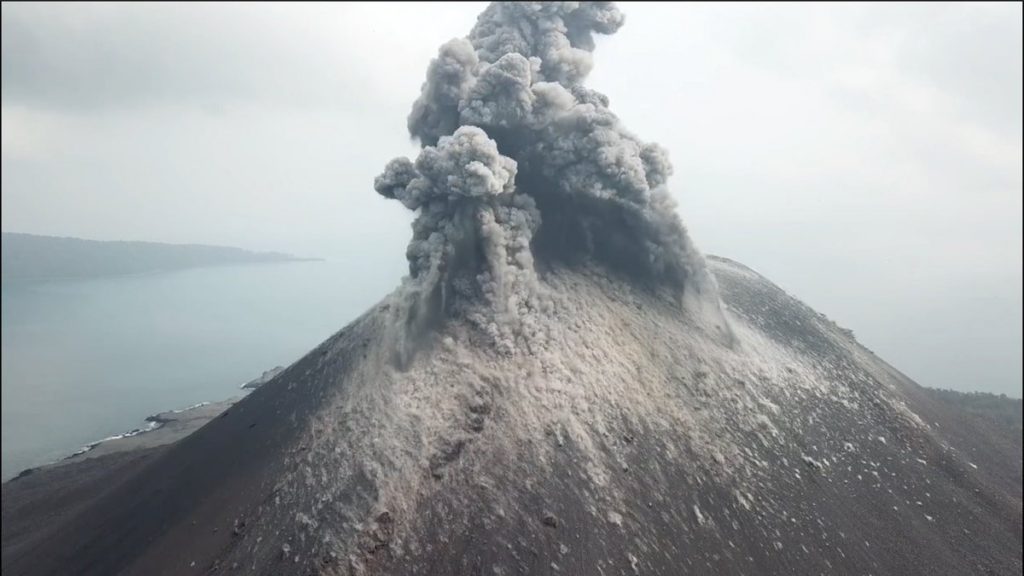
The volcano ID Krakatoa or Krakatau, in Indonesia, is part of the Ujung Kulon National Park, a UNESCO World Heritage property, and among the most (in)famous volcanoes in the world. From a geological point of view, it is part of the Indonesian island arc system generated by the north-eastward subduction of the Indo-Australian plate (Figure 1). Krakatau is now a caldera type of volcano thanks to the ...[Read More]
Heavy metals in industrial wastewater: hazardous waste or secondary resource?
Not long ago on the blog, we have talked about natural groundwater quality triggered by geogenic factors and related hazards such as a high concentration of heavy metals. Today’s topic concerns the anthropogenic input of heavy metals into the water and how to tackle its effects efficiently. Industrial processes can lead to heavy metal-bearing wastewater, which is commonly treated by ineffi ...[Read More]
Doing and wandering of NhET at the EGU’s General Assembly
If you were wondering what a group of young scientists such as NhET does in its free time, this is the right post for you to read! In between doing exciting fieldwork on an active volcano, writing an inspiring paper on landslide monitoring and applying that complicated algorithm for the analysis of earthquake return times: we organize events at the EGU’s General Assembly (GA) targeting Early Caree ...[Read More]