NH
Natural Hazards

Natural Hazards

Behind the scene: knowing the President of the EGU Natural Hazard Division – Ira Didenkulova!

Behind the scene: knowing the President of the EGU Natural Hazard Division – Ira Didenkulova!

In this last post of 2019, I have the pleasure to ask some questions to Ira Didenkulova, the President of the EGU Natural Hazards division who has been recently elected for a second mandate.   Ira, can you introduce yourself and tell what led you the position of EGU Natural Hazard (NH) Division president? What are the main challenges you had and what’s next for the NH division? It seems this ...[Read More]

A coffee with Mr Fujitsuka: Typhoon Hagibis and the recovery process

A coffee with Mr Fujitsuka: Typhoon Hagibis and the recovery process

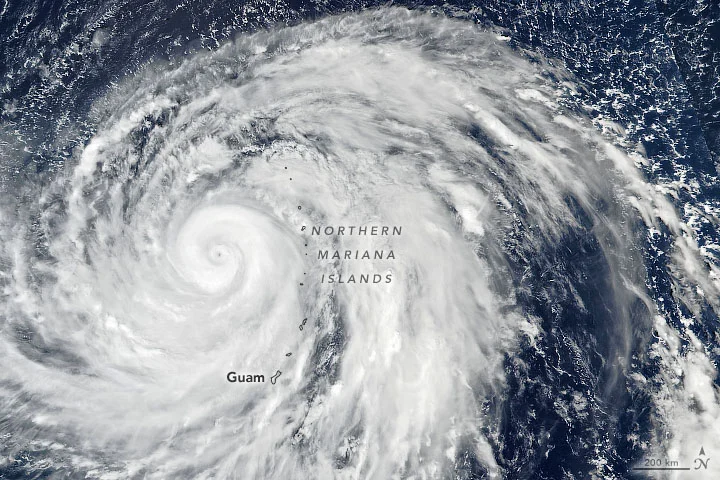
Today I got the chance to grab a coffee with Mr Fujitsuka, an ex-officer of the Ministry of Environment of Japan in charge of disaster preparedness, management and recovery. The reason why I decided to interview Mr Fujitsuka is that he helped in first person to manage the recovery process during Typhoon Hagibis that paralyzed the eastern coast of Japan on the first week of October. But, before exp ...[Read More]

Time for submissions: sessions proposed by NhET at the next EGU General Assembly!

Time for submissions: sessions proposed by NhET at the next EGU General Assembly!

We are getting closer to 2020 and one of the first deadlines is for the submission of abstracts for the next EGU General Assembly (GA) in Wien, from the 3rd to the 8th of May 2020. The Natural hazards Early career scientist Team (NhET) has proposed several sessions and short courses also for next GA. Below you can find a list of them.   We also remind that there is an opportunity for financia ...[Read More]

The bad, the good and the unpredictable: living with volcanoes / part 2

The bad, the good and the unpredictable: living with volcanoes          / part 2

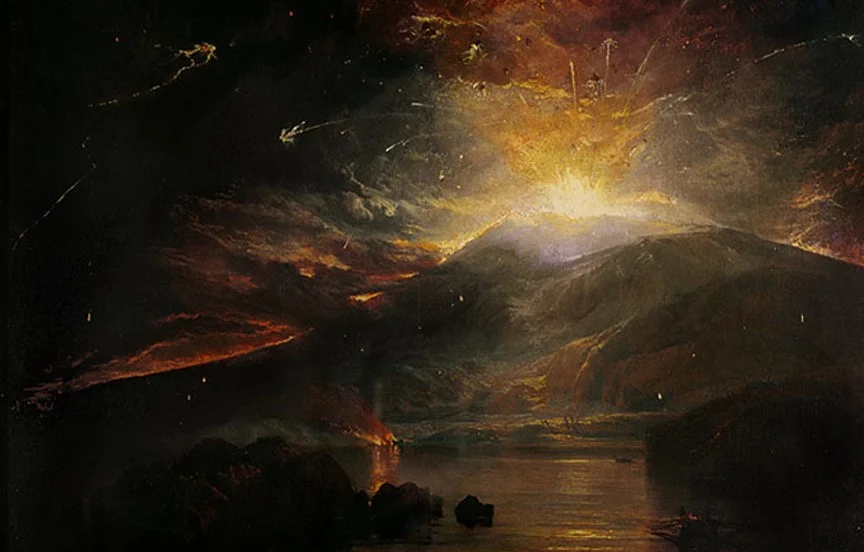
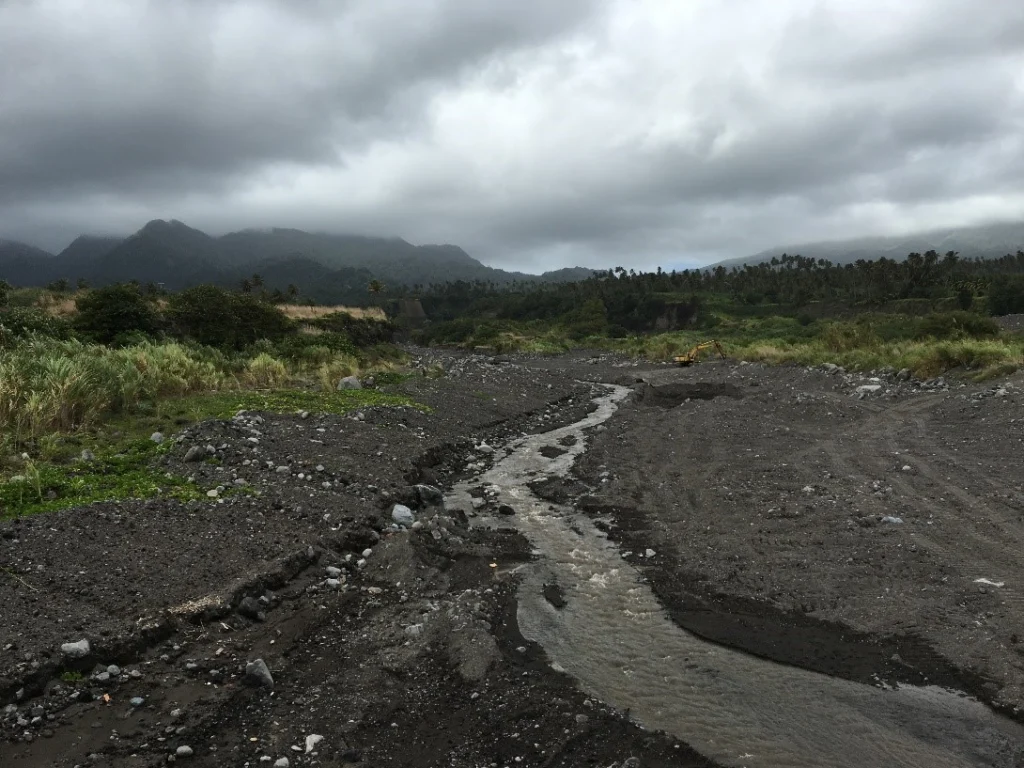
Before continuing, if you haven’t read it yet, catch up with the first part of this blog article by clicking on this link. The good Living with volcanoes is not all bad. Volcanoes provide a wealth of natural resources in the form of building materials, hot springs, freshwater and fertile soil. However, there are more hidden aspects, which was the focus of a recent collaboration with an archa ...[Read More]

The bad, the good and the unpredictable: living with volcanoes / part 1

The bad, the good and the unpredictable: living with volcanoes     / part 1

Introduction Humans have existed and lived alongside volcanoes for as long as we have been on the planet. For some, this has been beneficial and often, in fact, we can see how indigenous knowledge finds a sustainable approach living with them. However, in some cases, societies cannot cope and are overwhelmed with volcanic eruptions.  There are many examples from archaeological studies dealing with ...[Read More]

How can remote sensing and wavelet transform unravel natural and anthropogenic ground motion processes?

How can remote sensing and wavelet transform unravel natural and anthropogenic ground motion processes?

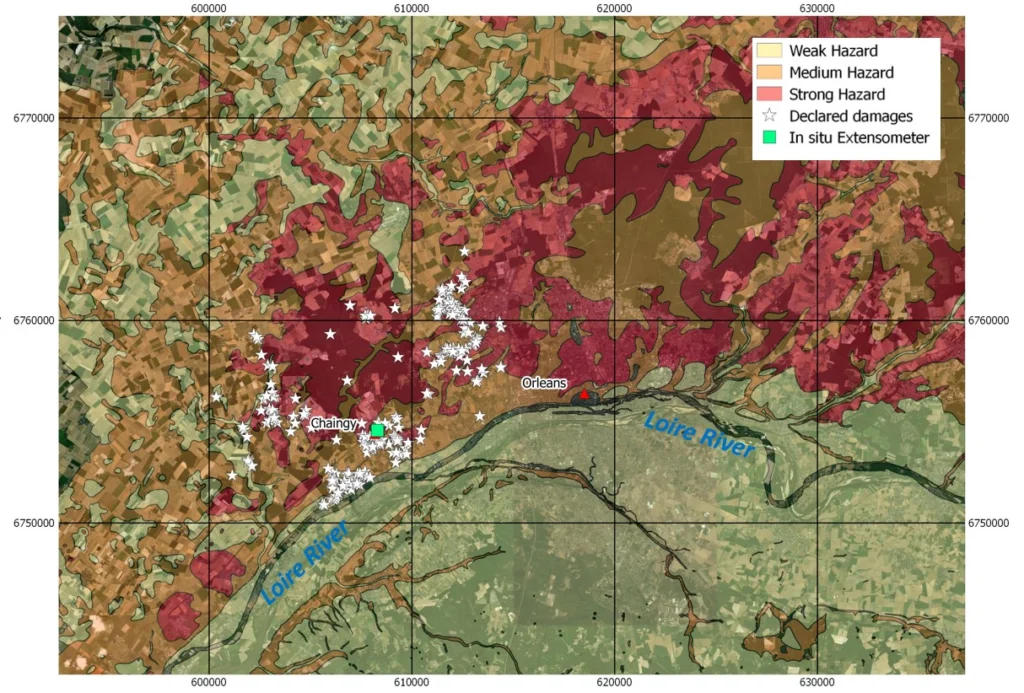
Underground energy storage and gas storage in aquifers In the context of energy transition, massive energy storage is a key issue for the integration of renewable sources into the energy mix. Storing energy in the underground can lead to larger-scale, longer-term and safer solutions than above-ground energy storage technologies. In particular, natural gas storages are designed to address different ...[Read More]

Stromboli: The Lighthouse of the Mediterranean

Stromboli: The Lighthouse of the Mediterranean

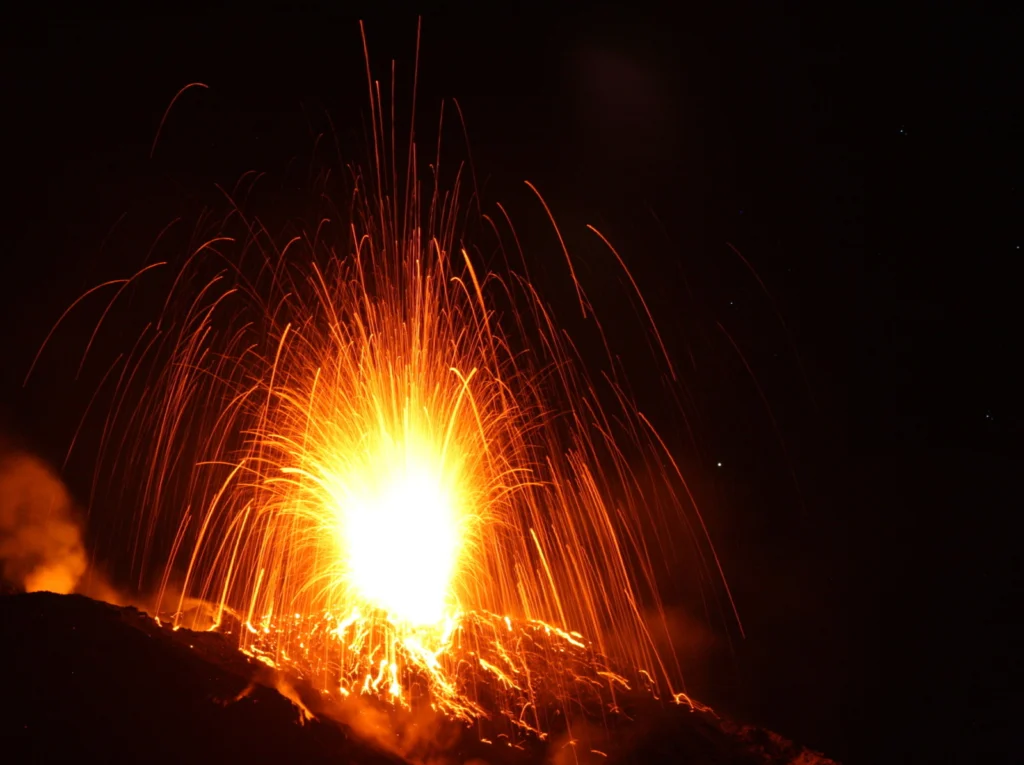
In the last months two paroxysmal explosive eruptions took place at Stromboli volcano: the first one, totally unexpected, on 3rd July (Video 1) that sadly cost the life of a person and the second and, currently, last one about three weeks ago, on the 28th August (Video 2). Today we try to answer a couple of questions about Stromboli and its eruptions. Are these paroxysmal eruptions common or rare ...[Read More]

Where science and communication meet: the editorial world of scientific journals.

Where science and communication meet: the editorial world of scientific journals.

The ultimate scope of scientists is to publish their research advancement and share it with the scientific community and civil society. Researchers, whether coming from academia or research institutes, publish their results in peer-reviewed journals, that are usually highly technical and often incomprehensible to anyone except the major experts in the field. In some subjects is inevitable given th ...[Read More]

Cyclone Fani: A success in weather forecast and disaster preparedness

Cyclone Fani: A success in weather forecast and disaster preparedness

Hurricane, cyclone and typhoon are different terms for the same weather phenomenon: torrential rain and maximum sustained wind speeds (near centre) exceeding 119 km/hour (World Meteorological Organization https://public.wmo.int/en). The terminology depends on the region (e.g. in the western North Pacific, they are called typhoons; in the Bay of Bengal and the Arabian Sea they are named as cyclones ...[Read More]

Hot topic for a hot summer: extreme weather and climate events in the ANYWHERE project – A Pan-European Platform for Multi-Hazard Early Warning and associated Impacts

Hot topic for a hot summer: extreme weather and climate events in the ANYWHERE project – A Pan-European Platform for Multi-Hazard Early Warning and associated Impacts

In this post, I have the pleasure to interview Dr.ir. Henny A.J. van Lanen. He is Associate Professor in the Hydrology & Quantitative Water Management Group of Wageningen University and he has been involved in several EU projects. Further, he is involved in many international groups or networks: Coordinator of the European FRIEND programme (EURO-FRIEND Water, Flow Regimes from International Ex ...[Read More]