NH
Natural Hazards

Natural hazard

A look into the life of a volcanologist in Japan, one of the most hazardous countries for volcanoes

A look into the life of a volcanologist in Japan, one of the most hazardous countries for volcanoes

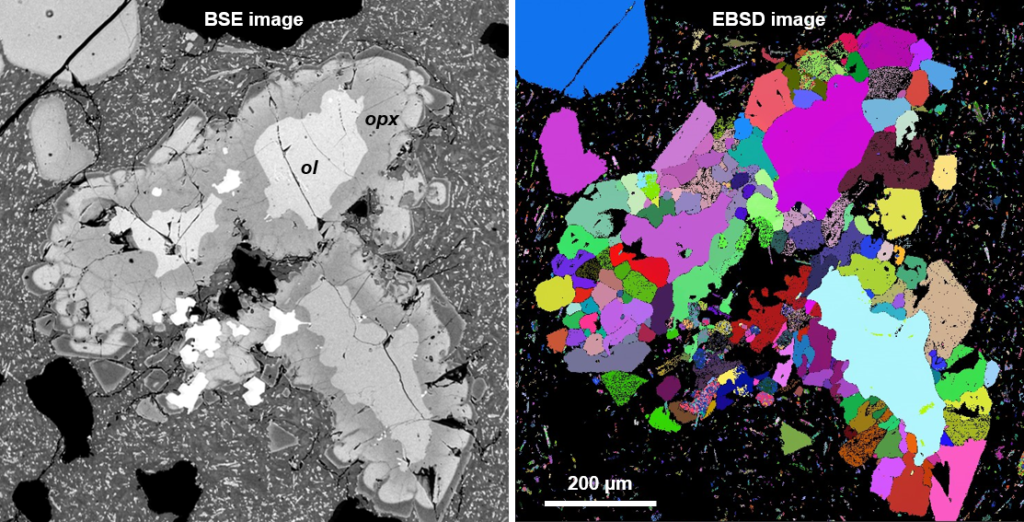
In this interview, I talk with Chris Conway about his experience as a volcanologist in Japan, which is one of the countries with the highest volcanic threat in the world. You will read how studying crystals found within erupted lava flows can help hazard mitigation at active volcanoes and how volcanic hazard is managed in Japan.   Hi Chris!! Thank you for accepting this interview, first and foremo ...[Read More]

The earthquake traffic light

The earthquake traffic light

Dr. Laura Gulia is a senior post-doc at the University of Bologna, Department of Physics and Astronomy. She has a strong experience in statistical seismology, seismicity analysis as well as seismic hazard and risk assessment. Recently, she investigated the spatio-temporal evolution of the earthquake size distribution throughout a seismic sequence focusing on the b-value, a parameter characterizing ...[Read More]

Natural Hazards 101: The disaster cycle

Natural Hazards 101: The disaster cycle

With the Natural Hazards 101 series, we meant to bring our readers closer to the terminology often used in the field of natural hazards, but that may not be so familiar. We started defining the very concept of hazard and natural hazard. We moved then to the concept of risk, which brought us to define exposure and vulnerability.  In this episode, we will digest the disaster terminology provided by ...[Read More]

Natural Hazards 101: The concept of risk

Natural Hazards 101: The concept of risk

  In the first episode of the series of posts called Natural Hazards 101, we focused on the definition of hazard and natural hazard, considering the recent literature. In this episode, we wish to draw your attention to the concept of risk. Although a commonly used word, the term risk might mean different things to different people. What does risk represent, and what it means in the context of ...[Read More]

Forests in danger: not only fires!

Forests in danger: not only fires!

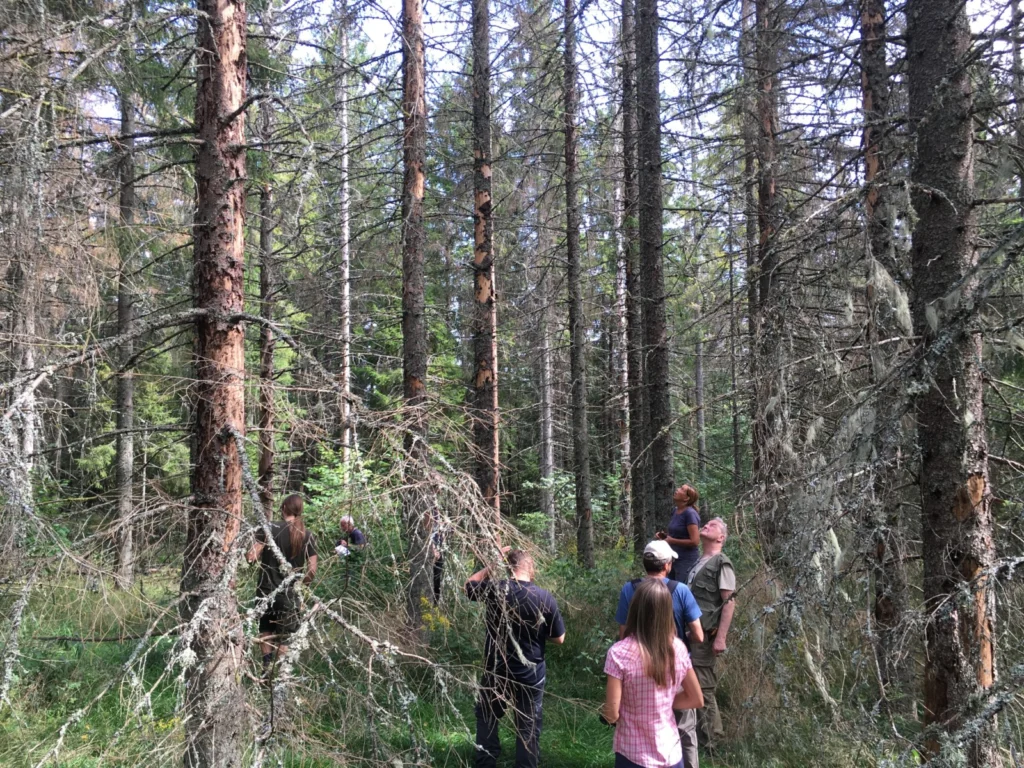
We often talk about forests for their importance in climate as a carbon sink and oxygen source. For their great role in the preservation of biodiversity, both for vegetation and as habitat for many animal species, for their potential in recreational activities. However, we do not talk a lot about forests in relation to natural hazards. Indeed, forests can be severely affected by natural hazards. T ...[Read More]

Natural Hazards 101 – What is a – natural – hazard?

Natural Hazards 101 – What is a – natural – hazard?

We often talk about different natural hazards, how researchers investigate them and solutions to mitigate their effects on society, infrastructures and the environment. However, we have never really stopped for a moment to define a hazard, a natural hazard and much of the terminology in the field that can sometimes be evasive and not so straightforward to understand. Thus, we start this series of ...[Read More]

To be or not to be a ‘natural’ disaster: that is the question

To be or not to be a ‘natural’ disaster: that is the question

The story of science is replete with theories that only become accepted by the scientific community after long and protracted uphill battles, said Howard Wolinsky in his commentary in Science and Society in 2008. Sometimes they are rejected, ridiculed, or they take time to be validated, digested, and likely accepted. However, in my opinion, the scientific discussion over new hypotheses is at the h ...[Read More]

Faults and earthquakes as friends and not foes

Faults and earthquakes as friends and not foes

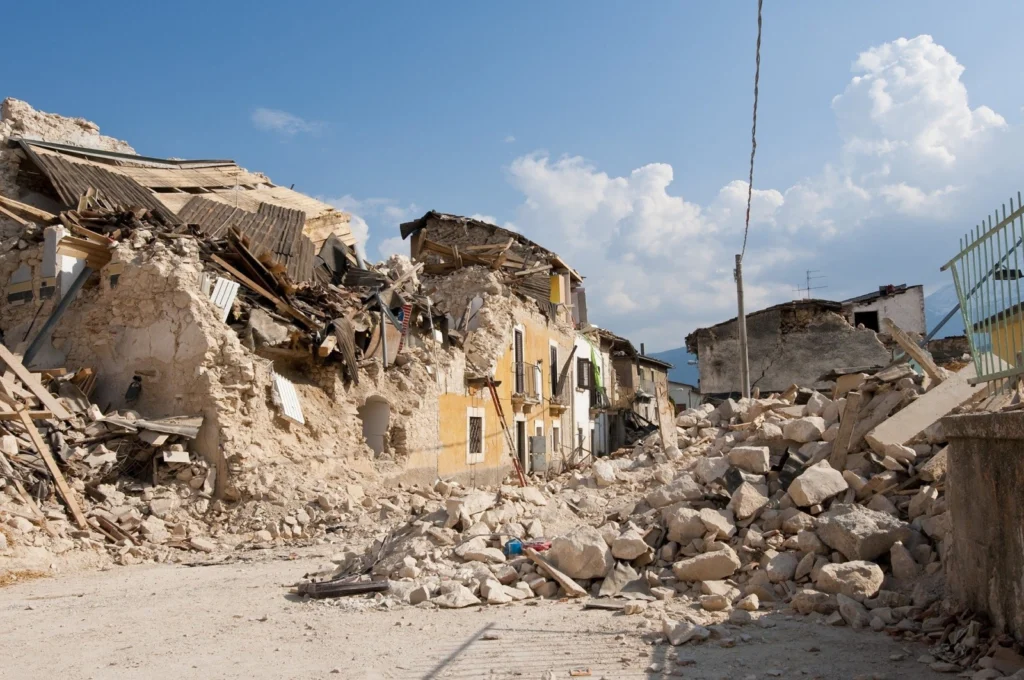
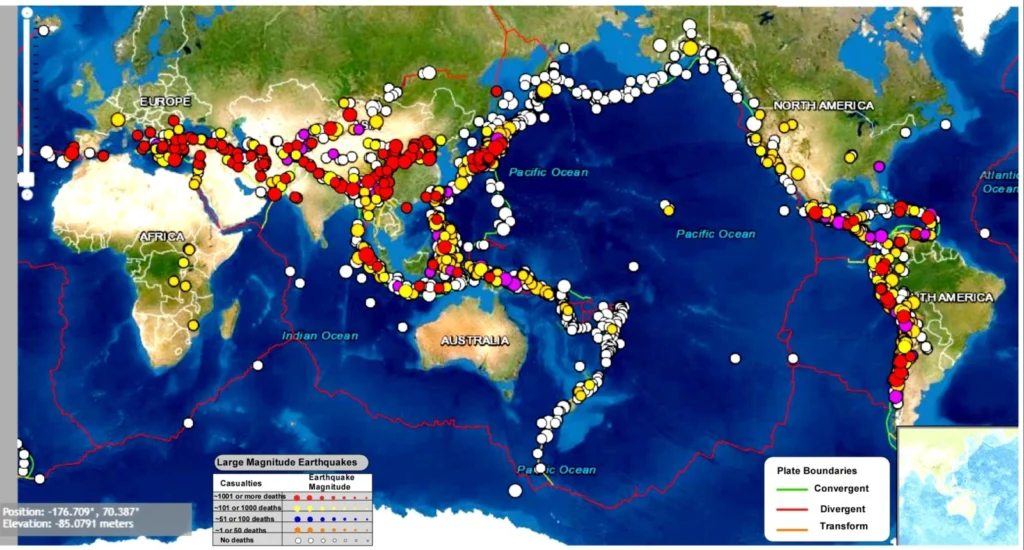
The earthquakes’ occurrence on the planet Earth is largely considered synonymous with disasters and people generally perceive geological faults as a threat to life and belongings. However, there are exceptions since a small community of earthquake researchers relate the occurrence of earthquakes with the lithospheric plate interactions where movement on faults causes earthquakes. Therefore, ...[Read More]

In between Natural Hazards and Heritage, interview to Maria Bostenaru

In between Natural Hazards and Heritage, interview to Maria Bostenaru

In today’s interview, we talk with Dr Maria Bostenaru. Maria is an architecture engineer interested in the complex relationship between urban areas, natural hazards, and heritage. She tells us how she thinks that involving more humanities, which include, for example, the study of languages, literature, archaeology, together with information technology solutions, may result in new important a ...[Read More]

DE BELLO VULCANICO 40-year scientific effort of ‘predicting the unpredictable’ since the 1980 eruption of Mount Saint Helens

DE BELLO VULCANICO 40-year scientific effort of ‘predicting the unpredictable’ since the 1980 eruption of Mount Saint Helens

Volcanoes arouse emotions in the soul of men: at the same time, they are fascinating and frighten the population that lives on their slopes when they erupt (Fig. 1). Volcanoes can strike without warning and wreak horrific destruction and death. As such, in the ancient time, volcanoes discharging explosive eruptions have been interpreted as the wrath of gods that destroys and annihilates all around ...[Read More]