NH
Natural Hazards

Natural hazard

We want you: New Science Officers seeking.

Interested in getting involved in shaping the EGU NH Division? Interested in having an active role during the organisation of the annual General Assembly?  Are you working in a field of research related to Natural Hazards? Then keep reading! Our Division is seeking new volunteer Science Officers to fill in the role for the following subdivisions: NH2: Volcanic Hazards NH3: Landslide Hazards NH5: S ...[Read More]

Getting to know Anne Mangeney 2022 Sergey Soloviev Medal

Getting to know Anne Mangeney 2022 Sergey Soloviev Medal

In today’s interview, we talk with Anne Mangeney, Professor of Geosciences at the Paris Diderot University. Anne has been awarded the 2022 Sergey Soloviev Medal. This medal is awarded for outstanding scientific contributions in fundamental research that improves our knowledge of basic natural hazards principles and research that assesses and leads to the proper mitigation of natural hazards ...[Read More]

Putting some pieces of the climate puzzle together, a chat with Jakob Zscheischler

Putting some pieces of the climate puzzle together, a chat with Jakob Zscheischler

The climate on our home planet is changing, and the effects of this change affect all of us at different levels starting from an enhancement of extreme weather events, a severe natural hazard. Climate change has several drivers, which in turn have complex interactions. Thus, it should not surprise us if climate science is a complex and interdisciplinary discipline with numerous players and great p ...[Read More]

Who’s afraid of Natech?

Who’s afraid of Natech?

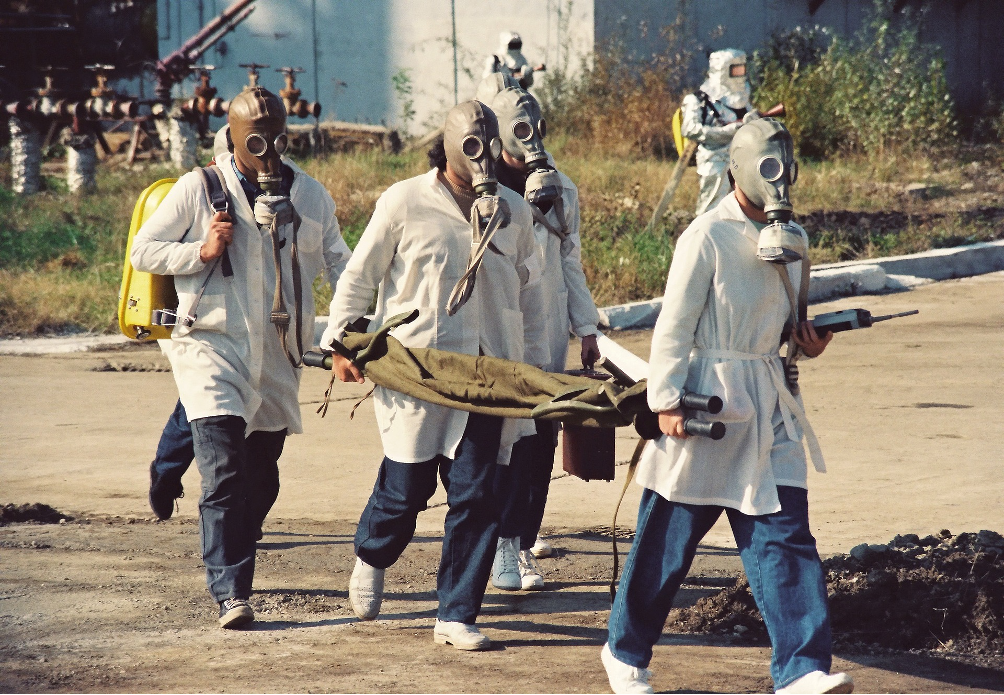
Natural hazards that impact industrial sites and result in technological accidents, causing the release of hazardous substances, are referred to as Natech events. In the popular imagination, Natech accidents are triggered by major natural hazard events. However, experience tells us that low magnitude natural events, such as lightning or heavy rains, are sufficient to cause enormous adverse effects ...[Read More]

Geoscience communication series: navigating the light and dark sides of social media

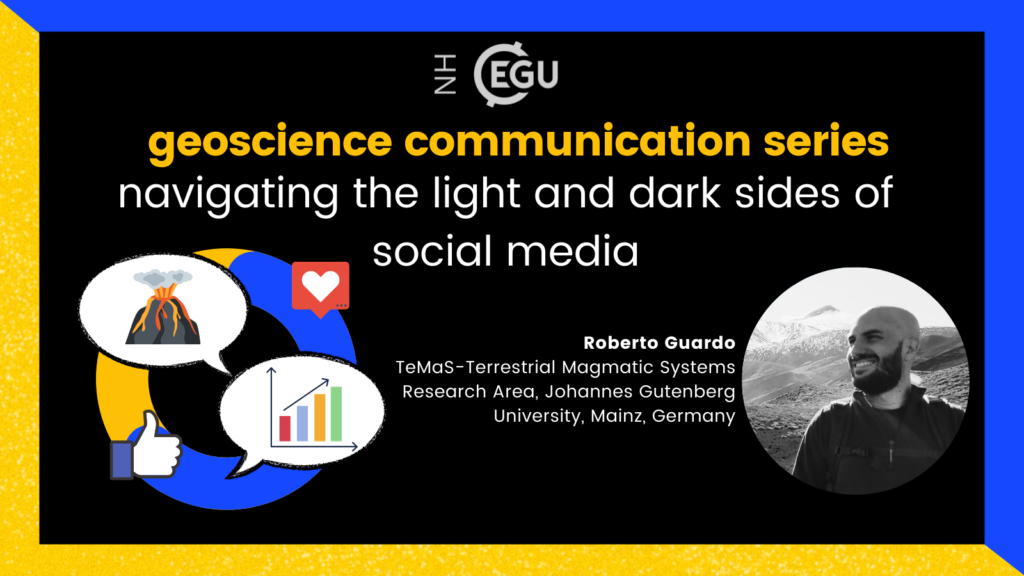
Geoscience communication series: navigating the light and dark sides of social media

We are thrilled to present the last episode of the EGU WEBINARS: Digitalk: online (geo)science communication series. In this episode, we will explore the light and the dark sides of using social media for science communication by a special guest, Roberto Guardo.  Roberto wished to engage in science communication just after completing his PhD. “I have never liked writing scientific papers,” he said ...[Read More]

Building a risk-aware culture

Building a risk-aware culture

Mahatma Gandhi once said, “The future depends on what you do today”. In the past months, we have witnessed extreme weather events, wildfires, earthquakes, and volcanic activity in different parts of the world. Although this activity is ordinary for a living planet like Earth, it can disturb the modern way of living and put people at risk. Even for the events that can be predicted with a higher deg ...[Read More]

Natural Hazards 101: Multi-hazards and multi-hazard risk

Natural Hazards 101: Multi-hazards and multi-hazard risk

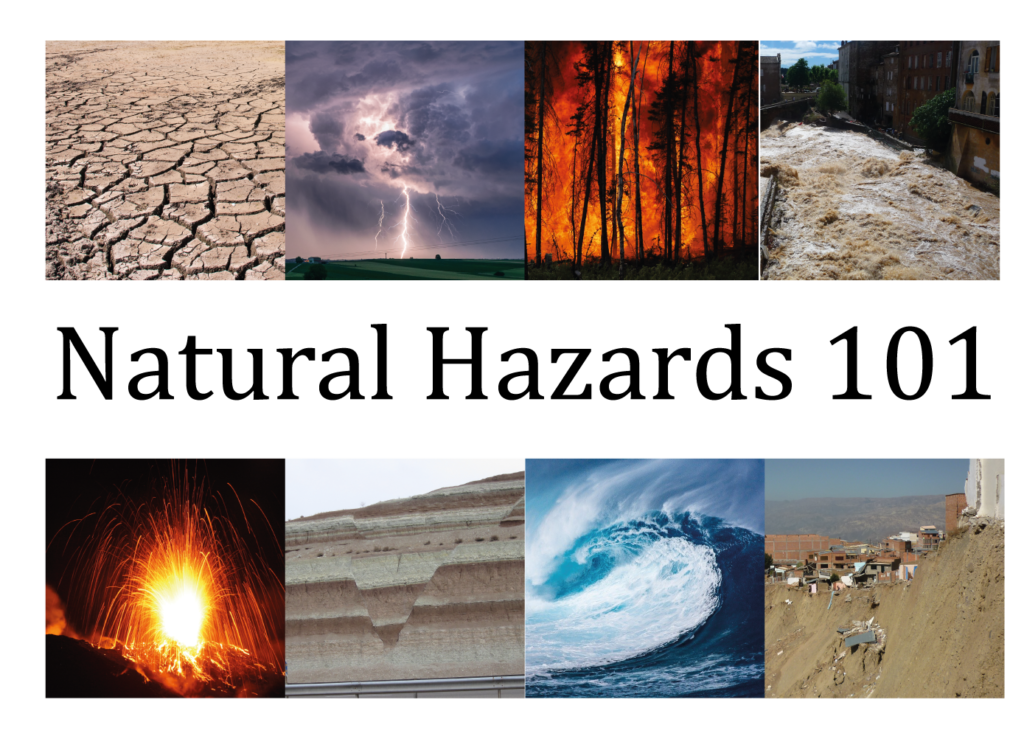
With the Natural Hazards 101 series, we mean to bring our readers closer to the terminology often used in the field of natural hazards, but that may not be so familiar. In the first episode of the series, we focused on the definition of hazard and natural hazard. We moved then to the concepts of risk, disaster risk management, and the forecasting and modelling of natural hazards. In this episode, ...[Read More]

Natural Hazards 101: Forecasting and modelling

Natural Hazards 101: Forecasting and modelling

With the Natural Hazards 101 series, we mean to bring our readers closer to the terminology often used in the field of natural hazards, but that may not be so familiar. In the first episode of the series, we focused on the definition of hazard and natural hazard. We moved then to the concept of risk, which brought us to define exposure and vulnerability. Later on, we digested the disaster terminol ...[Read More]

Meet and greet with the Natural hazards Early career scientists Team – NhET

Meet and greet with the Natural hazards Early career scientists Team – NhET

Do you know that there is a Natural Hazards team of clever, fun and friendly early career scientists? This team takes care of the blog you are reading (and we hope enjoying) and organises and helps with sessions, short courses and great debates during the EGU General Assembly. Moreover, we created a network of early to mid-career scientists from different disciplines and backgrounds of the Natural ...[Read More]

Artificial intelligence for disaster management: that’s how we stand

Artificial intelligence for disaster management: that’s how we stand

On the 23rd of June, I participated in the Second Workshop for AI (Artificial Intelligence) for Natural Disaster Management that hosted around 400 scientists, UN advisors, practitioners and policymakers from all over the world interested in machine learning for supporting disaster prediction and early warning. AI is not my research area; however, I have always been interested in the new advances t ...[Read More]