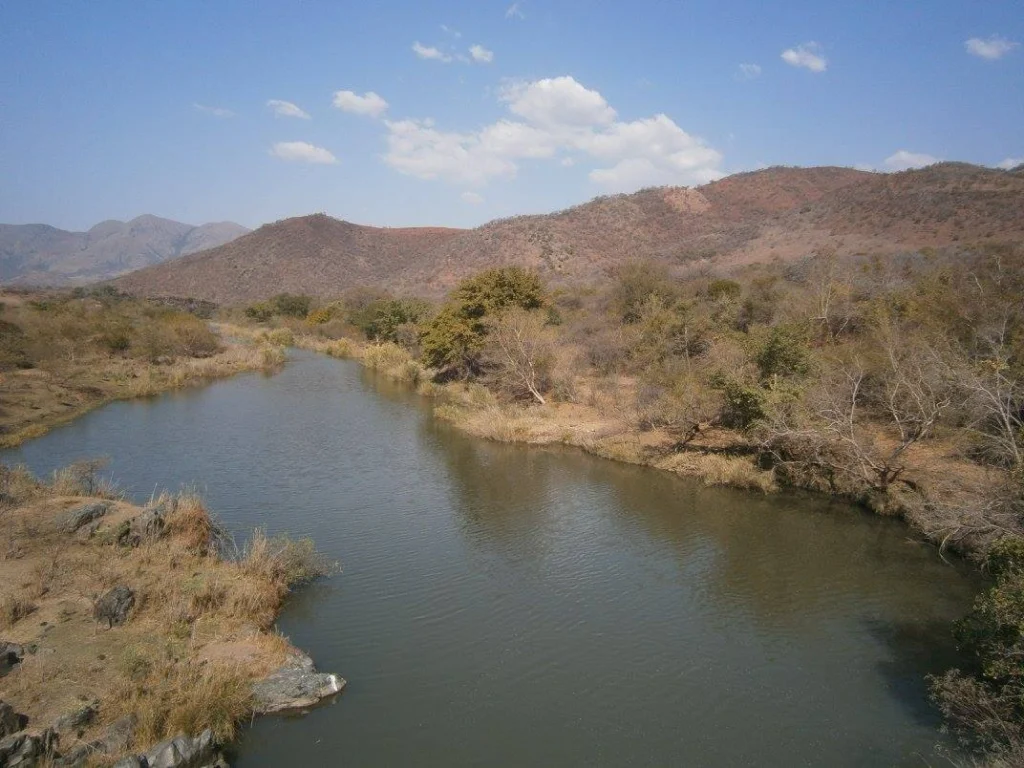
This week we again turn our attention to a Remarkable Region that deserves a spot in the scientific limelight. Postdoctoral researcher Eva Bredow of Kiel University shares with us her long history with Réunion Island. At first glance, Réunion is a relatively small tropical island, located between Madagascar and Mauritius, and from my personal experience, …[Read More]
numerical modelling
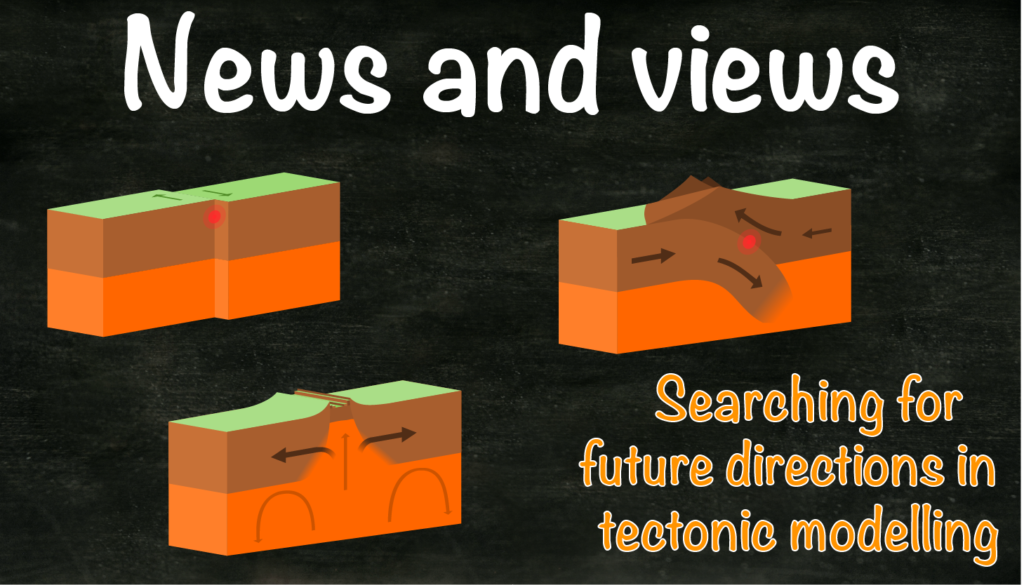
Searching for future directions in tectonic modelling
Geoscientists frequently use forward geodynamic simulations to test hypotheses derived from geophysical and geologic observations. While numerical simulations of lithospheric deformation have lead to key advances in our understanding of tectonic processes, in many cases it remains difficult to ascertain whether numerical models reproduce observations for the correct underlying regions. This week, John Naliboff and …[Read More]
It doesn’t work! (Asking questions about scientific software)
Numerical modelling is not always a walk in the park. In fact, many of us occasionally encounter problems that we cannot directly solve ourselves, and thus rely on help from others. In this month’s Wit & Wisdom post, Patrick Sanan, postdoctoral researcher at the Geophysical Fluid Dynamics group at ETH Zurich, will talk about asking the …[Read More]
Production and recycling of Archean continental crust
Continents are essential for the development and survival of life on Earth. However, as surprising as it may sound, there did not exist a planetary scale numerical model to show the formation of the oldest continents until the recent study ‘Growing primordial continental crust self-consistently in global mantle convection models‘ in Gondwana Research by Jain et …[Read More]
The past is the key
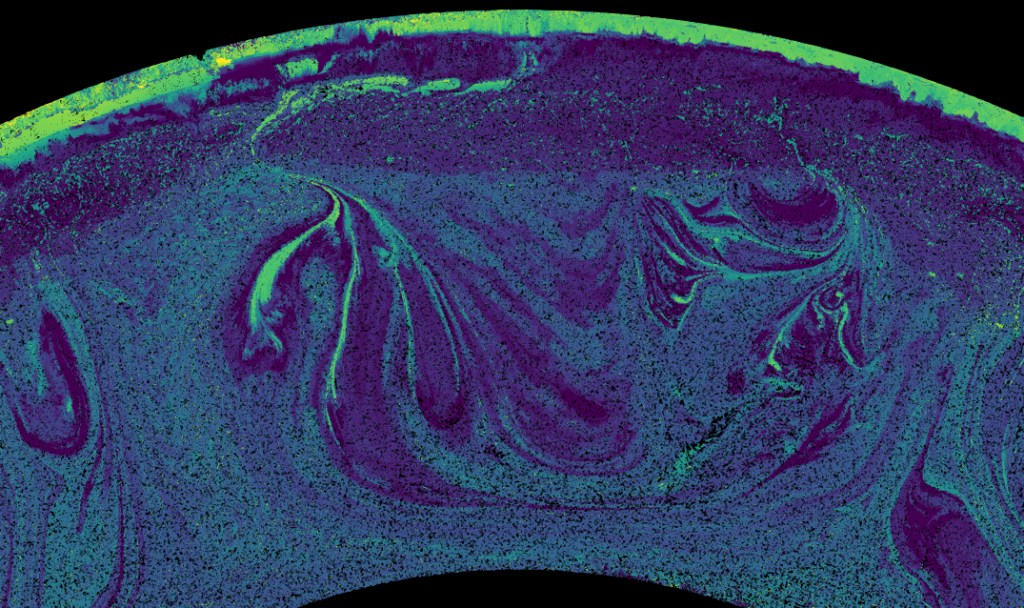
“The present is the key to the past” is a oft-used phrase in the context of understanding our planet’s complex evolution. But this perspective can also be flipped, reflected, and reframed. In this Geodynamics 101 post, Lorenzo Colli, Research Assistant Professor at the University of Houston, USA, showcases some of the recent advances in modelling …[Read More]
The geodynamic processes behind the generation of the earliest continents
The earliest continents played a fundamental role on Earth’s habitability. However, their generation is still not understood, and it requires an integrated approach between petrology and geodynamic modelling. In a new study, Piccolo and co-workers developed a method to handle the effects of chemical evolution on the geodynamic processes. They show that the production of …[Read More]
EGU GD Whirlwind Wednesday: Geodynamics 101 & other events
Yesterday (Wednesday, April 12, 2018), the first ever Geodynamics 101 short course at EGU was held. It was inspired by our regular blog series of the same name. I can happily report that it was a success! With at least 60 people attending (admittedly, we didn’t count as we were trying to focus on explaining …[Read More]
Subduction through the mantle transition zone: sink or stall?
The Geodynamics 101 series serves to showcase the diversity of research topics and methods in the geodynamics community in an understandable manner. We welcome all researchers – PhD students to professors – to introduce their area of expertise in a lighthearted, entertaining manner and touch upon some of the outstanding questions and problems related to their fields. …[Read More]
Being both strong and weak
The Geodynamics 101 series serves to showcase the diversity of research topics and methods in the geodynamics community in an understandable manner. We welcome all researchers – PhD students to Professors – to introduce their area of expertise in a lighthearted, entertaining manner and touch upon some of the outstanding questions and problems related to their fields. …[Read More]
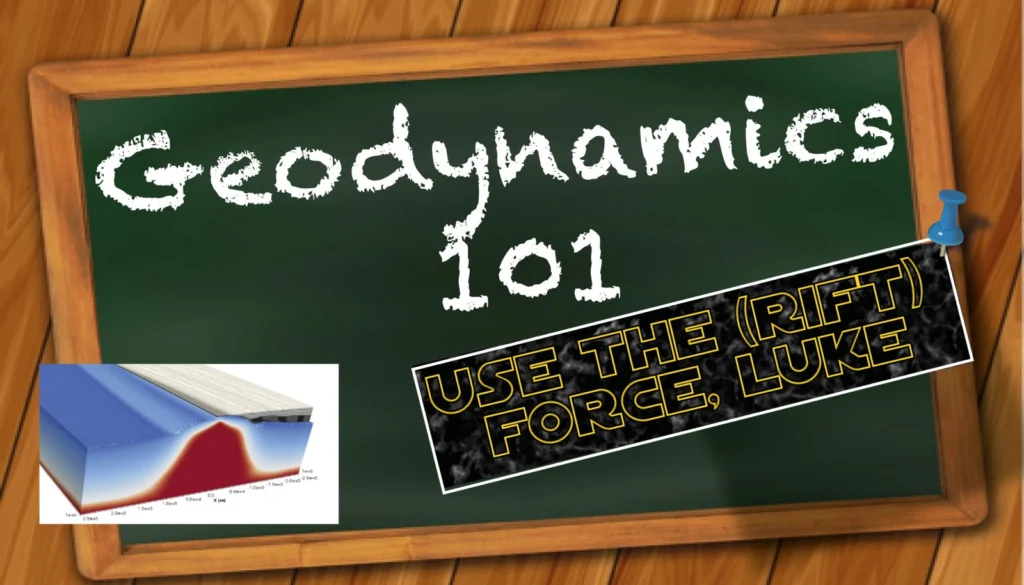
Finding the forces in continental rifting
The Geodynamics 101 series serves to showcase the diversity of research topics and methods in the geodynamics community in an understandable manner. We welcome all researchers – PhD students to Professors – to introduce their area of expertise in a lighthearted, entertaining manner and touch upon some of the outstanding questions and problems related to their fields. …[Read More]